
Losing weight can feel frustrating, especially when diet and exercise do not give fast results. That is why many people are now exploring newer options like peptide for weight loss to support fat loss and improve metabolism.
In this article, you will learn what peptide for weight loss means, how it works, its benefits, side effects, who should use it, and whether it is worth trying. By the end, you will have a clear understanding of this growing weight loss trend.
What Is Peptide for Weight Loss?
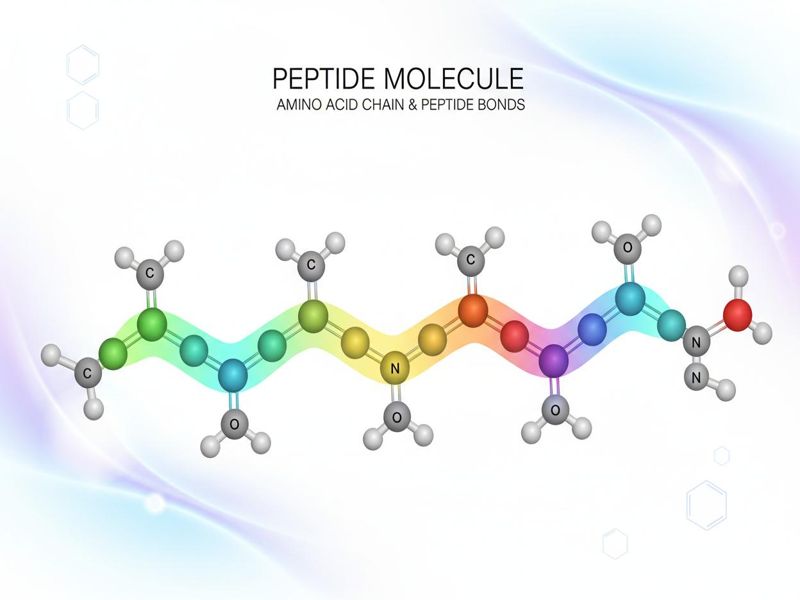
A peptide is a short chain of amino acids, which are the building blocks of proteins. Peptides naturally exist in the human body and help control many important functions such as hormone production, muscle growth, appetite, and metabolism.
When people talk about peptides for weight loss, they usually mean medical peptides designed to help the body burn fat, control hunger, and improve energy balance.
Some peptides are prescribed by doctors, while others are sold as supplements. However, not all peptides work the same way.
Common weight loss peptides include:
- GLP-1 peptides
- CJC-1295
- Ipamorelin
- AOD 9604
- Semaglutide-based peptides
These peptides may help people lose weight by targeting different systems in the body.
How Peptide for Weight Loss Works
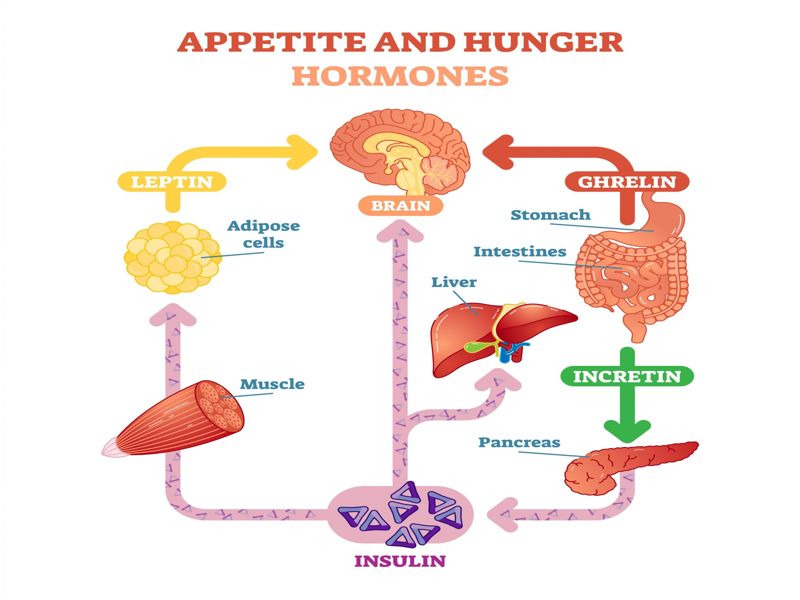
Different peptides work differently, but most support weight loss through one or more of these mechanisms.
Appetite Control
One major reason people gain weight is overeating. Certain peptides help reduce hunger signals in the brain.
As a result, you feel full faster and eat less without constantly fighting cravings.
Better Fat Burning
Some peptides encourage the body to use stored fat as energy.
This process may improve fat metabolism and support gradual fat loss over time.
Improved Insulin Response
Blood sugar spikes often increase cravings and fat storage.
Some weight loss peptides improve insulin sensitivity, which helps regulate blood sugar and reduce fat accumulation.
Muscle Preservation
During weight loss, people sometimes lose muscle along with fat.
Certain peptides help protect lean muscle mass while promoting fat reduction.
This matters because more muscle usually means a higher metabolism.
Types of Peptides Used for Weight Loss
Not every peptide is made for the same purpose. Here are the most common ones.
GLP-1 Peptides
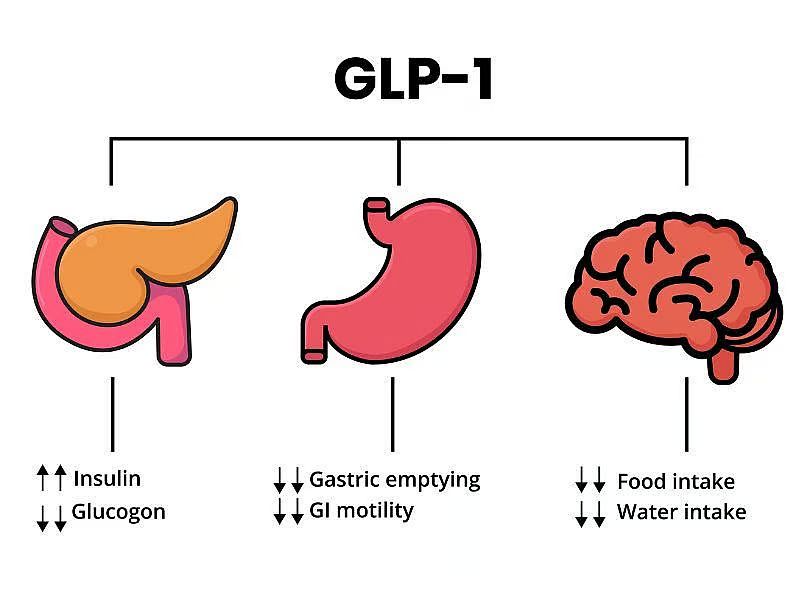
GLP-1 peptides are among the most popular options today.
They work by:
- Slowing digestion
- Reducing appetite
- Improving blood sugar control
- Helping people feel full longer
These are often prescribed for obesity and diabetes management.
AOD 9604
AOD 9604 is known for targeting body fat without affecting blood sugar much.
Many people use it specifically for stubborn fat areas.
CJC-1295 and Ipamorelin
These peptides stimulate growth hormone production.
They may help with:
- Recovery
- Muscle support
- Fat metabolism
- Better body composition
These are popular among fitness-focused individuals.
Benefits of Peptide for Weight Loss
Many people consider peptide therapy because of its potential advantages.
Reduced Hunger
One of the biggest benefits is appetite suppression.
If cravings constantly ruin your diet, peptides may help control that struggle.
Easier Calorie Deficit
Weight loss requires consuming fewer calories than you burn.
Because peptides can reduce hunger, maintaining a calorie deficit becomes easier.
Better Fat Loss
Some people notice improved fat reduction, especially around stubborn areas.
This can support body recomposition.
More Energy
Certain users report improved energy and less fatigue during dieting.
This may help maintain workout consistency.
Improved Metabolic Health
Some peptides support:
- Blood sugar control
- Insulin sensitivity
- Hormonal balance
These improvements can indirectly support weight management.
Peptide for Weight Loss vs Traditional Weight Loss Methods
Here is a comparison table showing the key differences.
| Feature | Peptide for Weight Loss | Traditional Diet & Exercise |
| Hunger Control | High | Moderate |
| Fat Burning Support | Strong | Depends on consistency |
| Cost | Higher | Lower |
| Medical Supervision | Often required | Usually not |
| Speed of Results | Moderate to fast | Usually gradual |
| Sustainability | Depends on lifestyle | High if habits remain |
Peptides may speed up progress, but lifestyle habits still matter.
Who Should Use Peptide for Weight Loss?
Not everyone needs peptides.
They may be suitable for people who:
- Struggle with obesity
- Have strong food cravings
- Hit long weight loss plateaus
- Need medical weight management
- Have insulin resistance
Peptide therapy may also help people who tried multiple diets without success.
Who Should Avoid It?
Some people should avoid peptide use unless approved by a doctor.
This includes:
- Pregnant women
- Breastfeeding mothers
- People with certain hormone disorders
- Individuals with serious medical conditions
Medical supervision is important.
Side Effects of Peptide for Weight Loss
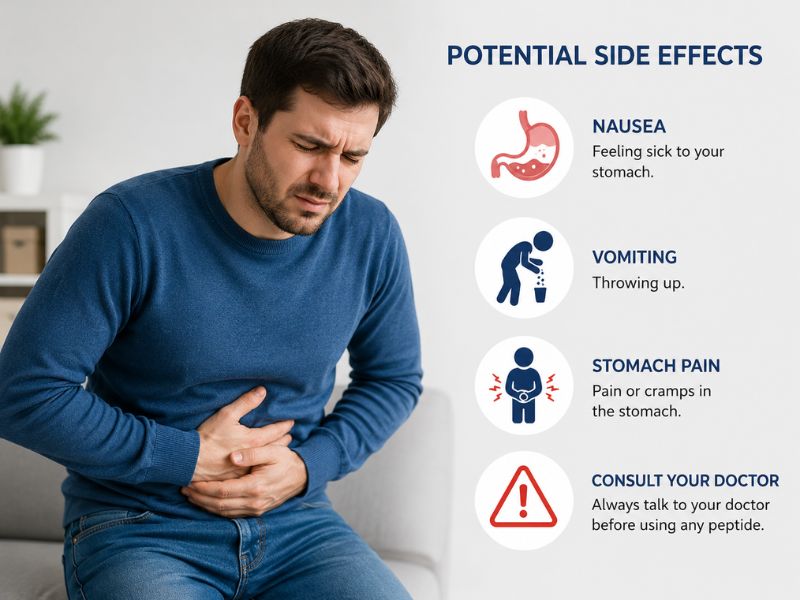
Like any treatment, peptides can cause side effects.
Severity depends on the peptide type, dosage, and individual response.
Common side effects include:
Nausea
This is especially common with appetite-control peptides.
It often improves as the body adjusts.
Digestive Problems
Some people experience:
- Bloating
- Constipation
- Diarrhea
- Stomach discomfort
Headache
Mild headaches can happen during early use.
Hydration may help.
Fatigue
Some users feel tired in the beginning.
Usually this improves with time.
Injection Site Irritation
Many peptides are injectable.
This may cause:
- Redness
- Mild swelling
- Irritation
Are Peptides Safe for Weight Loss?
Safety depends on three major factors:
- Type of peptide
- Dosage
- Medical supervision
Doctor-prescribed peptides are generally safer than unregulated products sold online.
One major mistake people make is buying cheap peptides from unknown sellers.
Poor-quality products can be risky.
Always choose trusted medical guidance.
Best Practices for Using Peptide for Weight Loss
Peptides work best when combined with healthy habits.
Here are useful tips.
Follow Proper Dosage
Never increase dosage just to speed up results.
More is not always better.
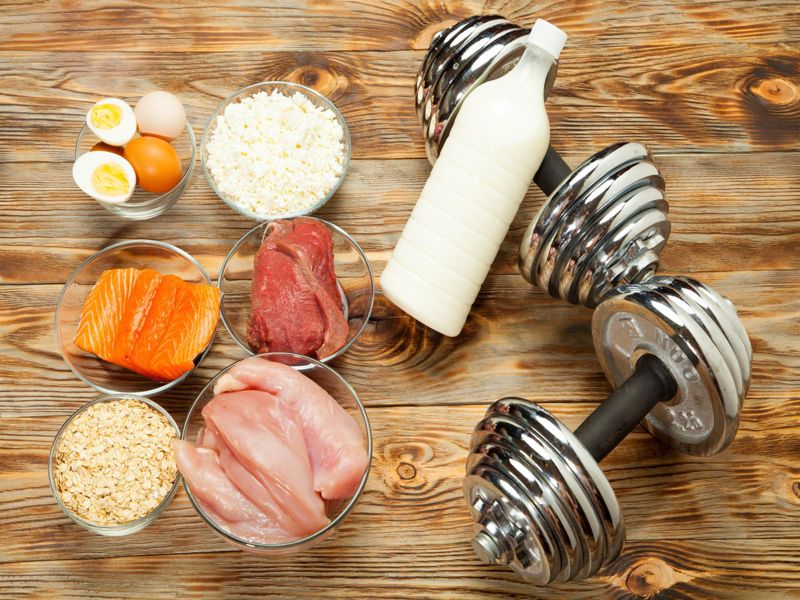
Prioritize Protein
Protein helps preserve muscle during fat loss.
Good sources include:
- Eggs
- Chicken
- Fish
- Greek yogurt
- Protein shakes
Exercise Regularly
Combine resistance training with walking or cardio.
This improves results significantly.
Sleep Well
Poor sleep can increase hunger hormones.
Aim for 7–9 hours of sleep.
Stay Hydrated
Water helps digestion and supports metabolism.
Drink enough throughout the day.
Common Mistakes People Make
Many people fail because they expect peptides to do everything.
Here are common mistakes.
Ignoring Diet
You cannot outsmart poor eating habits.
Peptides help, but nutrition still matters.
No Physical Activity
A sedentary lifestyle reduces progress.
Movement matters.
Unrealistic Expectations
Some expect dramatic changes in one week.
Healthy weight loss takes time.
Buying Fake Products
This is very common online.
Always verify product quality.
Stopping Too Early
Results often require consistency.
Patience matters.
How Fast Does Peptide for Weight Loss Work?
Results vary from person to person.
Factors affecting progress include:
- Starting weight
- Diet quality
- Activity level
- Sleep
- Peptide type
Some people notice appetite changes within days.
Visible weight loss may take several weeks.
A realistic pace is gradual and steady progress.
Fast weight loss is not always healthy.
Natural Ways to Support Peptide Results
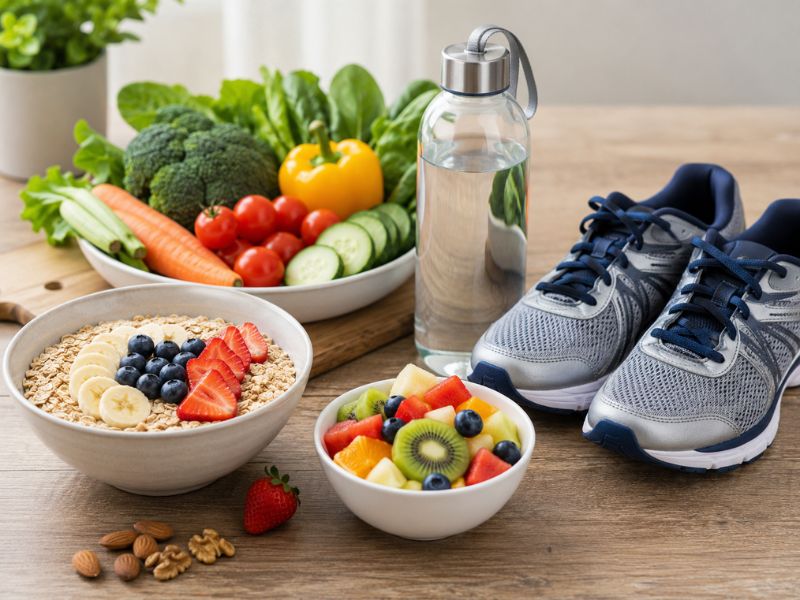
You can improve peptide effectiveness with lifestyle support.
Helpful habits include:
Eat Fiber-Rich Foods
Fiber keeps you full longer.
Examples include:
- Oats
- Vegetables
- Beans
- Chia seeds
Walk Daily
Walking improves calorie burn and insulin sensitivity.
Even 30 minutes helps.
Reduce Sugary Foods
Too much sugar increases cravings and fat storage.
Limit:
- Soda
- Candy
- Sweet desserts
Manage Stress
Stress increases cortisol, which may affect fat storage.
Try:
- Meditation
- Deep breathing
- Light exercise
Final Verdict on Peptide for Weight Loss
Peptide for weight loss can be a powerful tool for people struggling with appetite, cravings, and slow fat loss. While peptides may improve hunger control and metabolism, they work best when combined with healthy eating, exercise, and medical guidance for safe long term results.
FAQs
Is peptide for weight loss safe?
Yes, it can be safe when used under medical supervision.
How fast can peptides help with weight loss?
Some people notice changes within weeks, but results vary.
Do peptides burn belly fat?
Some peptides may support overall fat loss, including belly fat.
Are peptides better than diet and exercise?
No, they work best alongside proper diet and exercise.
Do I need a prescription for weight loss peptides?
Some peptides require a prescription, while others do not.
Conclusion
Peptide for weight loss can help reduce appetite, improve fat burning, and support better weight management, but it is not a magic solution. The best results come when peptides are combined with healthy eating, regular exercise, and consistent lifestyle habits.
