


Walking for weight loss is one of the easiest and most effective ways to improve your health. You don’t need costly equipment or a gym membership to get started. Almost anyone can start walking, no matter their age or fitness level. With the right routine and healthy eating habits, walking can help you burn calories, lose body fat, and feel more energetic.
Many people think weight loss only comes from hard workouts. The truth is that a regular walking routine can also produce great results when done consistently. In this guide, you will learn how walking for weight loss works, its benefits, and how to create a simple walking plan that fits your lifestyle. This guide explains everything you need to know about walking for weight loss, including how it works, its health benefits, and a simple walking plan to help you lose weight effectively.
What Is Walking for Weight Loss?

Walking for weight loss means using regular walking as a form of exercise to burn calories and create a calorie deficit. When your body burns more calories than it consumes, it begins to use stored fat for energy. Over time, this process can lead to healthy and sustainable weight loss.
Unlike intense workouts, walking is a low-impact exercise. It is gentle on the knees, hips, and ankles, making it a great option for beginners, older adults, and people recovering from injuries.
Walking can be done almost anywhere. You can walk around your neighborhood, in a park, on a treadmill, or even inside a shopping mall during bad weather. The flexibility of walking makes it one of the easiest fitness habits to maintain. The flexibility of walking for weight loss makes it one of the easiest healthy habits to maintain over the long term.
A regular walking routine also improves heart health, supports mental well-being, and strengthens muscles. While the weight loss results may take time, consistency often leads to lasting success. Although walking for weight loss takes time to show results, staying consistent can lead to steady and long-lasting success.
Why Is Walking a Smart Choice for Beginners?
Many beginners struggle with difficult workout programs because they are too intense or time-consuming. Walking is different because it is simple and easy to start. Walking for weight loss is different because it is simple to start and easy to fit into almost any daily routine.
Some reasons beginners choose walking include:
- No gym membership required
- Suitable for almost every fitness level
- Low risk of injury
- Easy to include in a daily routine
- Helps build healthy exercise habits
- Improves stamina over time
A brief daily walk can have a positive impact on your health. As your fitness improves, you can gradually increase your walking time, distance, or speed. As your fitness improves, you can gradually increase your walking time, distance, or speed to make walking for weight loss even more effective.
How Does Walking for Weight Loss Work?
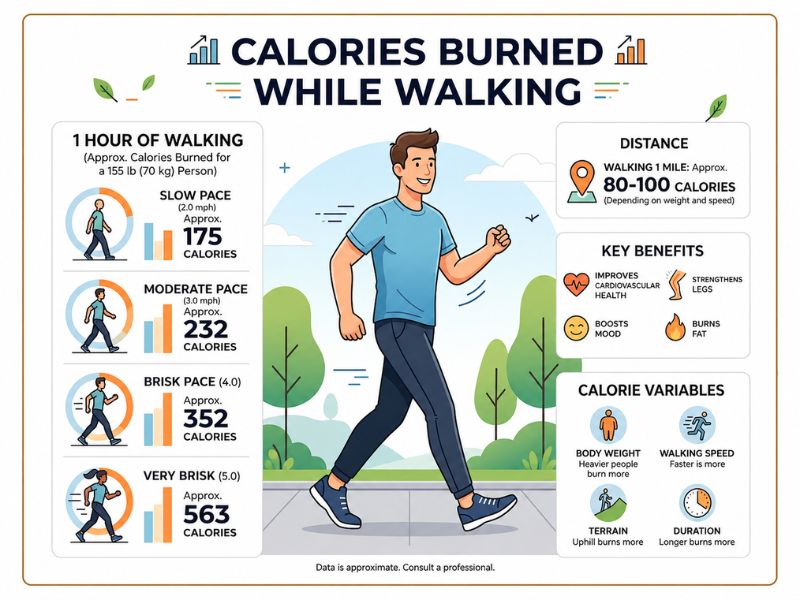
Walking for weight loss works by increasing the number of calories your body burns throughout the day. Every step requires energy. Your body gets this energy by using calories from the food you eat and, when needed, stored body fat.
If you eat fewer calories than you burn, your body enters a calorie deficit. This is the key to losing weight. Walking helps create this calorie deficit without putting too much stress on your body. Walking for weight loss helps create a calorie deficit while putting less stress on your joints and muscles than many high-impact exercises.
Several factors affect how many calories you burn while walking:
- Your body weight
- Walking speed
- Walking distance
- Terrain or incline
- Walking duration
- Age and metabolism
For example, a person weighing more generally burns more calories than someone who weighs less while walking the same distance.
Walking faster or walking uphill also increases calorie burn because your muscles work harder.
How Many Calories Can Walking Burn?

The number of calories burned depends on your weight and walking pace.
| Body Weight | 30-Minute Walk | 60-Minute Walk |
| 125 lbs (57 kg) | 120–140 calories | 240–280 calories |
| 155 lbs (70 kg) | 150–180 calories | 300–360 calories |
| 185 lbs (84 kg) | 180–220 calories | 360–440 calories |
These numbers are estimates. Your actual calorie burn depends on factors such as age, fitness level, terrain, and walking intensity.
Does Walking Burn Belly Fat?
Many people want to lose belly fat first. Unfortunately, no exercise can target fat loss from one specific area of the body.
Walking helps reduce overall body fat. As your total body fat decreases, your waistline also becomes smaller over time.
Combining walking with healthy eating, quality sleep, and strength training often leads to the best long term results.
Benefits of Walking for Weight Loss

Walking offers much more than weight loss. It improves both physical and mental health while being easy to maintain.
Some of the biggest benefits include:
Burns Calories Naturally
Walking increases your daily calorie burn without requiring intense exercise. Regular walks help create the calorie deficit needed for weight loss.
Supports Heart Health
Walking strengthens your heart and improves blood circulation. It may also help maintain healthy blood pressure and cholesterol levels.
Easy on the Joints
Unlike running, walking places less stress on the knees and ankles. As a result, it can be a better choice for many individuals.
Improves Mental Health
Walking outdoors can reduce stress and improve mood. Many people find that a daily walk helps them relax after a busy day.
Builds Consistency
The most effective exercise is the one you can stick with consistently. Walking is simple enough to become a daily habit.
Helps Control Blood Sugar
Walking after meals may help your body manage blood sugar more effectively and support overall metabolic health.
Increases Daily Activity
Many people spend long hours sitting. Walking adds healthy movement to your day and reduces sedentary time.
Improves Endurance
As you continue walking regularly, your stamina improves. Everyday activities become easier, and longer walks feel more comfortable.
Step-by-Step Walking Plan

Starting a walking routine does not have to be difficult. The key is to begin at a comfortable pace and increase your activity little by little. A consistent routine is more effective than doing long walks only once in a while. A consistent walking for weight loss routine is far more effective than taking long walks only occasionally.
Beginner Walking Plan
If you are new to exercise, start with short walks.
- Week 1: Walk 20 minutes, 5 days a week.
- Week 2: Increase to 25 minutes, 5 days a week.
- Week 3: Walk 30 minutes, 5–6 days a week.
- Week 4: Walk 35–40 minutes while maintaining a brisk pace.
Focus on building the habit before worrying about speed or distance.
Intermediate Walking Plan
Once 30 minutes feels easy, increase the challenge.
- Walk 40–50 minutes.
- Add hills or inclines.
- Include 1–2 days of fast-paced walking.
- Aim for 8,000–10,000 steps daily.
This helps burn more calories and improves cardiovascular fitness.
Advanced Walking Plan
For experienced walkers:
- Walk 60 minutes most days.
- Add interval walking.
- Carry light hand weights only if comfortable.
- Walk uphill or on varied terrain.
- Target 10,000–12,000+ steps daily.
Remember, recovery days are also important.
Best Tips for Walking for Weight Loss

Following a few simple strategies can help you get better results from your walking routine.
1. Walk at a Brisk Pace
A faster pace increases your heart rate and helps burn more calories than a slow stroll.
2. Stay Consistent
Walking three days one week and skipping the next will slow your progress. Aim for regular daily movement.
3. Swing Your Arms
Natural arm movement improves balance and slightly increases calorie burn.
4. Wear Comfortable Shoes
Good walking shoes reduce the risk of blisters and joint discomfort.
5. Track Your Steps
Using a fitness tracker or smartphone app helps you stay motivated and monitor progress.
6. Add Hills
Walking uphill makes your muscles work harder and burns more calories.
7. Walk After Meals
A short walk after eating may support healthy digestion and blood sugar control.
8. Drink Enough Water
Hydration supports energy levels and overall exercise performance.
9. Combine Walking with Healthy Eating
Walking alone may not produce the best results if your diet is high in calories. Choose whole foods, lean protein, vegetables, fruits, and healthy fats.
10. Be Patient
Healthy weight loss takes time. Small daily improvements often lead to lasting success.
Common Mistakes to Avoid
Many people make simple mistakes that reduce the effectiveness of walking for weight loss.
Walking Too Slowly
A comfortable pace is fine for beginners, but a brisk pace usually burns more calories.
Skipping Rest Days
Your body needs time to recover. Rest helps prevent fatigue and overuse injuries.
Ignoring Your Diet
Walking cannot fully offset unhealthy eating habits. Nutrition remains an important part of weight management.
Wearing Poor Footwear
Old or unsupportive shoes may lead to foot, ankle, or knee pain.
Expecting Instant Results
Weight loss is gradual. Focus on consistency instead of quick fixes.
Forgetting Strength Training
Adding strength exercises two or three times each week helps preserve muscle while losing fat.
Walking vs Running Comparison
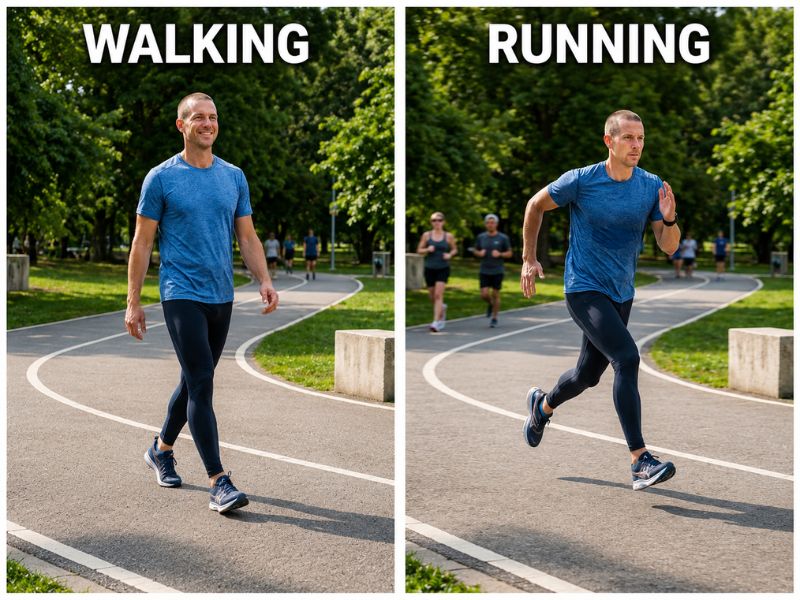
| Feature | Walking | Running |
| Calories Burned | Moderate | Higher |
| Joint Impact | Low | High |
| Beginner Friendly | Excellent | Moderate |
| Injury Risk | Lower | Higher |
| Equipment Needed | Walking shoes | Running shoes |
| Recovery Time | Short | Longer |
| Suitable for Most Ages | Yes | Depends on fitness level |
| Long-Term Sustainability | Very High | Moderate to High |
Both walking and running can support weight loss. Walking is often easier to maintain over the long term, especially for beginners.
Expert Tips
- Walk at the same time each day to build a habit.
- Increase your walking time gradually instead of making big jumps.
- Include one or two faster walks each week.
- Choose parks or nature trails to make walking more enjoyable.
- Listen to music or podcasts to stay motivated.
- Pair walking with a balanced diet for better results.
- Sleep at least 7–9 hours each night to support recovery and overall health.
- Celebrate small milestones, such as completing your weekly walking goal.
Frequently Asked Questions(FAQs)
1. Is walking for weight loss effective?
Yes, regular walking combined with healthy eating can support steady weight loss.
2. How long should I walk each day?
Most adults benefit from walking 30–60 minutes on most days.
3. Can walking reduce belly fat?
Walking helps reduce overall body fat, which can gradually reduce belly fat.
4. Is walking better than running?
Walking is easier on the joints and is a great long-term exercise for many people.
5. Should I walk every day?
Walking most days of the week is a healthy goal if your body feels comfortable.
Conclusion
Walking for weight loss is a simple, affordable, and sustainable way to improve your health. When combined with healthy eating, consistency, and realistic goals, a daily walking routine can help you burn calories, lose body fat, and build lifelong fitness habits.
