

Many people are looking for simple ways to support their weight loss journey, and one method that often comes up is red light therapy. If you have ever wondered, does red light therapy help with weight loss, you are not alone. Interest in this treatment has grown because it is non-invasive and easy to add to a healthy lifestyle.
While red light therapy is not a magic solution, some research suggests it may support fat reduction and body contouring when combined with regular exercise and a balanced diet. This guide explains how it works, its possible benefits, what science says, and how to use it safely.
What Does Red Light Therapy Help With Weight Loss?
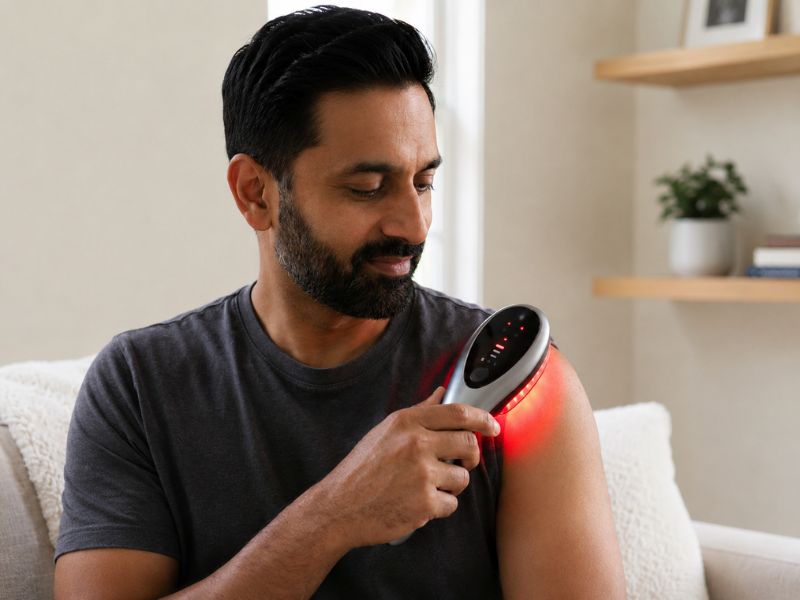
Red light therapy is a treatment that exposes the body to low levels of red and near-infrared light. Unlike sunlight, it does not contain harmful ultraviolet (UV) rays. The light penetrates the skin and interacts with cells, encouraging them to produce more energy.
Many clinics, wellness centers, and home devices use this technology for different purposes. It is commonly promoted for skin health, muscle recovery, pain relief, and reducing signs of aging. More recently, people have become interested in red light therapy for weight loss because of its possible effects on fat cells.
Although red light therapy cannot replace healthy habits, it may provide additional support for people trying to improve their body composition.
How Does Red Light Therapy Affect Fat Cells?
Researchers believe red light may temporarily influence fat cells by helping them release stored fatty acids and glycerol. The body may then use these substances as energy, especially during physical activity.
Some experts also suggest that red light therapy improves cellular energy production by supporting the mitochondria, often called the “powerhouses” of the cell. Better cellular function may help the body recover more efficiently after exercise and support an active lifestyle.
However, these effects are generally modest. The treatment works best when it is part of a complete weight management plan rather than the only strategy.
How Does It Work?
The process behind red light therapy fat loss is based on how cells respond to specific wavelengths of light. When the light reaches body tissues, it may increase the production of adenosine triphosphate (ATP), which is the main source of energy for cells.
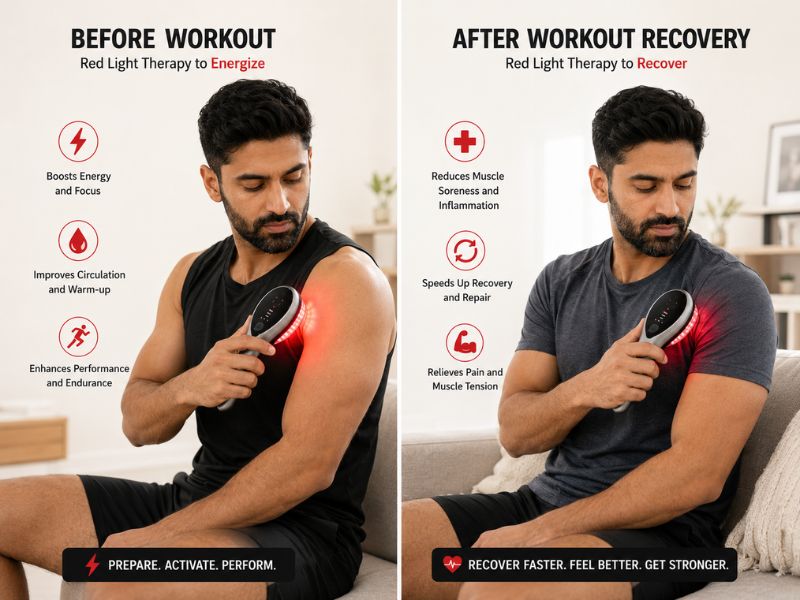
Higher cellular energy can support natural repair processes and improve tissue function. This may help muscles recover faster after workouts, allowing some people to stay more consistent with their exercise routines.
Researchers also believe that the treatment may temporarily change the permeability of fat cells. Instead of permanently destroying these cells, the therapy may encourage them to release some of their stored contents.
Once released, the body still needs to burn these fatty acids through physical activity or normal metabolism. This is why many professionals recommend combining red light therapy with regular exercise instead of relying on the treatment alone.
Does Red Light Therapy Burn Fat Directly?
One of the most common questions is whether red light therapy burns fat on its own. The answer is no.
Current evidence suggests that red light therapy is not a standalone fat-burning treatment. Instead, it may help support the body’s natural processes that are involved in fat metabolism.
Without regular exercise and healthy eating habits, your body may not effectively use the released fat for energy.This means lifestyle choices remain the most important part of successful weight management.
Benefits of Red Light Therapy Help With Weight Loss?
Although research is still developing, several potential benefits have been reported.
May Support Fat Reduction
Some studies suggest that red light therapy may help reduce body measurements when combined with regular exercise. The results are usually gradual rather than dramatic.
May Improve Exercise Recovery
Many athletes use red light therapy because it may reduce muscle soreness after workouts. Faster recovery can make it easier to maintain a consistent fitness routine.
May Increase Motivation
People often find it easier to stay committed to healthy habits when they notice gradual improvements. Small changes in body shape or recovery may encourage continued progress.
May Improve Skin Appearance
Weight loss sometimes leaves loose looking skin. While results vary, some people report smoother and firmer-looking skin after regular red light therapy sessions.
Non-Invasive and Comfortable
Unlike surgical body contouring procedures, red light therapy does not involve needles, cuts, or recovery time. Most sessions are painless and take only a few minutes.
Comparison Table

| Feature | Red Light Therapy | Traditional Diet and Exercise |
| Main Purpose | Supports fat reduction and recovery | Creates calorie deficit for weight loss |
| Invasiveness | Non-invasive | Non-invasive |
| Time Commitment | 10–30 minutes per session | Daily commitment required |
| Fat Loss Results | May help support fat reduction | Proven method for weight loss |
| Muscle Recovery | May improve recovery | Depends on rest and nutrition |
| Scientific Evidence | Growing but limited | Strong scientific support |
| Best Used With | Exercise and healthy eating | Healthy lifestyle habits |
| Long-Term Results | Works best as a supportive tool | Most effective for lasting results |
The table shows that while red light therapy helps with weight loss is a common question, healthy eating and regular exercise remain the foundation of successful weight management. Red light therapy may offer additional support, but it should not replace proven weight loss methods.
Best Tips or Methods
If you want to get the most from red light therapy for weight loss, follow these practical tips.
Combine It With Regular Exercise
Red light therapy appears to work best when paired with physical activity. Exercise helps the body use released fatty acids as energy instead of storing them again.
Even simple activities such as walking, cycling, or strength training can improve overall red light therapy weight loss results.
Follow a Balanced Diet
No therapy can overcome poor eating habits. Build your meals around nutrient-rich foods such as lean protein, fresh vegetables, fruits, whole grains, and healthy sources of fat.
A nutritious diet supports fat loss while helping maintain muscle mass during a calorie deficit.
Stay Consistent
Most people do not see changes after only one or two sessions. Consistent use over several weeks is usually necessary to evaluate results.
Many providers recommend multiple sessions each week as part of a long term wellness plan.
Stay Hydrated
Proper hydration supports metabolism and overall health. Drinking enough water may also help your body function more efficiently during weight loss efforts.
Manage Expectations
Red light therapy is not a miracle treatment. Small improvements over time are more realistic than dramatic transformations.
People who understand this are often more satisfied with their progress.
Common Mistakes to Avoid
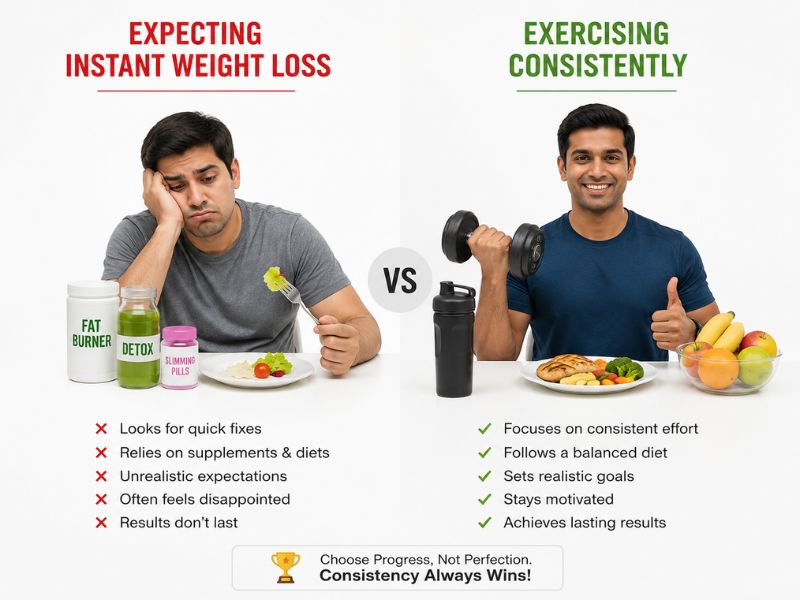
Many people become disappointed because they expect too much from the treatment alone.
Using It as a Standalone Solution
The biggest mistake is assuming that red light therapy will cause significant weight loss without lifestyle changes.
Healthy eating and regular exercise are still essential.
Expecting Instant Results
Body composition changes take time. Results usually appear gradually rather than overnight.
Patience and consistency are important for any weight loss strategy.
Ignoring Physical Activity
Some studies suggest that exercise may enhance the benefits of red light therapy fat loss.
Without movement, the body may not effectively use the released fatty acids.
Buying Low-Quality Devices
Not all devices are created equal. Poor-quality products may not deliver the appropriate wavelengths needed for effective treatment.
Research products carefully before making a purchase.
Overlooking Overall Health
Weight loss is only one part of wellness. Sleep quality, stress management, hydration, and nutrition also play major roles in achieving and maintaining a healthy weight.
Expert Tips

Health and fitness professionals often recommend using red light therapy as one part of a complete wellness plan.
Here are some expert-backed suggestions:
- Focus on sustainable lifestyle changes.
- Prioritize strength training to maintain muscle.
- Track body measurements instead of relying only on the scale.
- Get adequate sleep each night.
- Maintain a moderate calorie deficit.
- Use red light therapy consistently rather than occasionally.
- Discuss treatment options with a healthcare professional if you have medical concerns.
Who May Benefit Most?
People who already exercise regularly may experience the greatest benefits.
Individuals looking for support with recovery, body contouring, or overall wellness may also find value in red light therapy.
However, those expecting major weight loss without changing their habits are unlikely to achieve their goals.
Current Research and Future Potential
Research into infrared light therapy for weight loss continues to grow. Some studies have reported positive effects on body measurements and fat reduction, while others suggest more evidence is needed.
Most experts agree that red light therapy shows promise as a supportive treatment rather than a primary weight loss method.
As technology improves and more studies become available, our understanding of its benefits will likely become clearer.
FAQs
1. Does red light therapy help with weight loss by itself?
No, it works best when combined with exercise and healthy eating habits.
2. How long does it take to see red light therapy weight loss results?
Most people need several weeks of consistent sessions before noticing changes.
3. Does red light therapy burn fat permanently?
It may help fat cells release stored contents, but long-term results depend on lifestyle habits.
4. Can red light therapy reduce belly fat?
Some studies suggest it may support reductions in body measurements, including the abdominal area.
5. Is red light therapy safe for most adults?
It is generally considered safe when used according to manufacturer guidelines.
Conclusion
So, does red light therapy help with weight loss? The evidence suggests that it may support fat reduction, exercise recovery, and body contouring when combined with a healthy diet and regular physical activity. While it is not a replacement for proven weight loss methods, red light therapy can be a useful tool for people looking to enhance their overall weight management plan.
