
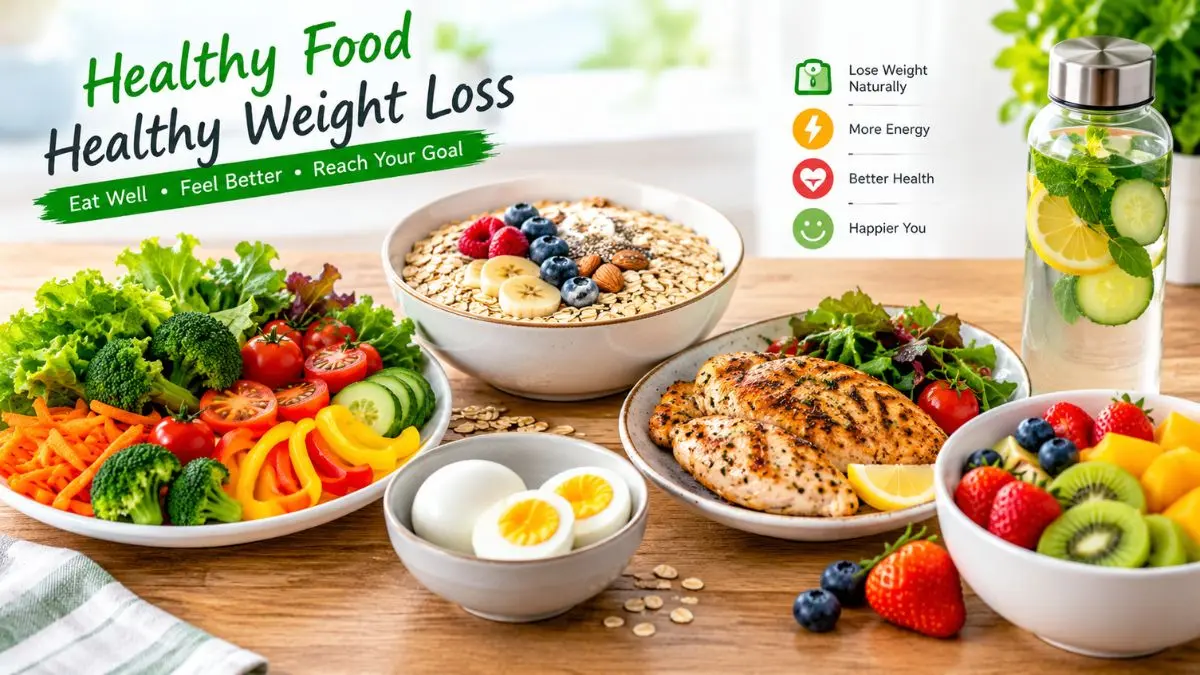
Starting a healthy eating routine can feel confusing when you are not sure what to eat, how much to eat, or where to begin. A weight loss diet plan for beginners can make the process easier by giving you a simple structure for balanced meals, healthy snacks, and better daily habits.
The goal of a beginner weight loss diet plan is not to completely avoid your favorite foods or follow an extremely restrictive diet. Instead, it should help you build sustainable eating habits while getting enough protein, fiber, vitamins, minerals, and other nutrients your body needs.
This guide explains how to create a simple weight loss meal plan for beginners, what foods to include, how portion control works, and how to build balanced breakfasts, lunches, dinners, and snacks. It also includes a practical 7-day example that you can adjust to your needs.
What Is a Beginner-Friendly Weight Loss Diet Plan?
A weight loss diet plan is a structured approach to eating that can help you consume fewer calories than your body uses while still providing adequate nutrition.
This difference is commonly called a calorie deficit. However, creating a calorie deficit does not mean you need to eat as little as possible. Very restrictive diets can be difficult to maintain and may leave you feeling hungry and tired.
A better approach is to focus on nutrient-dense foods that provide more nutrition and help you feel satisfied. These include vegetables, fruits, whole grains, lean protein, beans, low-fat dairy, nuts, seeds, and healthy fats.
Your calorie needs can vary based on factors such as age, sex, body size, activity level, and health status. For that reason, there is no single calorie target that works for everyone following a weight loss diet plan for beginners.
How Beginners Can Start a Weight Loss Diet

If you are completely new to healthy eating, start with a few simple changes instead of trying to change everything overnight.
1. Build Balanced Meals
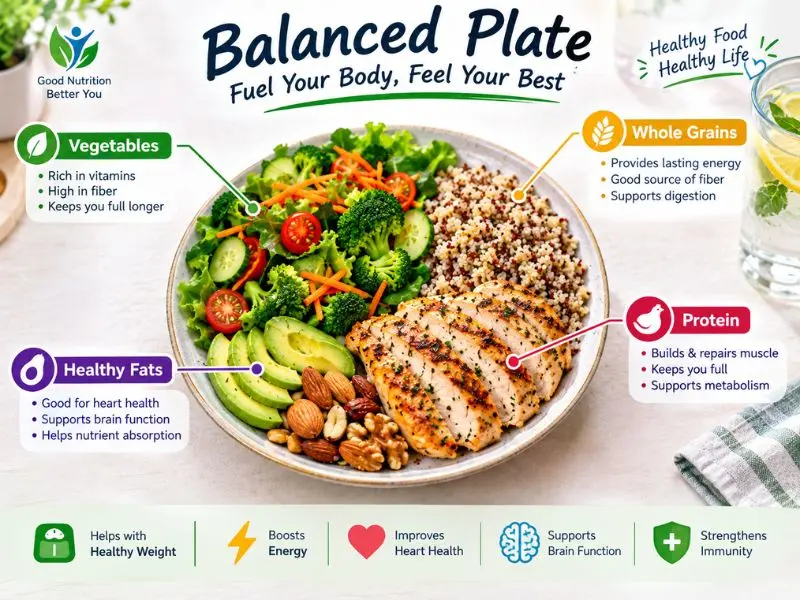
Try to include a source of protein, vegetables or fruit, a high-fiber carbohydrate, and a small amount of healthy fat when appropriate.
For example, grilled chicken with brown rice and vegetables provides protein, carbohydrates, and fiber in one meal.
2. Focus on Portion Control
Healthy foods can still contribute a lot of calories when eaten in very large portions. Learning reasonable serving sizes can help you manage your overall calorie intake.
You do not have to measure every food item all the time. Instead, you can start by becoming familiar with common portions and paying attention to hunger and fullness.
3. Eat More Protein and Fiber
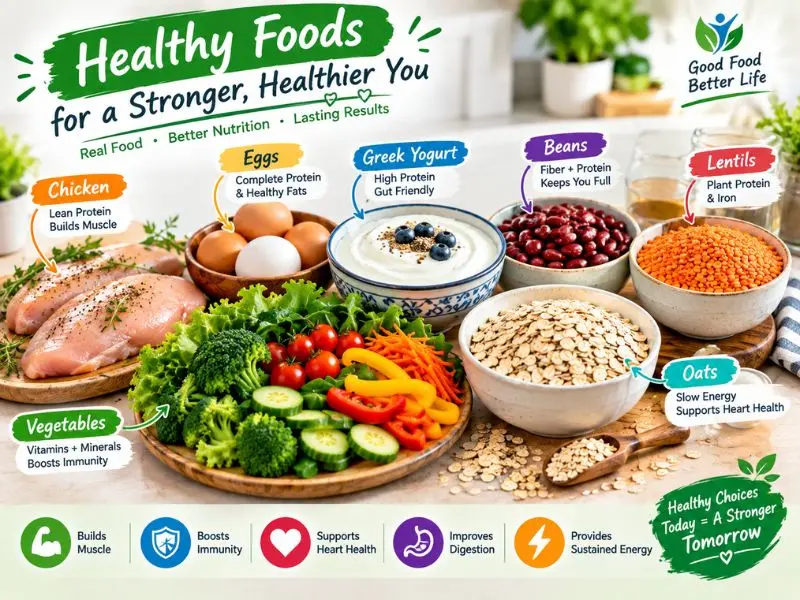
Protein can help support muscle while you lose weight, while fiber-rich foods can help make meals more filling.
Good protein choices include:
- Chicken breast
- Turkey
- Eggs
- Greek yogurt
- Fish
- Beans
- Lentils
- Cottage cheese
- Tofu
Fiber-rich choices include vegetables, fresh fruits, beans, lentils, oats, and whole-grain foods.
4. Drink More Water
Water is important for normal body functions and can be a better everyday choice than sugary drinks.
Instead of regularly drinking soda, sweetened coffee drinks, or other high-calorie beverages, try water, sparkling water, or unsweetened tea.
7-Day Weight Loss Meal Plan for Beginners
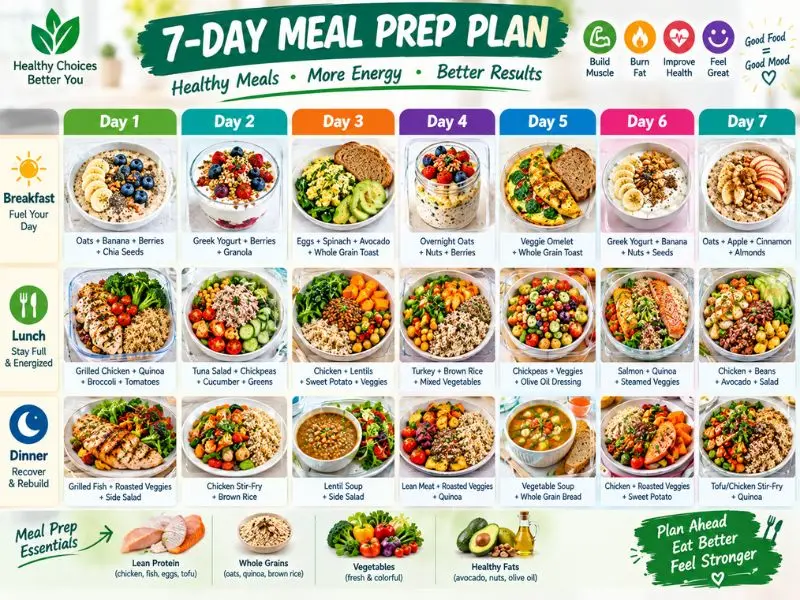
The following is an example of a simple weekly meal plan. It is not a personalized medical diet, and you can also explore protein-rich recipes for more meal ideas.
| Day | Breakfast | Lunch | Dinner | Snack |
| Day 1 | Oatmeal with berries and Greek yogurt | Grilled chicken salad with whole-grain bread | Baked salmon, brown rice, and vegetables | Apple with peanut butter |
| Day 2 | Eggs, whole-grain toast, and fruit | Turkey and vegetable wrap | Chicken, roasted potatoes, and broccoli | Greek yogurt |
| Day 3 | Greek yogurt with oats and berries | Lentil soup with a side salad | Grilled chicken, quinoa, and mixed vegetables | Carrots with hummus |
| Day 4 | Oatmeal with banana and nuts | Tuna salad with whole-grain crackers | Turkey, brown rice, and steamed vegetables | Apple and a small handful of almonds |
| Day 5 | Scrambled eggs with vegetables and toast | Chicken and avocado salad | Baked fish, potatoes, and green beans | Greek yogurt with berries |
| Day 6 | Greek yogurt, fruit, and oats | Turkey sandwich with vegetables | Chicken and vegetable stir-fry with brown rice | Pear with peanut butter |
| Day 7 | Oatmeal with berries and nuts | Bean and chicken bowl with vegetables | Grilled salmon, quinoa, and salad | Cottage cheese with fruit |
This plan is intentionally flexible. You can swap foods based on your preferences, budget, availability, and dietary needs.
Healthy Breakfast Ideas for Weight Loss
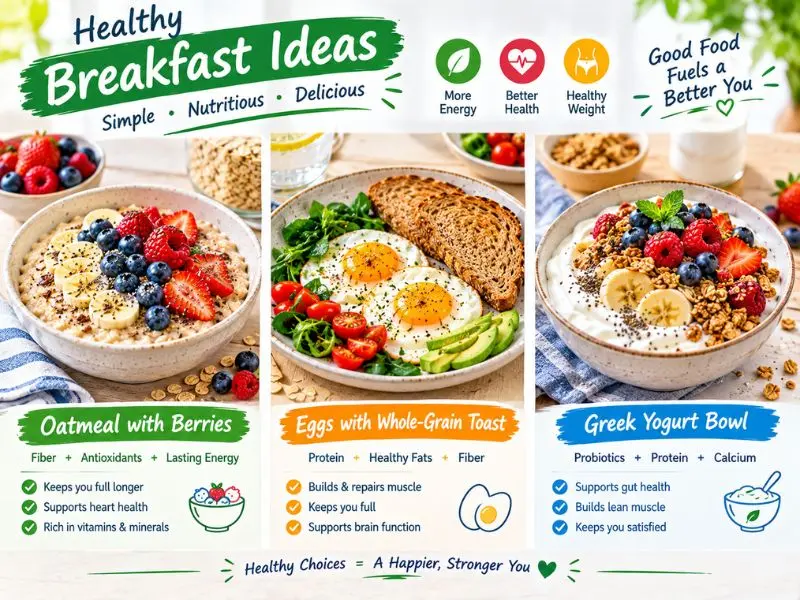
Breakfast does not need to be complicated. Choose foods that meet your nutrition needs while following a weight loss diet plan for beginners.
Oatmeal With Fruit
Oatmeal provides carbohydrates and fiber, while berries or bananas add fruit and natural sweetness. You can add Greek yogurt or a small amount of nuts for additional protein and healthy fats.
Eggs With Whole-Grain Toast
Eggs provide protein and can be paired with vegetables and whole-grain toast for a simple balanced breakfast.
Greek Yogurt Bowl
Plain Greek yogurt can be combined with berries, oats, and a small amount of nuts. This can make a convenient high-protein breakfast.
Healthy Lunch Ideas for Beginners
Lunch should provide enough nutrition to help you stay satisfied through the afternoon.
A simple chicken salad can include grilled chicken, leafy greens, tomatoes, cucumbers, carrots, and a reasonable amount of dressing.
Another option is a turkey or chicken whole-grain wrap with vegetables. If you are still hungry, you can add a piece of fruit or a small portion of yogurt.
Beans and lentils are also useful options because they provide protein and fiber. A bean bowl with vegetables, brown rice, and a lean protein source can make a filling lunch.
Healthy Dinner Ideas
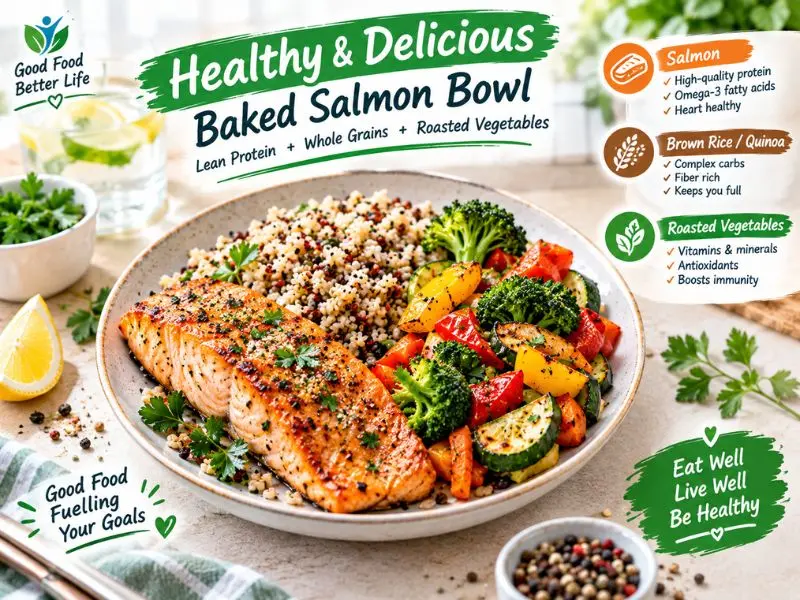
Dinner can follow the same basic structure as lunch.
Choose a lean protein such as chicken, fish, turkey, tofu, or beans. Add plenty of vegetables and a moderate serving of a high-fiber carbohydrate such as potatoes, brown rice, quinoa, or whole-grain pasta.
For example, baked salmon with roasted vegetables and a small serving of brown rice can provide protein, healthy fats, carbohydrates, and fiber.
You do not need to eliminate carbohydrates to lose weight. Instead, focus on portion size and choose nutrient-rich carbs for your weight loss diet plan for beginners.
Healthy Snacks for Weight Loss
Snacks are optional. If you are hungry between meals, choosing a nutritious snack can be more useful than waiting until you become extremely hungry.
Good options include:
- Apple with peanut butter
- Greek yogurt with berries
- Carrots with hummus
- A small handful of nuts
- Cottage cheese with fruit
- Hard-boiled eggs
- Fresh fruit
- Air-popped popcorn
Remember that snacks also contribute calories, so portion size still matters.
Foods to Include in a Beginner Weight Loss Diet
A healthy diet does not need to be based on expensive or unusual foods. Many simple grocery-store foods can fit into a weight loss meal plan.
Vegetables
Broccoli, spinach, carrots, peppers, cucumbers, tomatoes, green beans, and leafy greens are useful choices.
Try adding vegetables to lunch and dinner rather than treating them as a separate part of your diet.
Fruits
Apples, oranges, berries, bananas, pears, and other whole fruits can provide fiber, vitamins, minerals, and natural sweetness.
Whole fruit is generally more filling than many fruit-based drinks because it contains fiber.
Lean Protein
Protein-rich foods can help you build balanced meals. Chicken, turkey, fish, eggs, Greek yogurt, beans, lentils, tofu, and cottage cheese are examples.
Whole Grains
Oats, brown rice, quinoa, whole-grain bread, and whole-wheat pasta can provide carbohydrates and fiber.
Healthy Fats
Nuts, seeds, avocado, and olive oil contain unsaturated fats. Because fats are calorie-dense, reasonable portions are important.
Foods to Limit When Trying to Lose Weight
You do not necessarily need to completely eliminate any particular food unless your healthcare professional recommends it.
However, sugary, refined, and high-calorie foods can be easy to overconsume on a weight loss diet plan for beginners.
Examples include:
- Sugary sodas
- Candy
- Cakes and pastries
- Highly processed snack foods
- Large portions of fried foods
- Sugar-heavy coffee drinks
- Frequent fast-food meals
Instead of thinking about foods as completely “good” or “bad,” focus on how often you eat them and how they fit into your overall diet.
Portion Control Tips for Beginners
Portion control can be one of the most useful skills for someone starting a weight loss diet.
A simple method is to make vegetables a significant part of your meal, include a reasonable portion of protein, and add an appropriate portion of whole grains or other carbohydrates.
Eating slowly can also help you notice when you are becoming comfortably full.
Using smaller plates or bowls may make portions easier to manage, but the goal should not be to eat as little as possible.
Meal Prep Can Make Weight Loss Easier
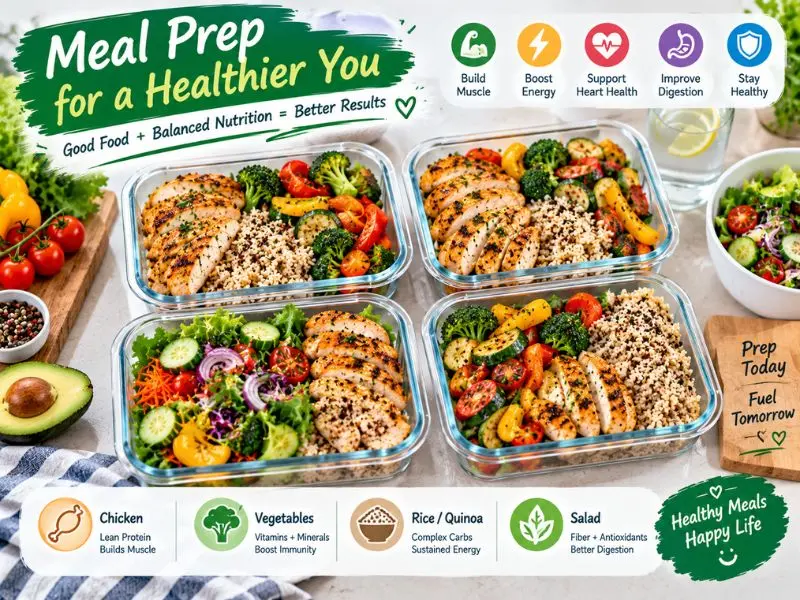
Planning meals before you become hungry can reduce the chance of relying on fast food or convenience foods.
You can prepare several portions of chicken, vegetables, brown rice, or other foods at the beginning of the week. Store them safely in the refrigerator and combine them into different meals.
For example, cooked chicken can be used in a salad one day and a rice-and-vegetable bowl the next day.
Meal preparation does not have to mean eating exactly the same meal every day. Preparing basic ingredients gives you more flexibility, and overnight oats for weight loss can be a convenient breakfast option.
Can You Lose Weight Without Exercise?
Diet plays an important role in weight management, but physical activity can provide additional health benefits.
Walking is a simple activity for many beginners. You can start with a manageable amount and gradually increase your activity as your fitness improves.
Other options include cycling, swimming, strength training, or other activities you enjoy.
The best exercise routine is one that fits your abilities, schedule, and preferences and that you can maintain consistently.
Common Mistakes Beginners Should Avoid
Eating Too Little
Severely restricting food can make a diet difficult to maintain. A sustainable approach should provide enough food and nutrients for your individual needs.
Skipping Meals to Save Calories
Some people find that skipping meals makes them excessively hungry later. If this happens to you, a regular meal pattern may be easier to manage.
Drinking Too Many Calories
Sugary drinks can add significant calories without providing the same fullness as solid food. Choosing water or unsweetened drinks can be a simple change for your weight loss diet plan for beginners.
Expecting Fast Results
Healthy weight loss is generally a gradual process. Daily weight can also fluctuate because of factors such as water retention, food intake, and other normal changes.
Instead of judging your progress day by day, focus on your long-term progress with a weight loss diet plan for beginners.
How to Make Your Diet Sustainable
A successful beginner weight loss plan should fit your real life.
If you love eating with your family, choose healthier portions of the foods you already enjoy rather than creating a completely separate menu.
If you eat at restaurants, look for meals with vegetables and a protein source, and pay attention to portion sizes.
You can also leave room for occasional treats. A sustainable eating pattern does not have to be perfect every day.
The main goal is to develop habits you can continue for weeks and months rather than following a strict plan for only a few days.
Weight Loss Diet Plan: What to Remember
A practical weight loss diet plan for beginners should focus on balanced meals, reasonable portions, nutrient-dense foods, and habits that you can maintain.
Prioritize vegetables, fruits, whole grains, lean protein, and healthy fats. Drink water regularly, limit highly processed foods and sugary drinks, and consider adding physical activity such as walking or strength training.
Most importantly, avoid comparing your progress with someone else’s. Your calorie and nutrition needs are unique, so a weight loss diet plan for beginners that works for one person may not suit another.
If you have diabetes, kidney disease, an eating disorder, are pregnant or breastfeeding, take medications that affect weight or blood sugar, or have another medical condition, talk with a qualified healthcare professional or registered dietitian before making major dietary changes.
FAQs
1. What is the best weight loss diet plan for beginners?
A balanced plan based on vegetables, fruits, lean protein, whole grains, healthy fats, and appropriate portions can be a practical starting point.
2. Can I lose weight without completely avoiding carbohydrates?
Yes, carbohydrates can be part of a weight loss diet when portions and overall calorie intake are appropriate.
3. What should I eat for breakfast to lose weight?
Protein- and fiber-rich choices such as eggs with whole-grain toast or Greek yogurt with fruit can be included in a balanced breakfast.
4. How can beginners control portions?
Start by serving reasonable portions, eating slowly, and paying attention to hunger and fullness cues.
5. Is exercise necessary for a weight loss diet?
Exercise is not the only factor affecting weight, but regular physical activity can support overall health and complement healthy eating habits.
Conclusion
A weight loss diet plan for beginners does not need to be complicated or extremely restrictive. Start with balanced meals, sensible portions, chia seeds for weight loss, regular hydration, and sustainable habits, then gradually adjust your routine as you learn what works for you.
