
Finding the best shoes for back pain can make everyday walking, standing, and other activities more comfortable. The right pair should offer a comfortable fit, suitable cushioning, and enough support for your individual needs. However, shoes affect everyone differently, and no single model works for every type of back pain.
In this guide, we’ll explore 10 walking and everyday shoes that may be worth considering in 2026. We’ll compare their key features, comfort, support, and potential drawbacks so you can make a more informed choice. We’ll also explain how to choose the best shoes for back pain.
How We Chose the Best Shoes for Back Pain
Choosing footwear for back pain requires more than looking for soft cushioning. A comfortable shoe should work well with your foot shape, walking style, and daily activities.
For this guide, we focus on cushioning, stability, fit, heel comfort, and practical everyday use. The recommendations include models discussed in podiatrist-focused footwear guides, but this article does not claim that every shoe has been independently tested by our team.
What to Look for in Shoes for Back Pain
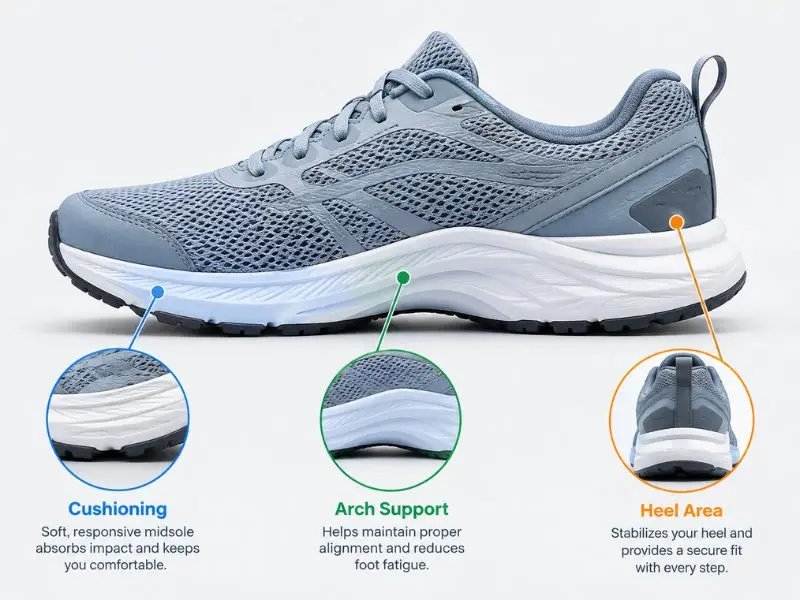
Before purchasing a new pair, consider the following features.
1. Cushioning
Cushioning helps absorb some of the forces produced when your feet contact the ground. A comfortable midsole may make walking or standing feel easier, particularly on hard surfaces.
However, softer cushioning is not automatically better. Some people prefer a firmer base, so choose the best shoes for back pain based on comfort and stability.
2. Arch Support
Arch support should match your individual foot shape and needs. People with different arch heights may prefer different shoe designs.
If a shoe’s arch support feels uncomfortable or creates pressure, try another model rather than assuming more support is always better.
3. Stability
Stability shoes can be useful for people who need additional control of foot movement. Models such as the Brooks Adrenaline GTS and ASICS GEL-KAYANO are designed for support-oriented use.
Not everyone needs a stability shoe. A neutral shoe may be more comfortable for someone whose feet do not require additional motion control.
4. Heel-to-Toe Drop
Heel-to-toe drop describes the difference in height between the heel and forefoot of a shoe.
Different drops can change how a shoe feels during walking. There is no single drop that works for everyone with back pain, so consider your existing comfort, mobility, and footwear preferences.
5. Proper Fit
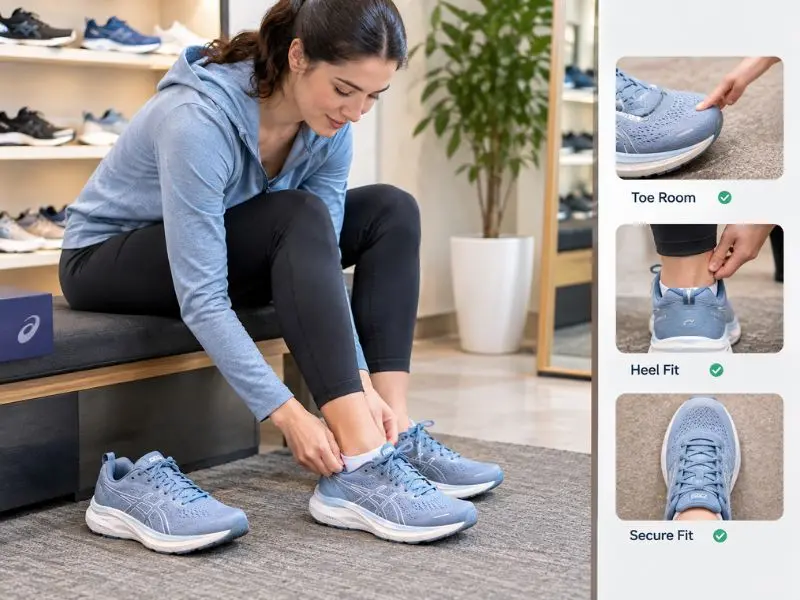
A well-fitting shoe should provide enough room for your toes without allowing excessive heel movement.
Measure your feet and consider trying shoes later in the day, when your feet may be slightly swollen. Check whether the best shoes for back pain feel comfortable while standing and walking.
6. Rocker Sole
A rocker sole has a curved shape that helps the foot move from heel to toe.
Some people find rocker-style shoes comfortable, but the design may not suit everyone. Walk in the shoes before committing to extended use.
The 10 Best Shoes for Back Pain in 2026
The following models represent different cushioning, stability, and everyday-use preferences. They are not presented as a medically validated ranking, and individual comfort may vary.
1. HOKA Bondi 9
Best for: People who prefer maximum cushioning for everyday walking.
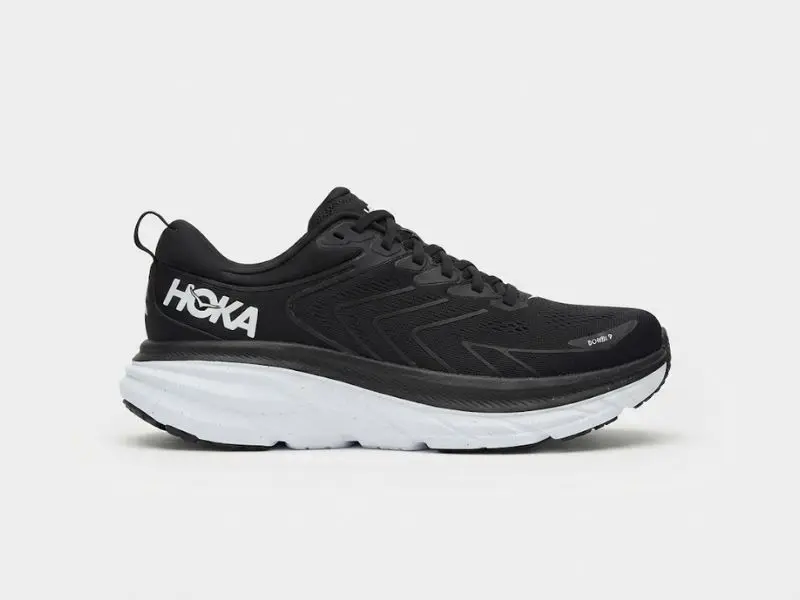
The HOKA Bondi 9 is a highly cushioned shoe designed for walking and running. Its thick midsole and rocker-style sole make it a model worth considering if you prefer a soft, cushioned feel underfoot.
When walking on hard surfaces, cushioning may improve perceived comfort. However, the shoe’s height and overall feel may not suit everyone.
The Bondi 9 is among the best shoes for back pain for errands, casual walking, and extended standing.
Pros
- Generous cushioning.
- Rocker-style sole.
- Suitable for everyday walking.
Potential drawbacks
- Bulky appearance compared with lightweight shoes.
- Cushioning and fit may not suit every foot type.
- Relatively high purchase price depending on retailer.
Who should consider it?
People who prioritize cushioning and want to try a highly cushioned walking shoe may find the Bondi 9 worth evaluating. It should not be viewed as a guaranteed treatment for back pain.
2. Brooks Ghost Max 3
Best for: Cushioned everyday walking.
The Brooks Ghost Max 3 is another option for people looking for a cushioned shoe with a supportive-feeling platform.
Its design makes it relevant for everyday walking and standing. When selecting this type of shoe, consider whether the sole feels stable and whether the shape works well with your stride.
A cushioned shoe may improve comfort, but its effect on back pain depends on the person and the underlying cause of discomfort.
Pros
- Cushioned design.
- Suitable for everyday use.
- Worth considering for people who prefer a structured shoe.
Potential drawbacks
- May feel larger than traditional walking shoes.
- The cushioning experience varies between users.
- Fit should be checked carefully.
Who should consider it?
Walkers looking for cushioning and a comfortable everyday shoe can include the Ghost Max 3 in their comparison.
3. Brooks Adrenaline GTS 25
Best for: People who prefer a stability-oriented walking shoe.
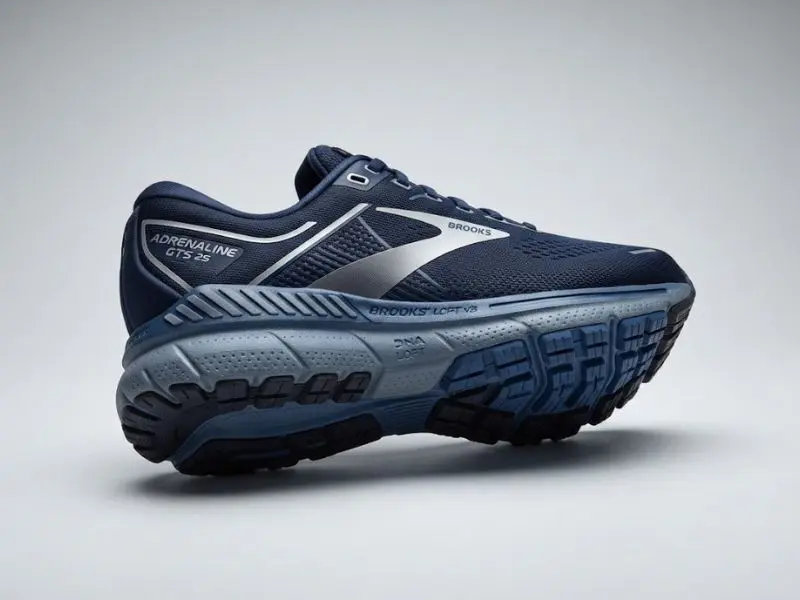
The Brooks Adrenaline GTS 25 is designed with support features intended to help guide foot movement. It may be relevant for walkers who prefer a stability shoe rather than a purely neutral design.
People with overpronation may want to evaluate stability footwear, but foot movement alone does not establish the cause of back pain. For hiking and uneven terrain, trekking poles may also provide additional support while walking.
When trying these best shoes for back pain, check heel security, arch comfort, and natural foot movement.
Pros
- Stability-oriented design.
- Suitable for walking and other activities.
- Useful option to compare with neutral shoes.
Potential drawbacks
- Stability features may not feel comfortable for everyone.
- Requires careful fitting.
- May not be necessary if you prefer neutral footwear.
Who should consider it?
People who need or prefer additional stability can consider the Adrenaline GTS 25. If you are unsure about your foot mechanics, a qualified professional can help you assess your needs.
4. ASICS GEL-KAYANO 32
Best for: Walkers who prefer cushioned stability.
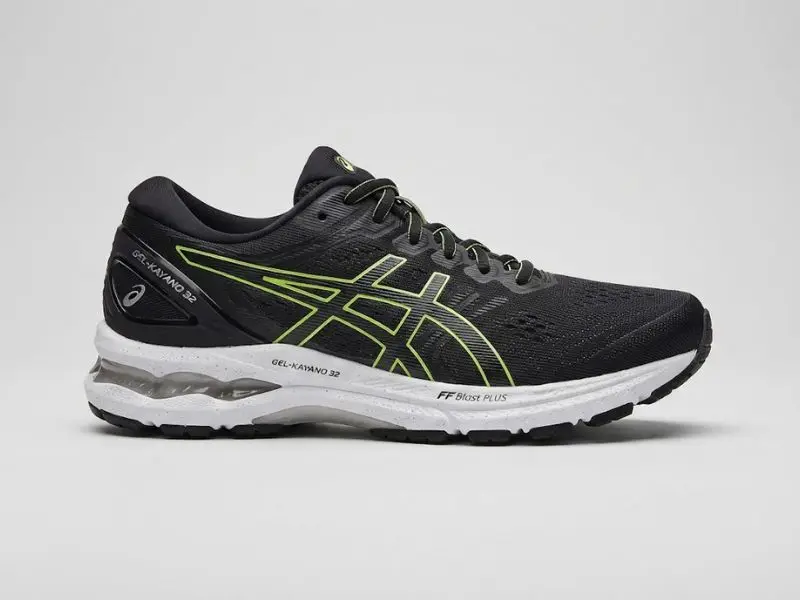
The ASICS GEL-KAYANO series is known for combining cushioning with stability-oriented features. The GEL-KAYANO 32 is worth considering if you want a shoe designed around supported movement.
A stability shoe may be useful for certain foot mechanics, but it should feel comfortable rather than force your feet into an unnatural position.
Try walking on a flat surface and check whether the shoe provides enough space around your toes.
Pros
- Cushioned stability design.
- Suitable for walking and running.
- Worth considering for people who prefer structured footwear.
Potential drawbacks
- May feel more structured than neutral shoes.
- Fit varies by foot shape.
- Not automatically suitable for every type of back pain.
Who should consider it?
People who prefer stability-oriented shoes may find the GEL-KAYANO 32 a useful option to compare.
5. New Balance Fresh Foam X 1080
Best for: People who prefer a soft, neutral cushioning experience.
The New Balance Fresh Foam X 1080 series is designed for cushioned comfort. It can be considered by people who want an everyday shoe for walking, travel, or general activity.
A neutral shoe may work well for someone who does not need additional motion control. The most important factor is whether the shoe fits comfortably and feels stable during movement.
Choose the best shoes for back pain with the right width, especially if you need extra room.
Pros
- Cushioned midsole.
- Available in different sizing options, depending on the version.
- Versatile for everyday use.
Potential drawbacks
- Cushioning preferences vary.
- Some users may prefer a firmer feel.
- Exact features differ between model versions.
Who should consider it?
Walkers who prefer neutral cushioning can compare the Fresh Foam X 1080 with other cushioned shoes before choosing a pair.
6. Brooks Glycerin GTS 23
Best for: People seeking cushioning with stability features.
The Brooks Glycerin GTS 23 combines the Glycerin family’s cushioning approach with a stability-oriented design.
It may be suitable for people who want a supportive-feeling shoe for everyday walking and standing. However, comfort depends on the interaction between the shoe and your foot shape.
Before purchasing, consider the amount of arch support, heel security, and room around the toes.
Pros
- Cushioned design.
- Stability-oriented features.
- Suitable for comparing support and comfort.
Potential drawbacks
- May not suit people who prefer neutral shoes.
- Can be more expensive than basic walking footwear.
- Fit should be assessed individually.
Who should consider it?
People looking for a combination of cushioning and stability can consider the Glycerin GTS 23 as one option.
7. HOKA Clifton 10
Best for: Everyday walkers who prefer cushioned but lighter-feeling footwear.
The HOKA Clifton 10 is another cushioned model to consider if you want a shoe for daily walking and regular activity.
Compared with some maximum-cushion shoes, people may prefer its overall feel and weight. However, shoe comfort is personal, and a lighter shoe is not necessarily better for every person.
Try the best shoes for back pain and walk naturally before deciding if they suit you.
Pros
- Cushioned construction.
- Suitable for everyday walking.
- Worth comparing with other HOKA models.
Potential drawbacks
- Fit may vary by foot shape.
- Cushioning may not meet everyone’s preferences.
- Not designed specifically to treat back pain.
Who should consider it?
People looking for a cushioned walking shoe can compare the Clifton 10 with the Bondi 9 and other neutral models.
8. ASICS GEL-NIMBUS 28
Best for: People who prefer plush cushioning.
The ASICS GEL-NIMBUS 28 is designed around cushioned comfort and can be considered for everyday walking and other low-impact activities.
If you spend long periods walking or standing, you may appreciate a shoe that feels comfortable throughout the day. Still, a comfortable shoe should not be expected to correct every cause of back pain.
Check the fit around the heel, midfoot, and toe box.
Pros
- Plush cushioning design.
- Suitable for people who prefer a soft feel.
- Can be compared with other neutral shoes.
Potential drawbacks
- May feel too soft for people who prefer firm footwear.
- Fit differs between individuals.
- Model specifications can vary by version.
Who should consider it?
Walkers who prefer plush cushioning can include the GEL-NIMBUS 28 in their footwear comparison.
9. New Balance 990v6
Best for: Everyday comfort and people who want to explore different width options.
The New Balance 990v6 is an everyday sneaker that may appeal to people looking for a balance between comfort, support, and casual styling.
It can be useful for errands, travel, and everyday walking. Unlike some specialized running shoes, its appearance may also work well for casual outfits.
Foot shape and sizing remain important. The best shoes for back pain may feel comfortable for one person but not another.
Pros
- Versatile everyday design.
- Worth considering for walking and casual use.
- New Balance offers different widths across selected models.
Potential drawbacks
- Premium pricing may be a consideration.
- May feel different from highly cushioned running shoes.
- Fit should be checked before extended walking.
Who should consider it?
People seeking a versatile everyday shoe can compare the 990v6 with cushioned walking and running models.
10. Brooks Addiction Walker 2
Best for: People looking for a more traditional walking shoe.
The Brooks Addiction Walker 2 is a walking-focused model that can be considered by people who prefer a structured shoe for everyday activities.
Some people may prefer its traditional walking-shoe design, especially when comfort and stability are priorities. However, the right choice depends on your foot shape, walking style, and preferences.
Check whether the best shoes for back pain feel comfortable on hard floors and provide enough toe room.
Pros
- Walking-focused design.
- Worth considering for structured footwear preferences.
- Suitable for everyday use.
Potential drawbacks
- May feel less lightweight than running shoes.
- Traditional design may not appeal to everyone.
- Fit and comfort should be checked individually.
Who should consider it?
People who prefer a traditional walking shoe can compare the Addiction Walker 2 with modern cushioned running shoes.
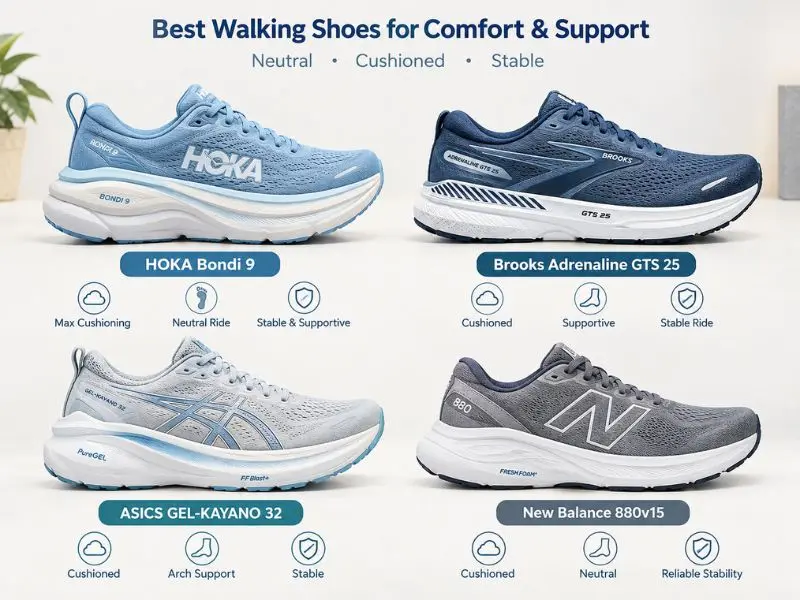
Comparison Table: Best Shoes for Back Pain
| Shoe | Best For | Cushioning | Support Type | Potential Drawback |
| HOKA Bondi 9 | Maximum cushioning | High | Neutral | May feel bulky |
| Brooks Ghost Max 3 | Everyday walking | High | Neutral | Fit varies |
| Brooks Adrenaline GTS 25 | Stability preferences | Moderate to high | Stability | May feel structured |
| ASICS GEL-KAYANO 32 | Cushioned stability | High | Stability | Not ideal for everyone |
| New Balance Fresh Foam X 1080 | Neutral comfort | High | Neutral | Softness preference varies |
| Brooks Glycerin GTS 23 | Cushioning + stability | High | Stability | May not suit neutral preferences |
| HOKA Clifton 10 | Cushioned walking | Moderate to high | Neutral | Fit varies |
| ASICS GEL-NIMBUS 28 | Plush cushioning | High | Neutral | May feel too soft |
| New Balance 990v6 | Everyday use | Moderate | Structured everyday design | Premium price |
| Brooks Addiction Walker 2 | Traditional walking | Moderate | Structured walking design | May feel less lightweight |
Note: The descriptions above are general product-positioning comparisons, not independent laboratory measurements or clinical rankings.
How Can Shoes Affect Back Comfort?
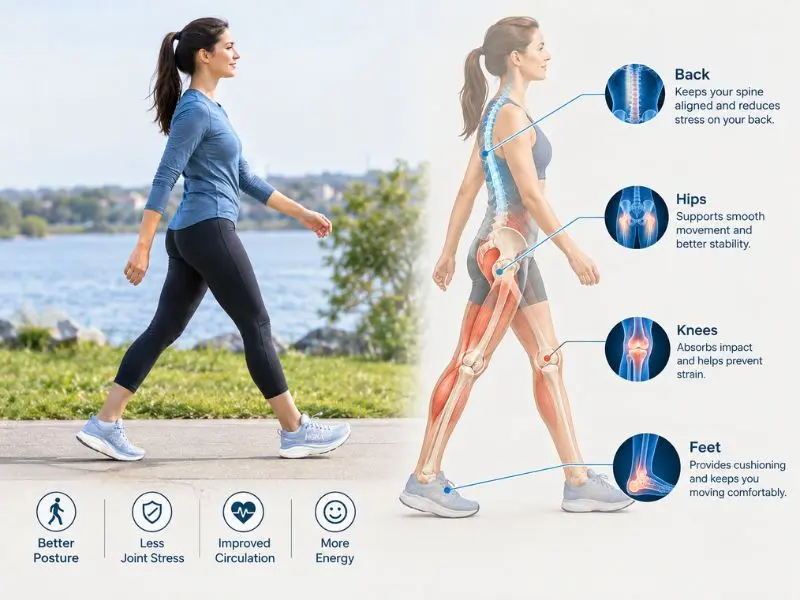
Your feet, ankles, knees, and hips work together during movement. Footwear can influence how comfortable walking feels, but the relationship between shoes and back pain is complex.
A shoe that fits poorly may cause discomfort in your feet or change how you walk. If you compensate for discomfort, your overall movement pattern may change.
However, back pain can have many causes, including muscle strain, spinal conditions, and other medical issues. Shoes alone cannot address every cause.
If back pain persists, worsens, or interferes with daily activities, consider consulting a qualified healthcare professional.
Tips for Choosing Shoes for Back Pain
Start With Your Walking Needs
Think about how you normally use your shoes. Do you walk outdoors, stand at work, exercise, or spend most of your day indoors?
A person who walks several miles daily may have different preferences from someone who needs comfortable shoes for occasional errands.
Choose a model based on your activities rather than relying only on its popularity.
Try Shoes Before Extended Use
Walk around in the shoes before wearing them for a full day.
Pay attention to pressure points, heel movement, toe room, and overall comfort. If the shoe causes pain or unusual pressure, consider a different size or model.
Replace Worn-Out Footwear
Shoes gradually change with use. Cushioning and support can deteriorate, even when the upper and outsole still look acceptable.
Inspect your shoes regularly for uneven wear, compressed cushioning, or reduced comfort. Replacement timing depends on the model, activity, body weight, and usage.
Consider Your Individual Foot Shape
People have different arch heights, widths, and movement patterns. A shoe that works well for one person may not suit someone else.
If you have a specific foot condition or ongoing pain, a healthcare professional can help determine whether you need particular footwear features or orthotic support.
Frequently Asked Questions
1. Can shoes help with back pain?
Comfortable footwear may improve walking comfort, but shoes cannot treat every cause of back pain.
2. Are cushioned shoes better for lower back pain?
Cushioning may improve comfort for some people, but the best level depends on individual needs.
3. Are stability shoes suitable for everyone?
No, stability shoes are most useful when their features match the wearer’s needs.
4. How often should I replace walking shoes?
Replace shoes when their cushioning, support, or fit deteriorates rather than relying only on a fixed mileage.
5. Should I see a doctor for persistent back pain?
Yes, persistent or worsening back pain should be assessed by a qualified healthcare professional.
Conclusion
The best shoes for back pain depend on your foot shape, walking habits, comfort preferences, and individual needs. Models such as the HOKA Bondi 9, Brooks Ghost Max 3, ASICS GEL-KAYANO 32, and New Balance Fresh Foam X 1080 offer different approaches to cushioning and support. Focus on proper fit, comfortable movement, and suitable footwear features rather than assuming one shoe will work for everyone. People with flat feet may also consider supportive insoles for added comfort.
