
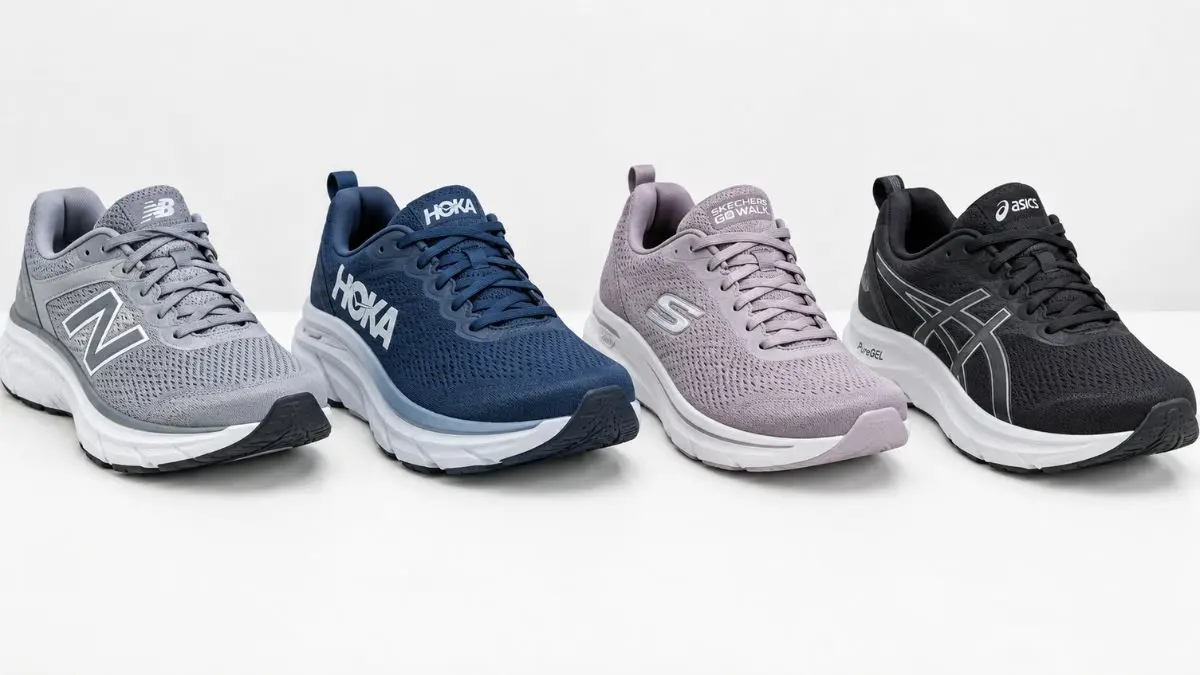
Finding comfortable footwear can be challenging when you have bunions. Shoes that feel too narrow or press against the side of your big toe may cause discomfort during walking and everyday activities. Older adults looking for comfortable footwear can also explore our guide to the best walking shoes for seniors.
The best shoes for bunions should provide enough room around the toes, a comfortable fit, and cushioning that matches your walking needs. However, every foot is different, so a shoe that works well for one person may not suit another.
In this guide, we explore 10 shoe options for people looking for bunion friendly footwear. We will cover their key features, advantages, limitations, and factors to consider before making a purchase.
What Are Bunions and How Do They Affect Your Feet?
A bunion is a structural change in the foot that creates a bump near the base of the big toe. It can affect how your shoes fit and may cause pressure, soreness, or irritation during walking.
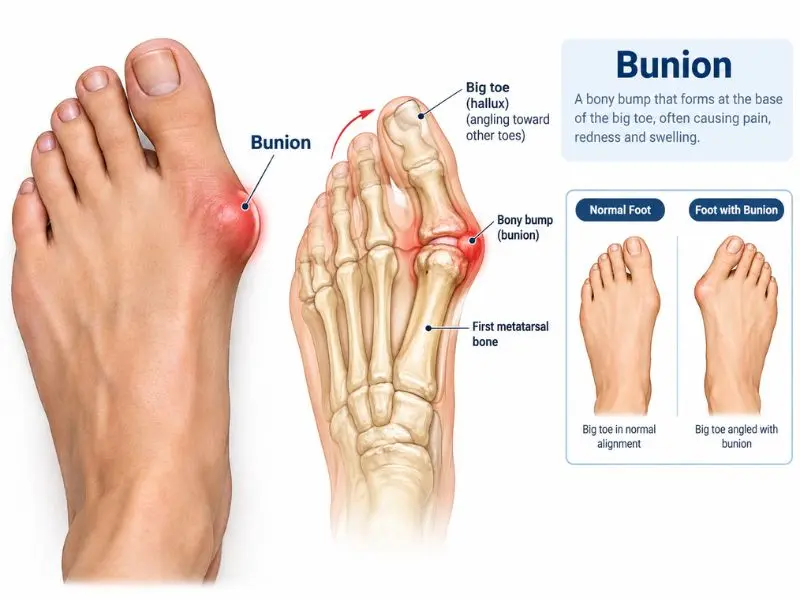
Bunions can make standard footwear uncomfortable, particularly when the front of the shoe presses against the affected area. Choosing a shoe with sufficient space may help reduce friction and pressure.
The best shoes for bunions can improve comfort but cannot correct the underlying bone alignment.
What to Look for in the Best Shoes for Bunions
Before buying a new pair, consider the following features:
1. Roomy Toe Box
A roomy toe box allows your toes to spread naturally without unnecessary compression. Look for shoes with a shape that accommodates the width and position of your toes.
2. Appropriate Shoe Width
Wide and extra-wide options may be helpful, but a wider shoe is not automatically a good fit. Check whether the actual toe area provides enough space for your bunion.
3. Soft Upper
A flexible or soft upper may reduce rubbing against the bunion. Choose the best shoes for bunions with soft materials and no pressure causing seams.
4. Comfortable Cushioning
Cushioning can improve underfoot comfort during walking and standing. Choose a level of cushioning that suits your activity and personal preferences.
5. Suitable Support
Some walkers prefer additional stability or arch support. The right choice depends on your foot shape, walking pattern, and comfort requirements.
The 10 Best Shoes for Bunions
Important: The selections below are research-based suggestions, not personal hands-on testing by FitnessWeightGuide.com. Product availability, fit, and prices may change. Check current manufacturer listings before purchasing.
1. Altra Torin 8
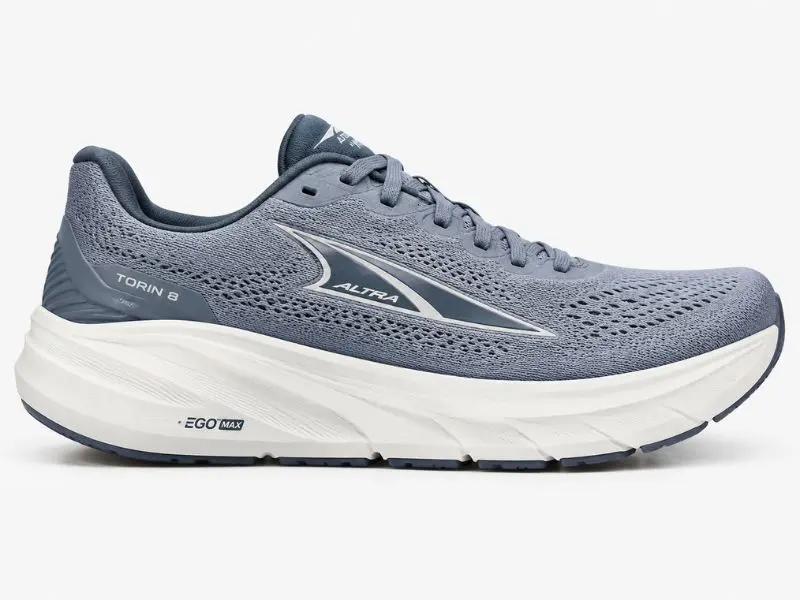
Best for: People who prefer a foot-shaped toe box.
The Altra Torin 8 is a running and walking shoe worth considering if toe space is a priority. Its FootShape design is intended to allow the toes to spread more naturally, while its cushioned construction is designed for everyday movement.
For people with bunions, the main potential benefit is the shape of the forefoot. However, the shoe’s overall fit should be checked carefully because a roomy toe box does not guarantee comfort for every bunion shape.
Pros:
- Foot-shaped toe box
- Suitable for walking and running
- Cushioned construction
Cons:
- Fit preferences vary
- Zero-drop designs may require gradual adaptation for some walkers
Who should consider it? People looking for a toe-friendly athletic shoe and who are comfortable with its geometry.
2. New Balance Fresh Foam X 1080
Best for: Everyday walking and cushioned comfort.
The New Balance Fresh Foam X 1080 series is an option for walkers who want a soft, cushioned feel. Selected versions are available in different widths, which can help people search for a more suitable fit.
When shopping, pay attention to the specific model and width available. Even the best shoes for bunions may feel tight around the bunion if the heel fits well.
Pros:
- Cushioning for everyday walking
- Multiple width options on selected versions
- Athletic design
Cons:
- Width availability varies by model
- Soft cushioning is not equally comfortable for everyone
Who should consider it? Walkers who want cushioning and need to explore different width options.
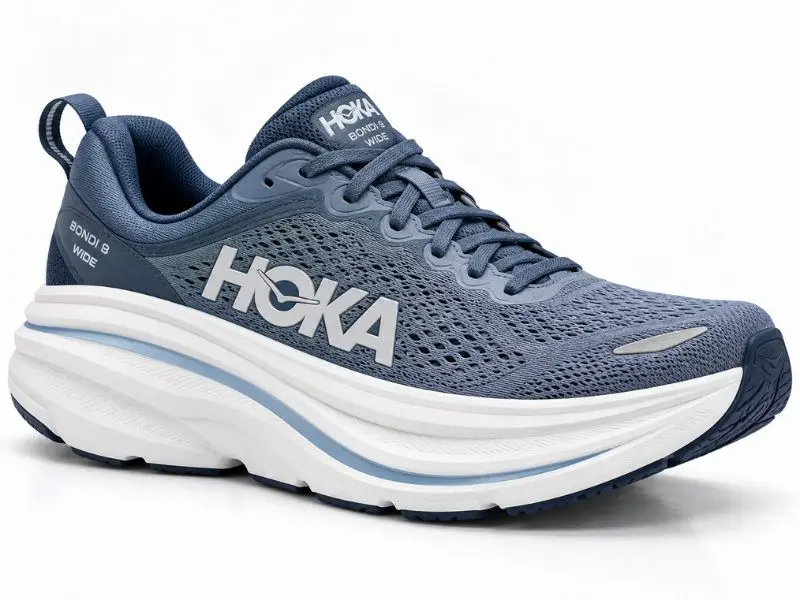
3. HOKA Bondi 9 Wide
Best for: People who prefer a highly cushioned walking shoe.
The HOKA Bondi 9 is designed with substantial cushioning and a rocker-style sole. Its wide version may be worth exploring for people who need additional room.
A wide version should still be tested for pressure around the bunion. Extra width in the midfoot does not necessarily mean that the toe box will suit your foot shape.
Pros:
- Substantial cushioning
- Designed for walking and everyday use
- Wide version available
Cons:
- Bulky appearance may not suit everyone
- Not every foot benefits from the same level of cushioning
Who should consider it? Walkers seeking a cushioned shoe who find a suitable fit in the wide version.
4. Brooks Ghost 18
Best for: Everyday walking and people comparing width options.
The Brooks Ghost 18 is a neutral running shoe that may appeal to walkers who prefer a conventional athletic-shoe design. Its published width options make it worth considering when comparing footwear for bunions.
A shoe with several width options can make fitting easier, but width alone is not enough. Check if the best shoes for bunions fit comfortably without rubbing.
Pros:
- Traditional athletic-shoe design
- Multiple width options
- Suitable for walking and other everyday activities
Cons:
- Toe-box shape may not suit every bunion
- Fit differs between foot shapes
Who should consider it? People who prefer a conventional cushioned sneaker and want to compare available widths.
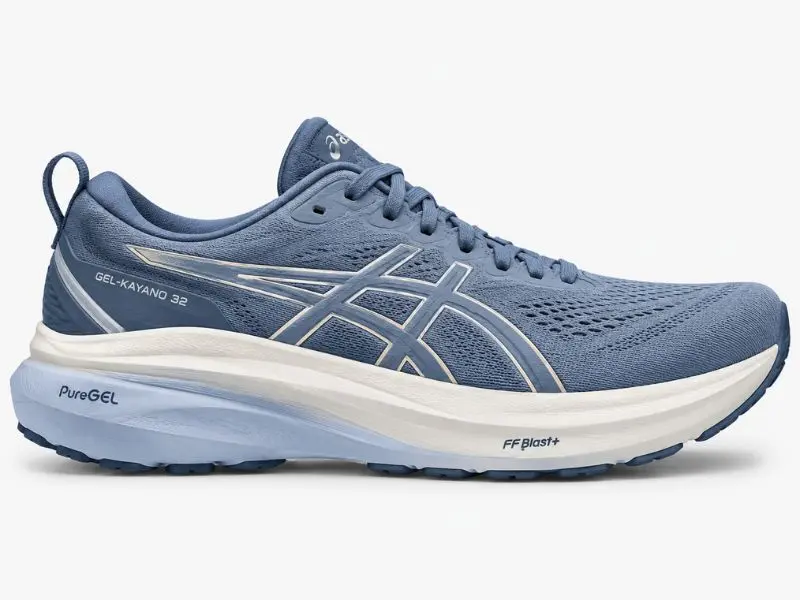
5. ASICS GEL-KAYANO 32
Best for: Walkers who want cushioning and stability features.
The ASICS GEL-KAYANO 32 is a stability-oriented running shoe. It may appeal to people who prefer additional guidance during movement, although the need for stability features depends on individual foot mechanics.
When choosing shoes for bunions, stability should not replace a comfortable toe area. A supportive shoe that presses against the bunion may still be unsuitable.
Pros:
- Stability-oriented design
- Cushioning
- Available in selected wider versions
Cons:
- May feel structured compared with flexible shoes
- Not every walker needs stability features
Who should consider it? Walkers who prefer a stability shoe and can find a comfortable forefoot fit.
6. Orthofeet Coral Stretch Knit
Best for: People looking for an accommodating upper.
Orthofeet Coral Stretch Knit is designed around comfort-focused footwear features. Its stretchable upper may appeal to people who find firm shoe materials uncomfortable around sensitive areas.
A stretchable upper can help accommodate certain foot shapes, but it does not guarantee that every bunion will be comfortable. Check the width, depth, and overall fit before buying.
Pros:
- Stretchable upper
- Comfort-focused design
- May suit people who prefer adjustable fitting features
Cons:
- Appearance may not suit all preferences
- Fit must be assessed individually
Who should consider it? People who prioritize an accommodating upper and want to explore comfort-oriented footwear.
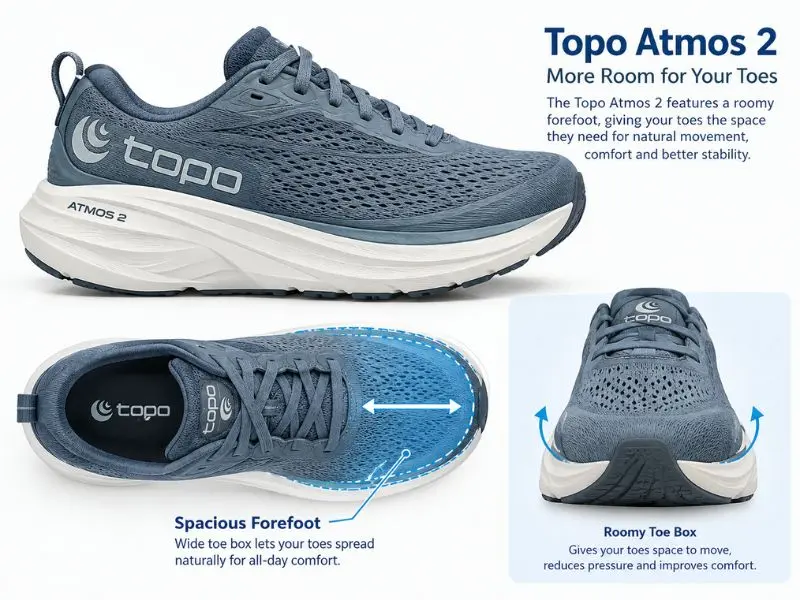
7. Topo Athletic Atmos 2
Best for: People who prefer a spacious toe area.
The Topo Athletic Atmos 2 is designed with a roomy forefoot and cushioning intended for running and walking activities. It may be worth considering for people who want space around their toes without automatically choosing a minimalist shoe.
The toe box should be checked in relation to the actual bunion location. Even the best shoes for bunions can cause pressure in certain areas.
Pros:
- Roomy forefoot design
- Cushioned construction
- Suitable for active users
Cons:
- Availability and fit vary
- May not suit people who prefer a narrower athletic shoe
Who should consider it? Walkers and active users who prioritize forefoot space.
8. New Balance 990v6
Best for: Everyday wear and people exploring wider widths.
The New Balance 990v6 is a lifestyle and athletic shoe option that may suit people looking for a structured everyday sneaker. New Balance offers various width options across its product range, so buyers should verify the available width for their selected version.
For bunions, the most important consideration is whether the shoe provides enough space without rubbing the affected area.
Pros:
- Everyday sneaker design
- Width options available in selected versions
- Suitable for casual use
Cons:
- Premium pricing may not suit every budget
- The fit should be checked carefully
Who should consider it? People looking for an everyday sneaker and willing to compare width options.
9. Skechers Arch Fit
Best for: People looking for everyday walking comfort.
Skechers Arch Fit shoes may appeal to walkers who prefer a comfort-focused design and cushioning. Selected models offer different fit features, so buyers should check the exact product listing.
If you have bunions, look for a model that provides enough space at the front and does not press against the bump. The best shoes for bunions should offer arch support and a comfortable fit. If you also experience back discomfort, explore our guide to the best shoes for back pain for additional footwear considerations.
Pros:
- Comfort-focused designs
- Available in different models
- Suitable for everyday activities
Cons:
- Toe-box space varies by model
- Arch support preferences differ
Who should consider it? Casual walkers who want to compare comfort-oriented shoes.
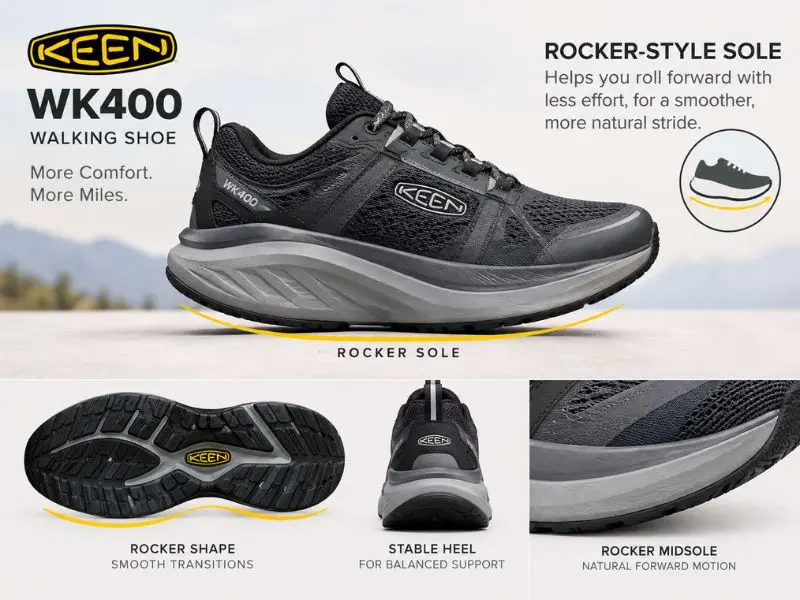
10. KEEN WK400
Best for: Walking and people interested in a rocker-style design.
The KEEN WK400 is a walking shoe with a rocker-style sole designed to support a rolling motion during walking. It is worth considering for people who want a dedicated walking shoe.
The shoe’s fit should be evaluated around the bunion, including its width and upper material. A rocker sole may feel different from a conventional walking shoe, so try it before committing to long walks.
Pros:
- Walking-focused design
- Rocker-style sole
- Suitable for people exploring different walking shoe constructions
Cons:
- Rocker geometry may not suit everyone
- Fit and comfort depend on individual needs
Who should consider it? Walkers who want to explore a rocker-style walking shoe with an appropriate fit.
Comparison Table
| Shoe | Best For | Toe Box / Width | Cushioning | Key Feature | Price Range |
| Altra Torin 8 | Foot-shaped toe box | FootShape design | Cushioned | Toe-friendly shape | Check current listing |
| New Balance 1080 | Everyday walking | Selected width options | Soft cushioning | Multiple fit options | Check current listing |
| HOKA Bondi 9 Wide | Maximum cushioning | Wide version available | High cushioning | Rocker-style sole | Check current listing |
| Brooks Ghost 18 | Everyday walking | Multiple widths | Cushioned | Conventional design | Check current listing |
| ASICS GEL-KAYANO 32 | Stability | Wide options | Cushioned | Stability features | Check current listing |
| Orthofeet Coral | Accommodating upper | Comfort-focused fit | Cushioned | Stretch knit upper | Check current listing |
| Topo Atmos 2 | Roomy forefoot | Spacious toe area | Cushioned | Wide toe box | Check current listing |
| New Balance 990v6 | Everyday wear | Width options vary | Cushioned | Structured sneaker | Check current listing |
| Skechers Arch Fit | Casual walking | Model-dependent | Comfort-focused | Arch support | Check current listing |
| KEEN WK400 | Walking | Check model specifications | Cushioned | Rocker-style sole | Check current listing |
Always verify current product specifications and pricing through the manufacturer’s website or an authorized retailer.
How to Choose the Right Shoes for Bunions
Choosing the best shoes for bunions starts with understanding your foot shape and identifying where the shoe creates pressure.
Measure Your Feet
Measure both feet, preferably later in the day when your feet may be slightly larger. Use the larger foot as a reference when selecting a size.
Check Toe-Box Space
Your toes should have enough room to move naturally. The best shoes for bunions should not press against your bunion or force your big toe into an uncomfortable position.
Consider Width and Depth
Some people need more width, while others may need additional depth or a stretchable upper. Try different models rather than assuming one width specification will work for everyone.
Walk Before Buying
If possible, walk around while wearing the shoes. Pay attention to rubbing, pressure, slipping, and discomfort.
Consider Professional Advice
If you experience persistent pain, swelling, numbness, or difficulty walking, consult a qualified healthcare professional or podiatrist.
Common Mistakes to Avoid
Choosing Shoes That Are Too Narrow
Narrow footwear can create pressure around the bunion. Choose a design that accommodates your actual foot shape.
Buying Only for Appearance
A shoe may look attractive but still feel uncomfortable. Prioritize fit and comfort for everyday use.
Ignoring Discomfort
Do not assume that painful pressure will always disappear after wearing the shoes longer. Reassess the fit and consider another option.
Choosing the Wrong Size
A shoe that is too short or too narrow can create unnecessary pressure. Check sizing information and width availability.
Assuming Every Wide Shoe Is Bunion-Friendly
The word “wide” does not guarantee the right toe-box shape. Look at the entire forefoot and how it fits your bunion.
Frequently Asked Questions
1. What type of shoes are best for bunions?
Shoes with adequate toe-box space, a comfortable upper, and a suitable fit may help reduce pressure around bunions.
2. Are wide shoes better for people with bunions?
Wide shoes may provide more room, but the best choice depends on the shoe’s shape and your individual foot.
3. Can walking shoes help reduce bunion discomfort?
Comfortable walking shoes may reduce pressure and irritation, although they do not correct the underlying bunion deformity.
4. Should shoes for bunions have a wide toe box?
A roomy toe box can help reduce crowding and pressure, provided its shape suits your foot.
5. When should someone see a foot specialist for bunions?
Consult a foot specialist if bunion pain persists, interferes with walking, or is accompanied by other concerning symptoms.
Conclusion
The best shoes for bunions should offer a comfortable fit, sufficient toe-box space, and features that match your walking needs. Options such as Altra, New Balance, HOKA, Brooks, and other brands offer different designs to explore.
Before buying, focus on your foot shape, available width options, and how the shoe feels when walking. Choosing footwear that reduces pressure and supports comfort can help make everyday activities more manageable. If you prefer open footwear, explore our guide to the best walking sandals for comfortable options.