

Losing weight is not only about eating less. Many people cut calories but still struggle with hunger, cravings, low energy, or slow progress. This is where understanding macros for weight loss can make a big difference.
Macros help you control what your calories are made of—protein, carbohydrates, and fats. When balanced correctly, macros can support fat loss, improve fullness, and help preserve muscle while losing weight.
What Are Macros for Weight Loss?
Macros, short for macronutrients, are the three nutrients your body needs in large amounts to function properly:
- Protein
- Carbohydrates
- Fats
The foods you eat usually contain a mix of one or more of these macros.
Each macro provides calories:
- Protein = 4 calories per gram
- Carbs = 4 calories per gram
- Fat = 9 calories per gram
When people talk about macros for weight loss, they mean adjusting these nutrients in a way that helps reduce body fat while keeping the body healthy and energized.
Why Macros Matter More Than Calories Alone
Calories matter for weight loss because you must burn more energy than you eat. This is called a calorie deficit.
However, not all calories affect your body the same way.
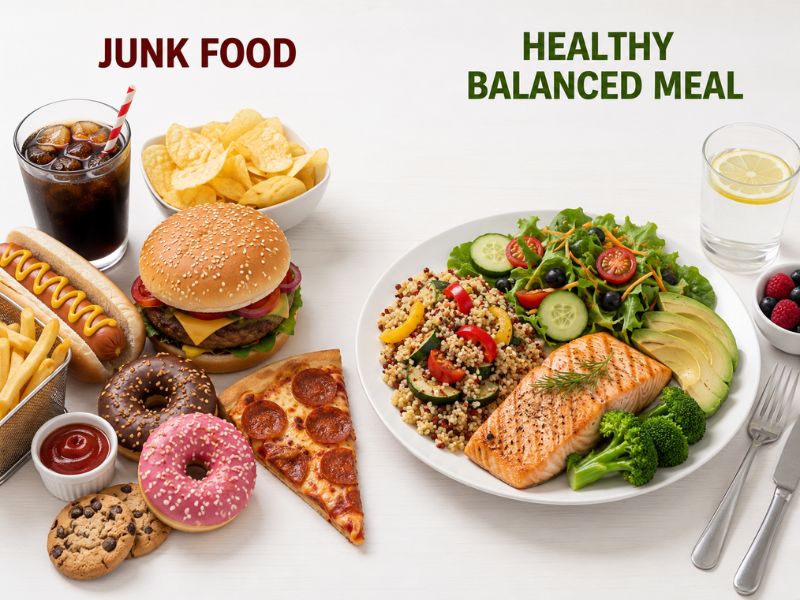
For example, 400 calories from sugary snacks may leave you hungry quickly. On the other hand, 400 calories from lean protein, vegetables, and healthy fats can keep you full for hours.
That is why tracking macros for weight loss often works better than counting calories alone.
Benefits include:
- Better hunger control
- More stable energy
- Reduced cravings
- Improved muscle retention
- Better workout recovery
The 3 Main Macros Explained
Protein
When it comes to fat loss, protein is often the most valuable macro.
It helps:
- Build muscle
- Repair tissues
- Boost satiety
- Increase calorie burn through digestion
High-protein diets often make weight loss easier because protein keeps you full longer.
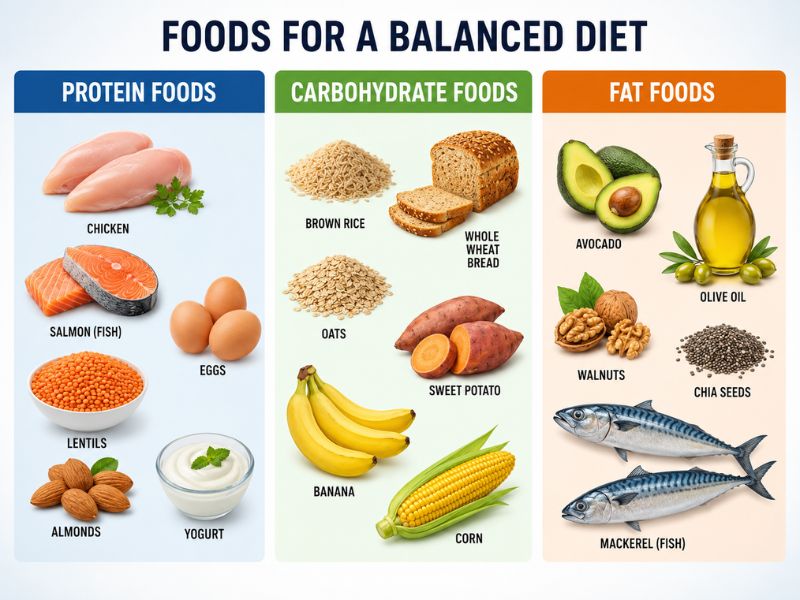
Common protein foods:
- Chicken breast
- Eggs
- Fish
- Greek yogurt
- Cottage cheese
- Whey protein
- Lentils
Carbohydrates
Carbs are the body’s main energy source.
Many people fear carbs, but carbs are not the enemy. The type and amount matter more.
Healthy carb sources include:
- Oats
- Brown rice
- Sweet potatoes
- Fruits
- Beans
- Whole grains
Good carbs fuel workouts and daily activity.
Fats
Dietary fat supports hormones, brain function, and vitamin absorption.
Healthy fats include:
- Avocados
- Nuts
- Seeds
- Olive oil
- Fatty fish
- Peanut butter
Fat is calorie-dense, so portion control matters.
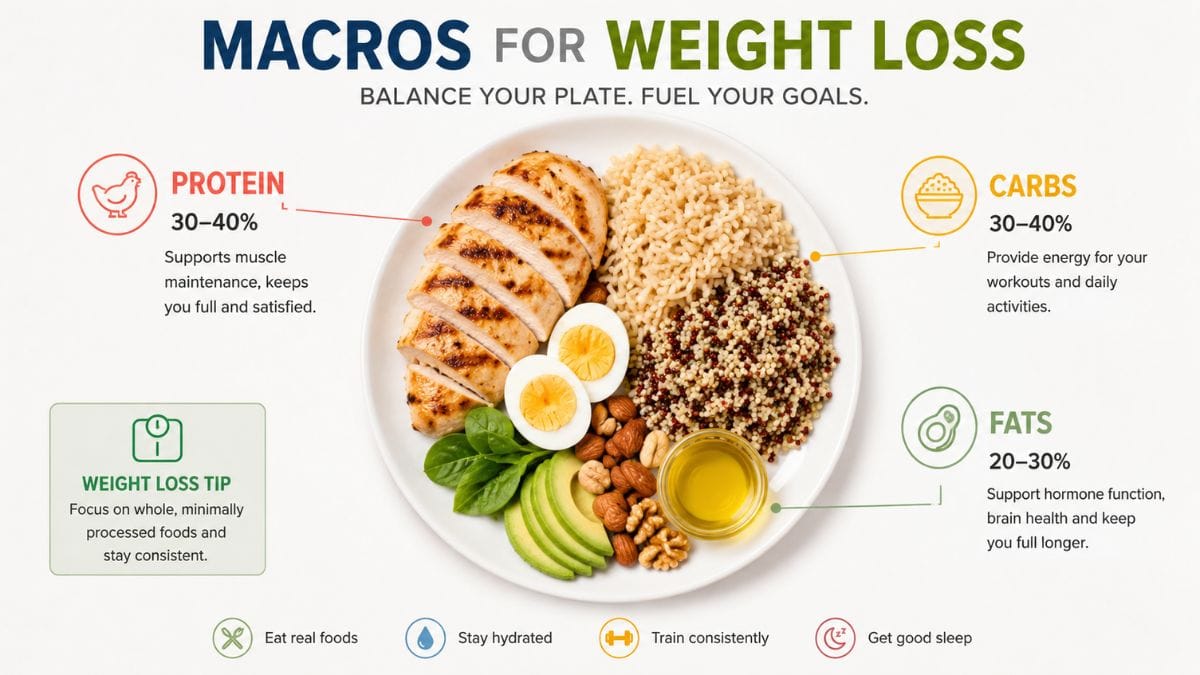
Best Macro Ratio for Weight Loss
There is no single perfect ratio for everyone. Your ideal macros for weight loss depend on age, activity level, body weight, and goals.
A balanced starting point looks like this:
- Protein: 30–40%
- Carbs: 30–40%
- Fat: 20–30%
Many fat-loss diets succeed within this range.
Difference Table: Macro Comparison for Weight Loss
| Macro | Calories Per Gram | Main Benefit | Best For |
| Protein | 4 | Muscle retention, fullness | Fat loss |
| Carbs | 4 | Energy, performance | Exercise |
| Fat | 9 | Hormones, satiety | Balanced nutrition |
Protein usually deserves the highest focus when planning macros for weight loss.
How to Calculate Macros for Weight Loss
Follow these steps.
Step 1 — Calculate Daily Calories
First, estimate maintenance calories.
Example:
A person maintains weight at 2200 calories daily.
For fat loss, create a deficit.
Example deficit:
2200 − 500 = 1700 calories
Now fat loss can begin.
Step 2 — Set Protein
Protein target:
0.7–1 gram per pound of body weight
Example:
150-pound person = 120–150g protein
If aiming for 140g protein:
140 × 4 = 560 calories from protein
Step 3 — Set Fat
Fat target:
20–30% of calories
Example:
25% of 1700 = 425 calories
425 ÷ 9 = 47g fat
Step 4 — Fill Remaining Calories With Carbs
Remaining calories:
1700 − 560 − 425 = 715
715 ÷ 4 = 179g carbs
Final macro split:
- Protein: 140g
- Fat: 47g
- Carbs: 179g
This is a practical example of macros for weight loss.
High Protein Macros for Weight Loss
High-protein macro plans are popular because they support fat loss without excessive hunger.
Benefits include:
- Reduced appetite
- Less muscle loss
- Better recovery
- Improved body composition
Example high-protein split:
- Protein: 40%
- Carbs: 35%
- Fat: 25%
This approach works well for active individuals.
Low Carb Macros for Weight Loss
Some people prefer lower carb intake.
Example low-carb split:
- Protein: 35%
- Carbs: 25%
- Fat: 40%
This may help people who experience frequent cravings or blood sugar swings.
Potential benefits:
- Better appetite control
- Lower sugar cravings
- Easier calorie control
However, very low carbs may reduce workout performance.
Common Mistakes When Tracking Macros
Many beginners make avoidable mistakes.
Eating Too Little Protein
Low protein often causes hunger and muscle loss.
Make protein a daily priority.
Ignoring Liquid Calories
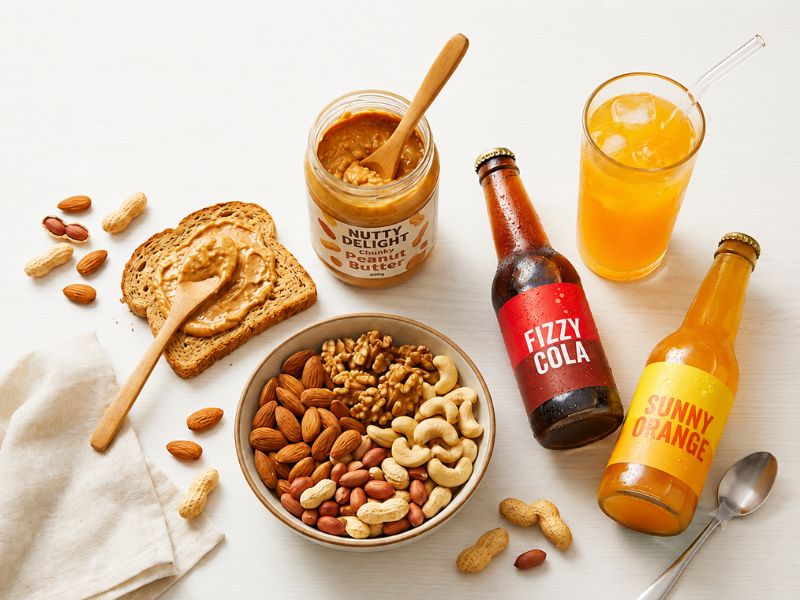
Sugary coffee, soda, and juices add calories fast.
Track drinks too.
Overeating Healthy Foods
Healthy foods still contain calories.
Even healthy foods like nuts, peanut butter, and oils can be over-eaten easily.
Expecting Fast Results
Fat loss takes time.
A slow steady pace is usually better than extreme dieting.
Best Foods for Macros for Weight Loss
Choose nutrient-dense foods most of the time.
Protein Sources
- Chicken
- Turkey
- Tuna
- Eggs
- Tofu
- Yogurt
Carb Sources
- Rice
- Oats
- Potatoes
- Fruit
- Beans
Fat Sources
- Nuts
- Seeds
- Olive oil
- Avocado
- Salmon
These foods make tracking macros for weight loss easier.
Sample Meal Plan Based on Macros
Here is a simple daily example.
Breakfast
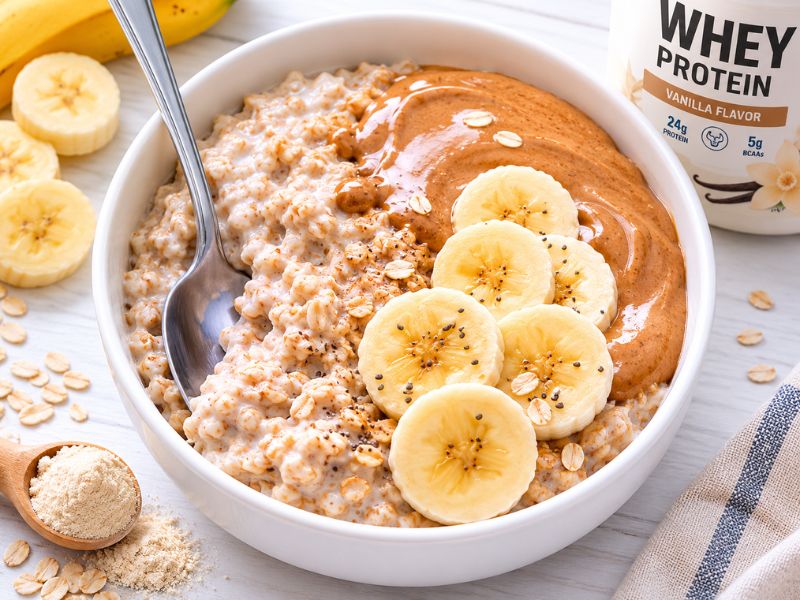
- Oatmeal
- Whey protein
- Banana
- Peanut butter
Lunch
- Grilled chicken
- Rice
- Vegetables
- Olive oil
Snack
- Greek yogurt
- Berries
Dinner
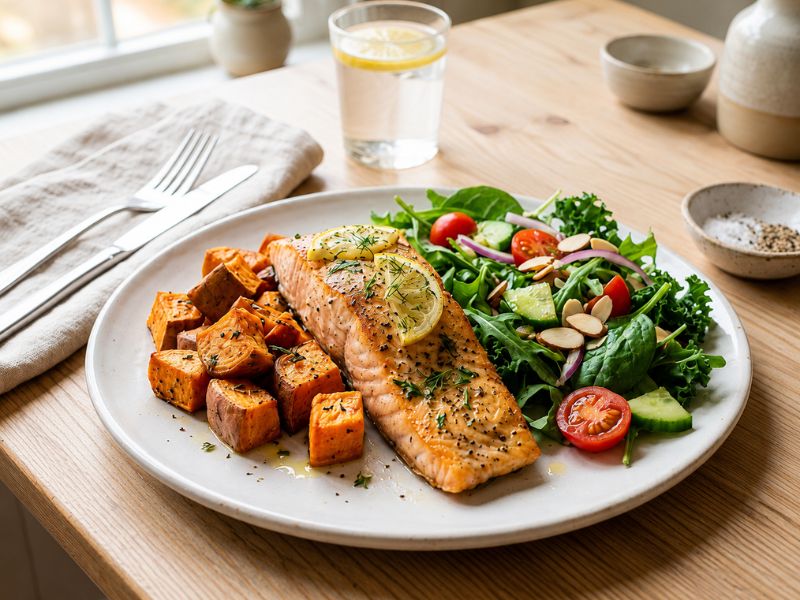
- Salmon
- Sweet potato
- Salad
Evening Snack
- Cottage cheese
Balanced meals improve adherence.
Do You Need to Track Macros Forever?
No.
Tracking is a tool, not a life sentence.
Many people track for a few months to learn portion sizes and eating habits. After that, they can eat intuitively while maintaining results.
Macro tracking is useful for education and awareness.
Tips to Make Macro Tracking Easier
Use these practical tips:
- Meal prep weekly
- Use a food scale
- Track meals early
- Repeat simple meals
- Prioritize protein first
Consistency matters more than perfection.
FAQs
What are the best macros for weight loss?
A higher-protein macro split usually works best for most people.
Should I cut carbs to lose weight?
No, you can lose weight with carbs if calories stay controlled.
How much protein do I need?
Most people benefit from 0.7–1 gram per pound of body weight.
Are fats bad for fat loss?
No, healthy fats support hormones and satiety.
Do macros matter more than calories?
Calories drive weight loss, but macros affect hunger and body composition.
Conclusion
Understanding macros for weight loss can make dieting simpler and more effective because the right balance of protein, carbs, and fats helps control hunger, preserve muscle, and support steady fat loss. Start with a realistic macro plan, stay consistent, and adjust based on your progress.
