

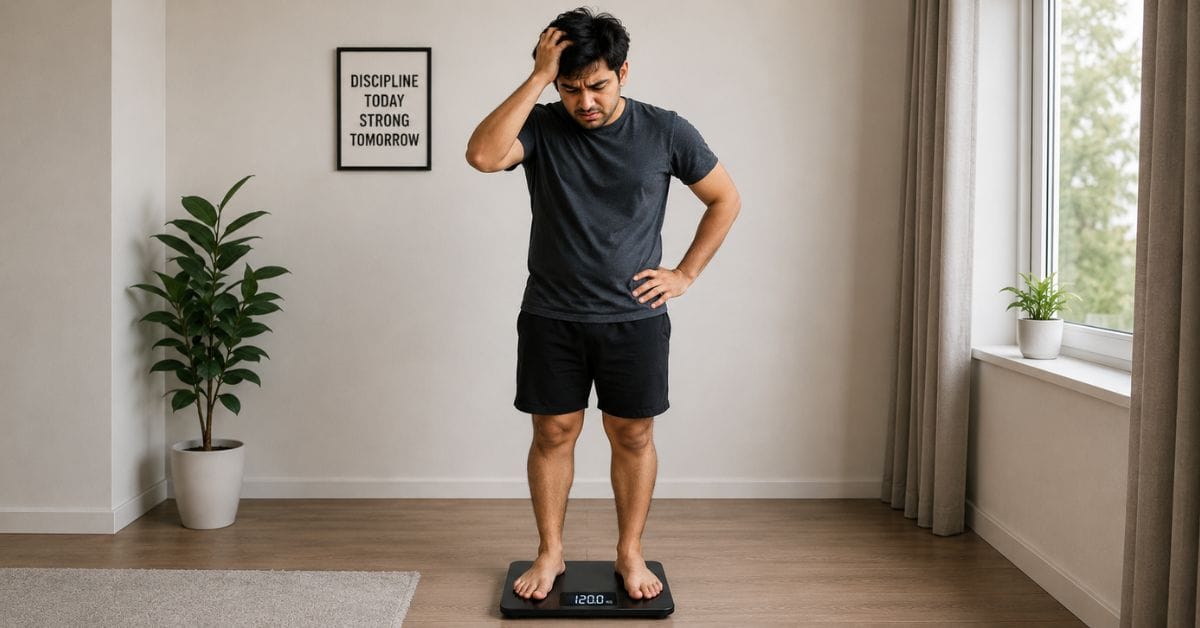
You start a weight loss journey with excitement. In the beginning, the number on the scale drops, your clothes fit better, and progress feels motivating. Then suddenly, everything slows down. Even after eating carefully and exercising regularly, the scale refuses to move.
This stage is called a weight loss plateau. It happens when your body stops losing weight despite following the same routine. A weight loss plateau can feel frustrating, but it is a common part of the fat loss journey and can often be overcome with the right adjustments.
What Is a Weight Loss Plateau?
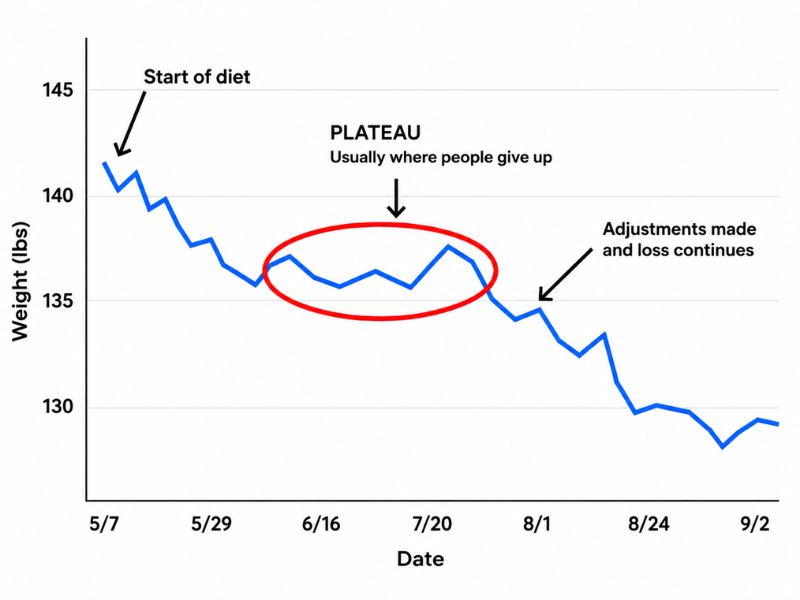
A weight loss plateau happens when your weight remains unchanged for several weeks even though you are still trying to lose weight. During the early phase of weight loss, the body often loses water weight along with stored glycogen. This causes faster progress.
Over time, your metabolism adapts. As body weight decreases, the number of calories your body burns daily also becomes lower. This makes continued weight loss more difficult unless changes are made.
In simple words, a plateau means your calorie intake and calorie burn have reached balance.
Common Causes of Weight Loss Plateau

Many factors can cause a weight loss plateau. Understanding them helps you find the right solution.
1. Lower Metabolism
When you weigh less, your body needs fewer calories for daily functions such as breathing, walking, and digestion. This natural adaptation slows fat loss.
2. Eating More Than You Realize
Many people underestimate calories from:
- Snacks
- Sauces
- Sugary drinks
- Cheat meals
Even small extra calories can stop progress.
3. Loss of Muscle Mass
If weight loss happens too quickly or protein intake is low, muscle mass may decrease. Less muscle means fewer calories burned at rest.
4. Repetitive Exercise Routine
Doing the same workout repeatedly allows the body to adapt. As efficiency improves, fewer calories are burned.
5. Poor Sleep and High Stress
Lack of sleep and chronic stress can increase hunger hormones and cravings, making weight control harder.
Signs You Have Hit a Plateau
Not every slow week means a plateau. Here are common signs:
- Weight has not changed for 3–4 weeks
- Body measurements remain the same
- Fat loss appears stalled
- Energy levels feel lower
- Motivation begins dropping
If these signs continue, you may be dealing with a real weight loss plateau.
How Long Does a Plateau Last?
There is no fixed timeline. A plateau may last:
- A few weeks
- One month
- Several months
Its duration depends on diet, activity, sleep, stress, and metabolism. For many people, small routine changes help restart progress quickly.
Comparison Table: Normal Weight Loss vs Weight Loss Plateau
| Factor | Normal Weight Loss | Weight Loss Plateau |
| Scale Progress | Weight decreases regularly | Weight stays the same |
| Fat Loss | Continues steadily | Fat loss slows or stops |
| Motivation | Usually high | Often drops |
| Needed Action | Continue routine | Adjust diet or exercise |
How to Break a Weight Loss Plateau
Breaking a weight loss plateau often requires small but smart adjustments.
Recalculate Your Calories
Your old calorie target may no longer work. As body weight decreases, calorie needs also drop.
Increase Protein Intake
Protein helps:
- Preserve muscle
- Improve fullness
- Support recovery
Higher protein can help reduce hunger naturally.
Track Food Honestly
Use a food journal or calorie tracker for a few days. Hidden calories often explain why people stop losing weight.
Diet Mistakes That Slow Progress
Sometimes the problem is not effort but small diet mistakes that are easy to miss.
Skipping Meals
Many people think eating less always leads to faster weight loss. In reality, skipping meals can increase hunger later and lead to overeating.
Not Drinking Enough Water
Water supports digestion and may help control hunger. Sometimes thirst is confused with hunger.
Too Many “Healthy” Snacks
Healthy foods can still contain many calories. Nuts, smoothies, granola, and protein bars are good examples.
Weekend Overeating
Some people stay strict during weekdays but eat too much on weekends. This can cancel the calorie deficit created during the week.
Exercise Strategies to Overcome Plateau

Exercise changes can help break a weight loss plateau.
Increase Daily Movement
Exercise is important, but daily movement matters too. Walking more, taking stairs, and reducing sitting time can increase calorie burn.
Add Strength Training
Strength training helps build and preserve muscle. More muscle can improve metabolism over time.
Helpful exercises include:
- Squats
- Push-ups
- Deadlifts
- Resistance band workouts
Try Interval Training
High-intensity interval training (HIIT) combines short intense activity with rest periods. This can improve calorie burn in less time.
Importance of Sleep and Stress Management
Sleep and stress are often ignored during fat loss.
Poor sleep can affect hormones linked to hunger and fullness. When sleep decreases, cravings for sugary and high-calorie foods often increase.
Stress also matters. High stress raises cortisol, a hormone that may increase appetite and make fat loss harder.
Ways to improve recovery:
- Sleep 7–9 hours daily
- Reduce screen time before bed
- Practice deep breathing
- Take short breaks during work
Better recovery often improves weight loss results.
Expert Tips for Continued Fat Loss

Here are practical strategies experts often recommend to overcome a weight loss plateau:
- Be patient and focus on long-term progress
- Track measurements, not just scale weight
- Increase protein and fiber intake
- Change workout intensity regularly
- Stay consistent instead of chasing quick results
Remember, weight loss is rarely linear. Small fluctuations are normal.
FAQs
Can a weight loss plateau happen to everyone?
Yes, most people experience a plateau during long term weight loss.
How long does a weight loss plateau last?
It can last from a few weeks to several months.
Should I eat less during a plateau?
Sometimes small calorie adjustments help, but extreme restriction is not recommended.
Can exercise break a plateau?
Yes, changing workout intensity or adding strength training often helps.
Is a plateau a bad sign?
No, it is a normal part of many weight loss journeys.
Conclusion
A weight loss plateau can feel frustrating, but it does not mean failure. It usually signals that your body has adapted and needs a new challenge. By adjusting calories, improving workouts, managing stress, and staying consistent, you can restart progress and continue moving toward your goals.
