

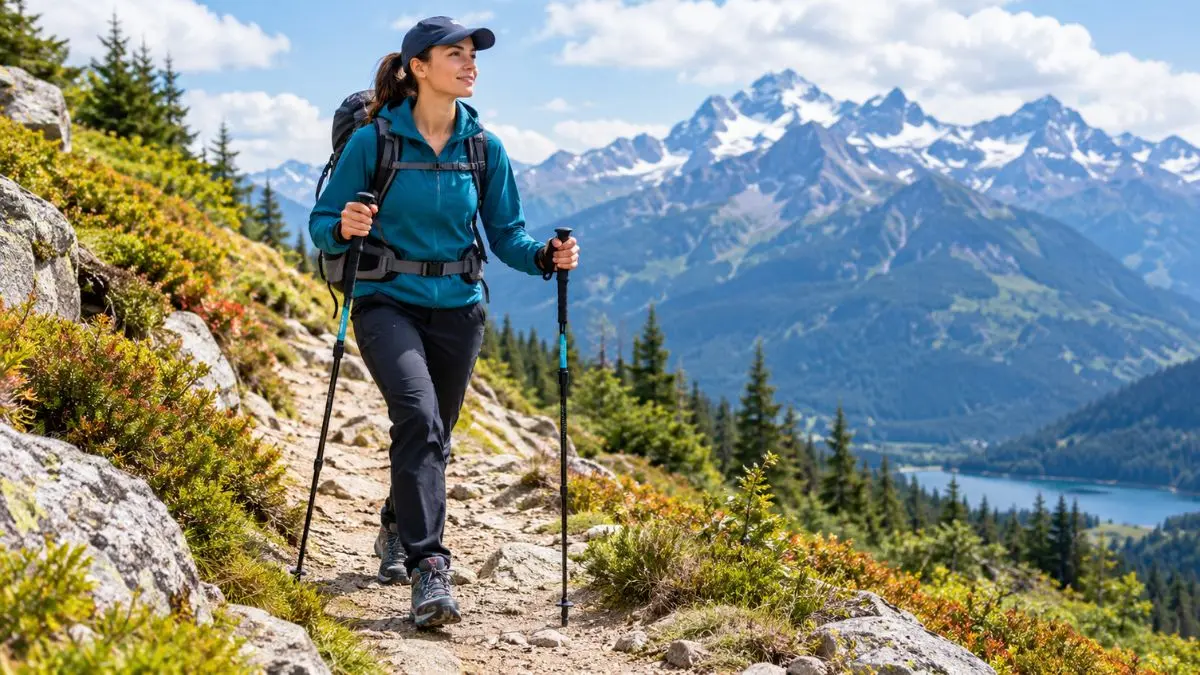
Trekking poles can make hiking feel more stable, especially on steep climbs, rocky paths, and uneven ground. They give you extra points of contact with the trail and can help you maintain balance when the surface changes. For additional foot support, you can also consider support for flat feet.
The best trekking poles should feel comfortable in your hands, stay secure when adjusted, and match the type of hiking you normally do. Weight, grip material, locking systems, packability, and durability can all affect your experience on the trail.
We looked at the features that matter most to hikers and backpackers to narrow down 12 strong options for 2026. Whether you need lightweight poles for long-distance hiking or a durable pair for demanding terrain, this guide can help you choose a suitable option.
How We Chose the Best Trekking Poles
A good trekking pole needs to do more than simply support your weight. It should be comfortable to hold, easy to adjust, and reliable when you are moving over changing terrain.
We considered several important factors when comparing these poles, including overall weight, construction materials, grip comfort, adjustment range, locking systems, packability, durability, and intended use.
We also looked at how different designs may suit different hikers. A lightweight carbon-fiber pole can be attractive for long-distance backpacking, while an aluminum model may appeal to hikers who prioritize durability and value.
The 12 Best Trekking Poles of 2026
1. Black Diamond Alpine Carbon Cork
The Black Diamond Alpine Carbon Cork is a strong all-around option for hikers who want a combination of low weight, comfort, and dependable construction. Its carbon-fiber shafts help reduce weight, while the cork grips are designed to feel comfortable during longer outings.
The grip can be particularly appealing on warm hikes because cork naturally handles moisture well. The adjustable design makes these best trekking poles easy to customize for different trails.
Best for: Long-distance hiking and backpacking
Pros: Lightweight construction, comfortable cork grips, adjustable design
Cons: Premium pricing and carbon construction may not appeal to every budget
2. Leki Makalu Lite
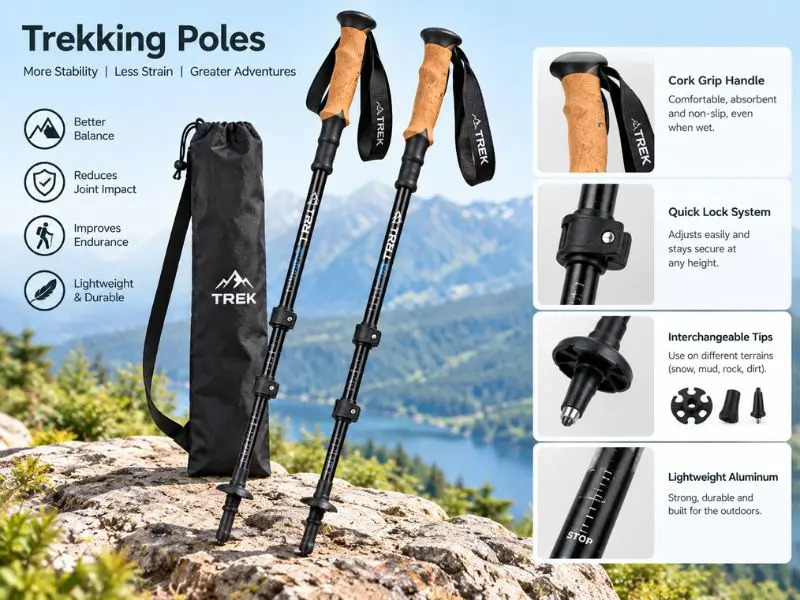
The Leki Makalu Lite is designed for hikers who want a relatively lightweight pole without giving up useful adjustment and grip features. It offers a practical balance between trail performance and portability.
Its design works well for general hiking, especially when you want a reliable pair for regular weekend trips. The adjustable shaft also allows hikers to customize the length according to terrain.
Best for: General hiking
Pros: Lightweight feel, adjustable length, comfortable handling
Cons: Not the most compact choice for every backpack
3. Black Diamond Trail Cork
The Black Diamond Trail Cork is a versatile choice for hikers who value comfortable grips and a straightforward adjustment system. Its cork handles are particularly useful for people who spend several hours on the trail.
The aluminum construction provides a durable feel, making this model suitable for everyday hiking and more demanding routes. It is also a practical option for hikers who prefer durability over the lowest possible weight.
Best for: Everyday hiking
Pros: Comfortable cork grips, durable construction, versatile design
Cons: Heavier than some carbon alternatives
4. Leki Legacy FX TA
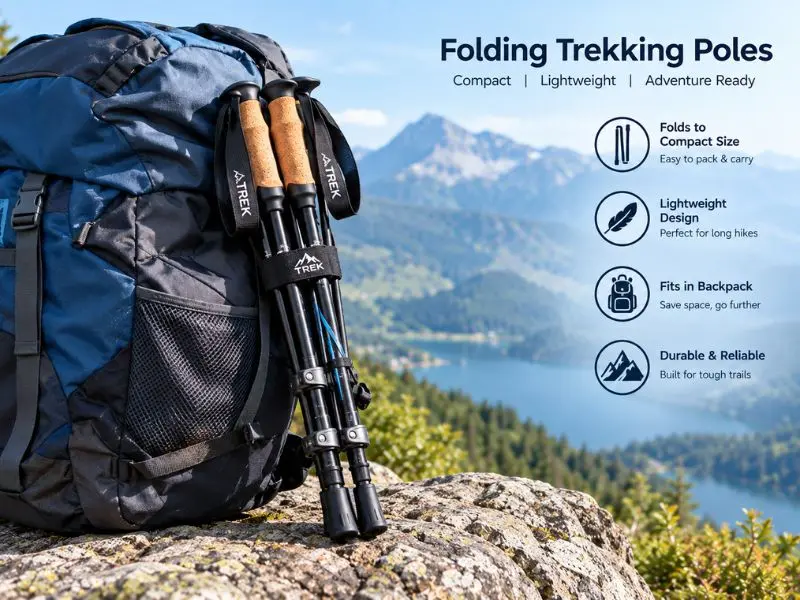
The Leki Legacy FX TA combines a folding design with adjustable sections, making it useful for hikers who care about packability. When you are not using the poles, the compact design makes these best trekking poles easier to carry.
The combination of portability and adjustability makes it suitable for travelers and backpackers who do not want full-length poles taking up too much space.
Best for: Travel and backpacking
Pros: Compact folding design, adjustable, easy to pack
Cons: Folding systems can require more attention than simple telescoping poles
5. Black Diamond Pursuit
The Black Diamond Pursuit is designed with long days on the trail in mind. Its comfortable grip and ergonomic design can make a noticeable difference when your hands stay on the poles for hours.
The pole is a good match for hikers who want a comfortable, supportive setup for day hikes and backpacking trips. Its construction also provides a stable feel when navigating uneven terrain.
Best for: Long day hikes
Pros: Comfortable grip, supportive design, good trail versatility
Cons: May be more than casual hikers need
6. Leki Cressida FX Carbon
The Leki Cressida FX Carbon is especially interesting for hikers who want a lightweight folding pole with a grip designed around hand comfort. Its carbon construction helps keep weight down, while the folding design improves portability.
It is one of the best trekking poles for long-distance hiking, travel, and backpacking.
Best for: Lightweight hiking
Pros: Lightweight carbon construction, compact folding design, ergonomic grip
Cons: Premium design comes at a higher cost
7. Black Diamond Distance Carbon Z
The Black Diamond Distance Carbon Z focuses heavily on low weight and compact storage. Its folding construction allows it to collapse into a smaller package than many traditional telescoping poles.
This can be especially useful for trail runners, fast hikers, and backpackers who want poles that can be stored quickly when they are not needed.
Best for: Fast hiking and lightweight travel
Pros: Very packable design, lightweight construction, quick deployment
Cons: Less adjustment flexibility than some traditional trekking poles
8. Leki Makalu FX Carbon
The Leki Makalu FX Carbon combines carbon construction with a folding system and adjustable design. This gives hikers a useful balance between portability and customization.
It is worth considering if you regularly switch between steep climbs and flatter sections where different pole lengths may feel more comfortable.
Best for: Backpacking and varied terrain
Pros: Lightweight design, folding construction, adjustable length
Cons: Higher price than basic aluminum poles
9. Black Diamond Trail Back
The Black Diamond Trail Back is a practical choice for hikers who want a durable and relatively straightforward trekking pole. Aluminum construction gives it a solid feel and can make it suitable for frequent trail use.
It is one of the best trekking poles for beginners seeking useful features without an ultralight design.
Best for: Beginners and regular hikers
Pros: Durable aluminum construction, straightforward design, dependable feel
Cons: Heavier than ultralight carbon models
10. Leki Khumbu Lite
The Leki Khumbu Lite provides a balanced option for hikers who want reliable support without moving to an extremely heavy design. Its adjustable construction makes it suitable for different trail conditions.
It can work well for general hiking, day trips, and moderate backpacking adventures where portability is useful but ultralight equipment is not essential.
Best for: Day hiking and moderate backpacking
Pros: Balanced weight, adjustable design, versatile use
Cons: Not as compact as some folding models
11. Black Diamond Distance Z
The Black Diamond Distance Z is built around a compact folding design. Its ability to collapse into a small package makes it attractive to hikers who need to store poles inside or outside a backpack.
This design can also work well for people who alternate between walking with poles and carrying them. The reduced pack size makes transportation easier.
Best for: Compact storage and fast-paced hiking
Pros: Small packed size, lightweight feel, easy to carry
Cons: Limited adjustment compared with telescoping poles
12. Leki Traveller FX.One Carbon
The Leki Traveller FX.One Carbon is a lightweight folding option designed for hikers who value portability. Carbon construction helps reduce weight, while the folding format makes it easier to transport.
It is among the best trekking poles for travelers and hikers who need compact storage.
Best for: Travel and lightweight hiking
Pros: Lightweight construction, compact folding design, easy storage
Cons: Less suitable for hikers who prefer highly adjustable poles
Best Trekking Poles Comparison
| Trekking Pole | Best For | Material | Design | Key Strength |
| Black Diamond Alpine Carbon Cork | Backpacking | Carbon | Adjustable | Comfortable and lightweight |
| Leki Makalu Lite | General hiking | Aluminum | Adjustable | Balanced performance |
| Black Diamond Trail Cork | Everyday hiking | Aluminum | Adjustable | Comfortable grip |
| Leki Legacy FX TA | Travel | Aluminum | Folding | Packability |
| Black Diamond Pursuit | Long hikes | Aluminum | Adjustable | Ergonomic comfort |
| Leki Cressida FX Carbon | Lightweight hiking | Carbon | Folding | Low weight |
| Black Diamond Distance Carbon Z | Fast hiking | Carbon | Folding | Compact storage |
| Leki Makalu FX Carbon | Varied terrain | Carbon | Folding | Lightweight versatility |
| Black Diamond Trail Back | Beginners | Aluminum | Adjustable | Durable construction |
| Leki Khumbu Lite | Day hiking | Aluminum | Adjustable | Balanced design |
| Black Diamond Distance Z | Fast-paced hiking | Aluminum | Folding | Small packed size |
| Leki Traveller FX.One Carbon | Travel | Carbon | Folding | Portability |
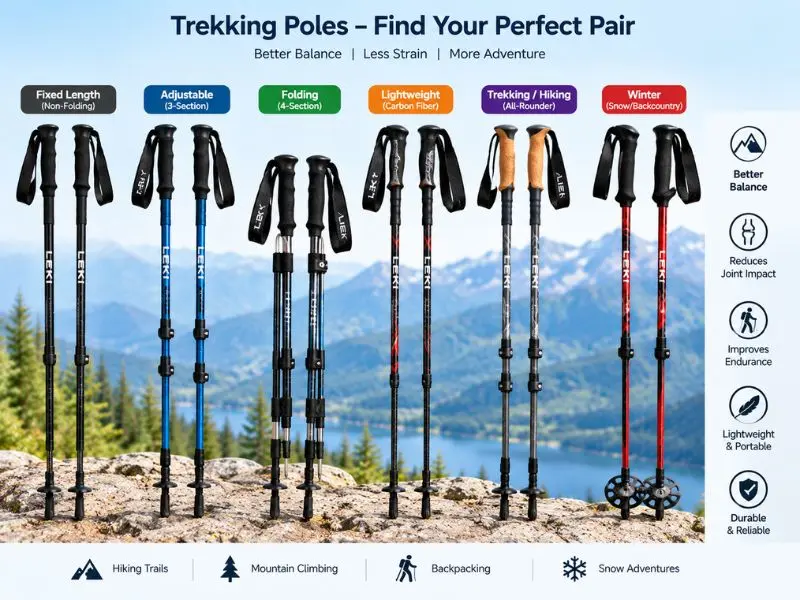
What to Look for When Buying Trekking Poles
Choosing trekking poles is easier when you focus on how and where you hike instead of simply choosing the most expensive model.
Material: Carbon vs. Aluminum
Carbon-fiber poles are generally valued for their low weight and vibration-damping feel. They can be appealing to long-distance hikers who carry equipment for many miles.
Aluminum poles are usually known for their durability and forgiving nature. They are among the best trekking poles for beginners, frequent hikers, and rough terrain.
Neither material is automatically better for everyone. Your hiking style, budget, and preference for weight or durability should guide the decision.
Grip Comfort
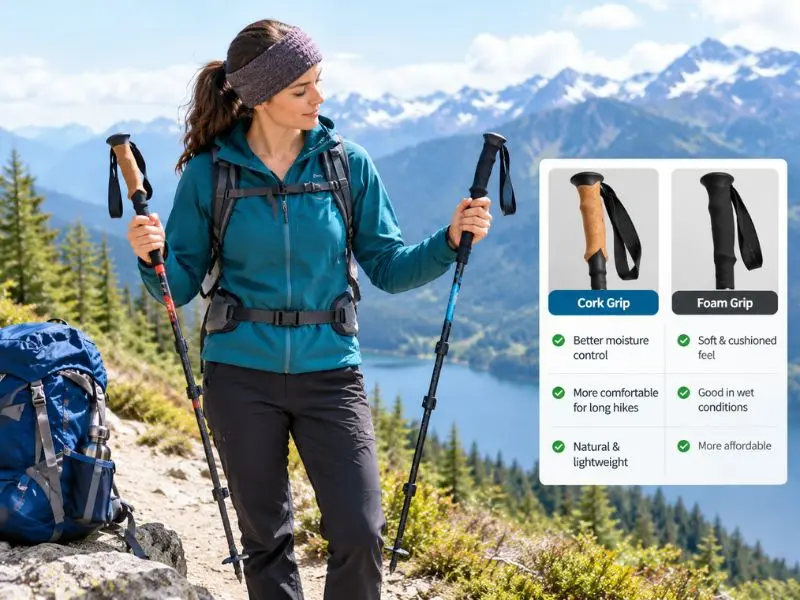
Your hands can spend hours holding trekking poles, so grip design matters. Cork grips can feel comfortable during long hikes and can handle moisture well. Foam grips are often soft and lightweight, while rubber-style grips may be useful for certain activities and cooler conditions. Choosing comfortable hiking gear can also make longer hikes more enjoyable.
A good grip should feel secure without creating uncomfortable pressure points.
Locking Systems
The locking mechanism keeps the pole at your selected length. Common systems include lever-style external locks and twist mechanisms.
An external lever can be easy to adjust while wearing gloves, while other systems may provide a clean and simple appearance. Whatever design you choose, the lock should feel secure and be easy to operate.
Weight and Packability
Weight becomes more noticeable during long hikes. Carrying lighter equipment can make your overall load feel easier, particularly when trekking for several hours or days.
Packability is also important for backpackers and travelers. Folding poles can fit into smaller spaces, while telescoping models often provide a wider adjustment range.
Pole Length and Adjustability
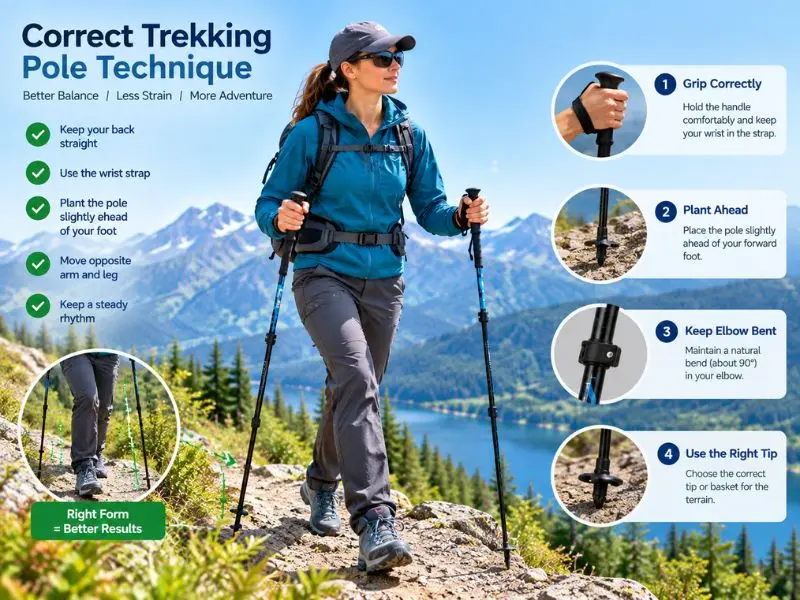
The correct pole length depends on your height, terrain, and personal preference. As a general starting point, your elbows should be close to a right angle when holding the grips on relatively flat terrain.
You may prefer slightly shorter poles while climbing and longer poles during descents. Adjustable models make these changes easier.
Terrain and Hiking Style
Your typical terrain should influence your choice. Day hikers may prefer durable and easy-to-adjust poles, while backpackers may place more importance on weight and packability.
For steep terrain, secure locks and comfortable grips are especially important. On rocky trails, a durable construction can provide extra confidence.
Long-distance hikers may prefer the best trekking poles because lighter weight matters over many miles.
Are Trekking Poles Worth It?
Trekking poles can provide useful stability on uneven trails and may help you maintain balance when crossing rocks, roots, mud, or steep sections. They can also give your upper body something to work with while walking.
Many hikers find poles particularly helpful during descents because they provide additional contact points with the ground. They may also be useful when carrying a backpack or traveling over terrain where balance is challenging.
However, trekking poles are not essential for every hiker. Some people prefer walking without them on flat and well-maintained trails. Comfort, experience, terrain, and personal preference should all be considered.
How to Use Trekking Poles Properly
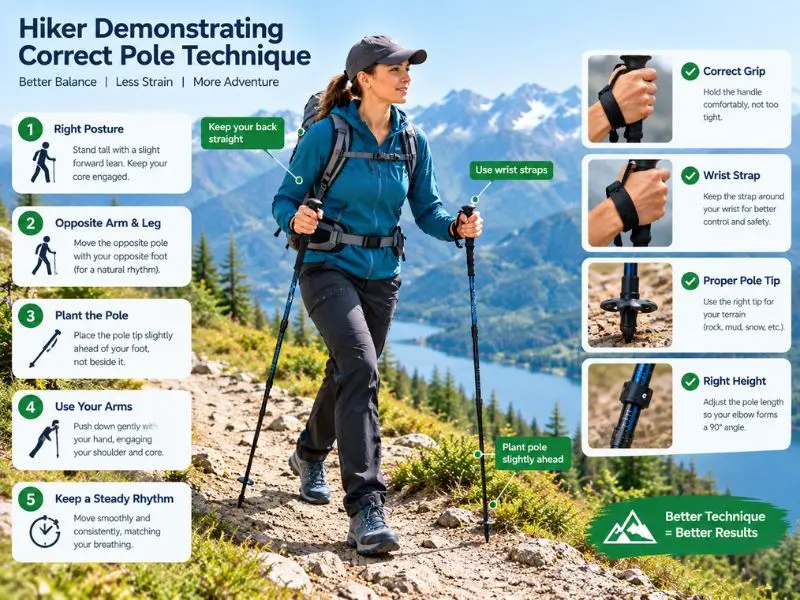
Start by adjusting the poles to a comfortable length. On relatively flat ground, your elbows should generally remain around a right angle when your hands are on the grips.
Keep a relaxed hold rather than squeezing the handles tightly. Use the wrist straps correctly so your hands do not have to carry all the pressure.
On uphill sections, slightly shorter poles can sometimes feel more natural. On descents, a little extra length may provide better reach and support.
Try to coordinate your poles naturally with your opposite foot. With practice, the movement becomes rhythmic and requires less conscious attention.
On uneven ground, place the pole tip carefully before transferring weight. Avoid relying entirely on the best trekking poles for support on unstable terrain.
Care and Maintenance
Trekking poles can last longer when you take a few simple maintenance steps. After muddy or wet hikes, wipe dirt from the shafts and allow the poles to dry before storing them.
Check the locking mechanisms regularly and make sure they remain secure. If a pole has removable tips or baskets, inspect them for excessive wear.
Avoid storing wet poles inside a closed backpack for long periods. Moisture can contribute to unwanted odors or deterioration of certain components.
If the manufacturer provides replacement tips, baskets, or other parts, replacing worn components can help extend the useful life of the poles.
Frequently Asked Questions
What are the best trekking poles for beginners?
The best option for beginners is usually a comfortable, adjustable, and durable model that is easy to operate.
Are carbon or aluminum trekking poles better?
Carbon poles are often lighter, while aluminum poles are generally valued for durability and affordability.
How long should trekking poles be?
Your elbows should usually remain near a right angle on flat ground, with adjustments made for different terrain.
Are trekking poles useful for backpacking?
Yes, trekking poles can provide balance and support while carrying a backpack over uneven or steep terrain.
Can trekking poles help on steep trails?
Yes, they can provide additional contact with the ground and improve balance on climbs and descents.
Conclusion
The best pair of trekking poles depends on more than weight or price. Grip comfort, adjustment range, locking security, construction material, packability, and the type of trails you hike all play an important role. A lightweight folding model may be ideal for a backpacker, while a durable aluminum pole may make more sense for a beginner or frequent day hiker. Choosing the right footwear is also important, so learn more about hiking shoes vs. walking shoes.
Before buying, think about where you normally hike and how often you will use the poles. Choose a design that feels comfortable in your hands, stays secure when adjusted, and fits your equipment and hiking style. The right trekking poles can become a useful part of your gear without adding unnecessary complexity to your outdoor adventures.
