


Top 5 Detox Diets are popular among people who want to improve their eating habits, maintain energy, and make healthier food choices. A balanced approach focuses on fruits, vegetables, whole grains, and adequate hydration rather than extreme cleansing plans. Choosing nutritious foods can help you build a healthier daily routine.
Many people explore detox diets because they want to feel refreshed and improve their eating habits. These plans often feature fresh produce, water, whole grains, and other nutritious ingredients. Some programs, however, promote extreme restrictions or make claims that are not supported by reliable evidence.
Healthy Detox Diets should focus on nourishing the body rather than forcing it through a strict cleansing routine. Your liver and kidneys already perform important functions that help process and remove waste. A balanced diet can provide nutrients that support these normal processes.
This guide covers five practical eating approaches, their potential benefits, and easy ways to include them in your daily meals. You will also find a comparison table of Top 5 Detox Diets, a sample meal plan, and answers to common questions to help you make informed choices.
What Do Detox Diets Actually Mean?
The phrase detox diet describes a wide range of eating plans that claim to cleanse the body or improve health by changing what a person eats or drinks. Some plans focus on fresh fruit and vegetables, while others rely on juices, herbal beverages, fasting, or special supplements.
These approaches are not all the same. A plan based on varied whole foods may help someone improve their diet, while an extremely restrictive program can make it difficult to obtain enough calories and essential nutrients. The word detox alone does not prove that a product or diet is effective.
The human body already has systems that process waste. The liver helps break down many substances, and the kidneys filter waste from the blood. The digestive system also helps move waste out of the body. These functions do not require a special juice cleanse in a healthy person.
Instead of searching for a quick cleansing solution, build meals around vegetables, fruits, whole grains, protein sources, and healthy fats. These foods help provide the nutrients your body needs while making your everyday eating routine more balanced.
Can Detox Diets Help You Feel More Energetic?
Energy levels are influenced by several factors, including food intake, sleep, hydration, physical activity, stress, and general health. A diet that supplies too little energy may leave you feeling weak or tired, even if it is promoted as a cleansing program.
Balanced meals can help you obtain carbohydrates for energy, protein for maintaining body tissues, and fats that support normal body functions. Fruits, vegetables, and whole grains also provide fiber and various vitamins and minerals. Eating enough food throughout the day is important, particularly for people who are active or still growing.
Hydration matters as well. When your body loses more fluid than it takes in, dehydration can contribute to headaches, tiredness, and difficulty concentrating. Drinking water regularly and eating foods that contain water can help support normal hydration.
No particular diet can guarantee an immediate increase in energy. If fatigue continues despite adequate food, fluids, and sleep, speak with a healthcare professional because persistent tiredness can have several causes.
Top 5 Detox Diets to Consider for a Healthier Routine
The following approaches are based on everyday food choices rather than extreme cleansing methods. You can follow one of these Top 5 Detox Diets or combine ideas from several approaches, depending on your nutritional needs and preferences.
1. Fruit and Vegetable-Focused Eating

A diet rich in fruits and vegetables provides a wide range of nutrients in meals that can be colorful, satisfying, and easy to prepare. Produce contains different amounts of fiber, vitamins, minerals, and water, making variety an important part of a healthy eating pattern.
Apples, oranges, berries, bananas, carrots, spinach, broccoli, tomatoes, and peppers are useful choices. Frozen vegetables and fruit can also be convenient options, while seasonal produce may help keep food costs manageable. A balanced diet, combined with regular physical activity, can also support your overall well-being and mental health.
Potential benefits: Eating a variety of fruits and vegetables helps increase fiber intake and supplies nutrients needed for normal body functions. Whole fruits also provide fiber that may be reduced or lost when fruit is turned into juice.
How to try it: Add sliced fruit to oatmeal at breakfast, include vegetables in a lunchtime sandwich or wrap, and serve cooked vegetables alongside your evening meal.
You do not need to eat only plants to benefit from this approach. Pair produce with foods such as eggs, beans, fish, yogurt, tofu, or whole grains to create more complete meals.
Avoid replacing every meal with fruit alone. Although fruit is nutritious, a fruit-only routine may not provide enough protein, fats, and other essential nutrients to meet your needs.
2. A Water-Focused Eating Routine

Water is essential for normal body functions, including temperature regulation, circulation, and digestion. A water-focused eating routine combines regular drinking habits with water-rich foods such as cucumbers, melons, oranges, tomatoes, and soups.
Some people find plain water unappealing. Adding mint leaves, lemon slices, or cucumber can provide flavor without requiring sugary syrups. These additions may make water more enjoyable, but they do not turn it into a special cleansing treatment.
Potential benefits: Adequate fluid intake supports normal hydration and may help prevent symptoms associated with dehydration. Choosing water instead of sugary beverages can also reduce added sugar intake.
How to try it: Keep a reusable water bottle nearby, drink water with meals, and include water-rich produce in snacks. You can also enjoy a vegetable soup as part of balanced Top 5 Detox Diets for lunch.
Fluid needs differ depending on body size, activity, climate, diet, and health. Rather than forcing yourself to drink excessive amounts, spread fluids throughout the day and pay attention to your needs. People who have been advised to restrict fluids should follow their healthcare professional’s guidance.
3. A Fiber-Rich Whole-Food Diet

Whole foods such as oats, beans, lentils, brown rice, whole-wheat bread, fruits, vegetables, nuts, and seeds can provide dietary fiber. Fiber supports digestive health and helps make meals more satisfying.
Increasing fiber does not require buying expensive specialty foods. Ordinary ingredients such as lentils, chickpeas, oatmeal, peas, and whole-grain bread can be useful additions to a balanced diet.
Potential benefits: Fiber supports regular bowel movements, and certain types of fiber can help maintain healthy cholesterol and blood glucose levels. Fiber-rich meals may also help people feel satisfied for longer.
How to try it: Choose oatmeal for breakfast, add beans to a salad or soup at lunch, and serve brown rice with vegetables and lentils at dinner.
Increase your fiber intake gradually. A sudden increase may cause gas, bloating, or abdominal discomfort, especially if your usual diet contains very little fiber. Drinking sufficient fluids can help support normal digestion.
A fiber-rich diet is not a quick cleansing treatment. Its value comes from providing nutrients and supporting healthy eating habits that can be maintained over time.
4. A Mediterranean-Inspired Eating Pattern

A Mediterranean-inspired diet emphasizes vegetables, fruits, whole grains, legumes, nuts, seeds, and unsaturated fats such as olive oil. Fish and seafood are common choices, while eggs, dairy products, and poultry may also be included.
This eating pattern focuses on the overall quality of meals instead of labeling individual foods as cleansing or harmful. Top 5 Detox Diets are flexible and can be adapted to different cultural food traditions and household budgets.
Potential benefits: Research has associated Mediterranean-style eating patterns with better cardiovascular health when they form part of an overall healthy lifestyle. These meals can provide fiber, healthy fats, and a range of essential nutrients.
How to try it: Have eggs with whole-grain toast and tomatoes for breakfast. For lunch, prepare a chickpea salad with vegetables and an olive-oil dressing. For dinner, serve fish or beans with brown rice and cooked vegetables.
You do not have to purchase imported foods to use these principles. Beans, lentils, seasonal vegetables, whole grains, and locally available protein sources can create similarly balanced meals.
The main advantage is flexibility. Rather than following a short-term detox challenge, you can adapt this eating pattern to your preferences and continue it as part of your normal routine.
5. A Balanced Plant-Based Diet
Plant-based eating gives greater attention to foods that come from plants, including vegetables, fruits, whole grains, legumes, nuts, and seeds. Some people include eggs, dairy products, fish, or other animal foods, while a fully vegan diet excludes all animal-derived foods.
Beans, lentils, chickpeas, tofu, nuts, and seeds can contribute protein. Whole grains provide carbohydrates, while vegetables and fruits supply fiber and a variety of vitamins and minerals.
Potential benefits: A well-planned plant-based eating pattern can improve the variety of foods in your diet and increase your intake of fiber-rich ingredients. Replacing some highly processed foods with whole plant foods may also improve overall dietary quality.
How to try it: Start your day with oatmeal and peanut butter. For Top 5 Detox Diets, choose a chickpea wrap or lentil soup for lunch, followed by a vegetable and bean curry with brown rice for dinner.
A fully plant-based diet needs careful planning. People following a vegan diet need a reliable source of vitamin B12, generally through fortified foods or supplements. Depending on their food choices, they may also need to pay attention to iron, calcium, iodine, vitamin D, protein, and omega-3 fats.
You do not need to become vegan to benefit from plant-based meals. Adding more beans, vegetables, and whole grains is a practical way to improve variety while keeping your preferred foods in your diet.
Detox Diets Comparison Table
Each approach has different strengths, and the most suitable choice depends on your nutritional needs, budget, and lifestyle.
| Eating approach | Main foods | Potential benefits | Ease of following | Important considerations |
| Fruit and vegetable-focused | Fresh or frozen produce | Fiber, vitamins, minerals, and variety | Easy | Include protein and healthy fats |
| Water-focused routine | Water, soups, water-rich produce | Supports normal hydration | Easy | Avoid drinking excessive amounts |
| Fiber-rich whole foods | Oats, beans, lentils, whole grains | Supports digestive health and fullness | Easy to moderate | Increase fiber gradually |
| Mediterranean-inspired | Vegetables, grains, legumes, nuts, olive oil, fish | Supports heart-healthy eating | Moderate | Adapt ingredients to your budget |
| Plant-based eating | Beans, lentils, grains, fruits, vegetables, nuts | Variety and fiber | Moderate | Plan nutrients carefully if vegan |
These approaches can overlap. For example, a Mediterranean-style meal can also contain plenty of vegetables and fiber. You can combine the features of different Top 5 Detox Diets that best suit your needs without following a strict program.
Foods and Drinks That Fit a Balanced Detox-Inspired Routine
The body does not depend on a single ingredient to remove waste. A varied diet helps provide the nutrients needed for normal bodily functions.
Fruits and vegetables: Choose a variety of colors and types. Apples, citrus fruits, berries, leafy greens, carrots, and broccoli are useful examples. Fresh, frozen, and suitable canned options can all contribute to a healthy eating pattern.
Whole grains: Oats, brown rice, whole-wheat bread, and other whole grains provide carbohydrates and fiber. They can help make meals more filling and nutritious.
Beans and lentils: These ingredients provide fiber, protein, and minerals. Add them to soups, salads, wraps, rice dishes, or curries for an affordable source of nutrition.
Nuts and seeds: Small servings of nuts and seeds provide unsaturated fats, protein, and other nutrients. They can be added to oatmeal, yogurt, or salads.
Water and unsweetened drinks: Water is a straightforward choice for everyday hydration. During Top 5 Detox Diets, unsweetened tea can also contribute to fluid intake, although caffeinated drinks may not suit everyone.
Protein-rich foods: Eggs, fish, poultry, dairy products, tofu, and legumes can help supply protein. Including an appropriate protein source in meals makes it easier to meet your nutritional requirements.
It is useful to limit frequent consumption of sugary drinks and foods high in added sugar or salt. However, following Top 5 Detox Diets does not require perfection. Your overall eating pattern is more important than judging yourself by a single meal.
A Simple One-Day Meal Plan
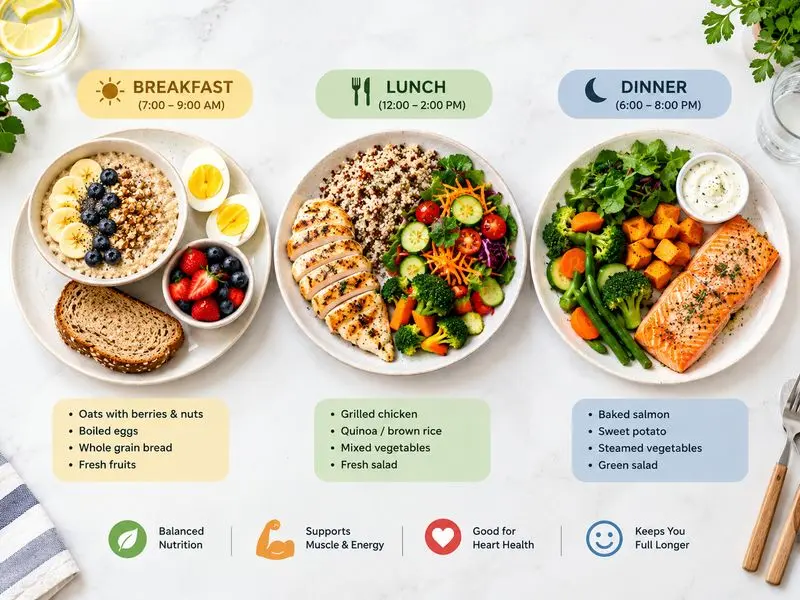
You can use the principles of healthy Detox Diets without purchasing special drinks or following a restrictive cleanse. This example shows how a balanced eating routine can fit into a weight loss diet plan for beginners while helping you make healthier food choices.
Breakfast: Oatmeal prepared with milk or a suitable fortified alternative, topped with banana slices and a small serving of nuts.
Morning snack: A piece of whole fruit and a glass of water.
Lunch: Lentil soup or grilled chicken served with brown rice and a mixed vegetable salad.
Afternoon snack: Plain yogurt or a suitable alternative, with fruit or a small serving of seeds.
Dinner: Baked fish, tofu, or beans served with cooked vegetables and a whole grain such as brown rice.
Drinks: Drink water throughout the day according to your thirst, activity, and individual needs.
This example is not a personalized nutrition prescription. Portion sizes depend on factors such as age, activity, body size, and health. Children and teenagers need enough food to support growth and should avoid restrictive cleansing diets.
To make healthy meal planning easier, prepare ingredients in advance, keep convenient nutritious foods available, and change one habit at a time. Following balanced Top 5 Detox Diets and making small, consistent changes can be more manageable than following strict rules for a few days and then returning to old habits.
Common Detox Diet Mistakes to Avoid

Some cleansing programs encourage habits that may make it harder to meet your nutritional needs. Understanding the potential risks of Top 5 Detox Diets can help you choose a safer approach to healthy eating.
Replacing all meals with juice: Juice can contain vitamins, but relying on it for every meal may leave you short of fiber, protein, and energy. Whole fruit and balanced meals are generally more practical choices.
Skipping meals to cleanse the body: Skipping meals is not necessary for normal detoxification. It can also make it difficult to consume enough nutrients, particularly if you have a busy schedule or high energy requirements.
Using laxatives or detox teas: These products are not reliable methods for removing toxins or achieving lasting fat loss. Misusing laxatives can cause dehydration and dangerous electrolyte imbalances.
Eating too little: Severe calorie restriction can lead to weakness, tiredness, and nutritional deficiencies. A sustainable eating plan should provide sufficient energy and essential nutrients.
Expecting rapid results: No particular food or drink guarantees immediate improvements in health, digestion, or energy. When choosing Top 5 Detox Diets, focus on healthy habits that you can maintain instead of promises of instant change.
Ignoring medical needs: Some supplements and major dietary changes can interact with medicines or affect certain health conditions. Consult a qualified healthcare professional before making significant changes when you have medical concerns.
Who Should Be Careful With Detox Diets?
Restrictive detox plans are not appropriate for everyone. Children and teenagers need sufficient calories and nutrients for growth, while pregnancy and breastfeeding create additional nutritional requirements. People considering Top 5 Detox Diets should avoid extreme cleansing plans and seek suitable dietary guidance, especially if they belong to a higher-risk group.
People with diabetes, kidney disease, digestive conditions, or other ongoing medical concerns may need an eating plan tailored to their needs. Those who take prescription medicines should also check with a healthcare professional before using detox supplements or making major dietary changes.
People with a history of eating disorders should be cautious about programs that encourage strict food rules, severe restriction, or fear of particular ingredients. A registered dietitian or qualified healthcare professional can help develop a balanced approach without unnecessary restrictions.
Persistent tiredness, unexplained weight changes, or continuing digestive symptoms should not be treated with a detox program alone. If symptoms persist while following Top 5 Detox Diets, seek medical advice to identify possible causes and determine the most appropriate care.
Frequently Asked Questions
1. What are detox diets?
Detox diets are eating plans marketed as cleansing programs, although balanced nutrition is more useful for supporting normal body functions.
2. Do detox diets remove toxins?
There is limited evidence that commercial detox diets remove toxins, while the liver and kidneys naturally process and eliminate waste.
3. Which foods support natural detoxification?
Fruits, vegetables, whole grains, legumes, and other nutritious foods supply nutrients that support normal bodily functions.
4. Can healthy eating improve energy levels?
A balanced diet can supply the energy and nutrients needed for daily activities, although energy levels depend on several factors.
5. Are detox diets safe for everyone?
No, restrictive detox plans may be unsuitable for people with certain medical conditions or increased nutritional requirements.

Conclusion
The five approaches in this guide offer practical ways to improve everyday eating through fruits, vegetables, whole grains, legumes, healthy fats, and adequate hydration. You can adapt these ideas to your food preferences and budget instead of following a strict cleansing program. Consistent, balanced meals are a more sustainable choice than extreme dietary restrictions.
Detox Diets should not be treated as a guaranteed way to remove toxins or deliver instant results. Choose nutritious foods, drink enough water, and maintain habits that fit your daily life. You can also learn about the potential role of chia seeds for weight loss as part of a balanced diet. If you need help managing a health condition or persistent symptoms, consult a qualified healthcare professional for personalized advice.
