
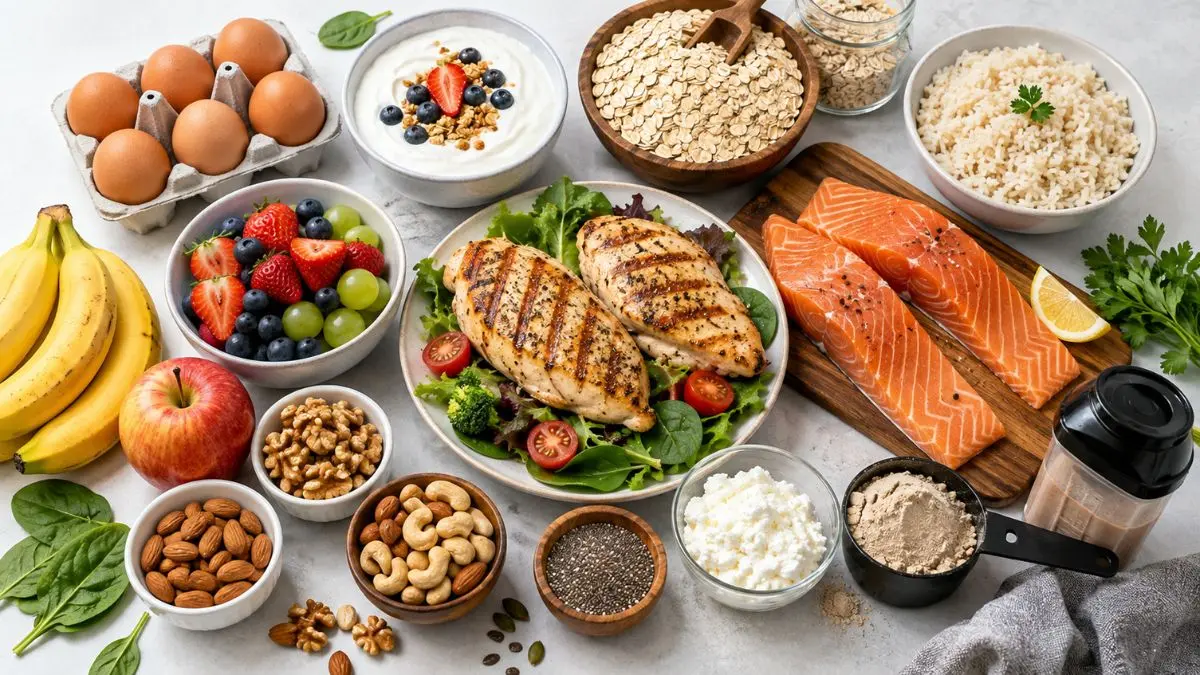
Finding the best foods for muscle growth can feel confusing when you see so many different diets, supplements, and meal plans online. The good news is that building muscle does not require expensive or complicated foods. Oatmeal for gaining muscle can also be a simple and affordable option to include in a balanced diet.
The best foods for muscle growth provide protein, carbohydrates, healthy fats, vitamins, and minerals that support training and recovery. This guide explains which foods can help, how they work, and how to include them in a simple muscle-building diet.
What Are the Best Foods for Muscle Growth?
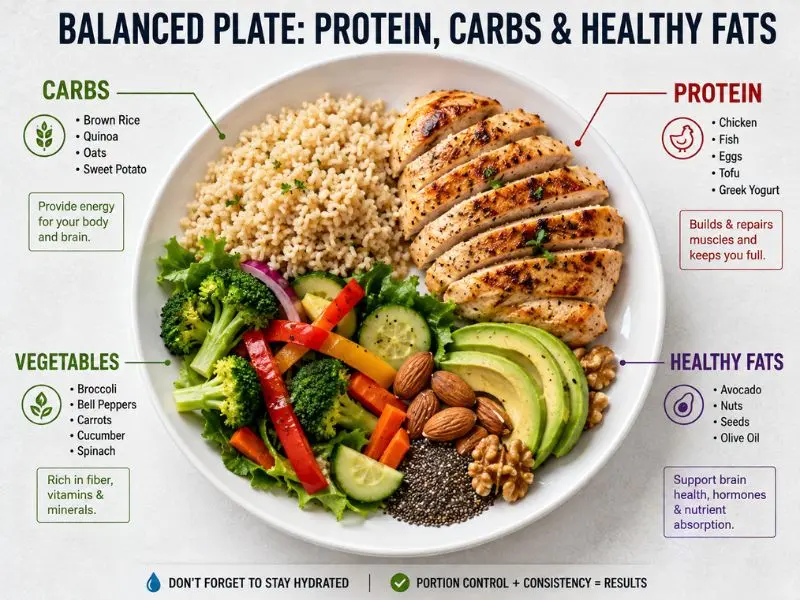
The best foods for muscle growth are foods that give your body the nutrients needed to repair and build muscle tissue. Protein is especially important because it provides amino acids, which are the building blocks your body uses to make and repair proteins in muscle.
However, protein is not the only nutrient that matters. Carbohydrates provide energy for challenging workouts, while healthy fats support normal body functions and help make meals more satisfying.
For this reason, a muscle-building diet should not focus on only one food or nutrient. A balanced approach usually works better.
The best foods for muscle growth can include:
- Lean meats
- Fish
- Eggs
- Greek yogurt
- Milk
- Cottage cheese
- Beans and lentils
- Tofu
- Rice
- Oats
- Potatoes
- Fruit
- Nuts and seeds
Different foods offer different benefits. Some provide a large amount of high-quality protein, while others give you the carbohydrates needed to train hard and recover afterward.
How Do the Best Foods for Muscle Growth Work?
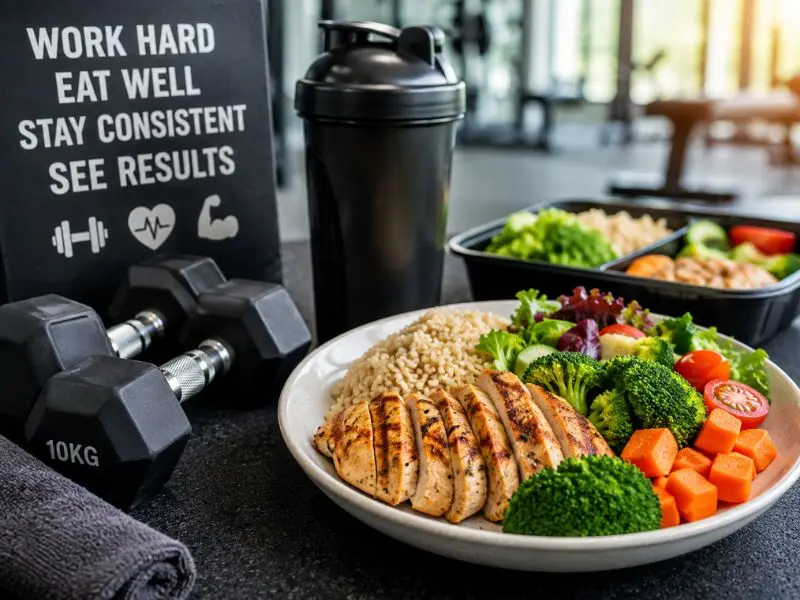
Muscle growth happens when your body adapts to training and recovery over time. Resistance training creates a reason for your muscles to adapt, while nutrition provides energy and nutrients to support that process.
Protein Supports Muscle Repair
After resistance training, your muscles go through a normal recovery process. Eating enough protein throughout the day supplies amino acids that support muscle protein repair and growth.
Animal foods such as eggs, dairy, fish, chicken, and lean meat are popular choices because they provide complete protein. Plant foods such as soy, beans, lentils, and certain grains can also contribute useful protein.
You do not need to eat one type of protein at every meal. Eating a variety of protein-rich foods can make your diet more enjoyable and balanced.
Carbohydrates Support Training Performance
Carbohydrates are another important part of many muscle-building diets. Foods such as rice, oats, potatoes, bread, pasta, and fruit can provide energy for exercise.
When you have enough energy for training, it may be easier to maintain workout quality and perform challenging exercises consistently.
Healthy Fats Add Energy
Healthy fats are useful because they add calories and help make meals more filling. Foods such as nuts, seeds, avocado, olive oil, and fatty fish can fit well into a balanced diet.
For people who struggle to eat enough calories, adding healthy fats to meals can also make it easier to increase total energy intake.
Benefits of the Best Foods for Muscle Growth
Choosing nutritious foods for muscle gain can offer more than just extra protein.
They Help You Reach Your Protein Needs
One of the biggest benefits of the best foods for muscle growth is that they make it easier to eat enough protein without relying entirely on supplements.
For example, eggs can be used for breakfast, chicken can be added to lunch, Greek yogurt can work as a snack, and fish can be included at dinner.
They Provide Energy for Workouts
A diet made only of lean protein may leave some people with limited energy for demanding exercise. Adding carbohydrates can support training sessions and help you maintain an active routine.
They Support Recovery
Nutritious foods provide more than calories. Fruits, vegetables, dairy products, whole grains, legumes, and other whole foods contain vitamins and minerals that contribute to overall nutrition.
They Can Make a Calorie Surplus Easier
Building muscle often requires enough total energy over time. People who are trying to gain weight may find it easier to increase calories by eating foods such as oats, rice, potatoes, dairy, nuts, and nut butter.
The right amount depends on your body size, activity level, goals, and current food intake.
15 Best Foods for Muscle Growth
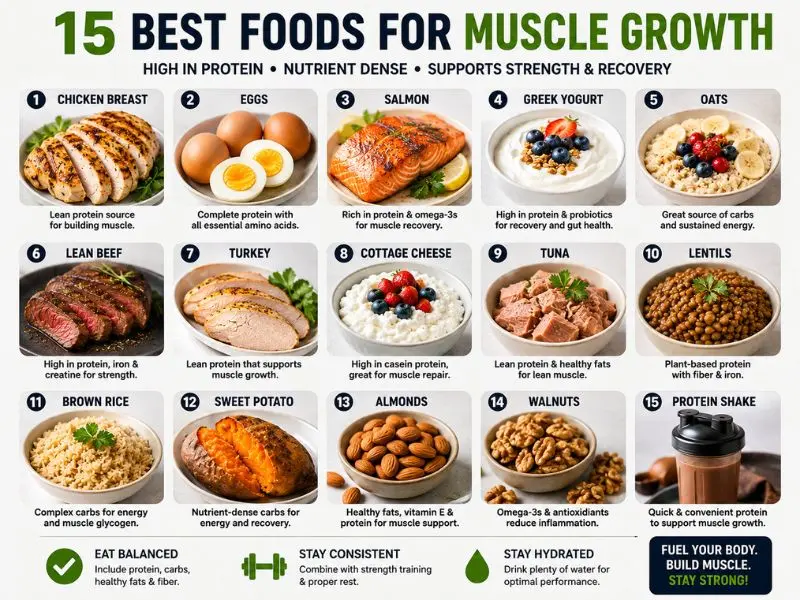
1. Chicken Breast
Chicken breast is a popular muscle-building food because it provides a large amount of protein without a huge amount of fat.
It is easy to prepare in batches and can be paired with rice, potatoes, vegetables, wraps, or pasta. Chicken thighs can also fit into a muscle-building diet and may provide more calories.
2. Eggs
Eggs provide high-quality protein and contain several useful nutrients. They are affordable, easy to cook, and work well at breakfast or in other meals.
Try eggs with toast and fruit, or add them to a rice bowl. If you need more calories, whole eggs can be especially convenient.
3. Salmon
Salmon provides protein along with beneficial fats. It is a good option for people who want variety instead of eating chicken or lean meat every day.
Pair salmon with potatoes, rice, or a whole-grain side for a balanced meal.
4. Lean Beef
Lean beef provides protein and can also contribute nutrients such as iron and vitamin B12.
Ground beef, steak, and other lean cuts can all work. Choose portions and fat levels that fit your overall calorie needs.
5. Greek Yogurt
Greek yogurt is a convenient protein-rich food that can be eaten without cooking. It works well as a snack or breakfast.
You can add berries, oats, granola, or nuts to increase carbohydrates and calories.
6. Cottage Cheese
Cottage cheese is another useful dairy option. It contains protein and can be eaten on its own or combined with fruit, whole-grain toast, or other foods.
Some people enjoy it as an evening snack because it is simple and filling.
7. Milk
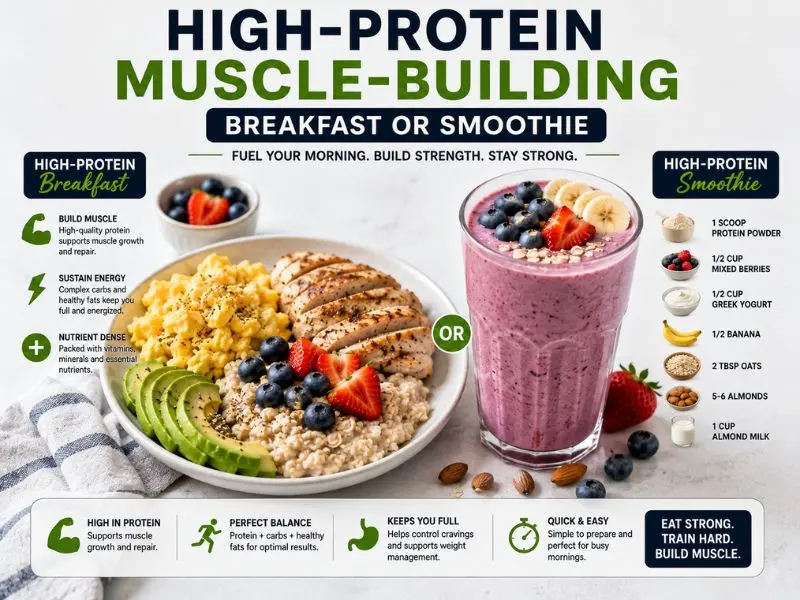
Milk can provide protein, carbohydrates, and other nutrients in one serving. It can be useful for people who find it difficult to eat enough food. You can also use milk as a base for high protein shake recipes when you want a quick and convenient option.
You can drink milk with meals, add it to oats, or use it in smoothies.
8. Tuna and Other Fish
Tuna is a convenient source of protein, especially when canned options are available. Other fish can also provide protein and help add variety to your weekly meals.
Try tuna in sandwiches, wraps, salads, or rice bowls.
9. Tofu
Tofu is one of the best foods for muscle growth for people looking for a plant-based protein option. It can absorb different flavors and work in stir-fries, bowls, and other meals.
Soy foods provide high-quality plant protein and can be a practical part of a balanced diet.
10. Beans and Lentils
Beans and lentils provide both protein and carbohydrates, along with fiber. They are affordable and easy to add to soups, rice dishes, salads, and bowls.
Their protein content per serving may differ from animal foods, so eating a variety of protein sources can help you meet your daily needs.
11. Rice
Rice is mainly a carbohydrate source, making it useful for providing energy around training and helping you increase calorie intake.
Rice pairs easily with chicken, beef, fish, eggs, tofu, and vegetables.
12. Oats
Oats provide carbohydrates and some protein, making them a useful breakfast food. They are also easy to customize.
Add milk, Greek yogurt, fruit, nuts, or nut butter to create a more calorie-dense meal.
13. Potatoes
Potatoes are an affordable carbohydrate source that can support your overall energy intake. They can be baked, boiled, mashed, or roasted.
Combine potatoes with a protein source and vegetables for a simple balanced meal.
14. Bananas and Other Fruit
Bananas provide convenient carbohydrates and are easy to eat before or after activity. Other fruits can also add variety, flavor, and useful nutrients to your diet.
Fruit works well in smoothies, oatmeal, yogurt bowls, and snacks.
15. Nuts and Nut Butter
Nuts and nut butter provide healthy fats and some protein. Because they are calorie-dense, they can be especially useful for people who struggle to eat enough calories.
Add peanut butter to oatmeal or smoothies, or eat nuts alongside yogurt and fruit.
Best Foods for Muscle Growth Comparison Table
| Option | Main Benefit | Best For | Important Consideration |
| Chicken breast | High protein | Lean muscle-focused meals | Can be low in calories alone |
| Eggs | Protein and healthy fats | Easy meals | Portion size affects calories |
| Salmon | Protein and beneficial fats | Meal variety | Often more expensive |
| Greek yogurt | Convenient protein | Quick snacks | Check added sugar in flavored types |
| Lean beef | Protein and important nutrients | Hearty meals | Choose portions based on calorie goals |
| Tofu | Quality plant protein | Plant-based diets | Preparation affects flavor |
| Beans and lentils | Protein and carbs | Budget-friendly meals | Higher fiber may require gradual intake |
| Rice | Workout energy | Increasing calorie intake | Pair with protein-rich foods |
| Oats | Carbs and some protein | Breakfast | Add protein for a complete meal |
| Nuts | Healthy fats and calories | Hard gainers | Easy to overeat because they are calorie-dense |
How to Get the Best Results From the Best Foods for Muscle Growth
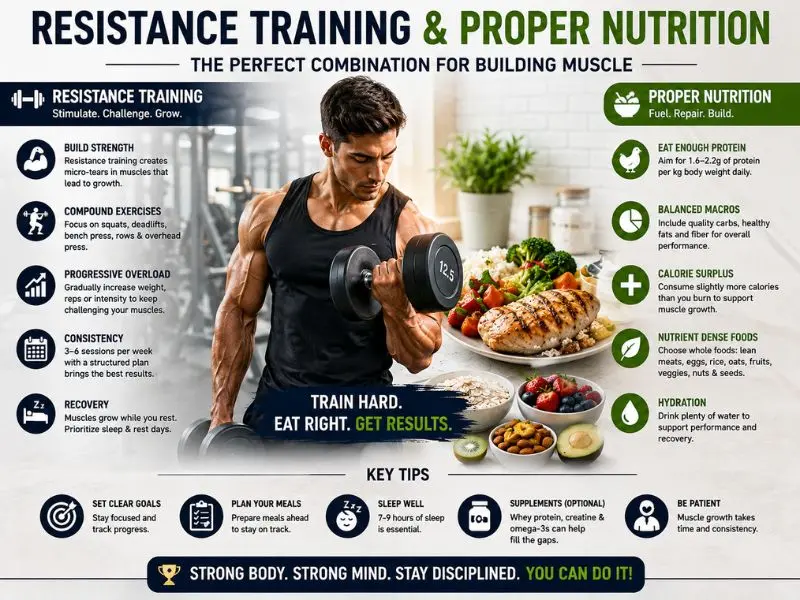
Simply eating protein-rich foods does not automatically build muscle. Your overall routine matters.
1. Include Protein Throughout the Day
Instead of eating most of your protein in one meal, include protein-rich foods across breakfast, lunch, dinner, and snacks.
For example:
- Breakfast: Eggs, oats, and milk
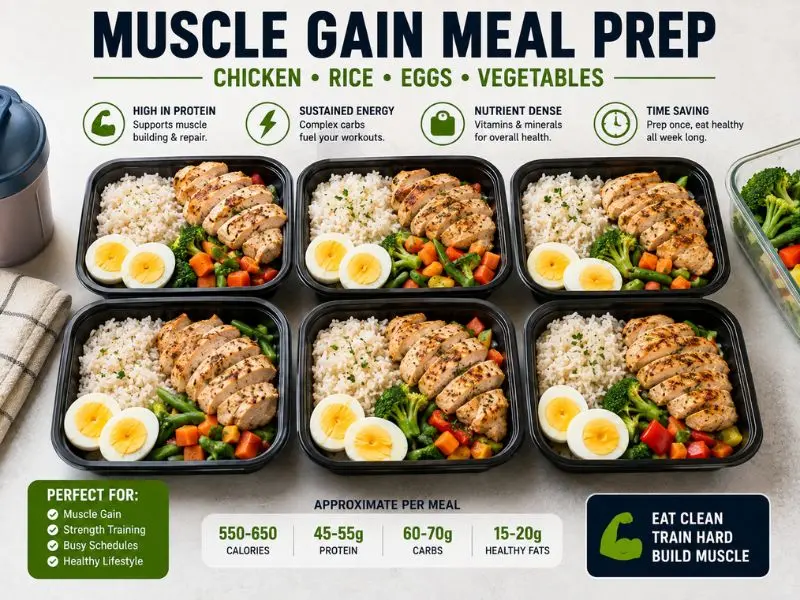
- Lunch: Chicken, rice, and vegetables
- Snack: Greek yogurt and fruit
- Dinner: Salmon, potatoes, and vegetables
This is only one example. You can adjust foods based on your preferences and budget.
2. Eat Enough Total Calories
If your goal is to gain muscle and body weight, you generally need enough energy to support that goal.
People who have difficulty gaining weight can make meals more calorie-dense by adding foods such as nuts, olive oil, avocado, dairy, rice, oats, and potatoes.
There is no need to force extremely large meals. Smaller meals and snacks can make eating enough more manageable.
3. Train With Resistance
The best foods for muscle growth work alongside a good training program. Exercises such as squats, presses, rows, hinges, and pull movements can challenge major muscle groups.
Focus on good technique and gradual progress rather than changing your entire routine every week.
4. Get Enough Sleep
Training and nutrition are important, but recovery also matters. Poor sleep can make it harder to feel energetic and train consistently.
Create a regular sleep routine that gives your body enough time to recover.
5. Be Consistent
Muscle gain usually takes time. One healthy meal or one hard workout will not transform your body overnight.
Consistent training, adequate nutrition, and patience are more important than constantly searching for a perfect food.
Common Mistakes to Avoid
Eating Only Protein
Protein is important, but carbohydrates and fats also have a role in a balanced diet. Eating only chicken, protein shakes, and egg whites may make your meals repetitive and may not provide enough energy.
Relying Only on Supplements
Protein powder can be convenient, but it does not need to replace regular meals. Whole foods can provide protein along with other nutrients.
Think of supplements as optional tools rather than the foundation of your diet.
Not Eating Enough Overall
Some people choose nutritious foods but still do not eat enough total calories to support their goals.
If your body weight, measurements, and training performance are not changing over time, review your overall food intake.
Changing Your Diet Every Few Days
Muscle-building diets do not need to be perfect. Constantly switching plans can make it difficult to understand what works for you.
Give a reasonable approach enough time before making major changes.
Ignoring Food Variety
Chicken and rice can be useful, but eating the same foods every day is not necessary. Include different protein sources, fruits, vegetables, grains, and healthy fats.
Variety can make your diet more enjoyable and nutritionally balanced.
Tips for Beginners
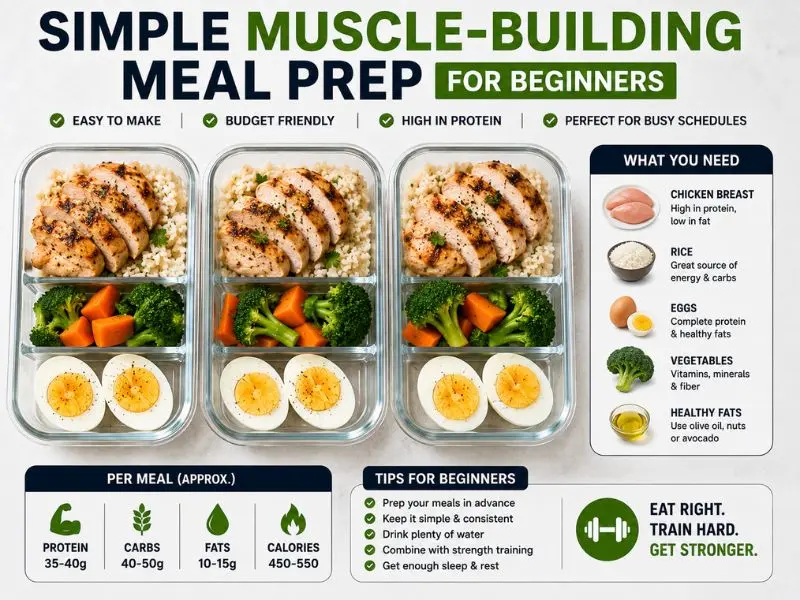
Start with simple meals you can prepare consistently. You do not need a complicated menu filled with expensive ingredients.
Choose two or three protein options you enjoy and rotate them during the week. Then add carbohydrate sources such as rice, oats, potatoes, pasta, bread, or fruit.
Meal preparation can save time. Cooking chicken, rice, potatoes, or beans ahead of time makes it easier to assemble meals when you are busy.
Track your progress in a simple way. You can monitor body weight, gym performance, strength, and how your clothes fit.
If progress slows, make small adjustments instead of making extreme changes. Adding one extra snack or slightly increasing meal portions may be enough.
Who Should Be Careful?
Most whole foods can fit into a balanced diet, but individual needs can vary. People with food allergies, kidney disease, digestive conditions, or other medical concerns may need personalized nutrition advice.
If you are managing a health condition, taking medication, or considering a major dietary change, speak with a qualified healthcare professional or registered dietitian.
Be careful with extremely restrictive diets and unnecessary supplements. More protein or more calories are not always better, and individual needs can differ.
Frequently Asked Questions
What are the best foods for muscle growth?
Protein rich foods combined with nutritious carbohydrates and healthy fats can support muscle building goals.
Is chicken good for building muscle?
Yes, chicken is a convenient source of high quality protein that can fit easily into muscle-building meals.
Are eggs good for muscle growth?
Yes, eggs provide high quality protein and can be a practical part of a balanced diet.
Do I need protein powder to build muscle?
No, you can meet your protein needs through regular foods, while protein powder is simply a convenient option.
Can I build muscle without eating meat?
Yes, muscle can be supported with plant protein sources such as tofu, beans, lentils, soy foods, and other protein rich foods.
Conclusion
The best foods for muscle growth include a variety of protein-rich foods, energy-providing carbohydrates, and healthy fats. Chicken, eggs, fish, dairy, tofu, beans, rice, oats, potatoes, fruit, and nuts can all fit into a practical muscle-building diet. Focus on eating enough for your goals, training consistently, and giving your body time to recover. Choose foods you enjoy and can eat regularly instead of searching for one perfect muscle-building meal.
