

Have you ever looked in the mirror and wished your abs looked more defined or your glutes felt firmer, even though you’re already trying to stay active? For many people, stubborn areas of the body can be difficult to tone with regular workouts alone.
EMS body sculpting offers a non-surgical option that uses electrical muscle stimulation to trigger repeated muscle contractions. Some advanced treatments also use high-intensity electromagnetic energy to create powerful contractions and support muscle conditioning.
But is this treatment worth the time and money? Understanding how it works, what results to expect, and which safety precautions matter can help you decide whether it’s a suitable addition to your fitness and aesthetic goals.
What Is EMS Body Sculpting and How Does It Work?
EMS body sculpting is a non-invasive treatment that uses electrical signals or electromagnetic energy to stimulate muscle contractions. These contractions activate targeted muscles without requiring you to perform traditional exercises during the session.
Basic electrical muscle stimulation (EMS) devices deliver controlled electrical impulses through electrodes placed on or near the skin. The impulses stimulate nerves that cause muscles to contract and relax.
Understanding HIFEM Technology
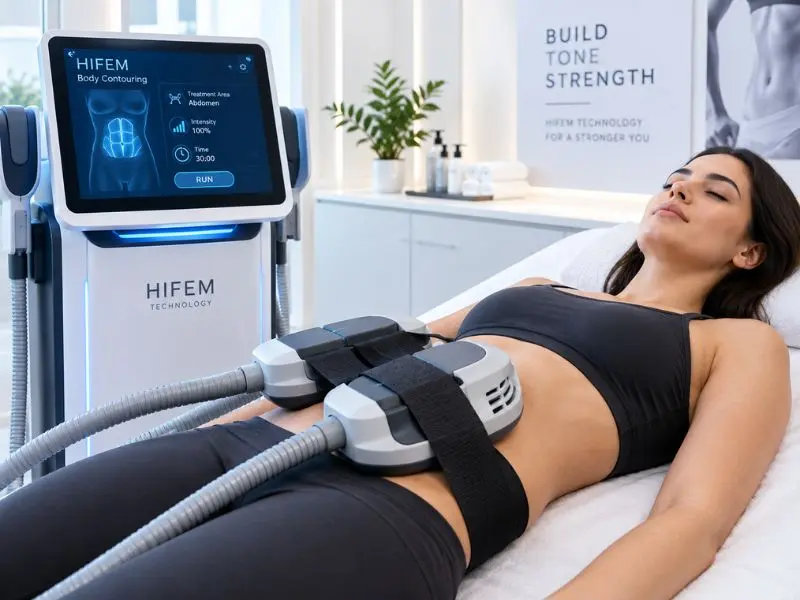
Some professional body-contouring systems use high-intensity focused electromagnetic (HIFEM) technology rather than conventional surface electrodes. These devices create electromagnetic fields that stimulate motor neurons and trigger strong muscle contractions.
Certain systems combine HIFEM with radiofrequency (RF) energy. The electromagnetic component targets muscle activity, while RF generates controlled heat in the treatment area.
It’s important to understand that EMS and HIFEM are not interchangeable terms. Their technologies, treatment settings, intended uses, and supporting clinical evidence can differ.
The FDA regulates medical devices according to their specific indications. A device’s FDA clearance does not automatically mean every claim made by a clinic is proven or that every EMS treatment is cleared for fat reduction.
Benefits of EMS Body Sculpting
EMS body sculpting appeals to people who want additional muscle-conditioning support without undergoing surgery. Its potential benefits depend on the device, treatment area, and individual response.
Supports Muscle Conditioning
Electrical stimulation can activate targeted muscles through repeated contractions. With appropriate settings and a suitable treatment plan, it may help improve muscle strength or firmness.
However, results vary. EMS treatments are not guaranteed to produce the same muscle growth as progressive resistance training.
Non-Invasive Body Contouring
Unlike liposuction, EMS body sculpting does not involve incisions or the surgical removal of tissue. Most treatments allow patients to return to their usual activities shortly afterward.
Some advanced systems are designed to address both muscle conditioning and localized fat reduction. The actual effects depend on the specific technology used.
Convenient Treatment Sessions
A typical appointment lasts around 20 to 30 minutes, depending on the device and treatment area. Patients can receive treatment without changing into gym clothes or completing a conventional workout. Maintaining a balanced lifestyle, including proper nutrition and understanding supplements for heart health, can also support overall wellness.
This convenience may appeal to people with busy schedules, although sessions still require a financial and time commitment.
Targeted Muscle Activation

EMS treatments can focus on selected muscle groups, including the abdomen, buttocks, thighs, and arms. This targeted approach may be useful for people who want to concentrate on specific areas as part of a broader fitness routine.
Still, targeted stimulation cannot guarantee precise body-fat loss or replace a balanced exercise program.
Treatment Areas: Abs, Glutes, Arms, and Thighs
Different devices have different applicators and approved treatment areas. A qualified provider can explain which areas are suitable for the system available at their clinic.
Abdomen
Abdominal treatments focus on muscles such as the rectus abdominis and obliques. Some people choose them to support abdominal muscle conditioning and improve the appearance of their midsection.
However, muscle stimulation alone does not guarantee visible six-pack abs. Body-fat levels, genetics, diet, and overall fitness also influence abdominal definition.
Glutes
Glute-focused treatments aim to stimulate muscles responsible for hip extension and stability. They may appeal to people who want additional support for abs and glutes toning.
EMS cannot guarantee a particular buttock shape or lifting effect. Results depend on the treatment system, muscle condition, and individual anatomy.
Arms
Some professional systems offer treatments for selected upper-arm muscles. The goal is generally to support muscle conditioning rather than remove substantial fat or loose skin.
People with significant excess skin may need to explore other options with a qualified medical professional.
Thighs
Depending on the equipment, certain treatments may target muscles in the front or back of the thighs. These sessions may complement an existing strength-training routine.
Not every EMS device is designed or cleared for every thigh treatment. Always confirm the device’s intended use before scheduling an appointment.
What to Expect During an EMS Body Sculpting Session
Knowing what happens during a session can make the experience less intimidating, especially if you’ve never tried an aesthetic treatment.
Before Your Appointment

Your provider should review your medical history, treatment goals, medications, and any implanted medical devices. They may also assess your muscle condition and discuss whether the treatment is appropriate.
Ask which machine will be used, what its FDA-cleared indications are, and whether the clinic has experience treating your chosen area.
During the Treatment
You’ll usually lie down on a treatment bed while the provider positions applicators or electrodes over the selected muscles.
The machine delivers controlled stimulation that produces repeated contractions. Depending on the device, you may experience a pulling, tightening, tapping, or intense muscle-workout sensation.
Your provider should adjust the settings to a tolerable level. Tell them immediately if you experience sharp pain, burning, unusual discomfort, or symptoms that feel different from expected muscle contractions.
How Many Sessions Are Needed?
Many aesthetic clinics offer treatment plans involving approximately four sessions over two weeks, particularly for certain branded HIFEM systems. However, this is a common commercial protocol, not a universal medical requirement.
The appropriate number of sessions depends on the device, treatment goals, and response. Some people may need additional sessions or maintenance treatments, while others may decide the benefits do not justify further appointments.
Ask for a personalized treatment plan rather than automatically purchasing a large package.
EMS Body Sculpting Results and How Long They Last
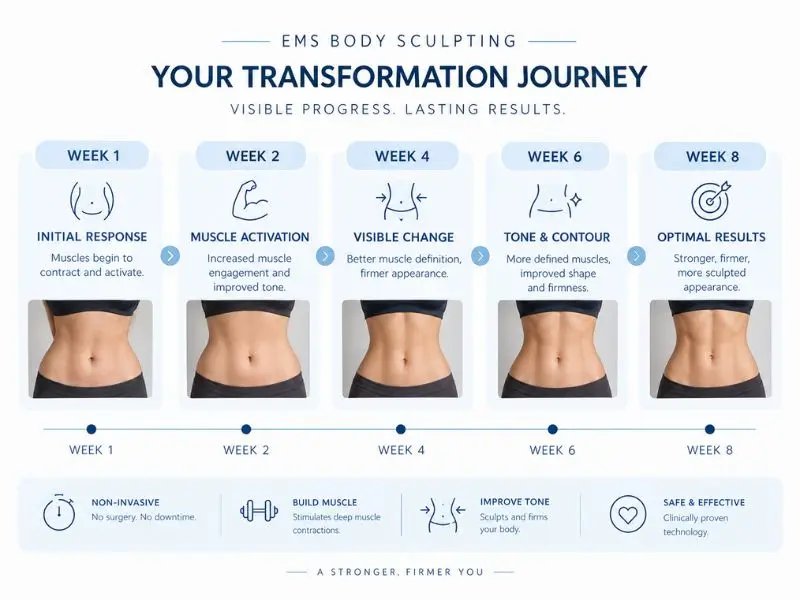
EMS body sculpting results can vary considerably. Factors such as baseline muscle condition, body composition, lifestyle habits, treatment technology, and consistency can all influence the outcome.
When Will You See Results?
Some people notice changes in muscle firmness or appearance within several weeks of completing a treatment series. Others see subtle changes or little visible difference.
When a device combines muscle stimulation with RF energy, the treatment may also produce changes in the appearance of localized fat. These outcomes should not be confused with substantial weight loss.
Before-and-after photographs can be useful, but lighting, posture, and camera angles may exaggerate differences. Look for standardized photographs and realistic clinical explanations.
How Long Do Results Last?
There is no single timeline that applies to every device or patient. Changes in muscle conditioning may fade if you stop exercising and maintaining your fitness routine.
Long-term results can also be affected by aging, weight fluctuations, and changes in physical activity.
Regular resistance training, adequate nutrition, and consistent movement can help support muscle maintenance. Your provider can explain whether maintenance treatments are appropriate for the particular device you receive.
EMS Body Sculpting Cost in the USA

EMS body sculpting cost varies by treatment area, device, clinic location, provider experience, and the number of sessions included in a package. People experiencing weight gain during menopause may also want to understand how hormonal changes and lifestyle factors affect body composition.
In the United States, clinics may charge approximately $750 to $1,500 per session for certain professional muscle-stimulation treatments. A four-session package could therefore cost roughly $3,000 to $6,000. These are illustrative market estimates, not verified national averages or guaranteed clinic prices.
Prices may be higher in major metropolitan areas such as Los Angeles, Miami, and New York. Smaller clinics in other parts of the country may advertise different rates.
What Affects the Total Price?
Several factors influence the final bill:
- Treatment area: Treating multiple areas can increase the total price.
- Device technology: Different systems have different operating costs and treatment protocols.
- Number of sessions: Additional appointments increase the overall expense.
- Clinic location: Local demand and operating costs can affect pricing.
- Maintenance treatments: Some patients choose occasional follow-up sessions.
Before paying, request an itemized quote that identifies the machine, treatment areas, session count, and any additional fees.
Remember that cosmetic treatments are generally not covered by health insurance. Compare the total package price with the cost of a structured fitness program before making a decision.
EMS Body Sculpting Side Effects and Safety
EMS body sculpting is non-surgical, but that does not mean it is completely risk-free. Understanding possible side effects and choosing an appropriate provider are important parts of treatment planning.
Common Side Effects
Some patients may experience temporary effects such as:
- Muscle soreness or fatigue
- Mild discomfort during contractions
- Temporary redness or skin irritation from electrodes
- Muscle tightness after treatment
- Temporary tenderness in the treated area
The type and likelihood of side effects depend on the device and treatment settings.
Potential Safety Concerns
The FDA has received reports of burns, shocks, bruising, skin irritation, and pain associated with certain electrical muscle stimulators. It also warns that electrical stimulation may interfere with implanted devices such as pacemakers and defibrillators.
People with implanted electronic devices, certain metal implants, pregnancy, or particular medical conditions may need to avoid specific technologies or obtain medical clearance.
Some high-intensity treatments may not be appropriate for people with certain neurological, muscular, or cardiovascular conditions. Device-specific instructions and professional screening are essential.
How to Choose a Safe Provider

Before booking, check the following:
- The provider has appropriate training and credentials for the treatment.
- The clinic clearly identifies the device and its intended use.
- Your medical history is reviewed before treatment.
- The provider explains realistic benefits, limitations, and possible complications.
- The clinic follows the manufacturer’s safety and hygiene instructions.
Avoid clinics that promise guaranteed fat loss, dramatic weight reduction, or permanent results. A responsible provider should welcome questions and give you enough information to make an informed choice.
Who Is a Good Candidate for EMS Body Sculpting?
EMS body sculpting may suit adults who are generally healthy, close to their preferred body weight, and interested in supporting muscle conditioning in selected areas.
It may be worth discussing if you:
- Want additional abdominal or glute muscle conditioning.
- Prefer a non-surgical approach.
- Have realistic expectations about visible changes.
- Can maintain a consistent fitness and nutrition routine.
- Understand that results may be modest or temporary.
Who Should Avoid It or Seek Medical Advice?
Not everyone is a suitable candidate. You should speak with a qualified healthcare professional before treatment if you:
- Are pregnant or may be pregnant.
- Have a pacemaker, defibrillator, or another implanted electronic device.
- Have metal implants in or near the treatment area.
- Have a history of seizures or certain neurological conditions.
- Have a significant heart condition or an active medical problem.
- Have a recent injury, surgery, or condition affecting the target muscles.
These are general precautions, not a complete list of contraindications. The exact restrictions vary by device. Never assume that a treatment is safe simply because it is offered at a cosmetic clinic.
If your primary goal is substantial weight loss, EMS is not an appropriate substitute for evidence-based weight-management care.
Tips to Maximize Your Results

A treatment session is only one part of a body-conditioning plan. Healthy habits can support muscle development and help you maintain progress over time.
Combine Treatment With Strength Training
Resistance exercises such as squats, lunges, planks, and rows train muscles through controlled movement and progressive loading.
If your healthcare provider considers it appropriate, combine EMS with a balanced workout schedule. You can build muscle without exercise only to a limited extent through stimulation; regular training offers broader fitness benefits.
Eat a Balanced Diet
Your muscles need adequate protein, carbohydrates, fats, vitamins, and minerals to support recovery and normal function.
Include protein-rich foods such as eggs, fish, chicken, beans, tofu, Greek yogurt, and other suitable options. Avoid extreme diets that promise rapid changes in body shape.
Stay Hydrated and Prioritize Recovery
Drink enough water throughout the day and get sufficient sleep. Allow your muscles to recover between demanding training sessions.
If you experience unusual pain or prolonged soreness after a treatment, contact your provider rather than pushing through it.
Track Progress Realistically
Take photographs under consistent lighting and use the same posture each time. You can also record strength improvements, workout consistency, and how your clothes fit.
Focus on meaningful changes instead of judging your progress by daily fluctuations in weight or appearance.
EMS Body Sculpting vs. CoolSculpting vs. Liposuction vs. Gym Workouts
These methods have different goals. EMS primarily focuses on muscle stimulation, while CoolSculpting targets fat cells, liposuction surgically removes fat, and gym workouts improve overall strength and fitness.
| Method | Invasiveness | Downtime | Average Cost in USA | Results Timeline | Best For |
| EMS body sculpting | Non-invasive | Usually none | About 750–1,500 per session (illustrative estimate) | Several weeks, if effective | Targeted muscle conditioning |
| CoolSculpting | Non-invasive | Usually none; temporary side effects possible | Around $3,200 per treatment area (reported estimate) | Usually several weeks to months | Reducing selected pockets of fat |
| Liposuction | Surgical | Several days to weeks, depending on the procedure | $4,711 average surgeon’s fee; additional costs apply | Swelling improves over weeks to months | Removing localized fat deposits |
| Gym workouts | Non-invasive | No procedure-related downtime | Varies; free to hundreds of dollars monthly | Gradual changes over weeks to months | Strength, fitness, and muscle development |
Costs are approximate and not directly equivalent. The CoolSculpting figure is a reported estimate, while the liposuction figure reflects the average surgeon’s fee reported by the American Society of Plastic Surgeons, excluding additional expenses. Actual quotes vary by provider and treatment plan.
Frequently Asked Questions
1. Does EMS Body Sculpting Actually Work?
EMS can stimulate muscle contractions and may support muscle conditioning, but visible results vary by device, treatment plan, and individual response.
2. Can EMS Body Sculpting Help Reduce Belly Fat?
Some advanced systems are designed to address localized fat as well as muscle conditioning, but EMS alone is not a proven weight-loss solution.
3. Is EMS Body Sculpting Painful?
Most people describe strong muscle contractions or discomfort rather than sharp pain, although individual experiences and device settings vary.
4. How Much Does EMS Body Sculpting Cost in the USA?
Some clinics charge approximately $750 to $1,500 per session, but the final price depends on the device, location, and number of treatments.
5. Is EMS Body Sculpting Better Than CoolSculpting?
Neither method is universally better: EMS focuses primarily on muscle stimulation, while CoolSculpting is designed to reduce selected fat deposits.
Conclusion
EMS body sculpting offers a non-surgical way to stimulate targeted muscles and may help some people improve muscle conditioning and body appearance. However, its results are not guaranteed, and it cannot replace regular exercise, adequate daily protein intake, or appropriate medical care.
If you’re considering EMS body sculpting, start by identifying your goals and discussing your options with a licensed, qualified provider. Ask about the device, FDA-cleared uses, expected results, total cost, and potential risks before committing to a treatment plan.