

If you are starting strength training, one of the biggest questions you may have is how much protein to gain muscle. Protein is important for building and repairing muscle tissue, but eating extremely large amounts does not automatically mean you will build muscle faster.
This guide explains how much protein to gain muscle, how to calculate your needs, the best protein sources, when to eat protein, and common mistakes beginners should avoid. By the end, you will have a simple plan you can use with your workouts and regular meals.
What Is How Much Protein to Gain Muscle?
The phrase how much protein to gain muscle simply means figuring out the amount of protein your body may need each day to support muscle growth.
Protein is one of the three main macronutrients, along with carbohydrates and fats. It is made from amino acids, which your body uses for many important functions, including building and repairing tissues.
When you perform resistance training, such as weightlifting, your muscles are challenged. Your body then needs time, energy, and nutrients to recover. Getting enough dietary protein can help support this recovery process.
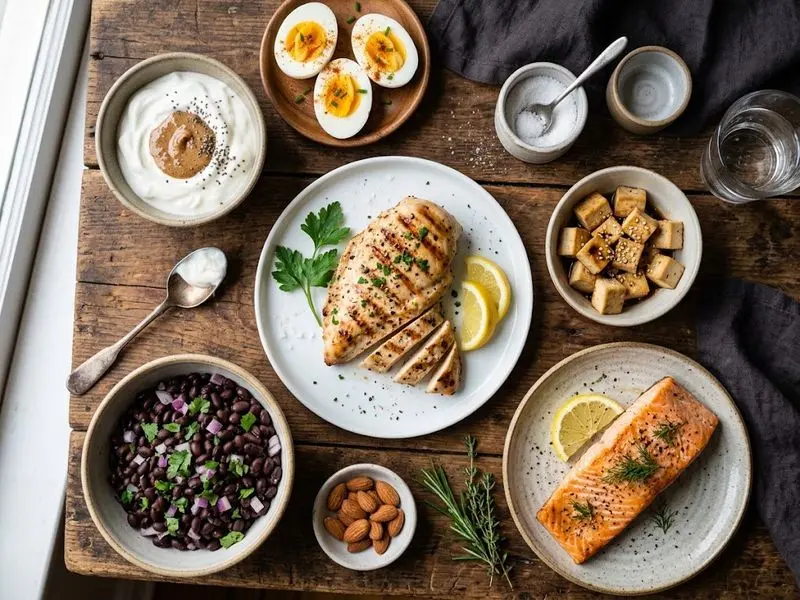
For most healthy adults who regularly perform resistance training, research commonly supports a daily protein intake around 1.4 to 2.0 grams per kilogram of body weight. Some people may benefit from amounts closer to the upper end depending on their goals, training, calorie intake, and body composition.
For example, a person who weighs 70 kilograms may aim for roughly 98 to 140 grams of protein per day.
The answer to how much protein to gain muscle is not exactly the same for everyone. A beginner, a larger athlete, and someone trying to lose fat may have different needs.
How Does Protein Gain Muscle Work?
Understanding how much protein to gain muscle starts with understanding how muscle growth happens.
Resistance training gives your muscles a reason to grow stronger and adapt over time. Your body responds to consistent training by repairing and strengthening muscle tissue over time.
Protein supplies your body with amino acids to help support muscle repair and growth. However, protein alone does not build muscle without a reason for the muscle to grow. Regular resistance training is the main signal.
How Much Protein to Gain Muscle and Body Weight
A practical way to estimate protein intake is to use your body weight.
A commonly used range for people who train regularly is:
- 1.4 — 1.6 g/kg: May suit some beginners and recreational exercisers.
- 1.6–2.0 g/kg: A practical range for many people focused on muscle growth.
- Up to around 2.2 g/kg: May be useful in some situations, especially during calorie restriction.
You can also think about protein in pounds. A general target of approximately 0.7 to 0.9 grams per pound of body weight is often used for people focused on building muscle.
The exact amount matters less than consistently getting enough protein, training well, and eating enough total calories for your goal.
Muscle Protein Synthesis
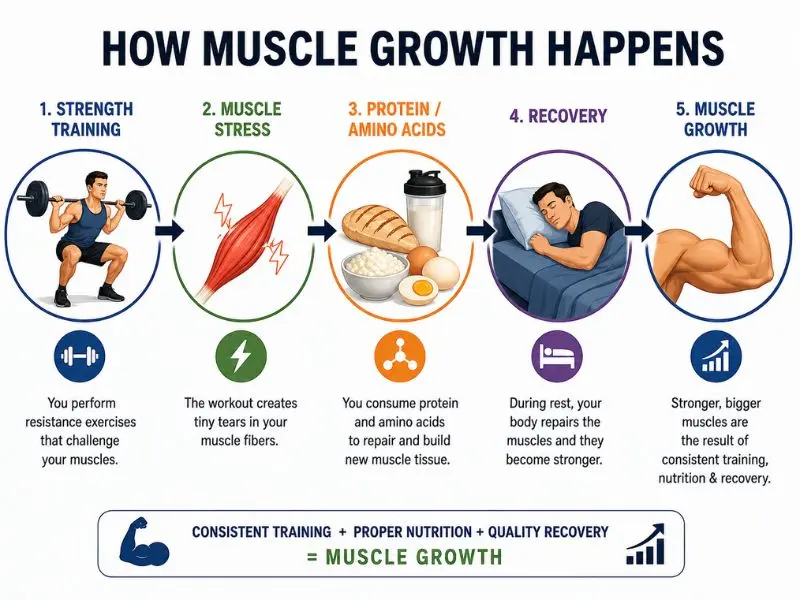
Muscle protein synthesis is the natural process your body uses to repair and build muscle tissue.
Eating protein provides amino acids, while resistance exercise increases the body’s need to repair and adapt muscle tissue. Combining regular training with adequate protein supports this process.
This is why the question is not only how much protein to gain muscle, but also whether you are training consistently.
Benefits of Getting Enough Protein for Muscle Growth
Getting an appropriate amount of protein can provide several benefits when combined with a good exercise routine.
Supports Muscle Recovery
After challenging workouts, your muscles need time and nutrients to recover. Protein provides amino acids that help support normal muscle repair.
Helps Build and Maintain Muscle
Adequate protein intake can support muscle growth during resistance training. It can also help preserve muscle when you are losing weight.
May Help You Feel Full
Protein-rich foods can be filling. This may help people manage hunger while following a meal plan.
Makes Meals More Balanced
Including protein in meals can encourage a more balanced eating pattern. Instead of relying mostly on highly processed snacks, you can combine protein with carbohydrates, healthy fats, fruits, and vegetables.
Supports Other Body Functions
Protein is not only important for muscles. Your body also uses protein to support tissues, enzymes, hormones, and many other normal functions.
Comparison Table
The table below shows common protein-rich foods and how they can fit into a muscle-building diet.
| Protein Source | Main Benefit | Best For | Important Consideration |
| Chicken breast | High protein with relatively little fat | Lean muscle meals | Portion size affects total calories |
| Eggs | Convenient and nutrient-rich | Breakfast and snacks | Protein amount varies by serving |
| Greek yogurt | Easy, high-protein option | Quick meals and snacks | Choose based on added sugar and fat preferences |
| Fish | Provides protein and other nutrients | Lunch or dinner | Some types are higher in fat than others |
| Lean beef | Protein plus important nutrients | Hearty meals | Choose leaner cuts when needed |
| Cottage cheese | Slow-digesting dairy protein | Snacks or evening meals | Check sodium and fat content |
| Tofu | Plant-based protein option | Vegetarian meals | Protein varies by brand and firmness |
| Beans and lentils | Protein plus fiber | Plant-based diets | Usually provide less protein per calorie than some animal foods |
| Whey protein | Quick and convenient | Busy schedules | A supplement, not a requirement |
The best choice depends on your preferences, budget, dietary needs, and total daily protein target.
How to Get the Best Results
Knowing how much protein to gain muscle is useful, but your daily habits matter just as much.
Step 1: Calculate a Starting Protein Target
Start with your body weight.
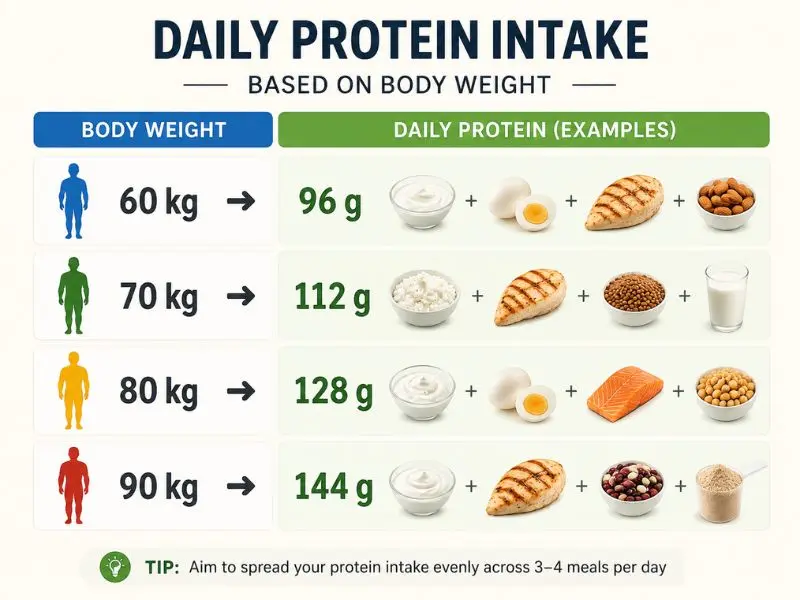
If you train regularly for muscle growth, a target around 1.6 grams per kilogram of body weight can be a simple starting point for many people.
For example:
- 60 kg person: about 96 g of protein
- 70 kg person: about 112 g of protein
- 80 kg person: about 128 g of protein
- 90 kg person: about 144 g of protein
You can rewrite it as:
You do not have to reach the exact amount every single day. Aim to stay within a practical protein range instead.
Step 2: Spread Protein Across Your Meals
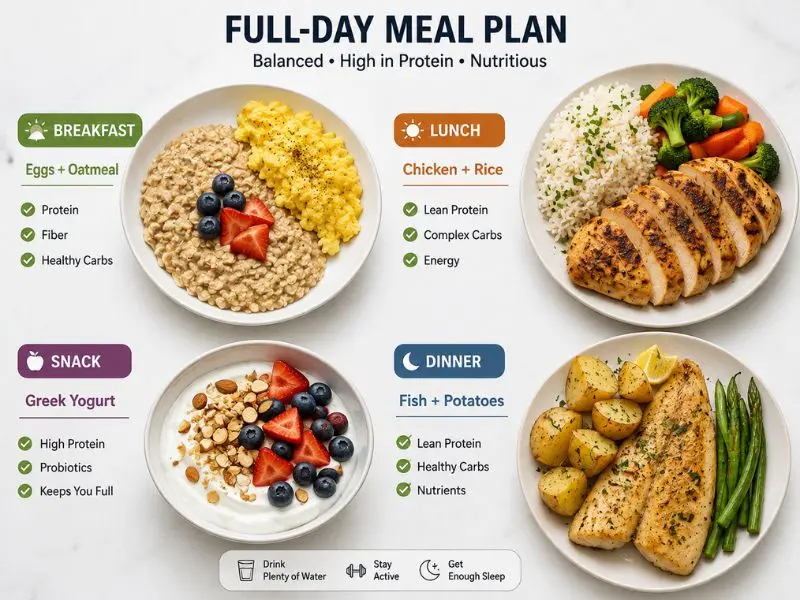
Instead of eating nearly all your protein in one meal, spread it throughout the day.
For example, you might include protein in:
- Breakfast
- Lunch
- Dinner
- One or two snacks
A simple approach could be 25 to 40 grams of protein at each main meal, depending on your body size and daily target.
Step 3: Choose Different Protein Sources
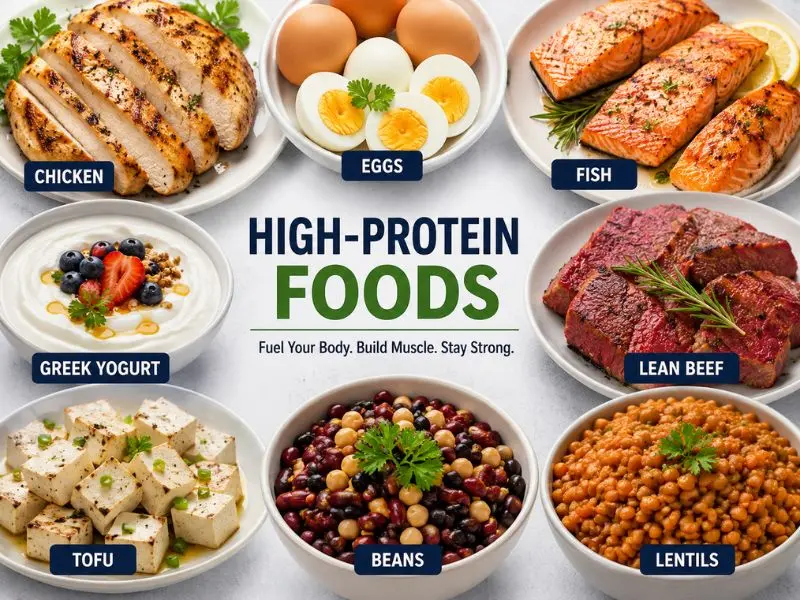
You do not need to eat chicken every day.
A varied diet can include eggs, dairy, fish, poultry, lean meat, tofu, beans, and lentils. If you want to make these foods easier to include in your routine, try preparing a few high-protein meals in advance for the week.
Different foods also provide different vitamins, minerals, fats, and carbohydrates.
Step 4: Train for Progressive Improvement
Protein cannot replace training.
Focus on resistance exercises such as:
- Squats
- Push-ups
- Bench presses
- Rows
- Pull-downs
- Deadlifts or hip hinges
- Overhead presses
Try to gradually improve your training over time by adding repetitions, improving technique, or carefully increasing resistance.
Step 5: Eat Enough Calories
If your goal is maximum muscle growth, you usually need enough total food to support training and recovery.
A small calorie surplus may help some people gain muscle more effectively. However, eating a very large surplus can lead to unnecessary fat gain.
If you are a beginner, you may also be able to improve body composition without an aggressive calorie surplus.
Step 6: Prioritize Sleep and Recovery
Muscle growth does not happen only while you are exercising.
Your body needs recovery between workouts. Aim for regular, good-quality sleep and avoid training the same muscles intensely without enough recovery time.
Common Mistakes to Avoid
Eating Too Little Protein
One common mistake is eating very little protein while expecting major muscle growth.
If you regularly fall far below your protein needs, it may be harder to support your training and muscle-building goals.
Eating Excessive Amounts
More is not always better.
Once you are already getting enough protein, adding huge amounts may provide little extra benefit for muscle growth and can make your diet unnecessarily expensive or difficult to follow.
Ignoring Total Calories
You can understand how much protein to gain muscle and still struggle if your overall food intake does not match your goal.
Protein is important, but carbohydrates and fats also support energy, health, and training performance.
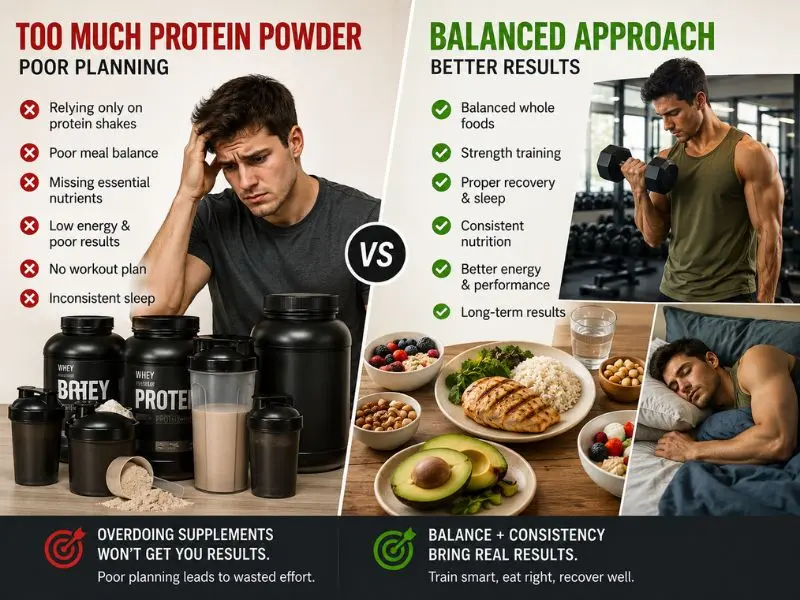
Relying Only on Protein Shakes
Protein powder can be convenient, but it is not required.
Whole foods can provide protein along with other useful nutrients. Use shakes when they make your routine easier, not because you think they are mandatory.
Training Without Progression
Eating 150 grams of protein will not fix an ineffective workout routine.
Track your exercises and work toward gradual improvement over time.
Expecting Fast Results
Muscle gain is usually a slow process.
Beginners may notice progress faster at first, but long-term muscle growth takes consistency. Avoid changing your entire diet every week because you do not see instant results.
Tips for Beginners
If you are new to fitness, keep your plan simple.
First, figure out approximately how much protein to gain muscle based on your body weight. Then build regular meals around easy protein sources that you actually enjoy eating.
You do not need a perfect meal plan. Start by adding a quality protein source to each main meal.
For example:
- Breakfast: Eggs with oatmeal and fruit
- Lunch: Chicken, rice, and vegetables
- Snack: Greek yogurt with fruit
- Dinner: Fish, potatoes, and vegetables
If you follow a plant-based diet, you can use tofu, tempeh, beans, lentils, soy products, and other suitable foods.
Meal preparation can also make hitting your protein target easier. Cook several servings of protein at once so you have food ready during busy days.
Finally, track your progress for several weeks. Watch your strength, body weight, measurements, and how you feel during training instead of focusing on one number alone.
Who Should Be Careful?
Most healthy people can include adequate protein as part of a balanced diet, but some people should get individual guidance before making major changes.
People with kidney disease or other medical conditions affecting protein intake should speak with a qualified healthcare professional before significantly increasing dietary protein.
The same applies if you have been given a medically prescribed diet or have questions about supplements.
Teenagers, pregnant people, older adults, and highly active athletes may also have individual nutritional needs. A registered dietitian can provide personalized guidance.
If you are unsure about how much protein to gain muscle for your specific situation, it is better to get advice based on your health, activity level, and overall diet rather than copying someone else’s plan.
Frequently Asked Questions
How much protein should I eat daily to gain muscle?
Many people who strength train aim for roughly 1.6–2.0 grams of protein per kilogram of body weight per day.
Can I gain muscle with 100 grams of protein a day?
Yes, if 100 grams is appropriate for your body size, total diet, and training routine.
Is more protein always better for muscle growth?
No, extremely high protein intake does not automatically produce more muscle once your needs are already met.
Should I drink a protein shake after every workout?
No, a shake is optional if you can meet your daily protein needs through regular food.
How much protein to gain muscle if I am trying to lose fat?
People in a calorie deficit often benefit from adequate protein, with the ideal amount depending on body size, activity, and individual circumstances.
Conclusion
Understanding how much protein to gain muscle can make your nutrition plan much simpler, but the goal is not to chase the highest possible number. Start with a realistic protein target based on your body weight, spread protein across your meals, and include high-protein snacks when you need an easy way to increase your daily protein intake. Combine adequate protein with progressive resistance training, enough recovery, and a balanced diet that matches your calorie goals. Stay consistent for several weeks, track your progress, and make small adjustments instead of expecting overnight results.
