

Building muscle is not just about lifting weights it also depends on eating the right foods every day. High Protein Meals for Muscle Gain provide the protein your muscles need to recover after workouts, repair damaged muscle fibers, and support steady muscle growth.
Whether your goal is to gain lean muscle, improve strength, or recover faster, choosing balanced meals with protein, healthy carbohydrates, and good fats can make a big difference. In this guide, you’ll discover the best High Protein Meals for Muscle Gain, their benefits, and simple meal ideas to help you reach your fitness goals.
High Protein Meals for Muscle Gain
Building muscle takes more than lifting heavy weights. Your body also needs the right fuel every day. Eating high protein meals for muscle gain gives your muscles the amino acids they need to recover, grow, and become stronger after training.
Choosing balanced meals with quality protein, healthy carbohydrates, and good fats can improve recovery, support muscle growth, and help you reach your fitness goals faster. Whether you train at home or in the gym, choosing high protein meals for muscle gain can make a noticeable difference in your muscle growth and overall results over time.
What Are High Protein Meals for Muscle Gain?
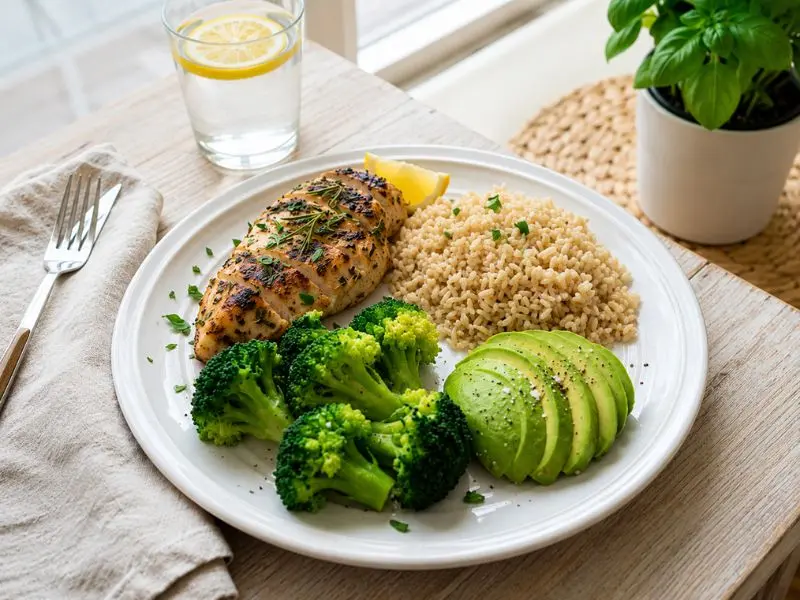
High protein meals for muscle gain are meals that provide a large amount of protein along with other nutrients your body needs to build lean muscle. Protein repairs tiny muscle fibers that break down during strength training. As those fibers heal, they become larger and stronger.
Most muscle-building meals also include complex carbohydrates. Carbs refill your energy stores after exercise and help you perform better during your next workout. Healthy fats in high protein meals for muscle gain help your body produce hormones that play an important role in muscle growth.
A balanced high-protein meal usually contains:
- A quality protein source
- Complex carbohydrates
- Healthy fats
- Vegetables or fruits
- Plenty of water
Common protein-rich foods include:
- Chicken breast
- Turkey
- Lean beef
- Eggs
- Salmon
- Tuna
- Greek yogurt
- Cottage cheese
- Milk
- Tofu
- Tempeh
- Lentils
- Beans
- Protein powder
Many people think supplements are better than high protein meals for muscle gain, but whole foods are often enough. While protein powders can be convenient, whole foods should provide most of your daily protein because they also contain vitamins, minerals, and other nutrients.
How Do High Protein Meals Help Build Muscle?
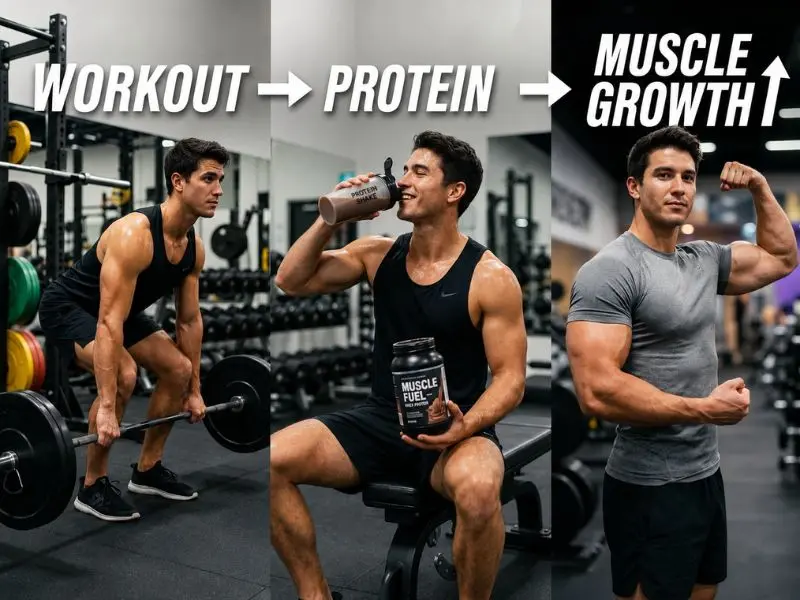
Your muscles constantly repair themselves after resistance training. Protein supplies essential amino acids that help rebuild damaged muscle fibers.
When you combine:
- Progressive strength training
- Enough daily protein
- Sufficient calories
- Quality sleep
your body enters a better environment for muscle growth.
Muscle Protein Synthesis
After a workout, your body increases muscle protein synthesis. This process helps repair damaged muscles and build new muscle tissue. Eating high protein meals for muscle gain throughout the day supports this natural process.
Research suggests spreading protein intake across multiple meals may be more effective than eating most of it at dinner.
Better Workout Recovery
Protein helps repair muscle damage after exercise.
Good recovery means:
- Less soreness
- Better performance
- Faster healing
- More consistent training
Supports Lean Muscle Growth
Eating enough protein while following a strength-training program helps increase lean muscle instead of simply gaining body weight.
Helps Maintain Muscle During Fat Loss
Many people want to burn fat while keeping their hard-earned muscles. High-protein meals can help preserve muscle mass while reducing body fat when combined with resistance exercise.
Benefits of High Protein Meals for Muscle Gain
Choosing healthy high protein meals for muscle gain offers several important benefits beyond building muscle.
Faster Muscle Recovery
Protein provides the building blocks your muscles need after tough workouts, allowing them to recover more efficiently.
Increased Lean Muscle Mass
Consistent protein intake supports long-term muscle development when paired with regular strength training.
Improved Strength
Growing stronger muscles often leads to better performance during weightlifting and everyday activities.
Better Workout Performance
Balanced meals provide steady energy, helping you train harder and longer.
Reduced Hunger
Protein is filling and may help reduce unnecessary snacking between meals.
Supports Healthy Metabolism
Muscle tissue burns more calories than fat tissue, making muscle-building an important part of overall fitness.
Better Bone Health
Protein-rich foods like dairy products also provide calcium, phosphorus, and vitamin D, which support healthy bones.
Stable Energy Levels
Balanced meals containing protein, carbohydrates, and healthy fats help maintain energy throughout the day.
Comparison Table: Popular High Protein Meals for Muscle Gain
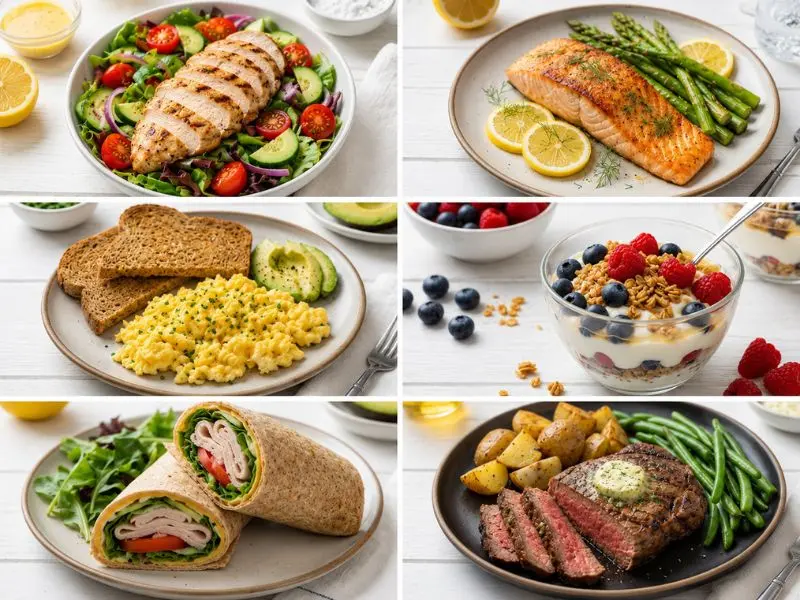
| Meal | Protein | Carbs | Healthy Fats | Best Time to Eat | |
| Grilled Chicken with Brown Rice | High | High | Low | Lunch or Dinner | |
| Salmon with Sweet Potato | High | Medium | High | Dinner | |
| Greek Yogurt with Berries | High | Medium | Low | Breakfast or Snack | |
| Eggs with Oatmeal | High | High | Medium | Breakfast | |
| Turkey Wrap | High | Medium | Low | Lunch | |
| Cottage Cheese with Fruit | High | Low | Low | Evening Snack | |
| Lean Beef with Quinoa | High | Medium | Medium | Dinner |
Best High Protein Meals for Muscle Gain
Grilled Chicken Breast with Brown Rice
This classic meal remains one of the best high protein meals for muscle gain because it combines lean protein with slow-digesting carbohydrates.
Why it works
Chicken breast provides complete protein, while brown rice replenishes glycogen stores after training.
Approximate nutrition
- Protein: 45–50 g
- Carbohydrates: 45 g
- Fat: 6 g
Add these vegetables
- Broccoli
- Green beans
- Spinach
- Carrots
- Bell peppers
The vegetables add fiber, vitamins, and antioxidants without adding many calories.
Salmon with Sweet Potato
Salmon is a great choice for anyone looking to add more protein to meals for muscle gain. It provides complete protein along with omega-3 fatty acids, which may help support recovery after intense workouts.
Why it works
Salmon delivers high-quality protein, while sweet potatoes provide complex carbohydrates for long-lasting energy.
Approximate nutrition
- Protein: 38–42 g
- Carbohydrates: 35 g
- Fat: 15–18 g
Best vegetables to serve with salmon
- Asparagus
- Broccoli
- Brussels sprouts
- Green beans
- Mixed salad
This meal is perfect for dinner because it is filling, nutritious, and supports overnight recovery.
Lean Beef with Quinoa
Lean beef is rich in complete protein, iron, zinc, and vitamin B12. These nutrients help support muscle growth, energy production, and overall health.
Why it works
Quinoa is a whole grain that also contains protein and fiber.Lean beef and quinoa together make a well-balanced meal that supports muscle growth.
Approximate nutrition
- Protein: 42 g
- Carbohydrates: 40 g
- Fat: 12 g
Healthy additions
- Spinach
- Tomatoes
- Cucumbers
- Avocado
- Olive oil dressing
Eggs with Oatmeal
Eggs are affordable, easy to prepare, and packed with complete protein. Pairing them with oatmeal creates one of the easy high protein meals for muscle gain.
Why it works
Eggs supply essential amino acids, while oats provide slow-digesting carbohydrates that help fuel your workouts.
Approximate nutrition
- Protein: 28–32 g
- Carbohydrates: 35–40 g
- Fat: 15 g
Easy breakfast ideas
- Scrambled eggs with oats
- Boiled eggs with oatmeal
- Omelet with vegetables and oats
- Egg whites with cinnamon oatmeal
Turkey Breast Wrap
Turkey breast is another excellent lean protein choice. It is low in fat but high in protein, making it ideal for muscle gain.
Why it works
Whole wheat tortillas provide carbohydrates, while vegetables add fiber and vitamins.
Approximate nutrition
- Protein: 35–40 g
- Carbohydrates: 30–35 g
- Fat: 8 g
Healthy fillings
- Lettuce
- Tomatoes
- Spinach
- Cucumbers
- Avocado
- Greek yogurt sauce
This is one of the easiest meals to prepare for work or school.
Greek Yogurt Protein Bowl
Greek yogurt contains both whey and casein protein. This combination supports muscle recovery throughout the day.
Why it works
Adding fruit, nuts, and seeds increases vitamins, minerals, and healthy fats.
Approximate nutrition
- Protein: 28–35 g
- Carbohydrates: 25 g
- Fat: 8–10 g
Healthy toppings
- Blueberries
- Strawberries
- Bananas
- Chia seeds
- Pumpkin seeds
- Almonds
Cottage Cheese with Fruit
Cottage cheese is naturally high in casein protein, which digests slowly.
Many athletes enjoy this meal before bed because it provides a steady supply of amino acids while sleeping.
Best fruits to pair with cottage cheese
- Pineapple
- Peaches
- Apples
- Blueberries
- Grapes
Healthy High Protein Meals for Muscle Gain
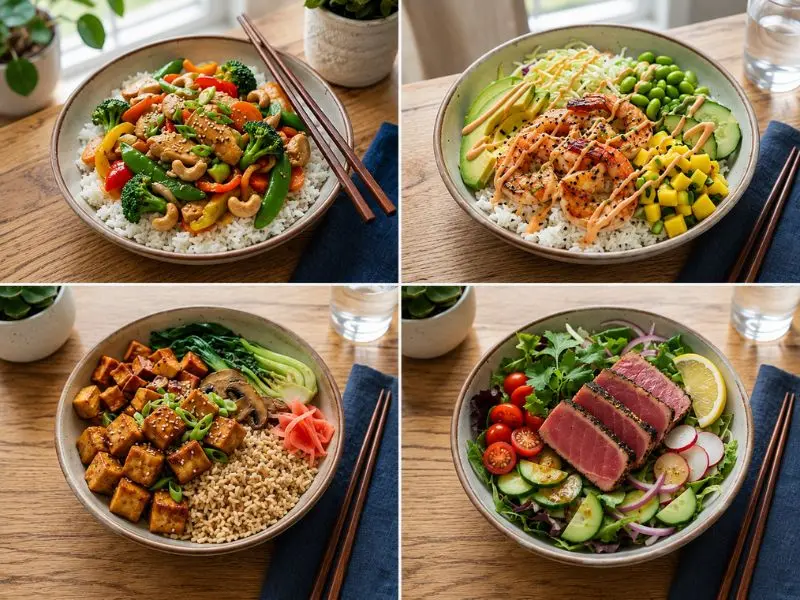
Eating healthy does not mean sacrificing flavor. Focus on nutrient-dense foods that support muscle growth and overall wellness.
Chicken Stir-Fry
Ingredients
- Chicken breast
- Brown rice
- Mixed vegetables
- Garlic
- Ginger
- Low-sodium soy sauce
Protein: 40 g
Shrimp with Rice
Shrimp provides plenty of protein while staying naturally low in fat.
Serve it with:
- Brown rice
- Broccoli
- Bell peppers
- Carrots
Protein: 35 g
Tuna Salad
Mix tuna with:
- Greek yogurt instead of mayonnaise
- Celery
- Tomatoes
- Lettuce
- Whole-grain bread
Protein: 35–40 g
Chicken Burrito Bowl
A balanced bowl can include:
- Grilled chicken
- Brown rice
- Black beans
- Corn
- Salsa
- Avocado
- Lettuce
Protein: 45 g
Tofu Power Bowl
For vegetarians, tofu is a great protein source.
Add:
- Quinoa
- Broccoli
- Edamame
- Carrots
- Sesame seeds
Protein: 30–35 g
Easy High Protein Meals for Muscle Gain
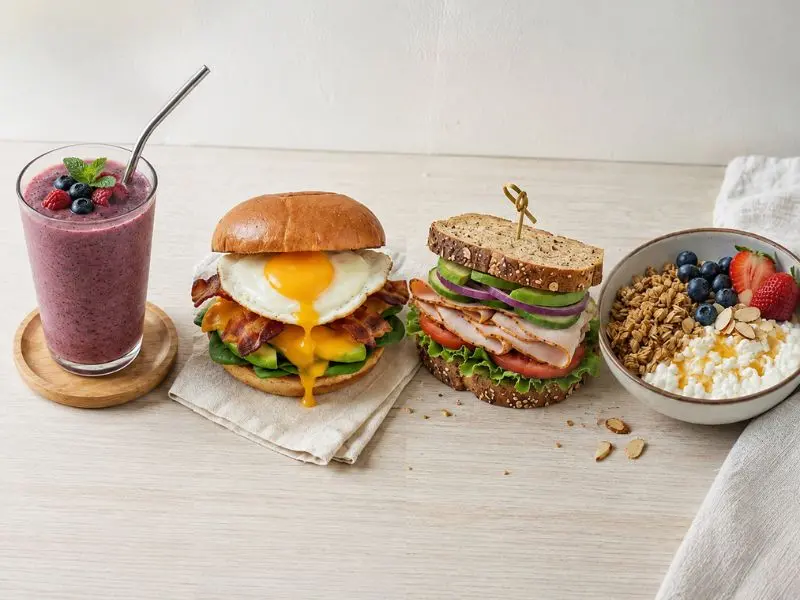
Busy schedules should not stop you from eating well. These meals are quick to prepare and rich in protein.
Protein Smoothie
Blend together:
- Whey protein
- Milk
- Banana
- Oats
- Peanut butter
Protein: 35–45 g
Egg Sandwich
Use:
- Whole wheat bread
- Eggs
- Cheese
- Spinach
Protein: 30 g
Chicken Salad
Mix:
- Chicken breast
- Lettuce
- Tomatoes
- Cucumbers
- Olive oil
Protein: 40 g
Turkey Sandwich
Whole-grain bread with turkey breast, lettuce, tomatoes, and mustard makes a simple meal for lunch.
Protein: 35 g
Cottage Cheese Bowl
Top cottage cheese with berries, walnuts, and honey for a quick snack.
Protein: 28 g
How Much Protein Do You Need for Muscle Gain?
Protein needs vary depending on your body weight, training level, and goals.
General guidelines include:
| Activity Level | Protein Intake |
| Sedentary Adult | 0.8 g per kg of body weight |
| Recreational Exercise | 1.0–1.2 g/kg |
| Regular Strength Training | 1.4–1.8 g/kg |
| Muscle Gain Goal | 1.6–2.2 g/kg |
For example:
- A person weighing 70 kg (154 lb) may benefit from 112–154 grams of protein per day when aiming to build muscle.
Instead of eating all your protein in one meal, try spreading it across breakfast, lunch, dinner, and snacks. This approach supports muscle protein synthesis throughout the day and makes it easier to meet your daily protein target.
Meal Timing for Muscle Gain
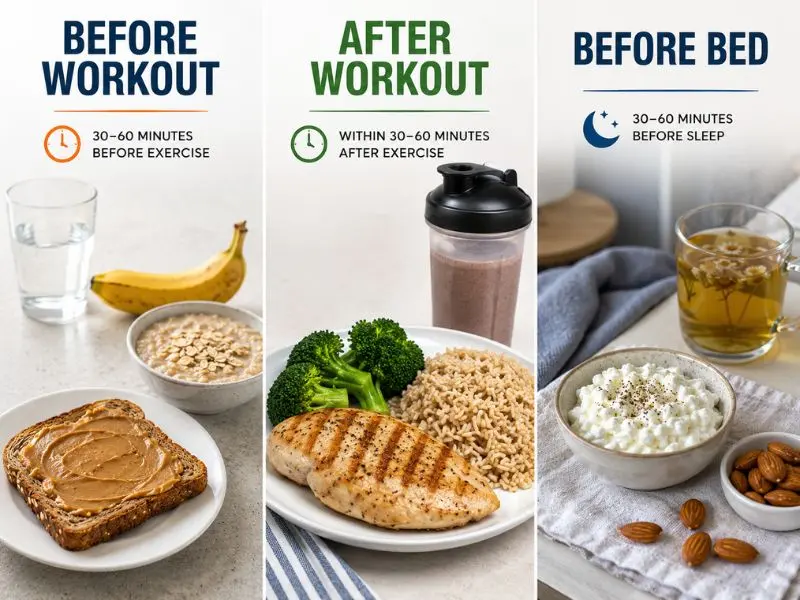
Eating enough protein throughout the day is more important than eating one huge meal. Aim to include high protein meals for muscle gain and protein-rich snacks throughout the day.
Before Your Workout
A balanced meal 2–3 hours before training can provide energy and support performance.
Choose foods like:
- Grilled chicken with rice
- Oatmeal with Greek yogurt
- Turkey sandwich on whole-grain bread
- Eggs with whole-wheat toast
After Your Workout
Within 1–2 hours after exercise, eat a meal that includes protein and carbohydrates to support recovery.
Good post-workout meals include:
- Grilled chicken with brown rice
- Salmon with sweet potato
- Lean beef with quinoa
- Protein smoothie with fruit
Before Bed
Slow-digesting protein may support overnight muscle recovery.
Good bedtime snacks include:
- Cottage cheese
- Greek yogurt
- Casein protein shake
- Milk with a handful of almonds
This meal plan provides a variety of protein sources while keeping meals balanced and easy to prepare.
Foods to Include in High Protein Meals
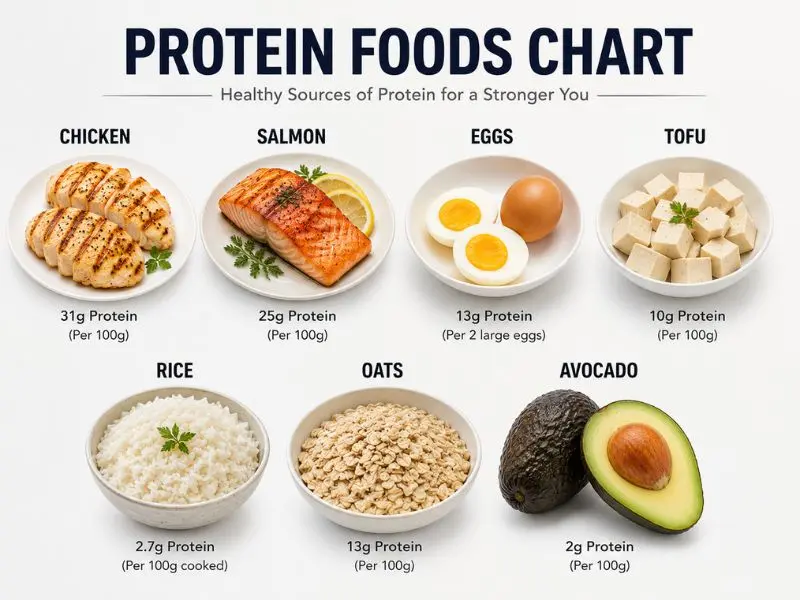
A balanced muscle-building diet should include different sources of protein, healthy fats, and carbohydrates.
Lean Protein Sources
- Chicken breast
- Turkey breast
- Lean beef
- Salmon
- Tuna
- Shrimp
- Eggs
- Greek yogurt
- Cottage cheese
Plant-Based Protein Sources
- Tofu
- Tempeh
- Lentils
- Chickpeas
- Black beans
- Edamame
- Quinoa
Healthy Carbohydrates
- Brown rice
- Oats
- Sweet potatoes
- Whole-grain bread
- Whole-wheat pasta
- Quinoa
- Fruits
Healthy Fats
- Avocados
- Olive oil
- Almonds
- Walnuts
- Chia seeds
- Flaxseeds
- Peanut butter
Common Mistakes to Avoid
Many people train hard but make nutrition mistakes that slow their progress.
Skipping Meals
Missing meals can make it harder to reach your daily protein and calorie goals.
Not Eating Enough Protein
Muscles need enough protein every day, not just after workouts.
Depending Only on Protein Shakes
Protein supplements are helpful, but whole foods should be your main source of nutrition.
Ignoring Carbohydrates
Carbohydrates provide energy for workouts and help replenish glycogen after training.
Eating Too Few Calories
Building muscle usually requires enough daily calories in addition to adequate protein.
Forgetting Vegetables
Vegetables provide essential vitamins, minerals, fiber, and antioxidants that help your body recover and stay healthy.
Poor Hydration
Water helps transport nutrients and supports normal muscle function.
Expert Tips for Building Muscle

- Aim for 20–40 grams of protein in each meal.
- Include protein in every breakfast.
- Prepare meals in advance to stay consistent.
- Choose lean protein most of the time.
- Strength train at least 3–5 days each week.
- Progressively increase your training intensity.
- Sleep 7–9 hours every night.
- Drink enough water throughout the day.
- Combine protein with complex carbohydrates after workouts.
- Stay consistent, as muscle growth takes time.
Frequently Asked Questions(FAQs)
1. Which high protein meals are best for muscle gain?
Chicken, salmon, lean beef, eggs, Greek yogurt, and turkey meals are excellent choices.
2. How much protein should I eat daily for muscle gain?
Most active adults benefit from about 1.6–2.2 grams of protein per kilogram of body weight.
3. Can I build muscle without protein powder?
Yes, whole foods can provide all the protein many people need for muscle growth.
4. Are healthy high protein meals for muscle gain good for weight loss?
Yes, they can help preserve muscle while supporting fat loss when calories are controlled.
5. What should I eat after a workout?
Choose a meal with lean protein and complex carbohydrates within two hours after training.
Conclusion
Choosing high protein meals for muscle gain can help you recover faster, build lean muscle, and improve your training results. Focus on eating balanced meals with quality protein, complex carbohydrates, healthy fats, and plenty of vegetables, and stay consistent with both your nutrition and strength-training routine.
