
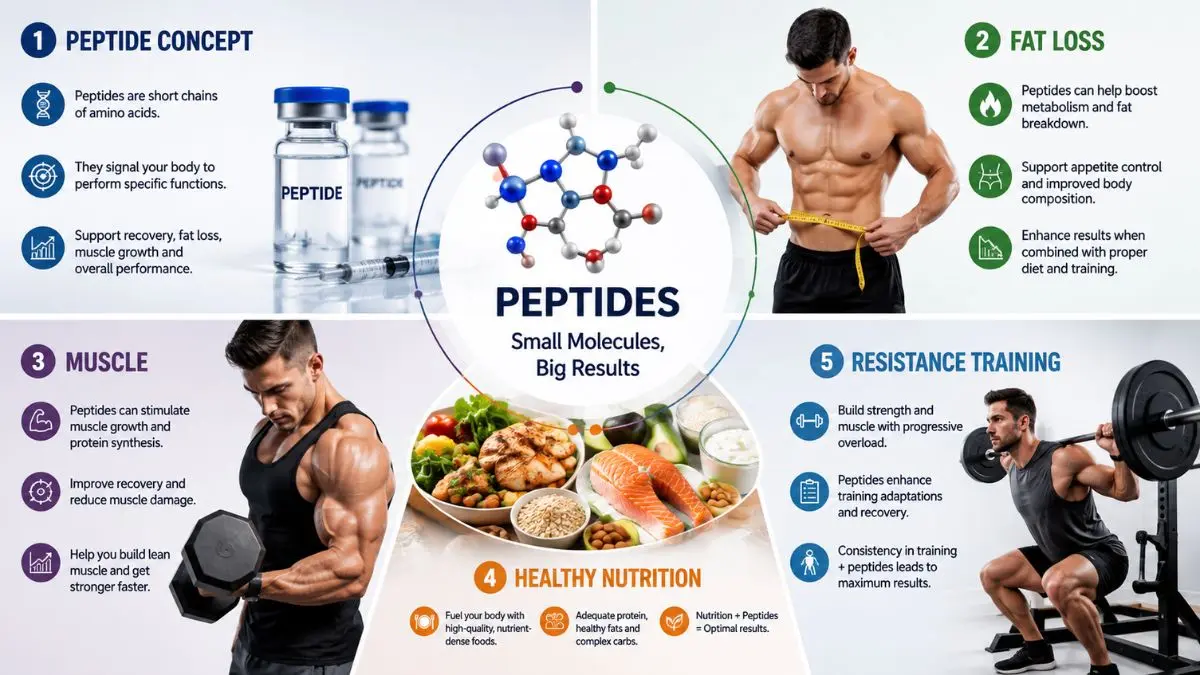
Peptides for weight loss and muscle gain have become a popular topic in the fitness and wellness world. Some peptide-based medicines can help with appetite control and weight management, while other compounds are marketed for muscle growth, recovery, or fat loss. However, these products are not all equally studied, approved, or safe. Understanding the difference between evidence-based treatments and experimental peptides can help you make better decisions.
This guide explains how peptides for weight loss and muscle gain work, which options have meaningful human evidence, what the research does and does not show, and how nutrition, resistance training, sleep, and medical supervision fit into the bigger picture. It also covers common risks associated with unapproved peptide products so you can approach the subject realistically.
What Are Peptides for Weight Loss and Muscle Gain?
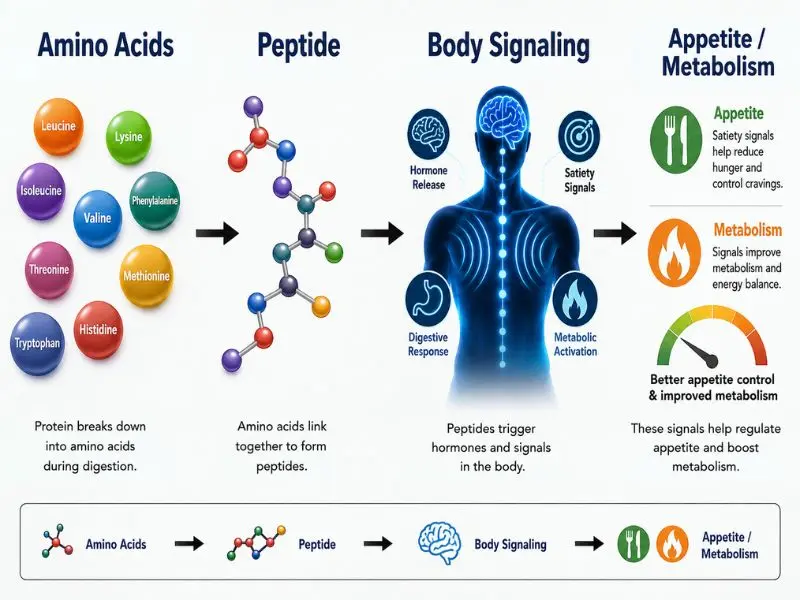
Peptides are short chains of amino acids that can act as signaling molecules in the body. Some naturally occurring peptides influence appetite, blood sugar, digestion, growth hormone pathways, tissue repair, and other biological processes.
The phrase peptides for weight loss and muscle gain is broad, though, and it can be misleading because different peptides can have very different effects.
For example, semaglutide and tirzepatide are peptide-based prescription medicines used for specific medical purposes. They can support weight loss by affecting appetite and food intake. Tirzepatide activates receptors for GLP-1 and GIP, two hormones involved in appetite and metabolism. The FDA approved Zepbound (tirzepatide) for chronic weight management in adults with obesity or overweight plus at least one weight-related condition, alongside a reduced-calorie diet and increased physical activity.
That does not mean these medicines directly build muscle.
Other compounds commonly discussed online include BPC-157, CJC-1295, ipamorelin, AOD-9604, and related substances. Many are promoted as muscle building peptides or fat-loss compounds, but evidence in humans can be limited, and some are not FDA-approved for these purposes.
The FDA has specifically identified safety and quality concerns for several compounded or unapproved peptide substances, including BPC-157, CJC-1295, AOD-9604, and ipamorelin.
So, when someone searches for peptides for weight loss and muscle gain, the first question should not be “Which peptide is strongest?” It should be “What is the evidence, what is it approved for, and what are the potential risks?”
Why Are Peptides for Weight Loss and Muscle Gain Important?
Interest in peptides for weight loss and muscle gain has grown because people want to improve body composition rather than simply see a lower number on the scale.
Body composition refers to how much of your body is made up of fat, lean tissue, bone, and other components. Someone may lose weight but also lose some muscle, while another person may lose fat while maintaining or increasing lean mass through resistance training and adequate nutrition.
This is why weight loss and muscle gain should not automatically be treated as the same goal.
A weight-management medication may make it easier for some people to reduce calorie intake. If appetite decreases significantly, however, maintaining adequate protein and resistance training becomes especially useful for supporting lean mass.
A person using a prescription treatment for obesity should therefore think beyond the scale.
A well-rounded plan can include:
- Adequate daily protein
- Resistance training two or more times per week
- A reasonable calorie target
- Regular physical activity
- Enough sleep
- Hydration
- Medical monitoring when medication is involved
- Gradual, sustainable changes
The goal should be better health and body composition rather than simply chasing rapid weight loss.
How Do Peptides for Weight Loss and Muscle Gain Work?
There is no single mechanism because peptides can affect different pathways.
Appetite and Food Intake
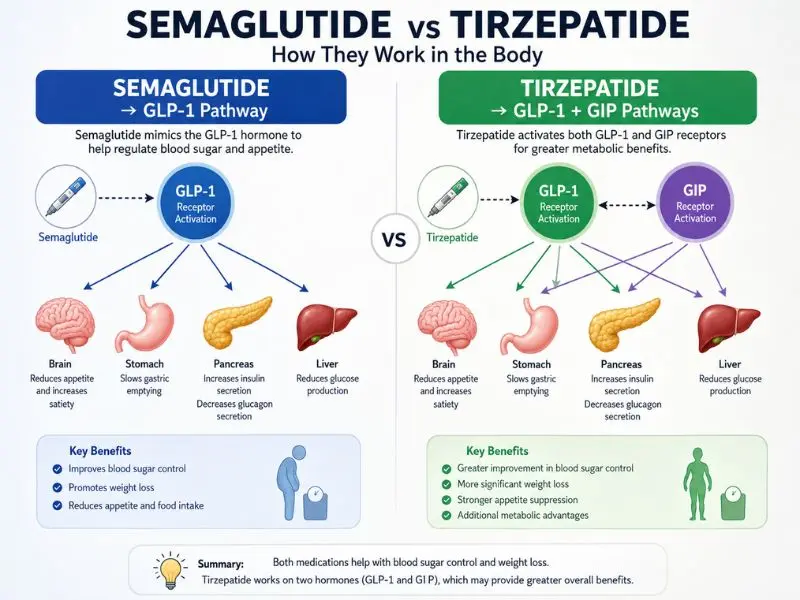
Some peptide-based medications influence hormone receptors involved in appetite regulation.
Tirzepatide, for example, activates GLP-1 and GIP receptors. According to the FDA, this can reduce appetite and food intake, helping support weight reduction when combined with diet and increased physical activity.
Semaglutide works through the GLP-1 pathway and is also used in FDA-approved medications for certain weight-management indications.
These treatments are different from experimental “fat-burning peptides” sold online.
Muscle Growth and Recovery Pathways
Some compounds marketed as muscle building peptides are intended to influence growth hormone or related signaling pathways.
CJC-1295 and ipamorelin, for example, are frequently discussed in fitness communities because of their relationship to growth hormone signaling.
But popularity is not the same as strong clinical evidence.
The FDA reports that available clinical information for CJC-1295 is limited and identifies potential safety concerns involving immunogenicity and reported adverse events. The agency also notes concerns about ipamorelin products and limited information about safety for certain routes of administration.
This is one reason you should be cautious when a website promises dramatic muscle growth from an experimental peptide.
Fat Loss Claims
Some products are marketed as the best peptides for fat loss, often with claims about increasing fat breakdown or improving metabolism.
A compound can have an interesting mechanism in laboratory research without having strong evidence that it produces meaningful, safe results in real-world human use.
That distinction matters.
A promising biological pathway is not the same thing as an FDA-approved treatment or a proven strategy for long-term fat loss.
Benefits of Peptides for Weight Loss and Muscle Gain
Potential benefits depend heavily on the specific peptide, its medical status, the person’s health, and the goal being addressed.
1. Better Appetite Control With Approved Treatments
For appropriate patients, prescription GLP-1 or GLP-1/GIP medications can help reduce appetite and food intake.
This can make maintaining a calorie deficit easier than relying entirely on willpower.
However, these medications should be used according to a healthcare professional’s guidance and the approved prescribing information.
2. Support for Long-Term Weight Management
Some peptide-based medicines are designed for chronic weight management rather than a short-term diet.
The FDA approved tirzepatide for chronic weight management in eligible adults when used with a reduced-calorie diet and increased physical activity.
This is different from using an experimental peptide for a few weeks because someone online claims it will “melt fat.”
3. A More Structured Approach to Body Composition
For some people, medically supervised weight management can provide structure.
The medication itself is only one part of the plan. Food quality, protein intake, resistance exercise, activity, and recovery still matter.
4. Possible Muscle-Retention Support Through Better Nutrition and Training
There is an important distinction here.
Weight-loss medications do not automatically build muscle. However, a person who loses excess body fat while maintaining adequate protein and performing resistance training may be better positioned to preserve lean tissue.
That is why the phrase peptides for weight loss and muscle gain should be interpreted carefully.
The weight loss component and the muscle-building component may require different strategies.
5. Potential Research Benefits From Experimental Peptides
Certain experimental compounds are being studied for areas such as tissue repair, inflammation, metabolic function, and other biological processes.
But research interest does not establish that these compounds are safe or effective for self-directed human use.
For example, the FDA says it has limited safety information for BPC-157 and identifies potential concerns related to immunogenicity and peptide impurities.
Best Ways to Use or Follow Peptides for Weight Loss and Muscle Gain
If you are considering peptides for weight loss and muscle gain, the safest approach is to separate medically established treatments from experimental products.
Choose Evidence Over Marketing
Start by asking what the product is actually approved to treat.
A medication with randomized clinical trials, FDA review, standardized manufacturing, and established prescribing information is very different from a peptide sold as “research use only.”
Do not assume that a product is safe simply because it is described as a peptide.
Talk With a Qualified Healthcare Professional
A healthcare professional can review your health history, current medications, weight-management goals, and potential risks.
This is especially important for injectable medications.
Prescription weight-loss drugs may have contraindications, side effects, drug interactions, and monitoring requirements.
For example, FDA information on tirzepatide includes warnings and precautions involving conditions such as pancreatitis, gallbladder problems, kidney injury, hypoglycemia in certain combinations, and other potential concerns.
Build Your Nutrition Around Protein
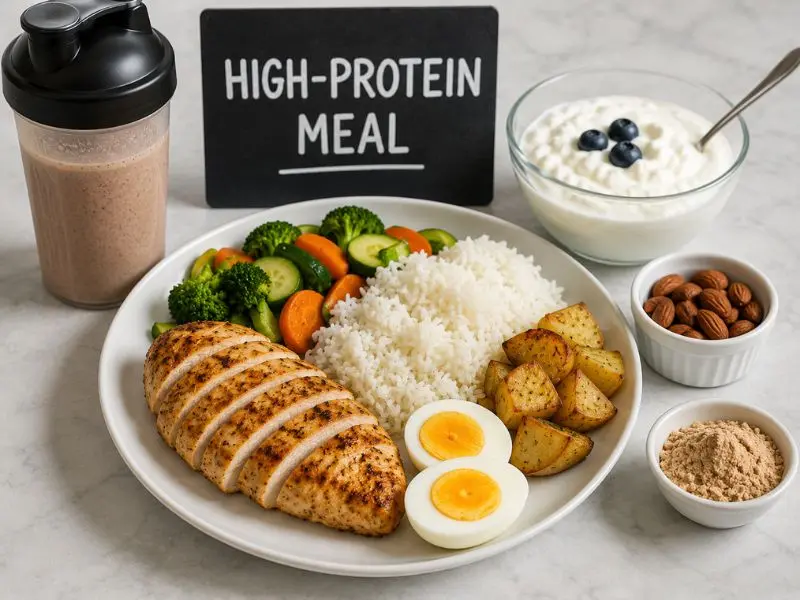
If your goal includes muscle retention or growth, protein deserves attention.
Good protein choices include:
- Chicken breast
- Turkey
- Eggs
- Greek yogurt
- Cottage cheese
- Fish
- Lean beef
- Beans and lentils
- Tofu
- Protein shakes when convenient
A protein-rich diet can make it easier to meet daily protein needs while managing calories.
You do not need to rely on a peptide to create a high-quality muscle-building diet.
Use Progressive Resistance Training

Muscle needs a reason to adapt.
A practical resistance-training program can include movements such as:
- Squats
- Lunges
- Romanian deadlifts
- Rows
- Pull-downs
- Push-ups
- Bench presses
- Overhead presses
- Leg presses
Progress gradually by increasing resistance, repetitions, training volume, or exercise quality over time.
If someone uses weight-management medication but does not perform resistance training, they are missing one of the most useful tools for supporting muscle development.
Avoid Extreme Calorie Deficits
Rapid weight loss is not automatically better.
A very aggressive calorie deficit can make it harder to train well, recover, consume enough protein, and maintain lean mass.
A moderate approach is usually more practical for long-term body composition goals.
Be Careful With Online Peptide Clinics
Online marketing can make experimental compounds look similar to approved prescription medications.
That can be misleading.
The FDA states that compounded drugs are not FDA-approved and do not undergo the same premarket review for safety, effectiveness, and quality as approved drugs.
The agency has also reported dosing errors and adverse events associated with some compounded injectable semaglutide products.
If a product requires you to mix a powder yourself, convert “units” into milligrams, or follow dosing instructions that are unclear, stop and ask a qualified medical professional before using it.
Peptides for Weight Loss and Muscle Gain Comparison Table
| Option | Main Purpose | Evidence Level | Muscle-Building Effect | Key Consideration |
| Semaglutide | Appetite and weight management | Strong clinical evidence for approved uses | Does not directly build muscle | Prescription medication requiring medical guidance |
| Tirzepatide | Appetite and weight management | Strong clinical evidence for approved uses | Does not directly build muscle | Approved for chronic weight management in eligible adults |
| BPC-157 | Experimental tissue-repair claims | Limited human evidence | Not established | FDA identifies limited safety information |
| CJC-1295 | Growth hormone-related signaling | Limited clinical evidence | Muscle benefit not established | FDA identifies safety and quality concerns |
| Ipamorelin | Growth hormone-related signaling | Limited evidence | Muscle benefit not established | Safety information is limited for some uses |
| AOD-9604 | Experimental fat-loss claims | Limited evidence | Not established | FDA identifies limited safety information |
| Resistance training | Muscle growth and strength | Strong evidence | Directly supports muscle adaptation | Requires consistent progressive training |
| High-protein diet | Muscle maintenance and growth support | Strong evidence | Supports muscle protein needs | Total calories and training still matter |
The table highlights an important point: not every substance marketed under the peptide category has the same evidence base.
Prescription medications such as semaglutide and tirzepatide should not be grouped together with experimental compounds simply because they are all peptide-based.
Common Mistakes to Avoid
Mistake 1: Treating Every Peptide as a Weight-Loss Drug
The word “peptide” describes a type of molecule, not a guaranteed result.
Some peptides have medical uses, some are under investigation, and others may have little useful evidence for the claims made about them.
Better approach: Research the exact compound and its approved indications rather than judging it by the word peptide.
Mistake 2: Assuming Weight Loss Means Muscle Gain
Losing body fat and gaining muscle are different physiological goals.
A person can lose weight without gaining muscle.
Better approach: Combine appropriate nutrition with progressive resistance training if increasing or preserving muscle is part of your goal.
Mistake 3: Buying Unapproved Peptides From Random Websites
Online sellers may make claims that have not been supported by reliable clinical evidence.
Product purity, concentration, storage, labeling, and sterility can also be concerns with injectable products.
Better approach: Use prescription medications only through legitimate medical channels and discuss experimental compounds with a healthcare professional.
Mistake 4: Copying Someone Else’s Dose
A dose that appears in a social media post is not a personalized medical recommendation.
People differ in age, body size, medical history, medications, kidney function, and other factors.
Better approach: Follow the prescribing instructions provided by your healthcare professional.
Mistake 5: Ignoring Side Effects
Nausea, vomiting, abdominal discomfort, diarrhea, constipation, and other symptoms can occur with certain weight-management medications.
The FDA has also reported serious adverse events related to dosing errors with compounded semaglutide products.
Better approach: Report concerning symptoms to your healthcare professional instead of trying to manage potentially serious reactions on your own.
Mistake 6: Expecting Peptides to Replace Training
No medication can substitute for progressive resistance training when the goal is to develop strength and muscle.
Better approach: Treat medication, when medically appropriate, as one part of a larger health and fitness plan.
Mistake 7: Chasing the “Best Peptides for Fat Loss”
There is no universal list of the best peptides for fat loss because products differ dramatically in evidence, approval status, safety, and intended use.
Better approach: Focus on treatments supported by quality human evidence and appropriate medical supervision.
Expert Tips for Better Results
Focus on the Goal First
Before considering peptides for weight loss and muscle gain, decide what you actually want to accomplish.
Do you need to lose excess body fat?
Do you want to preserve muscle during weight loss?
Are you trying to gain strength?
Or are you mainly interested in improving general health?
Your answer can change the most appropriate strategy.
Track More Than Body Weight
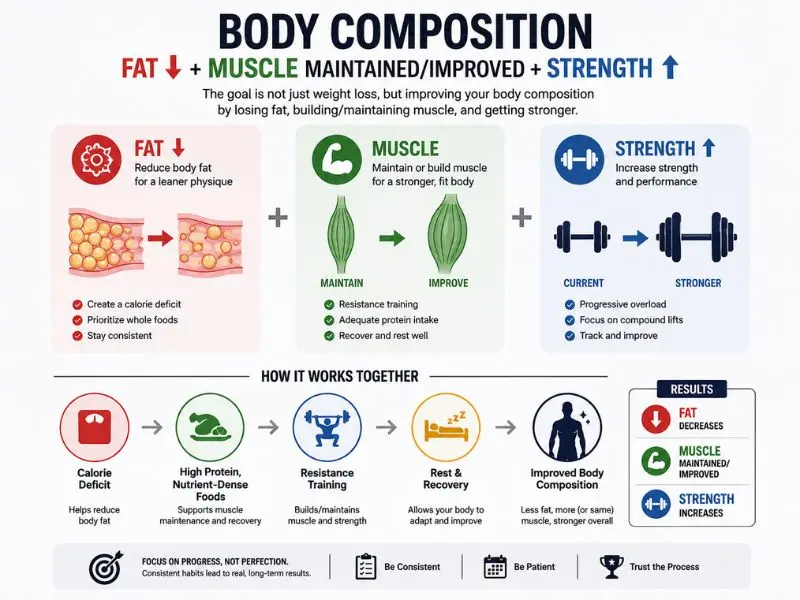
Scale weight is useful, but it does not tell the entire story.
Consider tracking:
- Waist measurement
- Strength levels
- Workout performance
- Body measurements
- Progress photos
- Energy levels
- Dietary consistency
If your waist is decreasing while your strength remains stable or improves, that may be more meaningful than a small change on the scale alone.
Prioritize Resistance Training
A simple full-body routine three times per week can be enough for many beginners.
Focus on good technique and gradually increase the challenge.
Muscle growth is driven by training stimulus, adequate nutrition, and recovery—not simply by taking a particular compound.
Eat Enough Protein
Protein provides amino acids needed for muscle repair and growth.
Spread protein-rich foods across your meals rather than trying to consume nearly all of your daily protein at once.
A protein shake can be convenient, but whole foods can also provide plenty of protein.
Sleep Consistently
Recovery matters just as much as training.
Most adults benefit from getting around seven or more hours of sleep each night, although individual needs can vary.
Poor sleep can make appetite management, training performance, and daily consistency more difficult.
Avoid Extreme Expectations
A product that promises rapid fat loss and dramatic muscle gain should immediately raise questions.
Body recomposition takes time.
The best results usually come from a combination of realistic calorie intake, adequate protein, resistance training, physical activity, and consistent recovery.
Understand the Difference Between Approved and Experimental
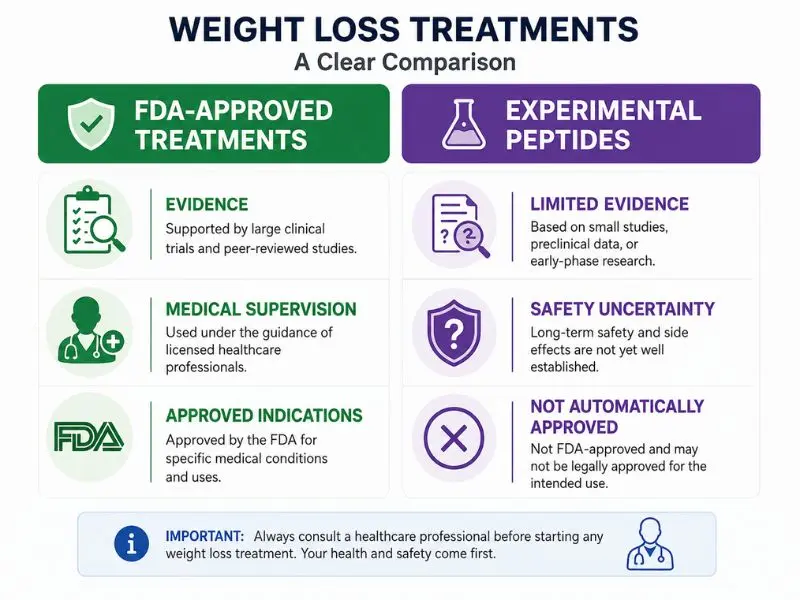
This may be the most valuable lesson when researching peptides for weight loss and muscle gain.
Semaglutide and tirzepatide have FDA-approved uses for specific medical conditions, while several peptides promoted for muscle growth or fat loss remain unapproved or have limited clinical evidence.
The FDA specifically lists compounds such as BPC-157, CJC-1295, AOD-9604, and ipamorelin among substances for which safety information is limited or concerns have been identified.
Do not let a confident social media advertisement make an experimental compound sound like an established treatment.
Be Especially Careful With Compounded Products
Compounded medications can sometimes have legitimate medical roles, but they are not automatically equivalent to FDA-approved products.
The FDA says compounded drugs are not reviewed for safety, effectiveness, or quality before marketing in the same way FDA-approved drugs are.
In 2026, the FDA has continued taking action regarding misleading marketing of compounded GLP-1 products, emphasizing that compounded products should not be represented as FDA-approved medications.
If you are considering a compounded medication, discuss why it is being considered and whether an FDA-approved option is available.
Frequently Asked Questions
Are peptides for weight loss and muscle gain safe?
Safety depends on the peptide, dose, quality, and medical history.
What are the best peptides for fat loss?
Semaglutide and tirzepatide have stronger evidence than many experimental peptides.
Do muscle building peptides actually build muscle?
Many marketed muscle-building peptides have limited human evidence.
Is peptide therapy for weight loss better than diet and exercise?
Prescription peptide medicines work best alongside diet and exercise.
Can peptides help you lose fat without losing muscle?
They do not guarantee muscle preservation, so protein and resistance training still matter.
Conclusion
Peptides for weight loss and muscle gain should not be viewed as a shortcut to changing your body. Some peptide-based prescription medicines have strong evidence for specific weight-management uses, while many compounds marketed for muscle growth or fat loss remain experimental or have limited safety data. For better long-term results, combine medically appropriate treatment with adequate protein, resistance training, sensible calorie intake, physical activity, and consistent recovery, and always discuss prescription or experimental peptide use with a qualified healthcare professional.
