

Building muscle takes more than lifting heavy weights. Your body also needs the right nutrition to repair and grow stronger after every workout. A protein shake muscle gain plan can make it easier to meet your daily protein needs while supporting faster recovery and steady muscle growth.
Whether you are new to strength training or already have experience in the gym, adding a protein shake muscle gain routine can help improve your results. This guide explains how protein shakes work, their benefits, the best ingredients, and how to use them effectively for healthy muscle building.
What Is Protein Shake Muscle Gain?

A protein shake muscle gain strategy involves drinking a protein-rich shake to support muscle growth, recovery, and daily protein intake. These shakes usually contain high-quality protein along with carbohydrates, healthy fats, vitamins, and minerals.
Protein provides amino acids, which are the building blocks your muscles need after resistance training. When combined with consistent workouts and enough calories, a protein shake can help increase lean muscle mass over time.
Many people use protein shakes because they are:
- Quick to prepare
- Easy to digest
- Convenient after workouts
- Helpful for busy schedules
- Simple way to increase protein intake
Although whole foods should remain the foundation of your diet, protein shakes are a practical addition for people who struggle to eat enough protein each day.
Who Can Benefit?
A protein shake muscle gain routine may benefit:
- Beginners starting strength training
- Athletes
- Bodybuilders
- Busy professionals
- College students
- Older adults trying to maintain muscle
- People with higher protein needs
The key is using protein shakes as part of a balanced nutrition plan instead of relying on them as meal replacements every day.
Main Nutrients Found in Protein Shakes
Most quality protein shakes contain nutrients that support muscle development.
| Nutrient | Purpose |
| Protein | Repairs and builds muscle tissue |
| Carbohydrates | Refill glycogen after workouts |
| Healthy fats | Support hormone production |
| Calcium | Supports bones and muscle function |
| Potassium | Helps muscle contraction |
| Magnesium | Supports recovery and energy production |
| Vitamins | Improve overall health |
These nutrients work together to help your body recover faster after exercise.
How Does Protein Shake Muscle Gain Work?
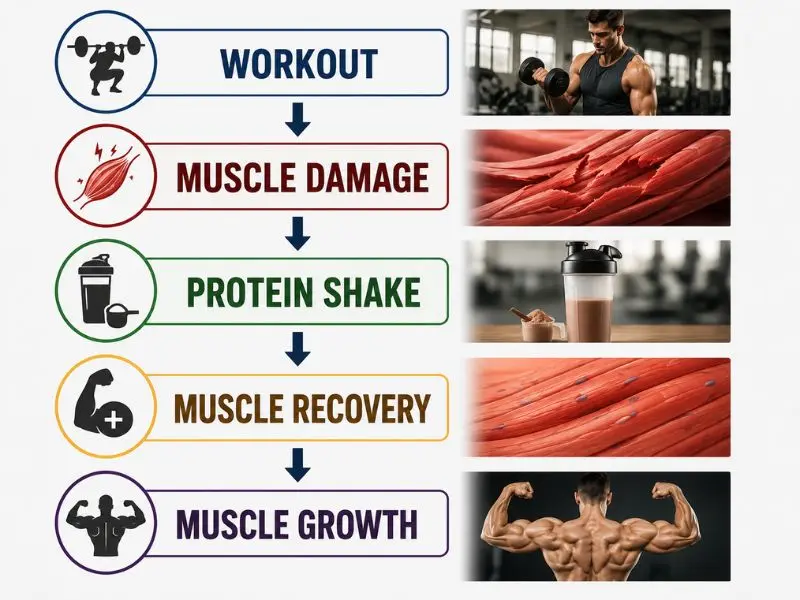
A protein shake muscle gain plan works by supplying your muscles with amino acids after exercise. During strength training, tiny muscle fibers break down. Your body repairs these fibers, making them larger and stronger over time.
Your body repairs these tiny muscle tears through a process known as muscle protein synthesis.
Protein shakes help support this process by delivering protein quickly, especially after resistance workouts. In addition, they can help you meet your daily protein target without preparing another full meal.
Several factors influence muscle growth:
- Progressive strength training
- Daily protein intake
- Total calorie intake
- Quality sleep
- Recovery time
- Hydration
A protein shake alone will not build muscle. However, when paired with proper training and balanced nutrition, it becomes an effective tool for supporting muscle growth.
Why Protein Shake Muscle Gain Supports Recovery
After an intense workout, your muscles need nutrients to recover. A protein shake muscle gain routine provides amino acids that begin repairing damaged muscle fibers.
Many protein shakes also include carbohydrates. These carbohydrates restore glycogen stores, giving your muscles energy for future workouts.
Recovery benefits include:
- Faster muscle repair
- Reduced soreness
- Better workout performance
- Improved strength gains
- Consistent muscle development
Drinking enough water and getting quality sleep further improves recovery.
Muscle Protein Synthesis Explained
Muscle protein synthesis is the process your body uses to build new muscle tissue.
When you consume enough protein throughout the day with high-protein meals, your body has a steady supply of amino acids. These amino acids repair exercise-related muscle damage and support lean muscle growth.
For best results:
- Eat enough protein daily.
- Spread protein across multiple meals.
- Include protein after workouts.
- Continue resistance training consistently.
A balanced routine produces better long-term results than relying on supplements alone.
Benefits of Protein Shake Muscle Gain
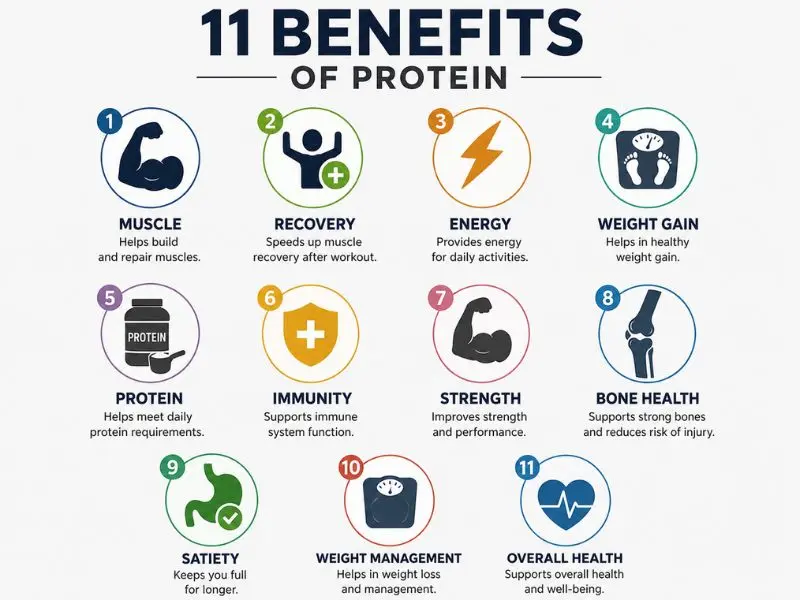
Adding a protein shake muscle gain routine offers several important benefits beyond convenience.
1. Helps Build Lean Muscle
Protein supplies essential amino acids that repair and grow muscle tissue after resistance training.
2. Speeds Up Recovery
Recovery becomes faster when muscles receive protein soon after exercise.
3. Makes Meeting Protein Goals Easier
Many people struggle to eat enough protein through meals alone. Protein shakes provide an easy solution.
4. Saves Time
Preparing a balanced meal takes time. You can prepare a protein shake in only a few minutes.
5. Supports Muscle Maintenance
Adequate protein helps preserve muscle during periods of increased physical activity.
6. Convenient for Busy Lifestyles
You can prepare a protein shake before work, after the gym, or while traveling.
7. Helps Increase Daily Calories
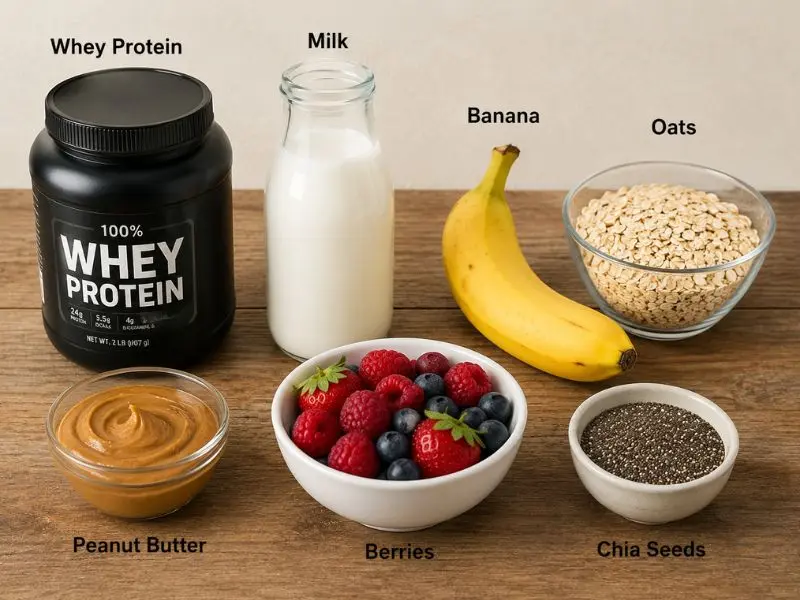
People trying to gain muscle often need extra calories. Adding healthy ingredients like oats, peanut butter, milk, and bananas increases calorie intake naturally.
8. Improves Workout Recovery
Balanced protein and carbohydrates help replenish energy after training sessions.
9. Easy to Customize
A homemade protein shake for muscle gain allows you to control ingredients and avoid excess sugar.
Common additions include:
- Whey protein
- Greek yogurt
- Banana
- Oats
- Peanut butter
- Milk
- Almond butter
- Chia seeds
- Flaxseed
- Berries
10. Supports Healthy Weight Gain
When combined with strength training, protein shakes encourage lean muscle gain instead of excessive fat gain.
11. Fits Almost Any Diet
Whether you prefer dairy, vegetarian, or plant-based options, there is a protein shake that fits your nutritional needs.
Comparison Table: Popular Protein Shake Options for Muscle Gain
Choosing the right protein shake muscle gain option depends on your goals, budget, and dietary preferences.
| Protein Shake | Protein per Serving | Best For | Digestion Speed | Pros | Cons |
| Whey Protein | 24–30 g | Post-workout | Fast | High-quality protein, rich in leucine | Contains dairy |
| Casein Protein | 24–26 g | Before bed | Slow | Supports overnight recovery | Slower digestion |
| Plant-Based Protein | 20–25 g | Vegans & vegetarians | Moderate | Dairy-free, fiber-rich | May need blended protein sources |
| Homemade Protein Shake for Muscle Gain | Varies | Whole-food nutrition | Moderate | Fresh, customizable, budget-friendly | Takes more time to prepare |
| Ready-to-Drink Protein Shake | 20–30 g | Busy lifestyle | Fast | Convenient and portable | Often more expensive |
Best Types of Protein Shake Muscle Gain
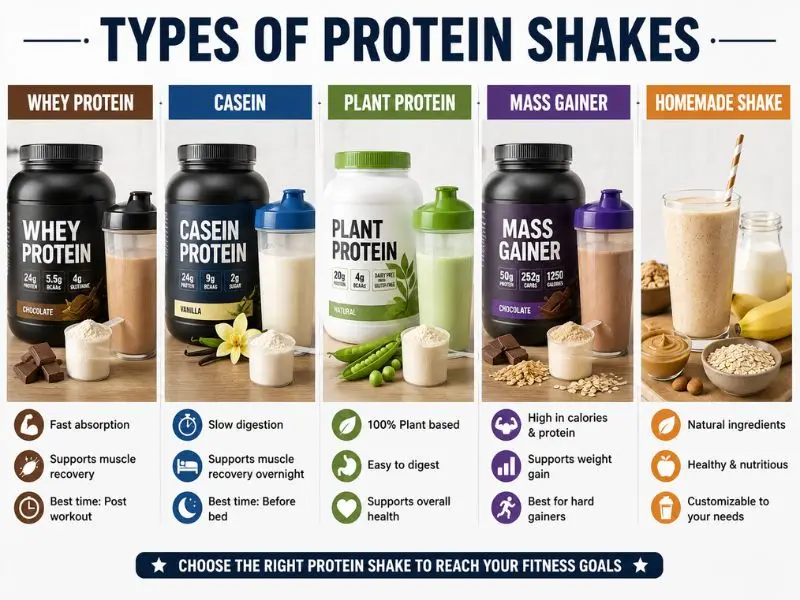
Not every protein shake is the same. Some are designed for quick recovery, while others provide slow, steady nutrition. The best choice depends on your training schedule, calorie needs, and personal preferences.
1. Whey Protein Shake
Whey protein is one of the most popular choices for protein shake muscle gain because it digests quickly and contains all nine essential amino acids.
Benefits
- Quickly absorbed after workouts
- High in leucine for muscle protein synthesis
- Easy to mix with water or milk
- Available in many flavors
Best time to drink: Within 30–60 minutes after exercise.
2. Casein Protein Shake
Casein digests much more slowly than whey protein. This provides your muscles with a steady supply of amino acids over several hours.
Benefits
- Supports overnight recovery
- Helps reduce muscle breakdown
- Keeps you feeling full longer
Best time to drink: Before bedtime.
3. Plant-Based Protein Shake
Plant-based shakes are ideal for people who avoid dairy. Many combine pea, rice, hemp, or pumpkin seed protein to provide a complete amino acid profile.
Benefits
- Dairy-free
- Easy to digest for many people
- Suitable for vegan diets
- Often contains fiber and antioxidants
4. Mass Gainer Shake
Mass gainers combine protein with a large amount of carbohydrates and calories.
They work well for people who struggle to gain weight despite eating enough food.
Benefits
- High calorie content
- Supports weight gain
- Convenient meal replacement
- Good for hard gainers
Use these products carefully because some contain added sugars.
5. Homemade Protein Shake for Muscle Gain
A homemade protein shake for muscle gain gives you complete control over the ingredients.
Instead of relying on artificial flavors or preservatives, you can use whole foods that provide protein, healthy fats, vitamins, minerals, and fiber.
Benefits
- Fresh ingredients
- Budget-friendly
- Easy to customize
- No unnecessary additives
- Better overall nutrition
Best Ingredients for a Homemade Protein Shake for Muscle Gain
A nutritious homemade shake combines protein, carbohydrates, and healthy fats.
High-Protein Ingredients
- Whey protein powder
- Greek yogurt
- Cottage cheese
- Milk
- Soy milk
- Silken tofu
Healthy Carbohydrates
- Bananas
- Oats
- Sweet potato
- Frozen berries
- Mango
- Dates
Healthy Fats
- Peanut butter
- Almond butter
- Walnuts
- Chia seeds
- Flaxseeds
- Avocado
Flavor Boosters
- Cocoa powder
- Cinnamon
- Vanilla extract
- Honey
- Coffee
Combining these ingredients creates a balanced protein shake muscle gain recipe that supports recovery and provides lasting energy.
5 Homemade Protein Shake for Muscle Gain Recipes
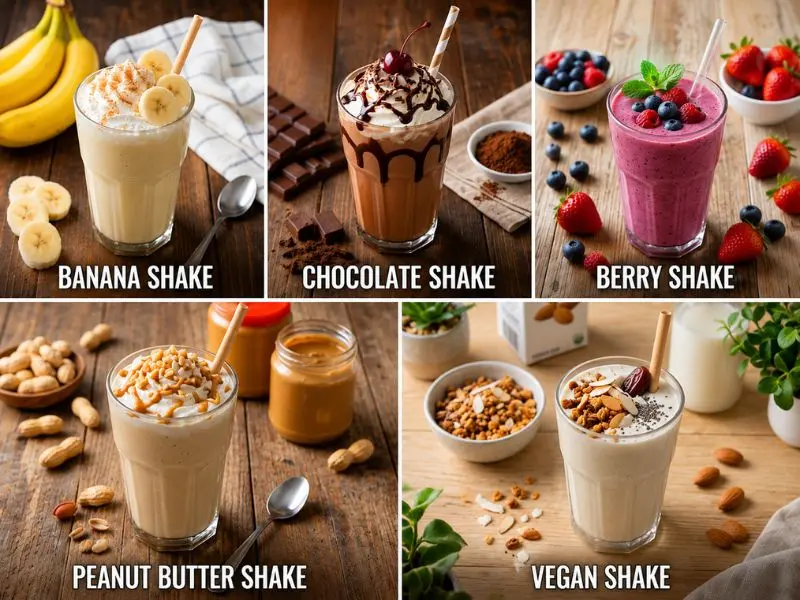
1. Classic Banana Protein Shake
Ingredients
- 1 scoop whey protein
- 1 banana
- 1 cup milk
- ½ cup oats
- 1 tablespoon peanut butter
Nutrition (Approx.)
- Protein: 35 g
- Calories: 520
- Carbs: 48 g
- Fat: 16 g
2. Chocolate Oat Shake
Ingredients
- Chocolate whey protein
- Milk
- Oats
- Banana
- Cocoa powder
Nutrition
- Protein: 34 g
- Calories: 500
Perfect after strength training.
3. Berry Greek Yogurt Shake
Ingredients
- Greek yogurt
- Mixed berries
- Milk
- Honey
- Vanilla
Nutrition
- Protein: 30 g
- Calories: 430
This shake is rich in antioxidants and supports recovery.
4. Peanut Butter Power Shake
Ingredients
- Whey protein
- Peanut butter
- Banana
- Oats
- Milk
Nutrition
- Protein: 38 g
- Calories: 620
Ideal for people trying to increase daily calorie intake.
5. Vegan Muscle Shake
Ingredients
- Pea protein
- Soy milk
- Banana
- Chia seeds
- Peanut butter
- Oats
Nutrition
- Protein: 33 g
- Calories: 540
A great dairy-free option for muscle building.
Step-by-Step Guide to Protein Shake Muscle Gain
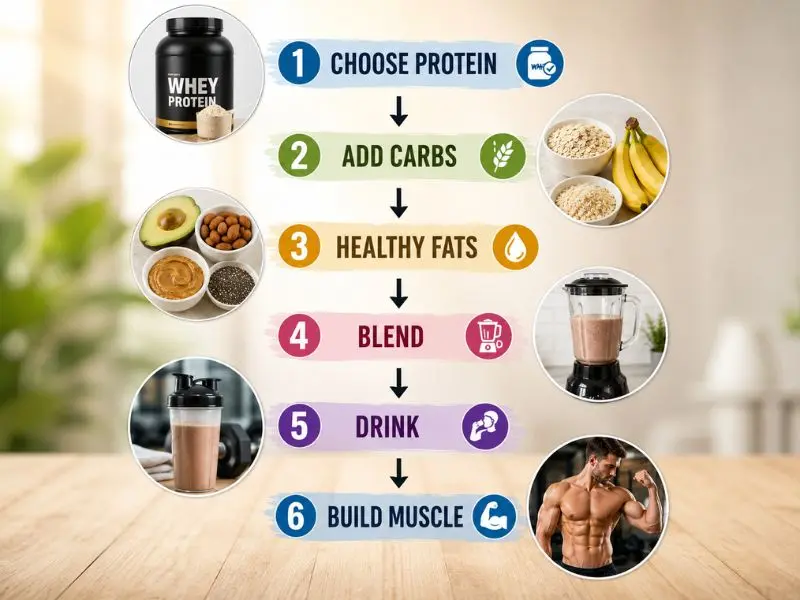
Following a simple routine helps you get the most from your protein shake muscle gain plan.
Step 1 – Calculate Your Protein Needs
Most active adults aiming to build muscle benefit from 1.6–2.2 grams of protein per kilogram of body weight per day.
Example:
- 70 kg (154 lb) person
- Daily protein goal: 112–154 g
Step 2 – Choose High-Quality Protein
Select a protein source that matches your diet.
Good choices include:
- Whey protein
- Casein protein
- Plant protein
- Greek yogurt
- Cottage cheese
Step 3 – Add Healthy Carbohydrates
Carbohydrates refill muscle glycogen after exercise and provide energy for future workouts.
Excellent options include:
- Oats
- Banana
- Berries
- Mango
- Dates
Step 4 – Include Healthy Fats
Healthy fats support hormone production and increase the calorie content of your shake.
Choose:
- Peanut butter
- Almond butter
- Flaxseed
- Chia seeds
- Walnuts
Step 5 – Blend Until Smooth
Add all ingredients to a blender.
Blend for 30–60 seconds until smooth and creamy.
If needed, add extra milk or water to adjust the consistency.
Step 6 – Drink at the Right Time
A protein shake muscle gain routine works best when consumed:
- Within 30–60 minutes after a workout
- Between meals to increase protein intake
- At breakfast if you’re short on time
- Before bed (casein protein) for overnight recovery
Consistently pairing your shake with resistance training, balanced meals, hydration, and adequate sleep will help maximize muscle growth over time.
Common Mistakes to Avoid
Even the best protein shake muscle gain plan will not deliver results if you make common nutrition or training mistakes.
1. Depending Only on Protein Shakes
Protein shakes are supplements, not complete meals.
Base your diet on whole foods like lean meat, fish, eggs, dairy, beans, fruits, vegetables, and whole grains.
2. Skipping Strength Training
Drinking a protein shake muscle gain drink without resistance training will not build significant muscle.
Aim to train every major muscle group two to three times each week.
3. Eating Too Little
Muscle growth requires enough calories.
If you consistently eat below your calorie needs, your body may struggle to build new muscle tissue.
4. Ignoring Daily Protein Intake
One shake alone is not enough.
Spread your protein across 3–5 meals throughout the day to support muscle protein synthesis.
5. Choosing High-Sugar Shakes
Some commercial shakes contain excessive added sugar.
Read nutrition labels and choose products with high protein and minimal added sugar.
6. Not Drinking Enough Water
Protein metabolism increases your body’s need for fluids.
Stay hydrated before, during, and after workouts.
7. Expecting Instant Results
Building muscle takes time.
Stay consistent with training, nutrition, and recovery for the best long-term progress.
Expert Tips for Protein Shake Muscle Gain
Follow these practical tips to get the most from your protein shake muscle gain routine.
- Choose a high-quality protein source with all essential amino acids.
- Enjoy a protein shake after resistance training to help support muscle recovery.
- Include carbohydrates to restore muscle glycogen.
- Add healthy fats for extra calories if muscle gain is your goal.
- Sleep 7–9 hours every night to support muscle repair.
- Train consistently with progressive overload.
- Increase weights gradually as your strength improves.
- Track your protein intake to meet daily goals.
- Use a homemade protein shake for muscle gain when possible to control ingredients.
- Be patient, as steady progress produces lasting results.
Frequently Asked Questions (FAQs)
1. Is a protein shake muscle gain plan effective?
Yes, it supports muscle growth when combined with strength training and a balanced diet.
2. Can I drink a protein shake every day?
Yes, if it helps you meet your daily protein needs.
3. What is the best homemade protein shake for muscle gain?
A shake with whey protein, milk, oats, banana, and peanut butter is a great option.
4. When is the best time to drink a protein shake for muscle gain?
Drinking it within 30–60 minutes after your workout can help support muscle recovery and growth.
5. Can beginners use protein shakes?
Yes, beginners can safely use protein shakes as part of a healthy diet.
Conclusion
Including a protein shake muscle gain routine in your diet can help support muscle growth, speed up recovery, and make it easier to reach your daily protein goals. Pair high-quality protein shakes with resistance training, balanced meals, adequate sleep, and consistent exercise to achieve steady, long-term muscle-building results.
