
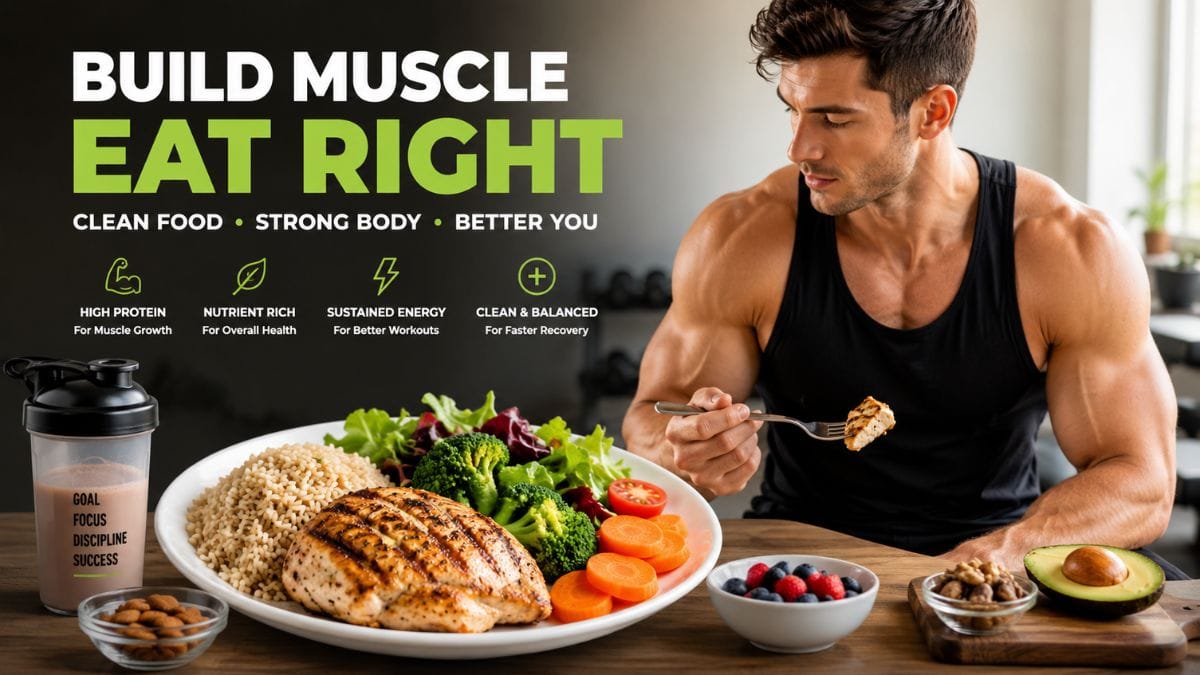
Building muscle requires more than simply lifting weights at the gym. Your body needs enough energy, protein, carbohydrates, healthy fats, proper training, and recovery to support muscle growth. Without the right nutrition, even a consistent workout routine may not produce the results you expect from a proper muscle gain diet plan.
A well-planned muscle gain diet can help you increase your body weight, support muscle repair, improve workout performance, and make your progress more consistent.However, following a muscle gain diet plan does not mean simply eating as much as you can. A smart approach focuses on providing your body with enough calories and nutrients while limiting unnecessary fat gain.
Whether you are a beginner or have already been training for some time, understanding the basics of muscle-building nutrition can help you create a diet that is easier to follow and more effective in the long term.
What Is a Muscle Gain Diet Plan?
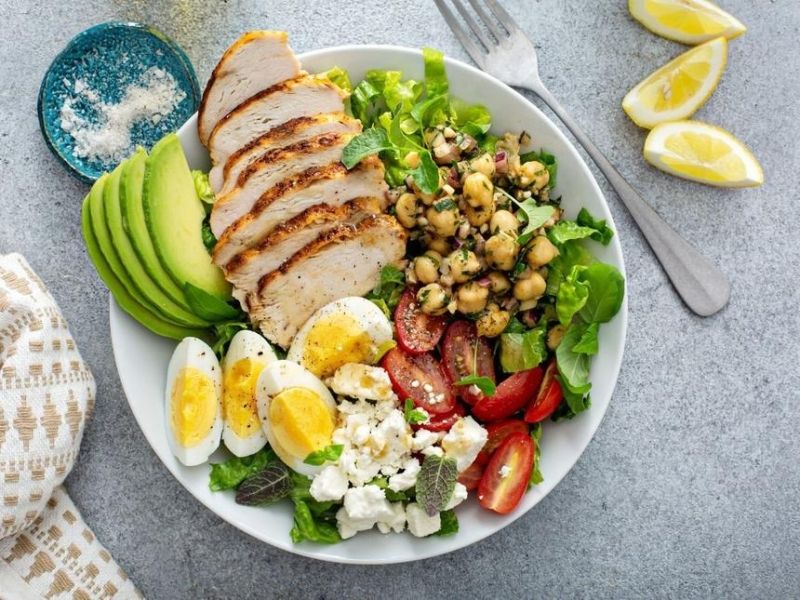
A muscle gain diet plan is a structured eating approach designed to provide the calories and nutrients your body needs to support muscle development. A well-structured muscle-building diet generally combines a controlled calorie surplus with adequate protein, energy-providing carbohydrates, and nutritious fats.
A complete muscle-building plan should also include:
- Progressive resistance training
- Adequate daily calories
- Enough protein
- Carbohydrates for energy
- Healthy fats
- Quality sleep
- Sufficient recovery
Eating more food alone does not guarantee that you will build more muscle. If you consistently consume far more calories than your body needs, you may gain a significant amount of body fat.
A well-planned muscle gain diet plan combines a controlled calorie increase with consistent strength training for better muscle growth. Exercise provides the stimulus for your muscles to adapt, while nutrition supplies the energy and nutrients needed for recovery and growth.
How Many Calories Should You Eat to Build Muscle?
Calories provide the energy your body uses for daily activities, exercise, recovery, and essential functions. When your calorie intake consistently exceeds the energy your body uses, a muscle gain diet plan can help support healthy weight gain.
For muscle gain, many people start with a moderate calorie surplus rather than dramatically increasing their food intake. Adding approximately 300 to 500 calories per day can be a practical starting point for some individuals.
Your ideal calorie intake for a muscle gain diet plan depends on your body’s needs and daily lifestyle. Your needs can be affected by:
- Age
- Sex
- Height
- Body weight
- Activity level
- Training frequency
- Metabolism
- Current body composition
This means there is no single calorie target that is suitable for everyone.
How to Adjust Your Calorie Intake
Start by following a muscle gain diet plan consistently and monitor how your body responds over several weeks. Avoid making major changes based on a single day’s body weight because daily fluctuations are normal.
A simple approach is to:
- Follow a consistent calorie intake for two to three weeks.
- Weigh yourself regularly under similar conditions.
- Look at the overall trend instead of one measurement.
- Adjust your food intake if your progress stops.
If your weight is not increasing after several weeks on a muscle gain diet plan, you may need to increase your daily calorie intake. If your weight increases too quickly and you notice excessive fat gain, your calorie surplus may be larger than necessary.
The goal is controlled progress rather than simply gaining weight as quickly as possible.
How Much Protein Supports Muscle Growth?
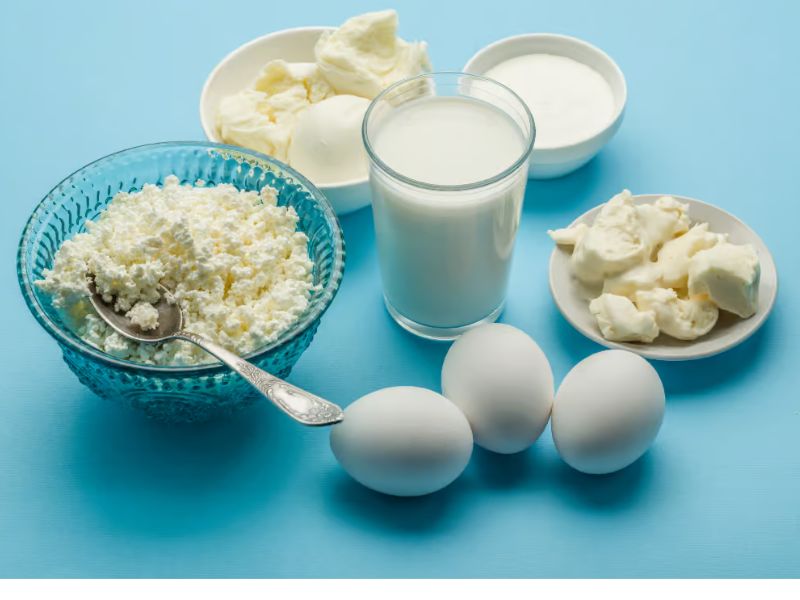
Protein provides the amino acids your body uses to repair and develop muscle tissue. For this reason, getting enough protein is an essential part of an effective muscle gain diet plan.
For many people who regularly perform resistance training, around 1.6 grams of protein per kilogram of body weight per day can be a useful target. Individual needs may vary depending on factors such as body composition, training experience, and overall calorie intake.
For example, a person weighing 70 kilograms may aim for approximately 110 grams of protein each day.
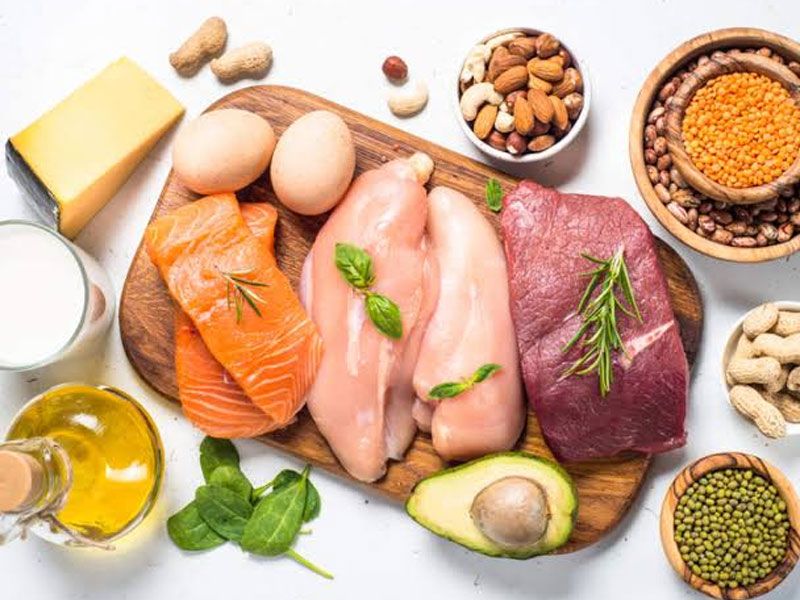
Good sources of protein include:
- Eggs
- Chicken
- Fish
- Lean meat
- Milk
- Greek yoghurt
- Cottage cheese
- Beans
- Lentils
- Chickpeas
- Tofu
- Soy products
A well-structured muscle gain diet plan can help you meet your muscle-building protein needs through whole foods alone. Protein powder can be convenient, but it is not essential if your regular diet already provides enough protein.
Spread Protein Throughout the Day
Instead of consuming almost all your protein in a single meal, try to include protein in several meals and snacks.
For example:
Breakfast: Eggs and milk
Lunch: Chicken with rice and vegetables
Snack: Greek yoghurt with fruit
Dinner: Fish with potatoes and vegetables
Evening snack: Cottage cheese or milk
Spreading your protein intake throughout the day can make it easier to reach your daily target and maintain a balanced eating pattern.
Carbohydrates Help Fuel Your Workouts
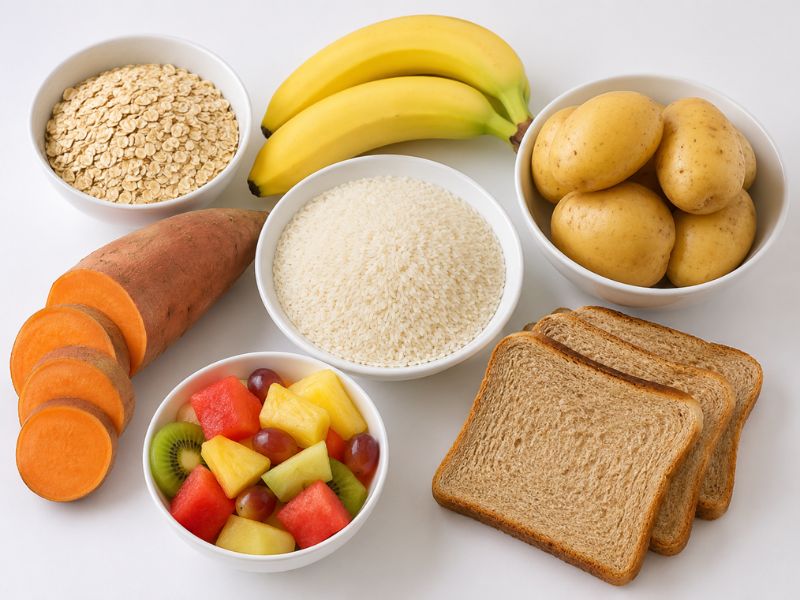
Protein is important for muscle growth, but carbohydrates also play a valuable role in a muscle-building diet. In a muscle gain diet plan, carbohydrates provide energy for training and help you maintain better performance during demanding workouts.”
If you consistently eat too few carbohydrates, you may experience low energy, reduced training intensity, and difficulty recovering between sessions.
Useful carbohydrate sources include:
- Rice
- Oats
- Potatoes
- Sweet potatoes
- Pasta
- Wholegrain bread
- Fruit
- Beans
- Lentils
- Corn
If your goal is to build lean muscle, there is no need to remove carbohydrates from your muscle gain diet plan. Instead, choose carbohydrate sources that fit your energy needs and personal preferences.
Carbohydrates Before and After Training
Eating carbohydrates before a workout may help provide energy for exercise. Some simple options include:
- Oats with banana
- Rice with chicken
- Toast with eggs
- Potatoes with lean meat
- Yoghurt with fruit
After training, a meal containing both protein and carbohydrates can help you meet your daily nutrition needs as part of a well-planned muscle gain diet plan.
The exact timing of your meals is generally less important than your overall daily calorie and protein intake. However, planning your meals around your workouts can help you feel more energetic and organised.
Why Healthy Fats Matter
Focus keyword “muscle gain diet plan” add karke:
In a well-balanced muscle gain diet plan, healthy fats provide energy while supporting essential functions throughout the body. They can also be helpful for people who struggle to consume enough calories from large meals.
Good sources of dietary fat include:
- Nuts
- Seeds
- Peanut butter
- Avocado
- Olive oil
- Fatty fish
- Eggs
- Full-fat dairy products
Because fat contains a relatively high number of calories in a small serving, adding foods such as nuts, seeds, or peanut butter can make it easier to increase your calorie intake.
For example, you could add peanut butter to oats or use olive oil with a meal. These small changes can increase the energy content of your diet without making your meals unnecessarily large.
However, a healthy muscle gain diet should still be balanced. Highly processed and fried foods can be included occasionally, but they should not make up the majority of your daily food intake.
Best Foods for Muscle Gain
You do not need expensive supplements or complicated recipes to support muscle growth. A muscle gain diet plan can include simple, nutrient-rich foods.
Eggs
Eggs are a convenient source of protein and can be included in breakfast, snacks, or main meals.
Chicken
Chicken is a versatile protein source that pairs well with rice, potatoes, pasta, and vegetables.
Fish
Fish provides protein, while oily varieties such as salmon and sardines also provide beneficial dietary fats.
Milk and Yoghurt
Milk and yoghurt can contribute protein and calories to your diet. Greek yoghurt is a particularly useful high-protein snack.
Rice
Rice is an easy-to-eat carbohydrate source that works well with chicken, fish, meat, beans, and vegetables.
Oats
Oats are useful for breakfast and can be combined with milk, fruit, yoghurt, nuts, or peanut butter.
Potatoes
Potatoes are a versatile carbohydrate source that can be prepared in many different ways.
Beans and Lentils
These foods provide protein, carbohydrates, fibre, and a range of important nutrients.
Nuts and Seeds
Nuts and seeds contain healthy fats and can help increase the calorie content of meals and snacks.
Fruits and Vegetables
Fruits and vegetables provide fibre, vitamins, minerals, and other nutrients that support overall health.
A varied diet is generally more useful than focusing only on calories and protein.
Sample One-Day Muscle Gain Diet Plan
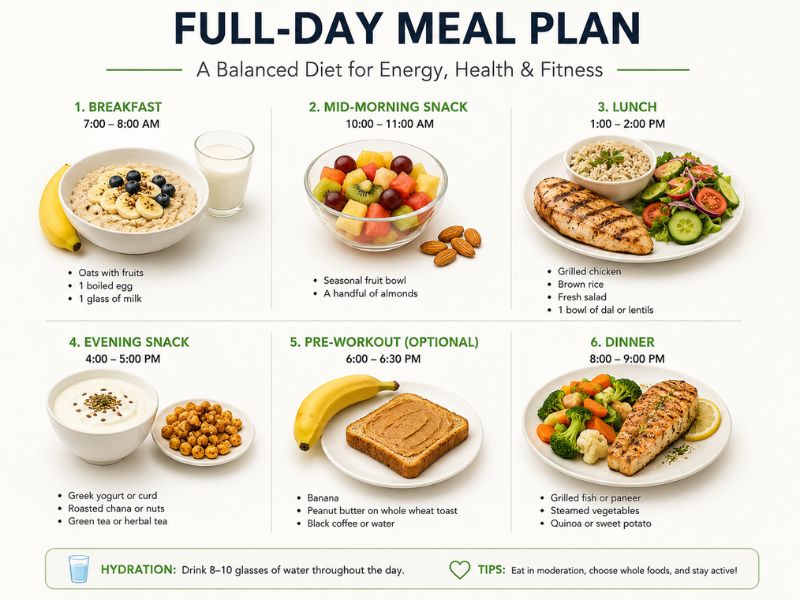
The following example shows how you might organise your meals throughout the day. Adjust portion sizes in your muscle gain diet plan based on your body weight, appetite, calorie needs, and goals.
Breakfast
- Oats cooked with milk
- Two or three eggs
- One banana
- Nuts or peanut butter
Mid-Morning Snack
- Greek yoghurt
- Fruit
- Oats or granola
Lunch
- Chicken, fish, lean meat, beans, or lentils
- Rice, potatoes, or wholegrain bread
- Vegetables
- A small amount of olive oil
Pre-Workout Snack
Some suitable options include:
- Banana with yoghurt
- Toast with eggs
- Oats with milk
- Rice with a small serving of chicken
Choose a meal or snack that provides energy without making you feel uncomfortable during training.
Post-Workout Meal
Choose a protein source such as chicken, fish, eggs, lean meat, tofu, or beans. Add rice, potatoes, pasta, or another carbohydrate source, along with vegetables.
Your post-workout meal can be simple and effective for a muscle gain diet plan. Meeting your total daily protein and calorie needs is generally more important than trying to eat a perfect meal immediately after exercise.
Evening Snack
You could choose:
- Milk
- Greek yoghurt
- Cottage cheese
- Fruit
- Nuts
An evening snack can help you increase your daily protein or calorie intake if necessary.
How to Build a Muscle-Building Meal
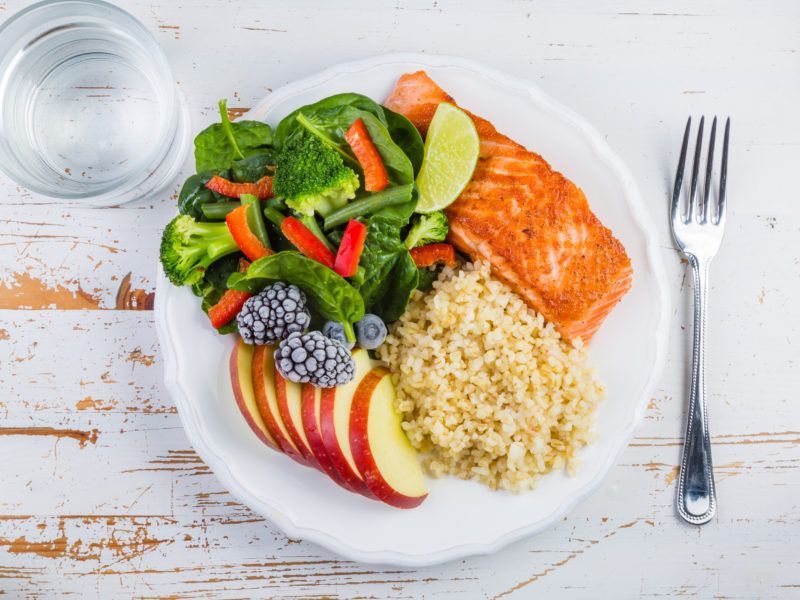
Creating a balanced meal does not have to be complicated. You can use a simple four-part approach.
1. Choose Protein
Select chicken, eggs, fish, lean meat, yoghurt, beans, lentils, tofu, or another protein-rich food.
2. Add Carbohydrates
Choose rice, potatoes, oats, pasta, bread, fruit, or another carbohydrate source.
3. Include Fruits or Vegetables
These provide fibre, vitamins, minerals, and other important nutrients.
4. Add Healthy Fats
Depending on your calorie needs, add foods like nuts, seeds, avocado, olive oil, or peanut butter to your muscle gain diet plan.
Simple meal combinations could include chicken with rice, vegetables, and olive oil, or oats with milk, banana, and peanut butter.
What If You Have a Small Appetite?
Some people may struggle to build muscle because they find it hard to eat enough while following a muscle gain diet plan. In this situation, eating several smaller meals may be easier than forcing yourself to consume a few very large meals.
You can also try:
- Eating four to six smaller meals
- Adding nuts to snacks
- Using milk in oats and smoothies
- Adding peanut butter to toast
- Choosing calorie-dense foods
- Drinking a homemade smoothie between meals
A smoothie made with milk, banana, oats, peanut butter, and Greek yoghurt can provide a convenient combination of calories and protein.
Can You Build Muscle on a Vegetarian Diet?
Yes, a vegetarian diet can support muscle growth when it provides enough calories and protein.
Useful vegetarian protein sources include:
- Lentils
- Beans
- Chickpeas
- Tofu
- Tempeh
- Soy products
- Milk
- Greek yoghurt
- Cottage cheese
- Eggs, if included in your diet
People following a vegan diet can also build muscle by eating a variety of plant-based foods and paying attention to their total protein and calorie intake.
The key is to plan your meals carefully to meet your nutritional needs on a muscle gain diet plan.
Is Protein Powder Necessary?
Protein powder is a convenient option, but it is not required for muscle growth. If you can get enough protein from foods such as eggs, chicken, fish, dairy products, beans, lentils, or tofu, you may not need a supplement.
A protein shake may be useful for people with busy schedules or those who find it difficult to consume enough protein through normal meals.
In a muscle gain diet plan, supplements should complement balanced meals, training, and quality sleep not replace them.
Common Muscle Gain Diet Mistakes
Eating Far Too Many Calories
A larger calorie surplus does not automatically lead to faster muscle growth. Excessive calorie intake can increase unnecessary fat gain.
Consuming Too Little Protein
Some people train consistently but do not eat enough protein to support recovery. Including a protein source in most meals can help solve this problem.
Avoiding Carbohydrates
Carbohydrates can support energy and training performance. Removing them without a specific reason may make workouts more difficult.
Making Your Diet Too Restrictive
An overly strict diet can be difficult to maintain and may make it harder to consume enough calories.
Changing Your Plan Too Often
Muscle growth takes time. Constantly changing your diet makes it difficult to identify what is actually working.
Relying Too Heavily on Supplements
Supplements cannot replace a balanced diet, effective training, or proper recovery.
Failing to Track Progress
Monitoring your body weight, strength, measurements, and progress photos can help you understand whether your plan is producing results.
How Long Does It Take to Build Muscle?
Muscle growth is a gradual process. Beginners may notice improvements in strength relatively quickly, but visible changes in muscle size usually take longer.
Your results may depend on:
- Training experience
- Genetics
- Nutrition
- Sleep
- Training programme
- Age
- Starting body composition
- Consistency
Avoid comparing your progress too closely with people online. Lighting, posing, camera angles, and temporary changes can affect how someone looks.
Instead, focus on your own progress. Gradually improving your strength, following your diet consistently, and moving towards your desired body weight are all positive signs.
Why Resistance Training Matters

Nutrition supplies the energy and nutrients required for muscle development, but resistance training provides the stimulus that encourages your body to adapt.
You can progressively challenge your muscles by:
- Increasing the weight
- Performing additional repetitions
- Improving exercise technique
- Increasing training volume
- Following a structured programme
A muscle gain diet plan does not require lifting the heaviest possible weights. Proper form, consistency, and gradual progression are more important than simply lifting as heavy as possible.
Sleep and Recovery Support Muscle Growth
Training and nutrition are only two parts of the muscle-building process. Recovery is equally important.
Poor sleep can reduce your energy, motivation, workout performance, and consistency with healthy habits during a muscle gain diet plan.
To support recovery:
- Follow a consistent sleep schedule
- Create a relaxing bedtime routine
- Allow trained muscles enough time to recover
- Manage stress where possible
A complete muscle-building strategy combines proper nutrition, resistance training, sleep, and recovery.
How to Track Your Progress
There are several ways to monitor your results.
Body Weight
Weigh yourself regularly under similar conditions and focus on the long-term trend.
Strength
Record your workouts and look for gradual improvements in your performance.
Body Measurements
Track areas such as your arms, chest, waist, and legs over time.
Progress Photos
Take photos under similar lighting, clothing, and poses for more accurate comparisons.
Daily Performance
Your energy levels, recovery, sleep, hunger, and workout performance can also provide useful information.
Using multiple tracking methods in a muscle gain diet plan gives a clearer view of your progress.
Is a Muscle Gain Diet Suitable for Everyone?
A high-calorie diet may not be appropriate for everyone. People with certain health conditions, digestive problems, kidney disease, diabetes, or other medical concerns may require personalised nutrition advice.
If you experience unexplained weight loss, speak with a healthcare professional to investigate the possible cause.
If you are unsure about your calorie or protein requirements, a registered dietitian or qualified healthcare professional can help you create a more personalised plan.
Final Tips for Successful Muscle Gain
A successful muscle gain diet does not need to be complicated. Focus on the basics:
- Eat enough calories for your goal
- Consume adequate protein
- Include carbohydrates for training energy
- Add healthy fats
- Eat a variety of fruits and vegetables
- Follow a progressive resistance-training programme
- Prioritise quality sleep
- Monitor your progress
- Adjust your diet when necessary
You don’t need a perfect muscle gain diet plan to make steady progress. The best plan is one that fits your lifestyle and can be followed consistently for months.
Frequently Asked Questions
1. What is the best muscle gain diet for beginners?
A balanced diet with enough calories and protein.
How much protein should I eat to build muscle?
Around 1.6 g per kg of body weight daily.
Can I gain muscle without protein powder?
Yes, whole foods can provide enough protein.
Do I need to eat more calories to gain muscle?
Yes, a moderate calorie surplus can help.
How long does it take to see muscle growth?
Results vary based on training, diet, and consistency.
Conclusion
A successful muscle gain diet is built on consistent habits rather than extreme eating strategies. Give your body enough calories, consume sufficient protein, include carbohydrates and healthy fats, train with resistance, and allow enough time for recovery.
The most effective diet is one that fits your lifestyle and can be maintained consistently. With regular training, balanced nutrition, quality sleep, and patience, you can create a strong foundation for steady muscle growth.
