
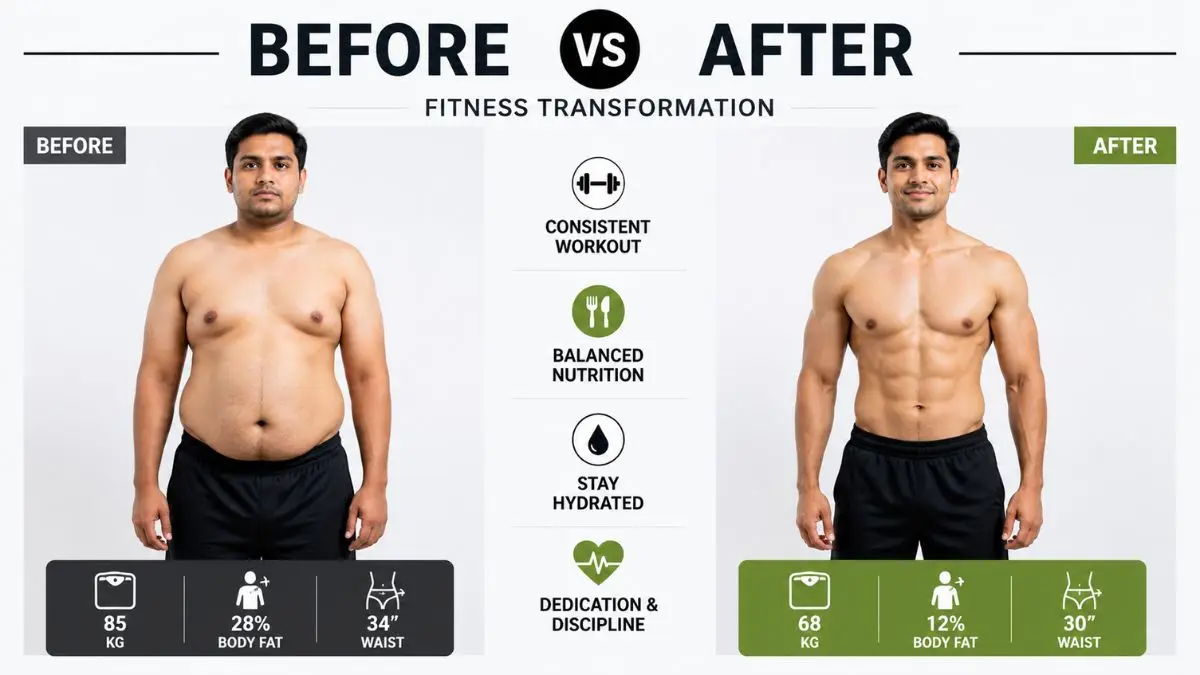
Can you gain muscle in a calorie deficit? Many people believe you have to choose between losing fat and building muscle, but that’s not always true. With the right nutrition, strength training, and recovery, you can build muscle while reducing body fat.
Although gaining muscle while eating fewer calories is more challenging than building muscle in a calorie surplus, it is possible for beginners, people returning after a training break, and those with higher body fat levels. In this guide, you’ll learn the science behind muscle growth in a calorie deficit, who can benefit the most, and the proven nutrition and workout strategies that support the best results.
What Does It Mean to Gain Muscle in a Calorie Deficit?
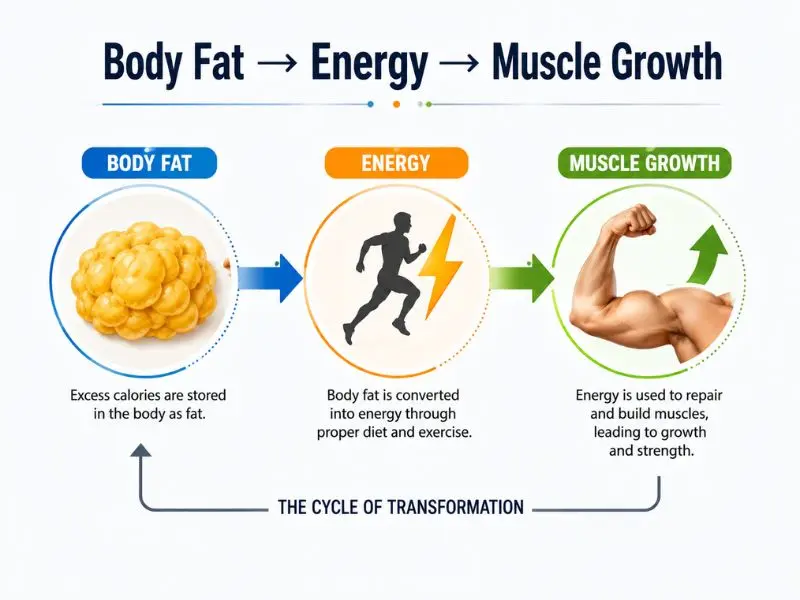
A calorie deficit occurs when your daily calorie intake is lower than the number of calories your body uses for energy. When asking, can you gain muscle in a calorie deficit, remember that a calorie deficit makes your body use stored fat for energy.
Muscle gain, however, requires your body to repair and build muscle fibers after resistance training. At first glance, these two goals may seem to conflict. That’s why many people ask, can you gain muscle in a calorie deficit?
The answer depends on several factors, including:
- Your training experience
- Protein intake
- Workout quality
- Sleep and recovery
- Size of your calorie deficit
- Current body fat percentage
When these factors are optimized, your body can use stored fat for energy while directing nutrients toward muscle repair and growth.
How Does Body Recomposition Work?
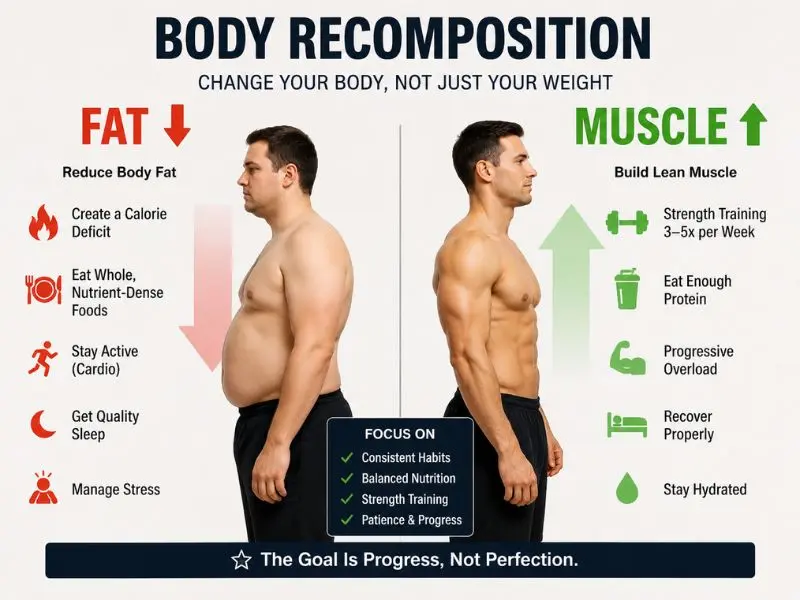
Body re composition refers to losing fat and gaining muscle at the same time.
Instead of focusing only on weight loss, body re composition aims to improve your body composition by increasing lean muscle while decreasing body fat.
Can you gain muscle in a calorie deficit? Your body constantly breaks down and rebuilds muscle tissue. This cycle is known as muscle protein turnover.
When muscle protein synthesis exceeds muscle protein breakdown, your muscles gradually grow.
To make this happen while eating fewer calories, your body needs:
- Resistance training
- Enough protein
- Recovery
- A moderate calorie deficit
Stored body fat supplies much of the energy needed, allowing some people to build muscle in a calorie deficit despite eating less.
Is It Possible to Gain Muscle in a Calorie Deficit?
The simple answer is yes, but it depends on your situation.
Research shows that certain groups are much more likely to gain muscle while losing fat than others.
Beginners
People who are new to strength training often experience rapid improvements.
Their muscles respond quickly to resistance exercise, making muscle growth possible even when calories are slightly restricted.
People Returning After a Break
If you’ve taken several months off from training, muscle memory allows your body to regain lost muscle faster.
This is one reason why many people ask, “Can you gain muscle in a calorie deficit?” after returning to training.
Individuals With Higher Body Fat
People carrying extra body fat have larger energy reserves.
Their bodies can use stored fat to support muscle-building processes while continuing to lose fat.
Experienced Lifters
Advanced lifters usually find it much harder.
As training age increases, building muscle requires more calories, more recovery, and more progressive overload.
Many experienced athletes often ask, “Can you gain muscle in a calorie deficit?” but still prefer a small calorie surplus for better muscle growth.
The Science Behind Muscle Growth
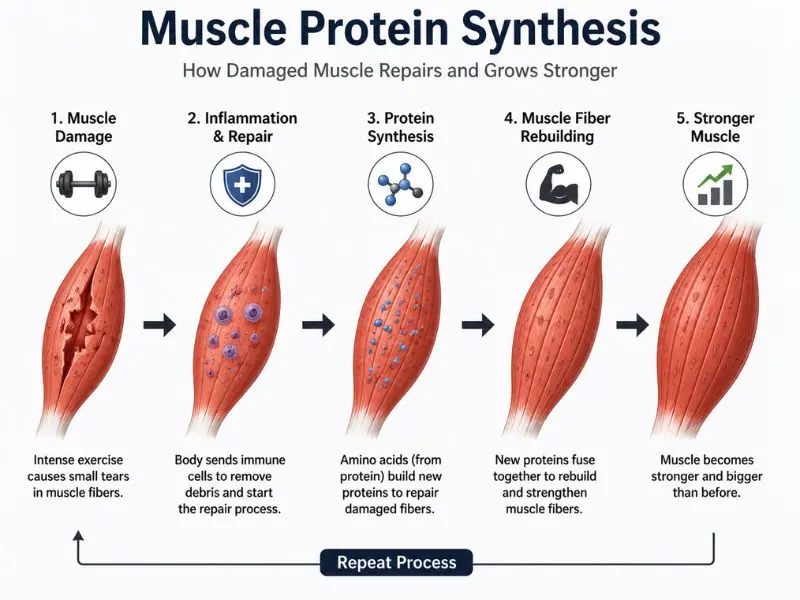
Understanding how muscles grow helps answer the question, can you gain muscle in a calorie deficit.
Every resistance workout creates tiny amounts of damage within muscle fibers.
Your body repairs this damage by using amino acids from dietary protein.
Over time, these repaired fibers become stronger and larger.
This muscle-building process is known as muscle protein synthesis (MPS).
To maximize MPS, your body needs:
- High-quality protein
- Resistance training
- Enough recovery time
- Adequate sleep
Even during a calorie deficit, muscle protein synthesis can remain elevated if protein intake and training quality are high.
Why Protein Is So Important
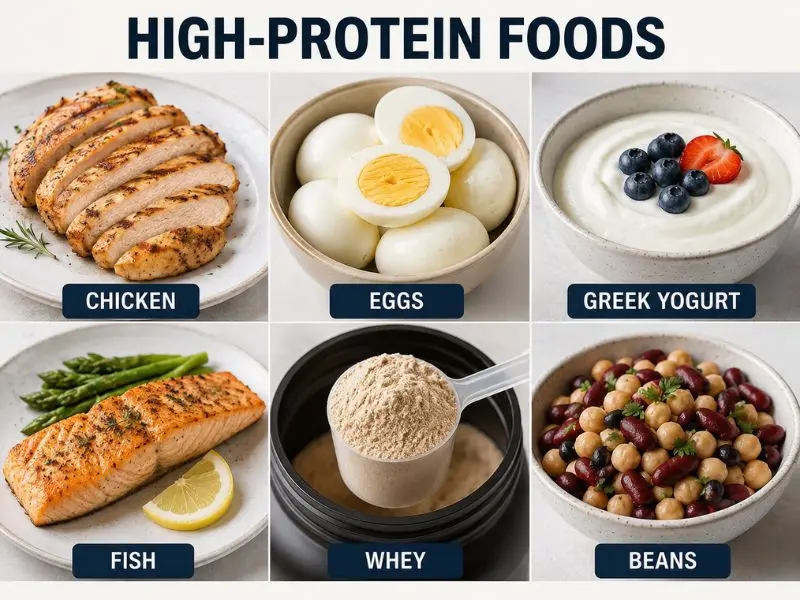
Protein provides amino acids that repair damaged muscle tissue.
Without enough protein, your body struggles to recover from workouts.
Most research suggests consuming approximately:
1.6–2.2 grams of protein per kilogram of body weight per day
This amount supports muscle maintenance and may help build muscle in a calorie deficit when combined with resistance training.
Good protein sources include:
- Chicken breast
- Turkey
- Eggs
- Greek yogurt
- Cottage cheese
- Lean beef
- Fish
- Whey protein
- Tofu
- Tempeh
- Lentils
- Beans
Can you gain muscle in a calorie deficit? Spread protein across 3–5 meals daily to support muscle growth.
Benefits of Building Muscle During a Calorie Deficit
Successfully gaining muscle while losing fat offers several advantages beyond appearance.
1. Better Body Composition
Instead of simply becoming lighter, your body becomes leaner and more athletic.
Can you gain muscle in a calorie deficit? You can lose fat while building lean muscle.
2. Improved Strength
As muscles grow stronger, everyday tasks become easier.
You’ll also perform better in the gym.
3. Higher Resting Metabolism
Muscle tissue requires more energy than fat tissue.
Having more lean muscle may slightly increase the number of calories your body burns each day.
4. Better Insulin Sensitivity
Resistance training and increased muscle mass help your body use carbohydrates more efficiently.
This supports long-term metabolic health.
5. Improved Confidence
Seeing gradual improvements in strength and body composition often boosts motivation and consistency.
Who Should Avoid a Large Calorie Deficit?
While asking can you gain muscle in a calorie deficit, many people make one major mistake: they cut calories too aggressively.
A severe calorie deficit can increase the risk of:
- Muscle loss
- Fatigue
- Slower recovery
- Reduced workout performance
- Increased hunger
- Hormonal changes
Most people trying to gain muscle while losing fat should keep their calorie deficit moderate.
Can you gain muscle in a calorie deficit? A smaller deficit supports better recovery after strength training.
Best Calorie Deficit for Muscle Growth
The size of your calorie deficit plays a major role in your results.
Here is a general guideline:
| Goal | Recommended Deficit |
| Fat loss with muscle gain | 200–300 calories/day |
| Moderate fat loss | 300–500 calories/day |
| Aggressive fat loss | 600+ calories/day (higher risk of muscle loss) |
For most beginners, a daily deficit of around 250–400 calories offers a good balance between fat loss and muscle preservation.
Common Signs You’re Building Muscle While Losing Fat
Because the scale doesn’t always tell the full story, look for these signs:
- Your strength is increasing.
- Clothes fit better.
- Waist measurement decreases.
- Progress photos show more muscle definition.
- Body fat percentage gradually drops.
- Energy levels remain stable.
- Recovery improves.
- You feel stronger during workouts.
Can you gain muscle in a calorie deficit? These changes often show successful body recomposition.
Nutrition Fundamentals for Muscle Gain in a Calorie Deficit
Nutrition is just as important as training.
To maximize your results:
- Eat enough protein every day.
- Choose whole, nutrient-dense foods.
- Include healthy fats.
- Eat quality carbohydrates around workouts.
- Stay hydrated.
- Limit highly processed foods.
- Avoid skipping meals regularly.
Consistency matters more than perfection.
Can you gain muscle in a calorie deficit? A balanced diet supports muscle recovery and growth.
Workout Strategies to Build Muscle in a Calorie Deficit

Nutrition provides the building blocks for muscle growth, but resistance training provides the stimulus. Can you gain muscle in a calorie deficit? Only if you challenge your muscles with regular strength training.
1. Prioritize Strength Training
Resistance training should be the foundation of your fitness routine.
Aim to train each major muscle group 2–3 times per week using compound exercises that work multiple muscles at once.
Examples include:
- Squats
- Deadlifts
- Bench Press
- Overhead Press
- Pull-Ups
- Bent-Over Rows
- Lunges
Can you gain muscle in a calorie deficit? Compound exercises help stimulate more muscle growth.
2. Use Progressive Overload
Your muscles only grow when they are challenged over time.
Progressive overload means gradually increasing one or more of the following:
- Weight lifted
- Repetitions
- Sets
- Training volume
- Time under tension
Can you gain muscle in a calorie deficit? Small weekly progress can lead to big results.
3. Don’t Overdo Cardio
Cardio supports heart health and calorie expenditure, but too much can interfere with recovery.
For muscle growth, limit cardio to:
- 2–4 sessions per week
- 20–30 minutes per session
- Moderate intensity
Can you gain muscle in a calorie deficit? Walking, cycling, and light jogging support your fitness goals.
4. Prioritize Recovery
Muscles grow while you recover—not while you’re training.
Make recovery a priority by:
- Sleeping 7–9 hours each night
- Managing stress
- Drinking enough water
- Taking at least one or two rest days each week
Can you gain muscle in a calorie deficit? Proper recovery is essential for muscle growth.
Best Foods to Build Muscle in a Calorie Deficit
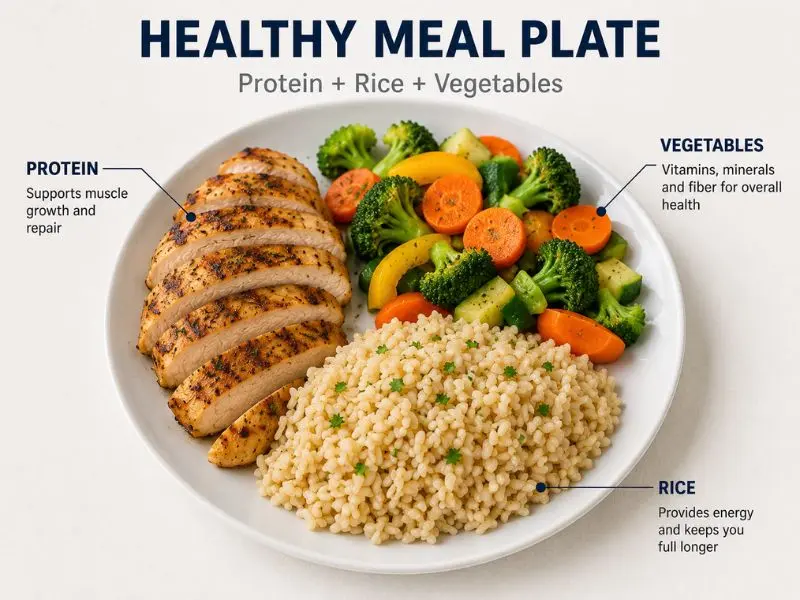
Choose nutrient-dense foods that provide plenty of protein, vitamins, and minerals without excessive calories.
Lean Protein
- Chicken breast
- Turkey
- Lean beef
- Tuna
- Salmon
- Eggs
- Greek yogurt
- Cottage cheese
Plant-Based Protein
- Lentils
- Chickpeas
- Black beans
- Tofu
- Tempeh
- Edamame
Healthy Carbohydrates
- Oats
- Brown rice
- Sweet potatoes
- Quinoa
- Whole-grain bread
- Fruits
Healthy Fats
- Avocados
- Olive oil
- Nuts
- Seeds
- Natural peanut butter
A balanced diet helps fuel workouts while supporting muscle recovery and fat loss.
Supplements That May Help
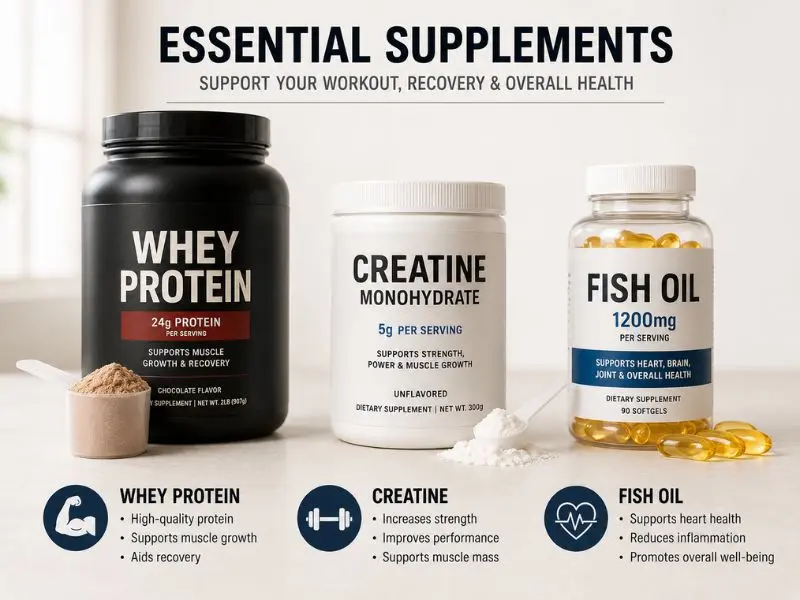
Supplements are optional but may support your progress.
Some of the most researched options include:
- Whey protein
- Creatine monohydrate
- Caffeine (before workouts)
- Vitamin D (if deficient)
- Omega-3 fatty acids
Remember, supplements work best alongside a healthy diet and consistent training.
Comparison Table
| Goal | Calorie Deficit | Muscle Growth | Fat Loss | Best For |
| Aggressive Fat Loss | Large | Low | Very High | Short-term cutting |
| Moderate Fat Loss | Moderate | Moderate | High | Most people |
| Body Recomposition | Small | High | Moderate | Beginners & overweight individuals |
| Lean Bulk | Slight Surplus | Very High | Low | Experienced lifters |
| Traditional Bulk | Large Surplus | Maximum | None | Advanced muscle gain |
Expert Tips for Better Results
Follow these evidence-based strategies to maximize your progress:
- Eat protein with every meal.
- Train consistently every week.
- Focus on compound exercises.
- Track your workouts.
- Stay hydrated throughout the day.
- Avoid crash diets.
- Increase weights gradually.
- Be patient—body recomposition takes time.
- Measure waist size and strength, not just body weight.
- Stay consistent for at least 8–12 weeks before evaluating results.
Common Mistakes to Avoid
Many people struggle because they make avoidable mistakes.
Avoid these common errors:
- Eating too few calories.
- Not consuming enough protein.
- Skipping strength training.
- Doing excessive cardio.
- Changing workouts too often.
- Ignoring sleep and recovery.
- Expecting overnight results.
- Comparing your progress to others.
Consistency beats perfection every time.
Frequently Asked Questions
1. Can you gain muscle in a calorie deficit?
Yes, beginners, overweight individuals, and people returning to training can often build muscle while losing fat.
2. How much protein do I need?
Aim for 1.6–2.2 g of protein per kilogram of body weight daily.
3. Is cardio bad for muscle growth?
No, moderate cardio supports health, but excessive cardio may reduce recovery.
4. How long does body recomposition take?
Most people notice visible changes within 8–12 weeks of consistent training and nutrition.
5. Should I lift heavy in a calorie deficit?
Yes, progressive strength training helps preserve and build lean muscle.
Conclusion
If you’re still wondering if you can gain muscle in a calorie deficit, the answer is yes for many people when they combine a moderate calorie deficit with high protein intake, progressive resistance training, and proper recovery. Focus on consistency rather than quick results, and you’ll improve your body composition by building lean muscle while steadily losing body fat.
