
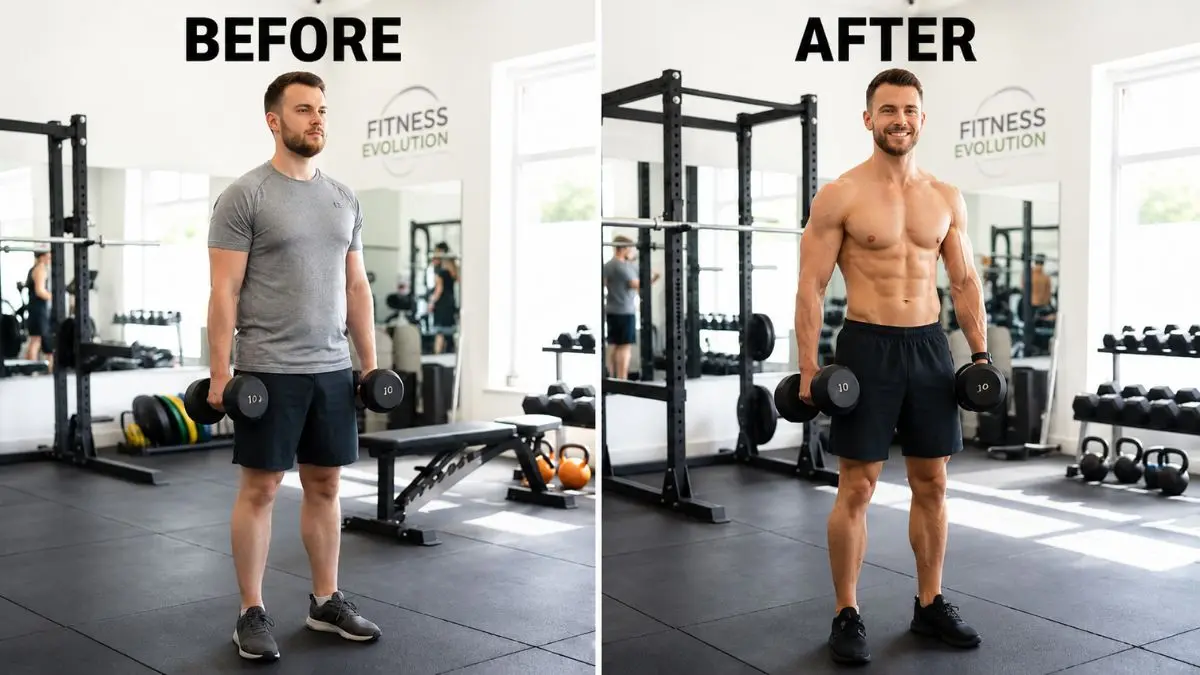
If you’ve ever wondered how to gain muscle and lose fat, you’re not alone. Many people believe you must choose between building muscle or losing weight. However, the right approach can help you improve both at the same time.
The process is called body re composition. Instead of focusing only on the number on the scale, body re composition helps you reduce body fat while increasing lean muscle. This guide explains how to gain muscle and lose fat through science-backed nutrition, effective workouts, and healthy lifestyle habits.
Featured Snippet
How to gain muscle and lose fat involves combining strength training, a high-protein diet, a slight calorie deficit or maintenance calories, quality sleep, and consistent recovery. This approach, known as body recomposition, allows many beginners, overweight individuals, and returning exercisers to build lean muscle while reducing body fat simultaneously.
What Is Body Recomposition?
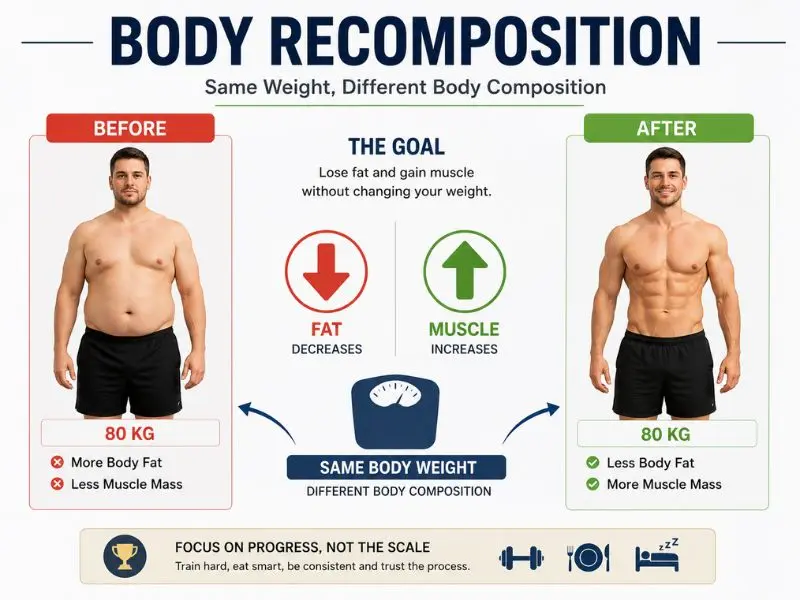
Body recomposition is the process of how to gain muscle and lose fat by reducing body fat while building lean muscle. Unlike traditional weight-loss programs that only focus on losing pounds, this method improves the ratio of muscle to fat.
Many people judge progress by the scale. However, the scale doesn’t show how much muscle you’ve built or how much fat you’ve lost. Two people can have the same body weight but very different amounts of muscle and body fat.
When you build muscle while losing fat, your clothes often fit better, your body looks leaner, and your strength improves even if your body weight changes very little.
Why Body Composition Matters More Than Weight
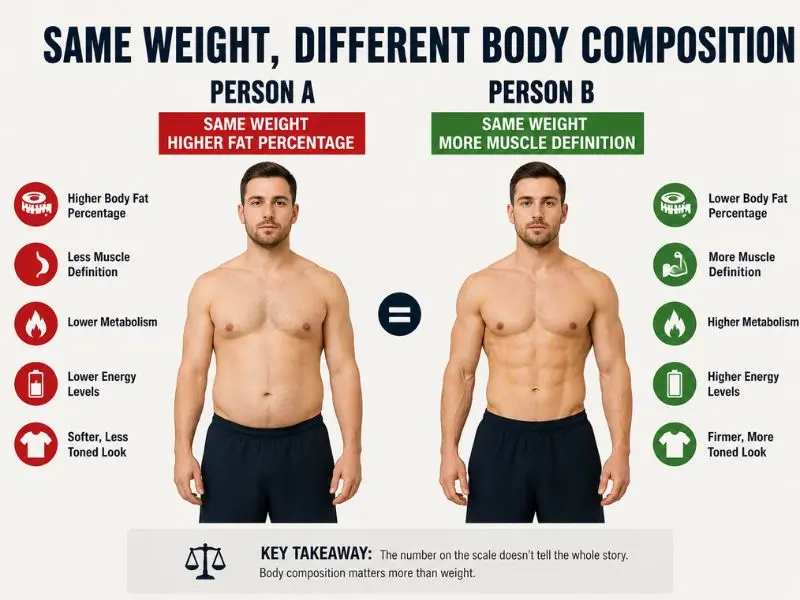
A lower body fat percentage with more muscle offers several advantages.
Benefits include:
- Better physical appearance
- Increased strength
- Faster metabolism
- Improved athletic performance
- Better insulin sensitivity
- Higher daily calorie burn
- Improved long-term health
Instead of focusing only on your weight, pay attention to your body composition. It’s often more helpful to ask, “How much muscle and fat do I have?”
Who Can Build Muscle While Losing Fat?
Although body recomposition is possible, some people experience faster results than others.
You are more likely to gain muscle and lose fat at the same time if you are:
- New to strength training
- Returning after a long break from exercise
- Overweight or obese
- Eating enough protein
- Following a structured resistance training program
- Sleeping at least 7–9 hours each night
Even if you know how to gain muscle and lose fat, progress is usually slower for advanced lifters because their bodies have already adapted to training.
Is It Possible to Gain Muscle and Lose Fat at the Same Time?
Yes. Scientific research shows that your body can burn stored fat for energy while using dietary protein and resistance training to build muscle.
This process works best when your nutrition, workouts, and recovery support muscle protein synthesis without creating an excessive calorie deficit.
Your body constantly breaks down old muscle proteins and replaces them with new ones. Strength training increases this rebuilding process, while protein provides the amino acids needed to repair and grow muscle tissue.
When these habits work together, they show you how to gain muscle and lose fat by building lean muscle while reducing body fat.
The Science Behind Muscle Growth
Understanding how to gain muscle and lose fat starts with muscle protein synthesis, which must exceed muscle protein breakdown for muscle growth to occur.
Strength training causes small amounts of muscle damage that trigger growth and repair. During recovery, your body repairs these fibers, making them stronger and slightly larger than before.
Protein-rich foods supply the amino acids your body needs to repair and build muscle. Consistent training, proper nutrition, and recovery allow these small improvements to accumulate over time.
Unlike quick-fix diets, body recomposition is a gradual process. Most people notice visible improvements after several weeks of consistent effort rather than a few days.
Calories Still Matter
To gain muscle and lose fat, your calorie intake should match your experience level and goals.
For many beginners and people with higher body fat levels, a small calorie deficit combined with strength training and high protein intake is often effective.
A very large calorie deficit can reduce workout performance, slow recovery, and increase muscle loss. On the other hand, eating far above your calorie needs may increase body fat even if muscle growth improves.
Learning how to gain muscle and lose fat starts with finding the right calorie balance.
How Nutrition Supports Muscle Growth and Fat Loss
Nutrition is one of the biggest factors in successful body re composition. Even if you know how to gain muscle and lose fat, poor eating habits can slow your progress.
To gain muscle and lose fat, your body needs enough nutrients to repair muscles while using stored fat for energy. Instead of eating as little as possible, focus on a balanced diet with the right foods and proper portion sizes.
1. Eat Enough Protein Every Day
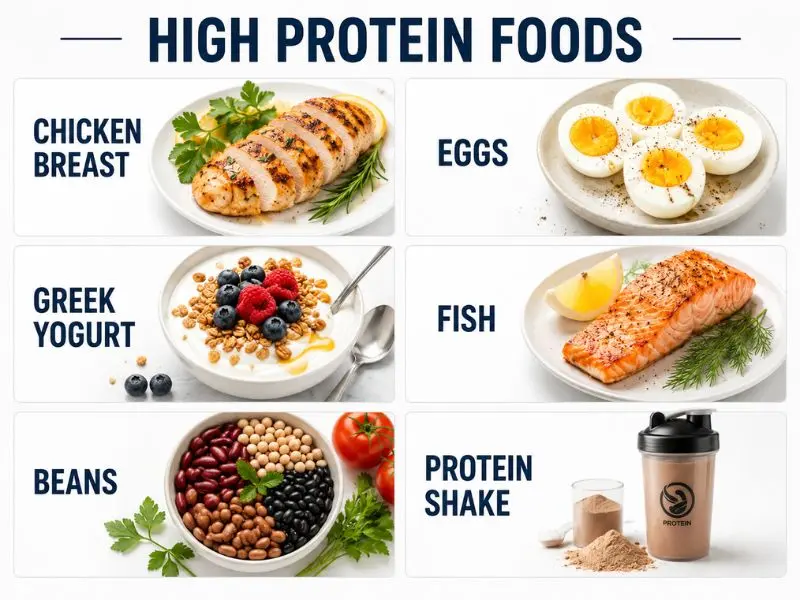
Protein plays a key role in building and repairing muscle tissue. To learn how to gain muscle and lose fat, your body needs amino acids to repair muscle fibers after resistance training.
Research suggests that people trying to build muscle while losing fat benefit from eating more protein than the average person.
Good high-protein foods include:
- Chicken breast
- Turkey
- Lean beef
- Fish
- Eggs
- Greek yogurt
- Cottage cheese
- Tofu
- Tempeh
- Beans
- Lentils
- Protein shakes
Include a high-quality protein source in every meal to support muscle growth and recovery. Spreading your protein intake throughout the day supports muscle protein synthesis more effectively than eating it all at once.
2. Don’t Fear Healthy Carbohydrates
Many individuals avoid carbohydrates because they believe it helps them lose fat faster. However, healthy carbs provide the energy needed for effective workouts.
If you’re learning how to gain muscle and lose fat, eating too few carbohydrates can reduce workout performance and slow muscle growth.
Choose mostly complex carbohydrates such as:
- Oats
- Brown rice
- Sweet potatoes
- Whole-grain bread
- Quinoa
- Fruits
- Vegetables
- Beans
Eating carbohydrates before and after workouts can improve performance and recovery.
3. Include Healthy Fats
Healthy fats support hormone production, brain health, and overall recovery.
Choose foods like:
- Avocados
- Olive oil
- Almonds
- Walnuts
- Chia seeds
- Flaxseeds
- Salmon
Healthy fats support how to gain muscle and lose fat, but enjoy them in moderate portions because they are high in calories.
4. Create a Small Calorie Deficit
If your goal is to lose body fat while maintaining muscle, avoid aggressive dieting.
A moderate calorie deficit allows your body to burn fat without significantly reducing muscle growth.
For many people, reducing daily calorie intake by about 200–400 calories works better than following an extreme diet.
Learning how to gain muscle and lose fat is easier with slow, steady progress that you can maintain over time.
Best Workout Plan for Body Recomposition
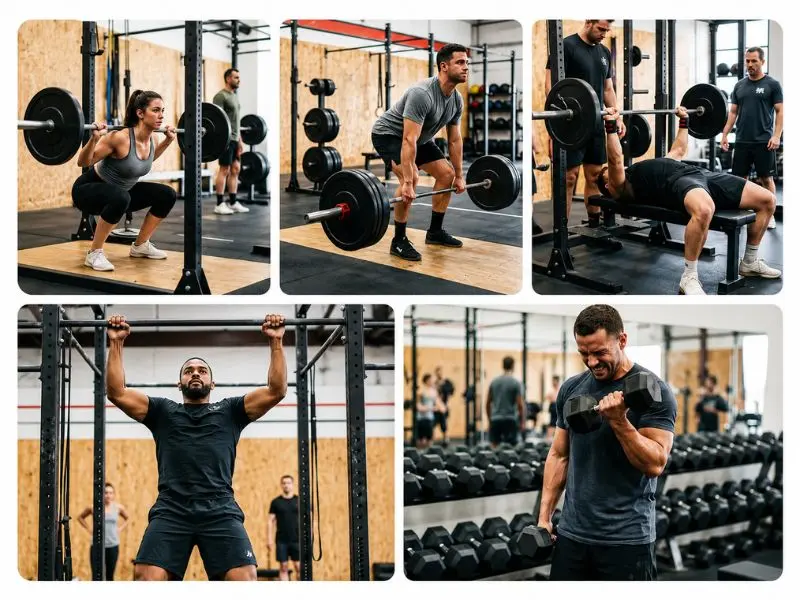
Exercise provides the signal that tells your body to build muscle.
Without resistance training, your body has little reason to preserve muscle while losing weight. A proper muscle gain diet plan provides the calories and nutrients needed to support muscle growth and recovery.
Prioritize Strength Training
Strength training should be the foundation of your workout routine.
Focus on compound exercises because they train multiple muscle groups at once.
Examples include:
- Squats
- Deadlifts
- Bench press
- Pull-ups
- Rows
- Overhead press
- Lunges
Aim to train each major muscle group at least twice every week.
To learn how to gain muscle and lose fat, gradually increase your training weight, repetitions, or overall volume.
Add Cardio Without Overdoing It
Cardio supports heart health and helps burn additional calories.
However, excessive cardio may interfere with muscle recovery if combined with a large calorie deficit.
Good cardio options include:
- Brisk walking
- Cycling
- Swimming
- Rowing
- Light jogging
If you’re learning how to gain muscle and lose fat, two to four cardio sessions each week are enough for most people.
Recovery and Lifestyle Habits
Training and nutrition matter, but recovery is where your body actually builds new muscle.
Learning how to gain muscle and lose fat requires proper recovery because ignoring it can slow progress and increase injury risk.
Sleep Is Essential
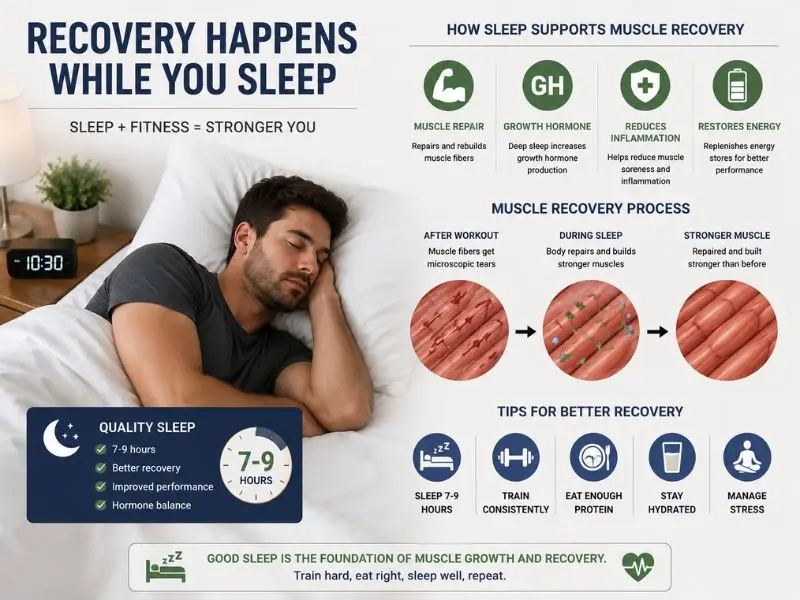
During sleep, your body repairs damaged muscle tissue and releases hormones that support recovery.
Most adults should aim for:
- 7–9 hours of quality sleep every night
Poor sleep can increase hunger, reduce workout performance, and slow muscle growth.
To learn how to gain muscle and lose fat, develop a consistent bedtime routine and limit screen time before bed.
Manage Stress
Chronic stress can make it harder to gain muscle and lose fat.
High stress levels may:
- Reduce workout performance
- Increase cravings
- Disrupt sleep
- Slow recovery
- Affect hormone balance
Simple stress-management techniques include:
- Daily walks
- Deep breathing
- Meditation
- Stretching
- Spending time outdoors
- Talking with friends or family
Learning how to gain muscle and lose fat is easier with small daily habits instead of drastic changes.
Comparison Table
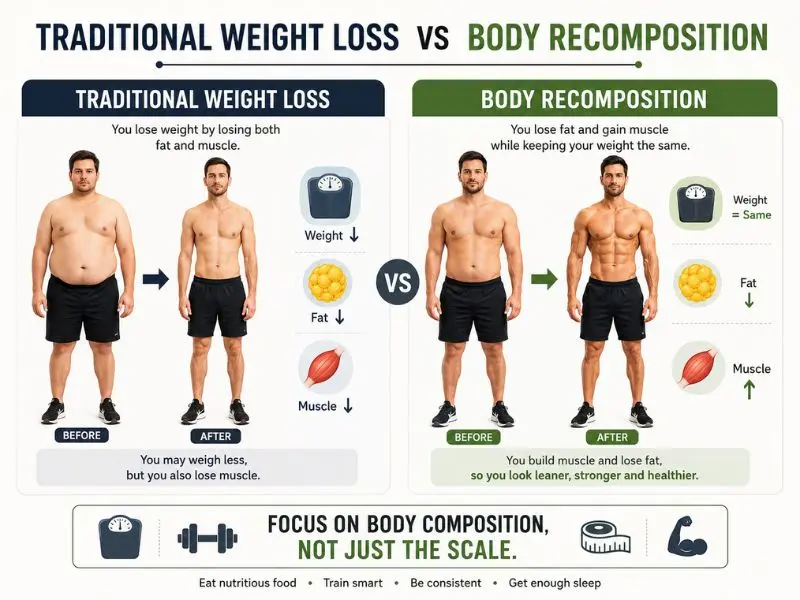
| Goal | Traditional Weight Loss | Body Recomposition |
| Primary Focus | Lose body weight | Gain muscle and lose fat |
| Calories | Large deficit | Small deficit or maintenance |
| Protein Intake | Moderate | High |
| Strength Training | Optional | Essential |
| Cardio | High priority | Moderate |
| Muscle Growth | Often decreases | Encouraged |
| Fat Loss | Fast | Gradual and sustainable |
| Best For | Quick weight loss | Long-term body transformation |
Expert Tips
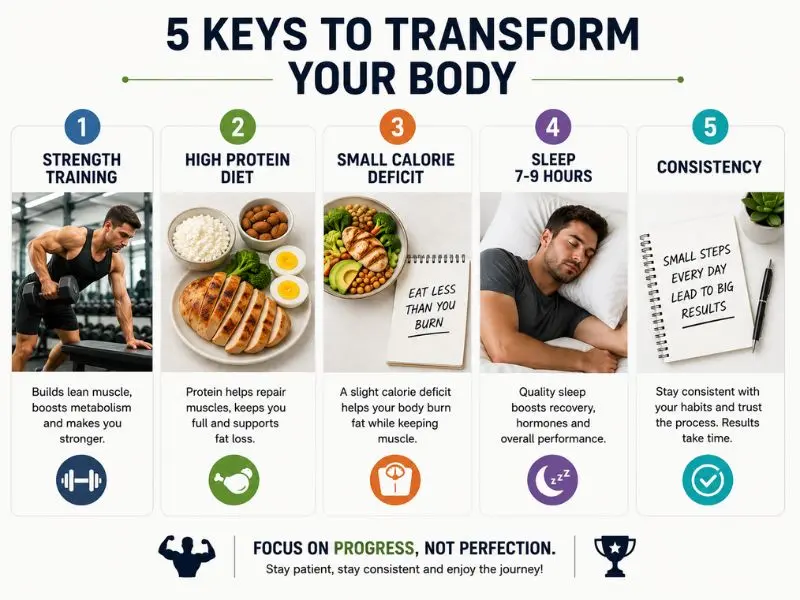
Following a smart plan is more effective than chasing quick results. These expert tips can help you learn how to gain muscle and lose fat by making steady progress while building lean muscle and reducing body fat.
1. Focus on Progressive Overload
Gradually increase the weight, repetitions, or sets in your workouts. Challenging your muscles over time encourages continuous growth.
2. Prioritize Protein at Every Meal
Include a high-quality protein source with breakfast, lunch, dinner, and snacks. This helps support muscle repair throughout the day.
3. Track More Than Your Weight
The scale doesn’t tell the whole story. Measure your waist, take progress photos, and record your strength gains to see real body recomposition progress.
4. Stay Consistent
Missing one workout or eating one unhealthy meal won’t ruin your results. Consistency over weeks and months matters far more than perfection.
5. Be Patient
Building muscle while losing fat is a gradual process. Most people notice meaningful changes after several weeks of consistent training, balanced nutrition, and quality recovery.
Common Mistakes
Avoiding these common mistakes will improve your chances of successful body recomposition.
1. Eating Too Few Calories
A very large calorie deficit can reduce energy, slow recovery, and increase muscle loss. Choose a moderate calorie deficit instead.
2. Not Eating Enough Protein
Without enough protein, your body has fewer building blocks to repair and grow muscle after workouts.
3. Skipping Strength Training
Cardio alone is not enough to build lean muscle. Resistance training should remain the foundation of your program.
4. Ignoring Sleep and Recovery
Muscles grow while you recover, not while you exercise. Poor sleep can reduce workout performance and slow progress.
5. Expecting Instant Results
Body recomposition takes time. Comparing yourself to unrealistic social media transformations can lead to frustration. Focus on steady improvement instead.
People Also Ask
Can beginners gain muscle and lose fat at the same time?
Yes, beginners can often build muscle and lose fat faster with proper training and nutrition.
How long does body recomposition take?
Most people see noticeable results within 8–12 weeks of consistent effort.
Do I need cardio to lose fat and build muscle?
Cardio helps with fat loss, but strength training is more important for muscle growth.
Should I eat before or after a workout?
A balanced meal before or after exercise supports energy, recovery, and muscle growth.
Is body recomposition better than traditional dieting
Body recomposition focuses on improving muscle and fat levels instead of only losing weight.
FAQs
1. How to gain muscle and lose fat at the same time?
Strength train, eat enough protein, and maintain a small calorie deficit.
2. How much protein do I need for body recomposition?
Aim for 1.6–2.2 g of protein per kilogram of body weight daily.
3. Is cardio necessary for body recomposition?
No, but moderate cardio supports fat loss and heart health.
4. How long does body recomposition take?
Most people notice results within 8–12 weeks.
5. Can beginners build muscle while losing fat?
Yes, beginners usually achieve body recomposition more easily than experienced lifters.
Conclusion
Learning how to gain muscle and lose fat takes patience, consistency, and the right strategy. Focus on strength training, eat enough protein high protein foods , maintain a moderate calorie deficit, and prioritize recovery. By following these habits consistently, you can improve your body composition, become stronger, and achieve lasting results without relying on extreme diets or workout plans.
