
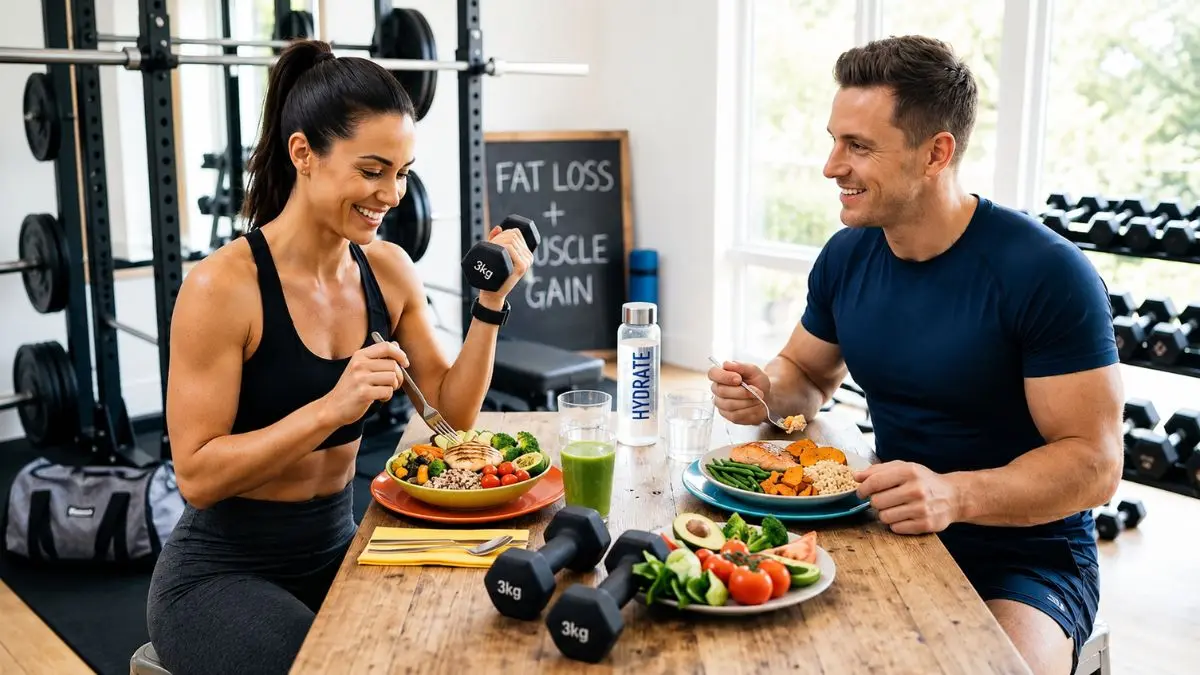
Many people think they must choose between losing body fat and building muscle. The good news is that you can achieve both goals with the right approach. A well-planned diet to lose fat and gain muscle helps improve your body composition instead of simply lowering the number on the scale.
Lasting results come from eating enough protein, choosing nutrient-rich foods, following a consistent workout routine, and sticking with healthy habits. Whether you’re new to fitness or returning after a break, this guide will show you practical steps that support long term results.
Featured Snippet
A diet to lose fat and gain muscle focuses on eating high-quality protein, healthy carbohydrates, healthy fats, and nutrient-rich foods while maintaining a small calorie deficit. Combined with strength training and proper recovery, this approach helps reduce body fat while preserving or building lean muscle over time.
What Is a Diet to Lose Fat and Gain Muscle?
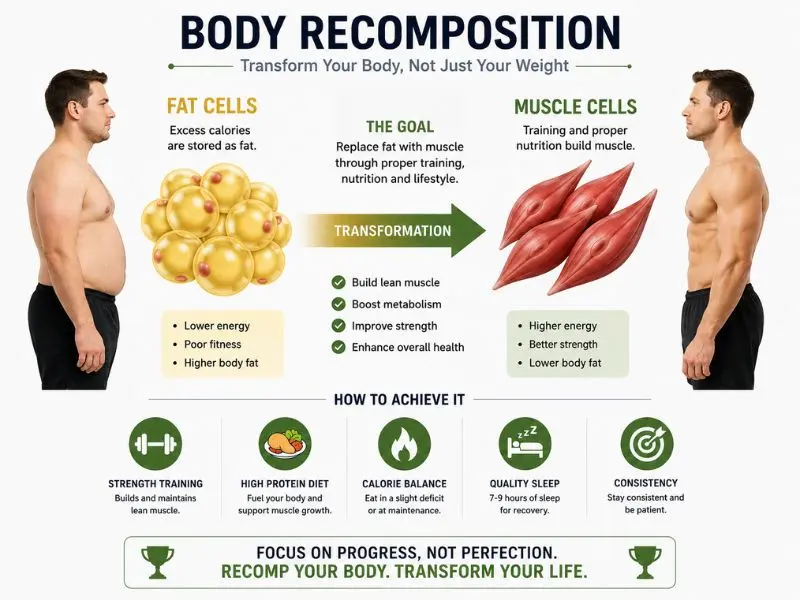
A diet to lose fat and gain muscle is often called a body recomposition diet. Instead of focusing only on weight loss, it aims to reduce body fat while increasing lean muscle mass.
This approach works because muscle and fat respond differently to nutrition and exercise. Your body can burn stored fat for energy while using dietary protein to repair and build muscle after resistance training.
Unlike crash diets, a lose fat and build muscle diet supports your metabolism and helps you stay energetic throughout the day.
Why Body Recomposition Is Better Than Traditional Dieting
Many restrictive diets may help you lose weight quickly, but they often lead to muscle loss as well. Muscle is important because it helps improve strength, posture, and daily movement, making a diet to lose fat and gain muscle more effective in the long run.
Body recomposition focuses on:
- Losing fat gradually
- Preserving lean muscle
- Building strength
- Improving overall health
- Creating sustainable habits
As a result, your clothes may fit better even if the scale changes slowly.
How Body Recomposition Works
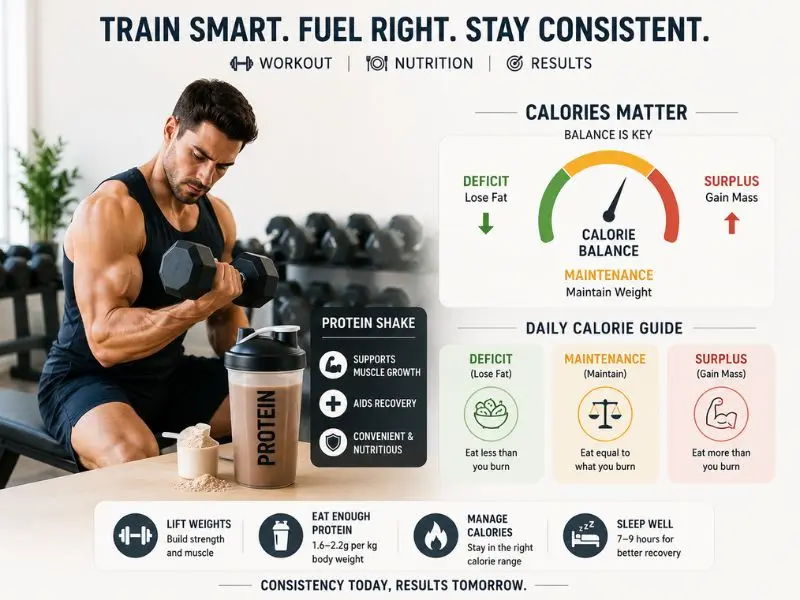
Your body constantly rebuilds muscle, so a diet to lose fat and gain muscle should include enough protein. Proper nutrition and resistance training shift this balance toward muscle growth while encouraging fat loss.
Three key factors make this possible.
1. Eat Enough Protein
Protein supplies amino acids, which are the building blocks of muscle.
Good protein sources include:
- Chicken breast
- Turkey
- Eggs
- Greek yogurt
- Cottage cheese
- Fish
- Lean beef
- Tofu
- Lentils
- Protein shakes
Many experts recommend spreading protein across all meals instead of eating most of it at dinner.
2. Maintain a Small Calorie Deficit
Eating slightly fewer calories than your body burns encourages fat loss. However, a diet to lose fat and gain muscle should avoid extreme calorie restriction, as it can slow muscle growth and recovery.
A moderate calorie deficit usually works better than an extreme diet because it provides enough energy for workouts and daily activities.
3. Strength Training Is Essential
Nutrition alone is not enough. Your muscles need a reason to grow.
Resistance exercises such as:
- Squats
- Push-ups
- Rows
- Deadlifts
- Lunges
- Shoulder presses
send a signal to your body to preserve and build muscle.
Combining regular strength training with a best diet to lose fat and gain muscle creates the ideal environment for body recomposition.
Nutrition Principles for Fat Loss and Muscle Gain
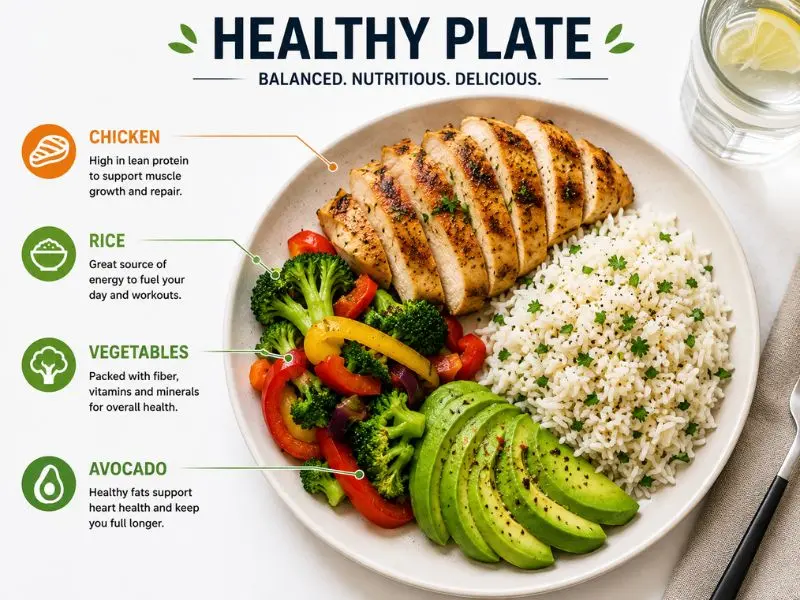
Food quality matters just as much as calorie intake.
A successful high protein diet for muscle gain should include balanced meals that provide lasting energy and support recovery.
Prioritize Protein
Protein helps:
- Repair muscle tissue
- Reduce hunger
- Increase fullness
- Support recovery
- Maintain lean muscle during fat loss
When following a diet to lose fat and gain muscle, try to include a good source of protein in every meal and snack throughout the day.
Choose Smart Carbohydrates
Carbohydrates provide the energy you need for workouts and help restore your energy afterward.
Healthy options include:
- Oatmeal
- Brown rice
- Sweet potatoes
- Quinoa
- Whole-grain bread
- Fruits
- Vegetables
These foods also provide fiber, vitamins, and minerals.
Don’t Fear Healthy Fats
Healthy fats support hormone production and overall health.
Choose foods such as:
- Avocados
- Almonds
- Walnuts
- Chia seeds
- Olive oil
- Natural peanut butter
Keep portions moderate because fats contain more calories than protein or carbohydrates.
Stay Hydrated
Water plays an important role in exercise performance and recovery.
Drink water throughout the day, especially before and after workouts. Proper hydration also helps regulate body temperature and supports digestion.
Eat Mostly Whole Foods
A body recomposition diet plan should focus on foods that are minimally processed.
Examples include:
- Fresh vegetables
- Fruits
- Lean meats
- Fish
- Beans
- Whole grains
- Low-fat dairy
- Nuts and seeds
For a diet to lose fat and gain muscle, choose whole foods over highly processed snacks and sugary drinks because they provide more nutrients.
Best Foods for a Diet to Lose Fat and Gain Muscle
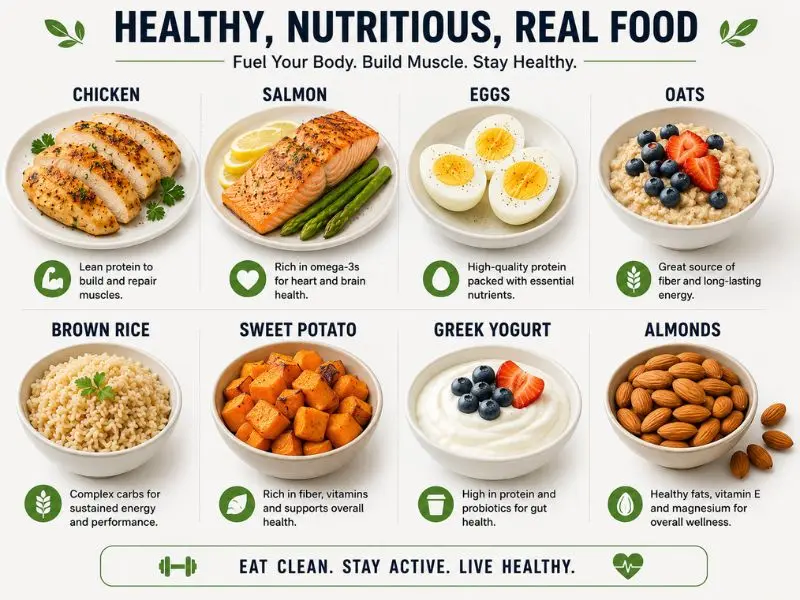
Choosing the right foods is one of the most important parts of a successful diet to lose fat and gain muscle. Nutrient-dense foods provide your body with protein, healthy fats, fiber, vitamins, and minerals while helping you stay full longer.
Instead of following restrictive diets, focus on building balanced meals that support both fat loss and muscle growth.
Lean Protein Foods
Protein is the foundation of muscle repair and growth. It also helps control hunger, making it easier to maintain a healthy calorie deficit.
Excellent protein choices include:
- Chicken breast
- Turkey breast
- Salmon
- Tuna
- Eggs
- Egg whites
- Greek yogurt
- Cottage cheese
- Lean beef
- Tofu
- Tempeh
- Lentils
- Black beans
- Whey protein
Aim to include a quality protein source in every meal.
Healthy Carbohydrates
Carbohydrates fuel your workouts and help replenish muscle glycogen after exercise. Choosing complex carbs provides steady energy throughout the day.
Good options include:
- Oatmeal
- Brown rice
- Sweet potatoes
- Quinoa
- Whole-grain pasta
- Whole-wheat bread
- Apples
- Bananas
- Berries
- Oranges
Eating carbohydrates around your workouts can improve performance and recovery.
Healthy Fats
Healthy fats support hormone production, brain health, and vitamin absorption.
Choose foods such as:
- Avocados
- Olive oil
- Almonds
- Walnuts
- Pistachios
- Chia seeds
- Flaxseeds
- Natural peanut butter
Even healthy fats are calorie-dense, so enjoy them in moderate portions.
Sample Diet to Lose Fat and Gain Muscle Meal Plan
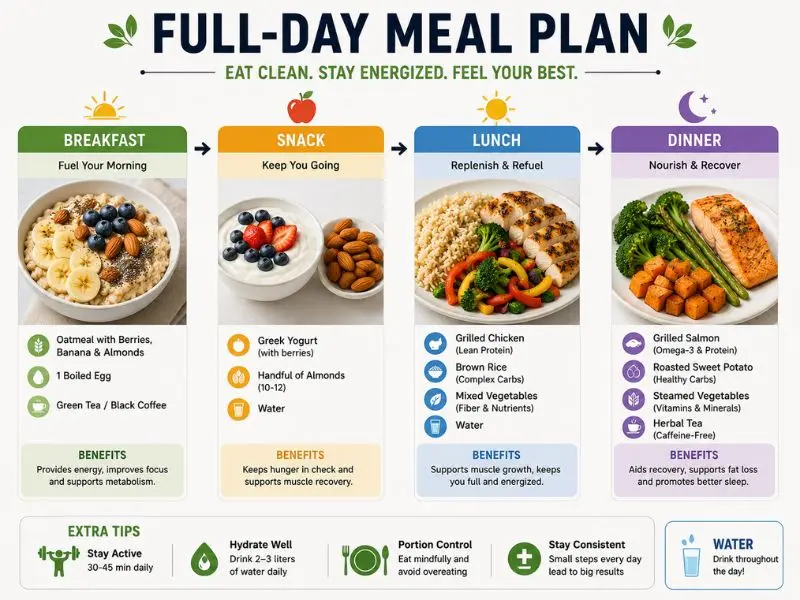
A simple meal plan makes healthy eating easier. The goal is to combine protein, complex carbohydrates, and healthy fats at every meal.
| Meal | Foods |
| Breakfast | Oatmeal, Greek yogurt, blueberries, almonds |
| Snack | Apple with peanut butter |
| Lunch | Grilled chicken, brown rice, broccoli |
| Snack | Cottage cheese with berries |
| Dinner | Baked salmon, sweet potato, green beans |
| Evening Snack | Protein shake or low-fat Greek yogurt |
This lose fat and build muscle diet provides steady energy while supporting muscle recovery throughout the day.
Comparison Table: Foods to Choose vs Foods to Limit
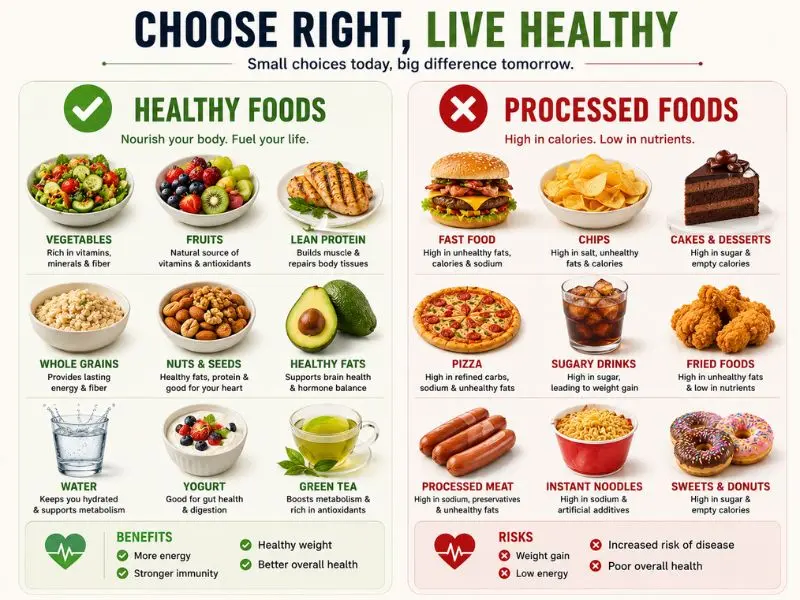
| Choose More Often | Limit More Often |
| Lean chicken | Fried chicken |
| Fish | Processed meats |
| Brown rice | White pastries |
| Sweet potatoes | French fries |
| Oatmeal | Sugary cereals |
| Fresh fruit | Candy |
| Vegetables | Potato chips |
| Greek yogurt | Ice cream |
| Olive oil | Trans fats |
| Water | Sugary soft drinks |
Following these healthier choices makes a diet to lose fat and gain muscle easier to maintain over the long term.
Key Takeaways
- Eat protein with every meal.
- Maintain a small calorie deficit.
- Strength train at least three times weekly.
- Prioritize whole, minimally processed foods.
- Stay consistent instead of looking for quick fixes.
Expert Tips
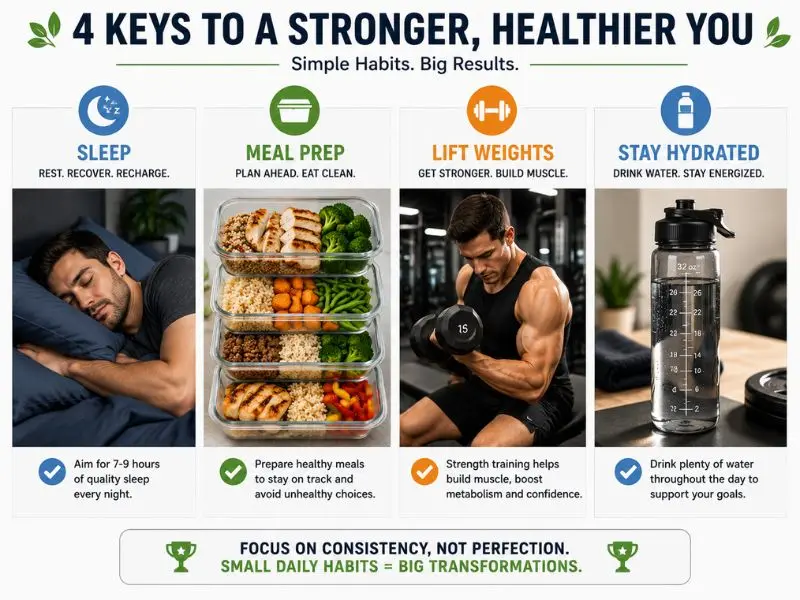
Experienced fitness professionals often recommend these habits to maximize body recomposition.
1. Track Your Protein Intake
Meeting your daily protein goal consistently is one of the biggest predictors of success.
2. Lift Heavier Over Time
Gradually increasing resistance encourages continuous muscle growth.
3. Sleep Seven to Nine Hours
Quality sleep supports hormone balance, muscle recovery, and fat loss.
4. Prepare Meals Ahead
Meal preparation reduces unhealthy food choices during busy days.
5. Be Patient
Visible body recomposition usually takes several weeks or months. Consistency always beats perfection.
Common Mistakes
1. Eating Too Few Calories
Very low-calorie diets often reduce muscle mass and energy levels.
How to avoid it: Maintain only a moderate calorie deficit.
2. Skipping Protein
Low protein intake slows muscle recovery.
How to avoid it: Include lean protein at every meal.
3. Doing Too Much Cardio
Excessive cardio without resistance training can make muscle growth harder.
How to avoid it: Balance cardio with strength training.
4. Ignoring Recovery
Training every day without rest increases injury risk.
How to avoid it: Schedule recovery days each week.
5. Expecting Fast Results
Body recomposition is gradual.
How to avoid it: Focus on weekly progress instead of daily scale changes.
Frequently Asked Questions (FAQs)
1. What is the best diet to lose fat and gain muscle?
A high-protein whole-food diet with a slight calorie deficit and strength training works best.
2. How much protein should I eat each day?
Eat 1.6–2.2 grams of protein per kg of body weight daily.
3. Can I lose fat and build muscle at the same time?
Yes, with proper training, protein intake, and a small calorie deficit.
4. Should I do cardio while trying to build muscle?
Yes, moderate cardio helps fat loss and heart health without affecting muscle growth.
5. How long does it take to see results?
Usually 8–12 weeks of consistent effort shows visible results.
Conclusion
Following a diet to lose fat and gain muscle is one of the smartest ways to improve your body composition and overall health. Focus on eating high protein whole foods, maintaining a moderate calorie deficit, strength training consistently, and getting enough sleep. Stay patient, track your progress, and build healthy habits that you can maintain for years instead of looking for quick fixes.
