

Building muscle takes more than lifting weights. Your workouts create the stimulus, but your diet provides the nutrients your body needs to recover and grow. One of the most common questions people ask is how much protein per day to gain muscle, and the answer depends on factors such as your body weight, activity level, and training goals.
Eating enough protein helps repair muscle tissue after exercise and supports muscle protein synthesis, the natural process your body uses to build new muscle. In this guide, you’ll learn the ideal daily protein intake for muscle growth, how to calculate your needs, the best food sources, and practical tips to help you make steady progress.
What Is Protein and Why Does It Matter?
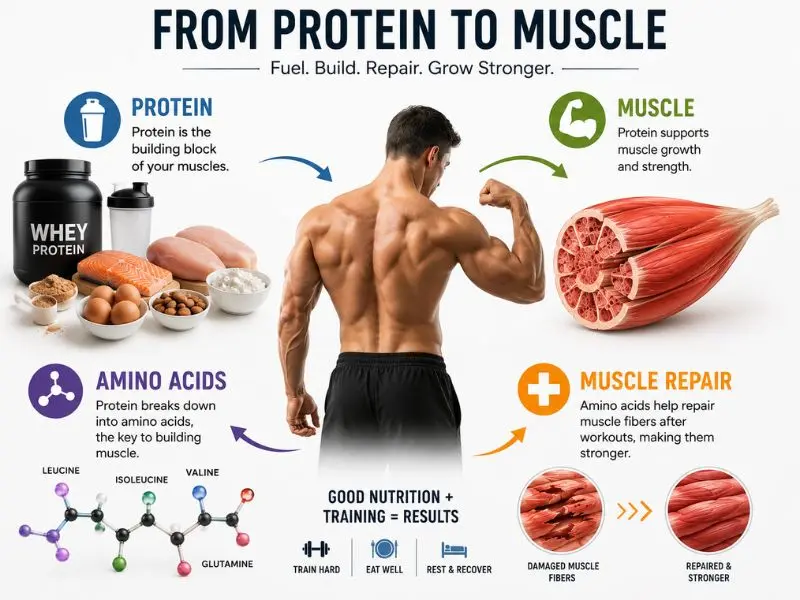
Protein is an essential nutrient that your body relies on every day to build, repair, and maintain tissues. It is made up of amino acids, which are often called the building blocks of muscle because they help repair and rebuild muscle fibers after exercise.
While carbohydrates provide energy and fats support hormone production, protein plays the leading role in muscle recovery and growth. Without enough protein, reaching your goal of how much protein per day to gain muscle becomes more difficult.
Some of protein’s most important functions include:
- Repairing muscle tissue after strength training
- Supporting muscle protein synthesis
- Maintaining lean body mass during fat loss
- Producing enzymes and hormones
- Supporting immune function
- Helping you feel full for longer
If your goal is to gain muscle, protein should be a priority in every meal.
How Muscle Growth Happens
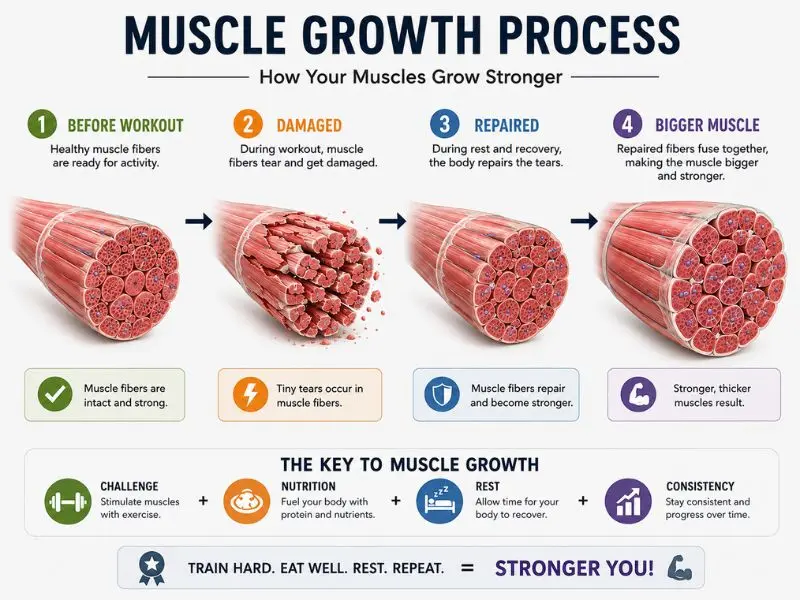
Many people think muscles grow during workouts. In reality, muscle growth happens during recovery.
When you perform resistance exercises such as squats, bench presses, or pull-ups, tiny tears develop in your muscle fibers. Your body repairs this damage using amino acids from dietary protein, making the muscle slightly stronger and larger over time.
This repair process is known as muscle protein synthesis.
For muscle growth to occur consistently, three key factors must work together:
- Progressive strength training
- Sufficient daily protein intake
- Adequate calories, sleep, and recovery
Missing any of these can make it harder to reach your how much protein per day to gain muscle goal.
How Much Protein Per Day to Gain Muscle
The ideal amount of protein varies from person to person. Body weight helps estimate how much protein per day to gain muscle.
Most research suggests the following guidelines:
| Goal | Protein Intake |
| General health | 0.8 g/kg body weight |
| Recreational exercisers | 1.2–1.6 g/kg |
| Muscle gain | 1.6–2.2 g/kg |
| Cutting while preserving muscle | 2.0–2.4 g/kg |
Example Calculations
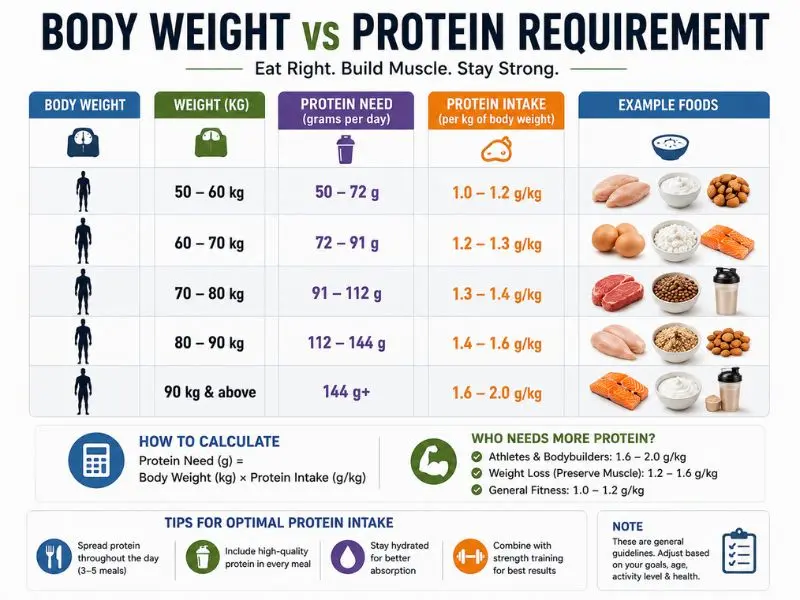
| Body Weight | Daily Protein Intake |
| 60 kg (132 lb) | 96–132 g |
| 70 kg (154 lb) | 112–154 g |
| 80 kg (176 lb) | 128–176 g |
| 90 kg (198 lb) | 144–198 g |
| 100 kg (220 lb) | 160–220 g |
These ranges provide enough protein for most healthy adults who regularly perform resistance training.
Factors That Affect Your Protein Needs
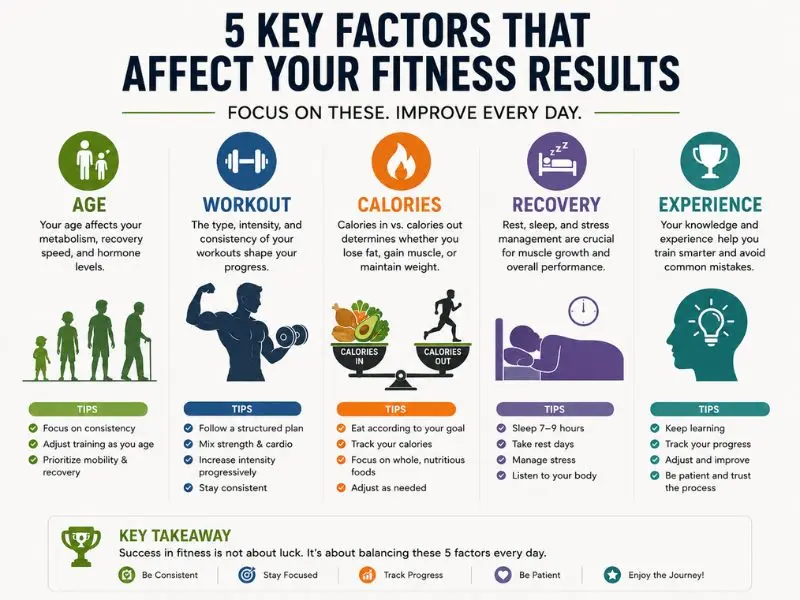
Although body weight provides a good estimate, several factors influence how much protein you actually need.
Training Intensity
Someone lifting weights five or six days each week typically requires more protein than someone exercising twice weekly.
Experience Level
Beginners often make rapid progress with moderate protein intake, while advanced lifters may benefit from amounts closer to the upper end of the recommended range.
Calorie Intake
If you’re eating in a calorie deficit to lose body fat, higher protein intake helps preserve lean muscle mass.
Age
Older adults may need more protein because muscle-building becomes less efficient with age.
Recovery
People training multiple muscle groups several times each week generally benefit from spreading protein evenly across meals to support recovery.
Best Protein Sources for Muscle Gain
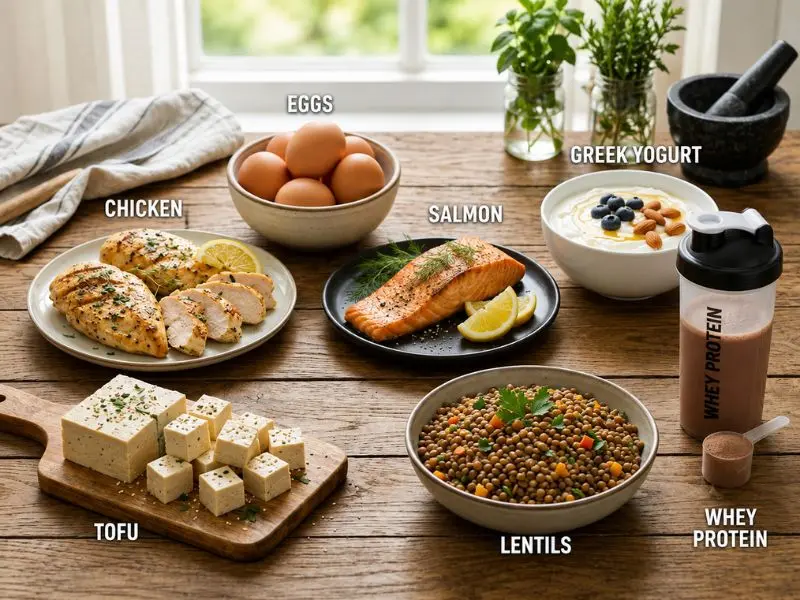
Choosing high-quality protein sources is just as important as knowing how much protein per day to gain muscle. Complete proteins help you meet how much protein per day to gain muscle while supporting muscle protein synthesis.
Animal-Based Protein Sources
Animal proteins are highly digestible and naturally rich in leucine, an amino acid that plays a key role in muscle growth.
Some excellent options include:
- Chicken breast
- Turkey
- Lean beef
- Salmon
- Tuna
- Eggs
- Greek yogurt
- Cottage cheese
- Milk
- Whey protein powder
Plant-Based Protein Sources
Plant proteins can also support muscle growth when you eat a variety of them throughout the day.
Good choices include:
- Tofu
- Tempeh
- Edamame
- Lentils
- Chickpeas
- Black beans
- Quinoa
- Soy milk
- Peanuts
- Mixed nuts and seeds
Vegetarians and vegans may need more protein to meet how much protein per day to gain muscle.
Protein Content of Common Foods
| Food | Serving | Protein |
| Chicken breast | 100 g | 31 g |
| Salmon | 100 g | 22 g |
| Lean beef | 100 g | 26 g |
| Eggs | 2 large | 12 g |
| Greek yogurt | 1 cup | 20 g |
| Cottage cheese | 1 cup | 28 g |
| Whey protein | 1 scoop | 24–25 g |
| Tofu | 100 g | 15 g |
| Lentils | 1 cup cooked | 18 g |
| Black beans | 1 cup cooked | 15 g |
A mix of whole foods and convenient options like Greek yogurt or whey protein can make it easier to reach your daily protein intake for muscle growth.
How Much Protein Do You Need Per Meal?
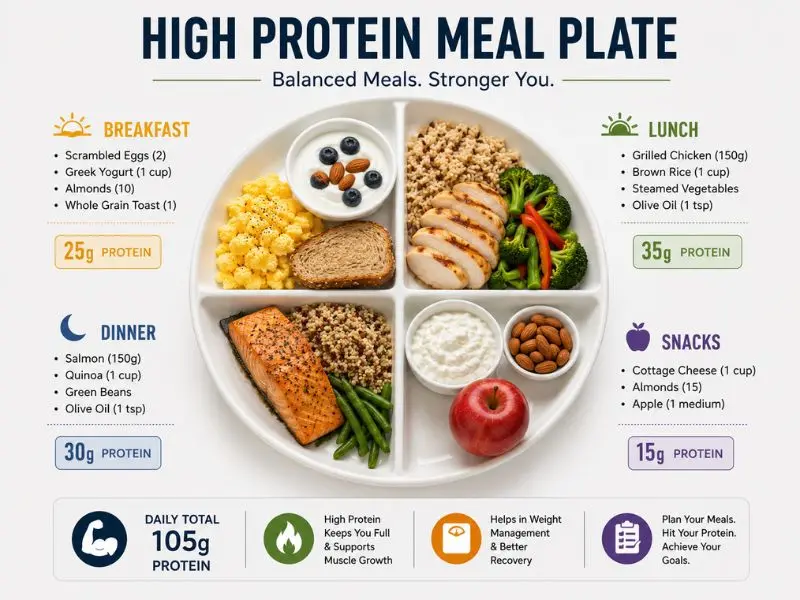
Your body benefits from spreading protein across the day instead of eating most of it in one meal.
Many experts recommend consuming 20–40 grams of protein per meal, depending on your body size and total daily target. This approach helps support muscle protein synthesis several times throughout the day.
For example, if your goal is 160 grams of protein daily, you could divide it like this:
| Meal | Protein |
| Breakfast | 35 g |
| Lunch | 40 g |
| Snack | 20 g |
| Dinner | 40 g |
| Evening Snack | 25 g |
This approach makes it easier to meet how much protein per day to gain muscle.
Does Protein Timing Matter?
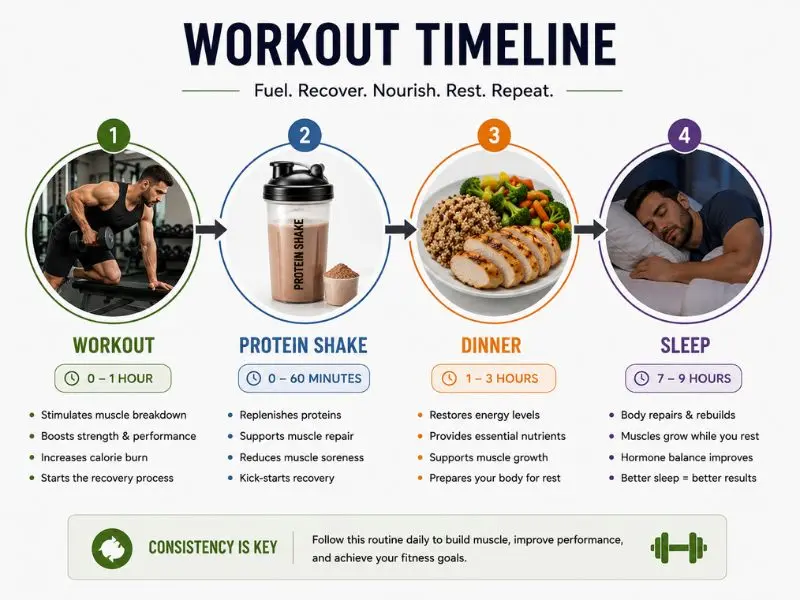
Your total daily protein intake has the biggest impact on muscle growth, but timing can also support recovery.
Many people benefit from eating protein:
- Within two hours after resistance training
- At breakfast to start the day with adequate amino acids
- Evenly throughout meals
- Before bed if total daily protein is still low
A bedtime snack containing slow-digesting protein, such as cottage cheese or Greek yogurt, may help provide amino acids during the night.
Whey Protein vs Whole Foods
Many beginners wonder whether supplements are necessary.
Whole foods should form the foundation of your diet because they provide vitamins, minerals, healthy fats, and other nutrients in addition to protein.
Whey protein can be helpful when:
- You’re short on time.
- You struggle to meet your daily protein goal.
- You need a convenient post-workout option.
- You’re traveling or away from home.
Supplements can help you meet how much protein per day to gain muscle, but they shouldn’t replace balanced meals.
Common Mistakes That Can Limit Muscle Growth
Even people who eat plenty of protein sometimes struggle to gain muscle because of avoidable mistakes.
Some of the most common include:
- Eating too little total protein
- Skipping meals regularly
- Depending only on protein shakes
- Not lifting weights consistently
- Sleeping less than seven hours each night
- Eating too few calories overall
- Expecting results after only a few weeks
Better habits make it easier to reach how much protein per day to gain muscle.
Expert Tips to Maximize Muscle Growth
- Aim for protein at every meal.
- Choose mostly whole-food protein sources.
- Stay hydrated throughout the day.
- Combine protein with strength training.
- Increase workout intensity gradually.
- Get enough sleep every night.
- Track your progress instead of guessing.
- Stay consistent for several months before judging your results.
Small daily habits often produce better long-term muscle gains than extreme diets or workout plans.
Sample High-Protein Meal Plan for Muscle Gain
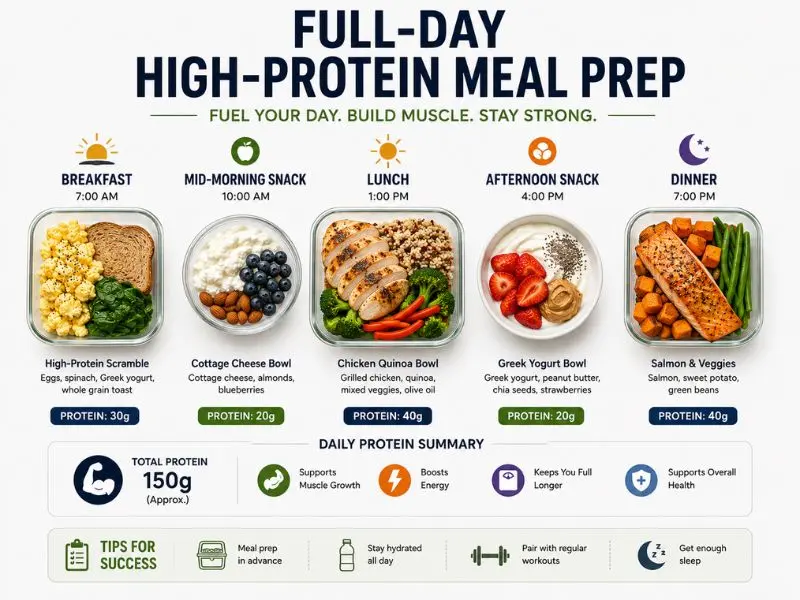
Knowing how much protein per day to gain muscle is only part of the equation. You also need a practical way to reach your target consistently. The sample meal plan below provides balanced protein throughout the day while including nutrient-rich foods that support recovery and performance.
| Meal | Foods | Approx. Protein |
| Breakfast | 3 eggs, oatmeal, Greek yogurt | 38 g |
| Morning Snack | Protein shake and banana | 27 g |
| Lunch | Grilled chicken, brown rice, broccoli | 42 g |
| Afternoon Snack | Cottage cheese and almonds | 24 g |
| Dinner | Salmon, sweet potato, vegetables | 40 g |
| Evening Snack | Greek yogurt with berries | 22 g |
| Total | 193 g |
Adjust portion sizes based on your calorie needs and body weight. Adjust portions to match how much protein per day to gain muscle you need.
Should You Eat More Protein Than Recommended?
Many people assume that eating extra protein automatically leads to more muscle growth. However, research suggests there is a point where additional protein provides little extra benefit.
Once your daily protein intake for muscle growth is adequate and you’re following a consistent strength-training program, increasing protein far beyond your needs is unlikely to build muscle faster. Instead, focus on:
- Progressive resistance training
- Eating enough total calories
- Getting quality sleep
- Staying consistent over time
Protein works best when paired with the right how much protein per day to gain muscle plan.
Is Too Much Protein Harmful?
For most healthy adults, higher-protein diets within recommended ranges are considered safe when paired with a balanced diet and adequate hydration.
However, if you have kidney disease or another medical condition that affects protein metabolism, speak with a healthcare professional before significantly increasing your intake.
Drinking enough water and eating fiber-rich foods can also help support healthy digestion when following a high-protein eating plan.
Who Benefits Most From Higher Protein Intake?
Higher protein intake can be especially helpful for:
- Beginners starting a strength-training program
- Athletes training several days each week
- Adults trying to preserve muscle while losing body fat
- Older adults looking to maintain muscle mass
- People recovering from intense exercise
- Individuals with physically demanding jobs
Each person’s ideal intake may differ, so adjust your protein target based on your body weight, activity level, and overall goals.
Signs You’re Getting Enough Protein
You don’t need to obsess over every gram, but these signs often indicate that your protein intake is supporting your goals:
- You’re recovering well between workouts.
- Your strength is steadily improving.
- You’re maintaining or gaining lean muscle mass.
- Hunger is easier to control throughout the day.
- You’re meeting your training goals consistently.
Track your meals to see if you’re meeting how much protein per day to gain muscle.
Frequently Asked Questions (FAQs)
How much protein per day to gain muscle?
Most active adults benefit from 1.6–2.2 grams of protein per kilogram of body weight each day when combined with regular strength training.
Can I build muscle without protein powder?
Yes, whole foods can provide all the protein you need if your daily intake is sufficient.
Is eating protein after a workout necessary?
A protein-rich meal after training supports recovery, but your total daily intake matters most.
Can I eat all my protein in one meal?
Spreading protein across multiple meals is generally more effective than consuming it all at once.
Do older adults need more protein?
Many older adults benefit from slightly higher protein intake to help maintain muscle mass.
Does more protein always mean more muscle?
No, muscle growth also depends on resistance training, recovery, sleep, and overall calorie intake.
Conclusion
Understanding how much protein per day to gain muscle can help you build a nutrition plan that supports long-term progress. Aim for a protein intake that matches your body weight, spread it across your meals, and combine it with consistent strength training, quality sleep, and a balanced diet. When these habits work together, you’ll create the right environment for steady muscle growth and improved overall fitness.
