
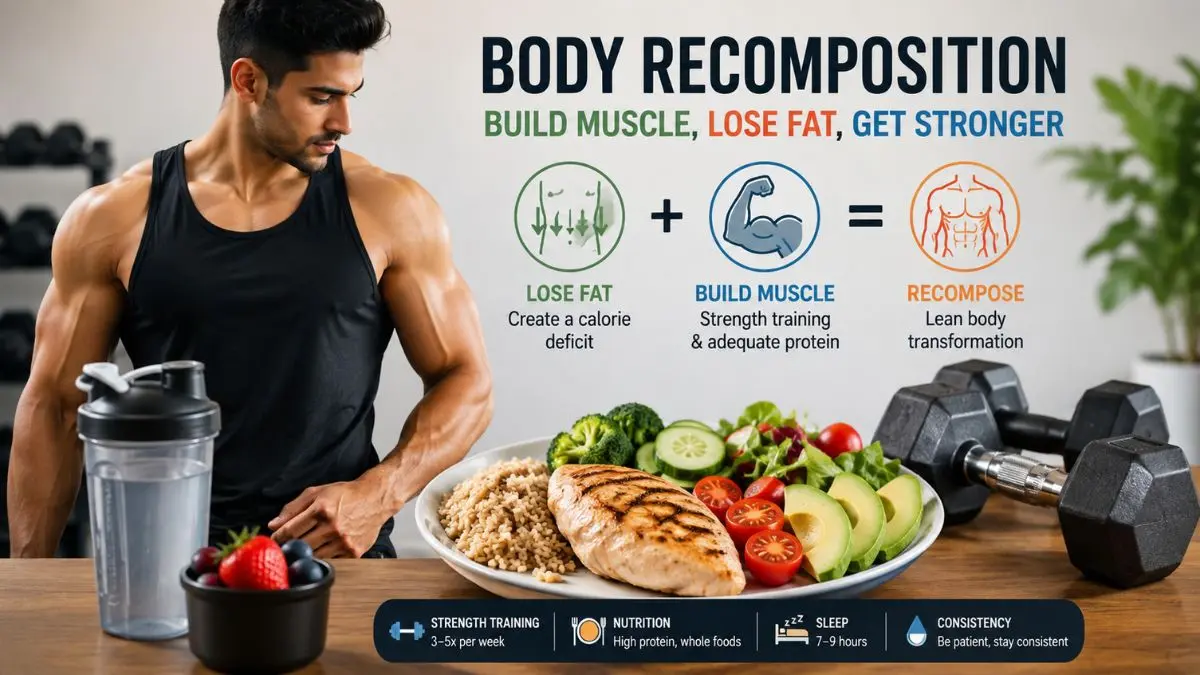
If you want to lose body fat while building or maintaining muscle, your diet needs to do more than simply cut calories. A good diet to burn fat and gain muscle combines enough protein, sensible portions, nutrient-dense foods, and regular resistance training.
The aim is to create a balanced calorie deficit rather than drastically cutting your food intake. Instead, aim for a small, manageable calorie deficit while giving your body enough protein and nutrients to support training and recovery. This approach is often called body recomposition. In this guide, you will learn what to eat, how much protein you may need, how to structure meals, and which common mistakes can slow your progress.
What Is a Diet to Burn Fat and Gain Muscle?
A diet to burn fat and gain muscle is a nutrition approach designed to improve body composition. In simple terms, you want to reduce excess body fat while preserving or increasing lean muscle.
These two goals can seem opposite. Fat loss usually requires a calorie deficit, while building muscle is often easier when the body has enough energy. However, body recomposition can happen, especially in beginners, people returning to training, and people carrying more body fat.
Your results with a diet to burn fat and gain muscle depend on several factors, including your training experience, starting body composition, protein intake, calorie intake, sleep, and workout quality.
Research supports combining nutrition with resistance training rather than relying on dieting alone. A recent systematic review found that resistance exercise during dietary weight loss helped protect fat-free mass and improved fat loss compared with diet alone in adults with overweight or obesity.
Why a Moderate Calorie Deficit Matters
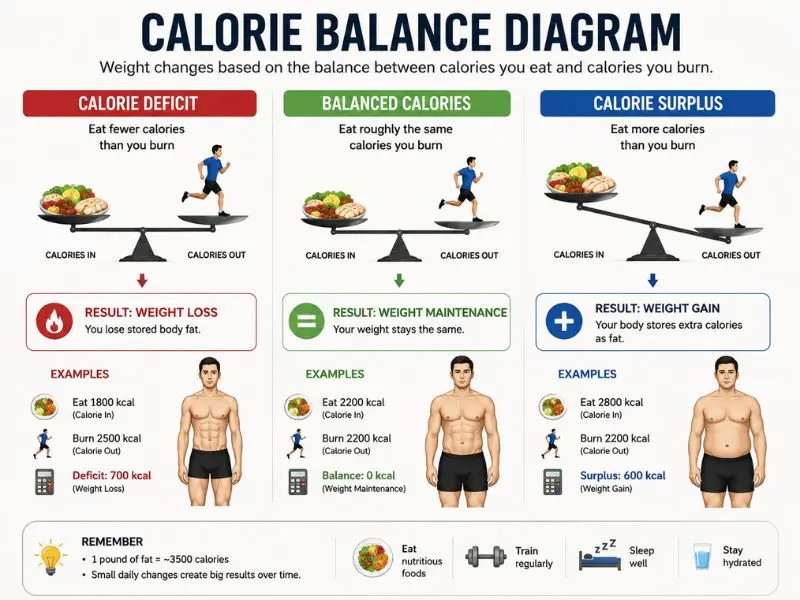
A calorie deficit happens when you eat fewer calories than your body needs for daily energy.
That does not mean you should dramatically reduce food intake. A very aggressive deficit can make training harder and may increase the risk of losing lean mass.
One meta-analysis found that energy deficiency can reduce gains in lean mass during resistance training, while strength improvements may still occur. The researchers also reported that larger energy deficits were less favorable for gaining lean mass.
For this reason, a moderate approach is usually more practical.
Instead of trying to lose weight as quickly as possible, aim for steady progress while keeping your workouts strong. Your exact calorie target depends on your body size, activity level, age, sex, and goals.
How Much Protein Do You Need?
Protein is one of the most important parts of a diet to burn fat and gain muscle because it provides amino acids needed for muscle repair and growth.
When you are eating fewer calories, getting enough protein becomes even more useful because you want to protect lean tissue while losing body fat.
A systematic review of resistance-trained people dieting for fat loss found evidence that protein needs can increase during calorie restriction, particularly in lean, resistance-trained individuals.
For many active adults, a practical starting range is around 1.6–2.0 grams of protein per kilogram of body weight per day. Some people dieting aggressively or already very lean may benefit from a higher intake under appropriate professional guidance.
For example, someone weighing 70 kg might start around 112–140 grams of protein per day.
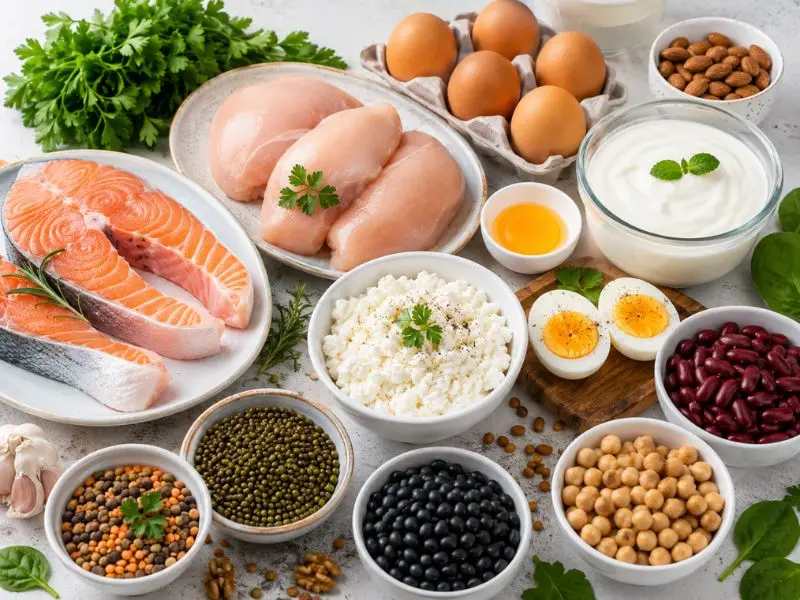
You do not need to get all of it from supplements. Regular foods can provide plenty of protein for a diet to burn fat and gain muscle.
Best High-Protein Foods
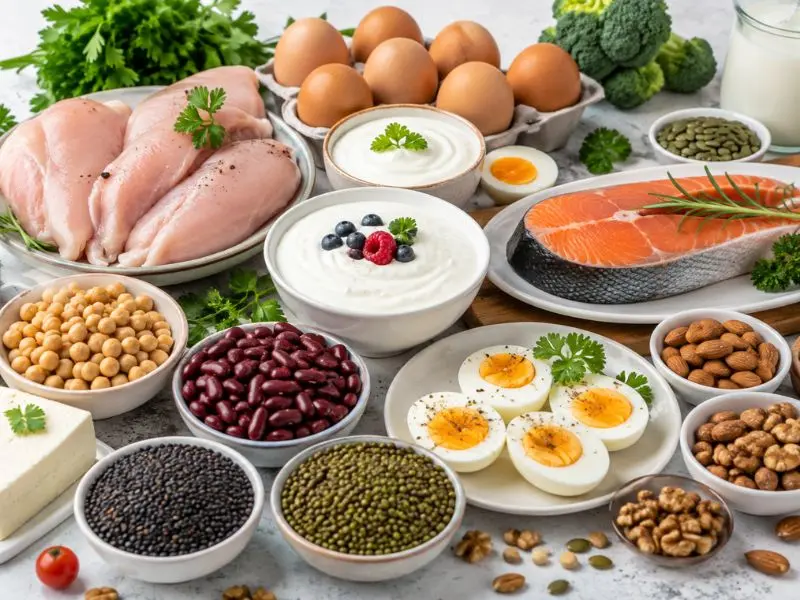
Good options include:
- Chicken breast
- Turkey
- Eggs
- Greek yogurt
- Cottage cheese
- Fish
- Lean beef
- Tuna
- Milk
- Lentils
- Beans
- Chickpeas
- Tofu
- Tempeh
- Protein powder when convenient
Try to include a protein source in each main meal instead of eating most of your protein at night.
Does Protein Timing Matter?
You do not need to eat protein at an exact minute after your workout.
Your total daily protein intake is more important than obsessing over a tiny timing window. However, spreading protein across several meals can make it easier to reach your daily target and support your overall nutrition.
A protein-rich breakfast, lunch, dinner, and one or two snacks can work well in a diet to burn fat and gain muscle.
Choose the Right Calories for Fat Loss
Calories still matter when your goal is to lose fat.
Even healthy foods can contribute to weight gain if you consistently eat more energy than your body needs. On the other hand, eating too little can make it harder to train, recover, and maintain muscle.
A fat loss and muscle gain diet should therefore focus on a manageable calorie deficit rather than extreme restriction.
Start With a Small Deficit
There is no single calorie deficit that works perfectly for everyone.
A person with a large amount of body fat may be able to tolerate a somewhat larger deficit than a very lean athlete. Your training schedule also matters.
If your strength is dropping quickly, your workouts feel unusually difficult, hunger is constantly high, or recovery is poor, your deficit may be too aggressive.
A better plan is to monitor your progress for several weeks and make small adjustments when needed to support a diet to burn fat and gain muscle.
Do Not Fear Carbohydrates
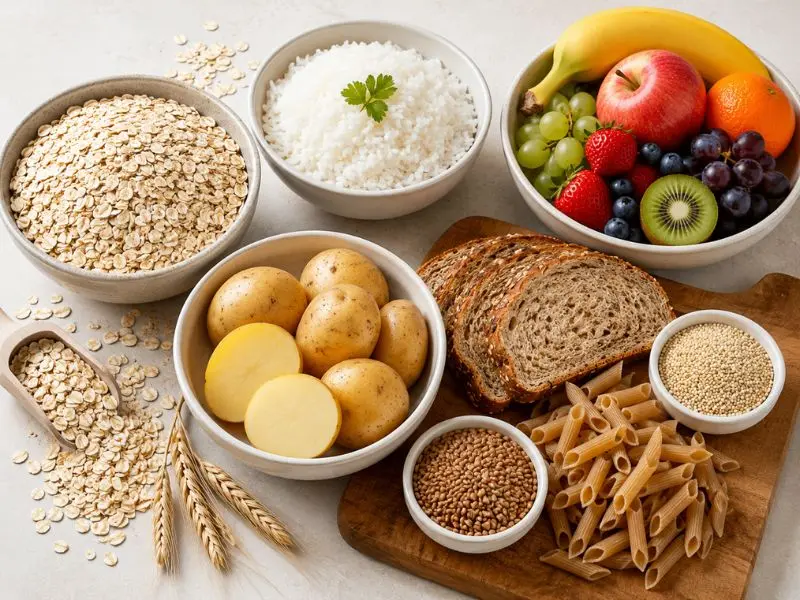
Carbohydrates are often removed from diets because people believe they automatically prevent fat loss.
That is not necessary.
Carbohydrates provide energy for training and can make it easier to perform demanding workouts. Foods such as oats, rice, potatoes, fruit, whole grains, and beans can all fit into a body recomposition diet.
The key is portion control and choosing nutrient-dense foods that support a diet to burn fat and gain muscle.
Include Healthy Fats
Fat is also important for a balanced diet.
Good sources include:
- Avocado
- Nuts
- Seeds
- Olive oil
- Peanut butter
- Fatty fish
- Eggs
Because fats are calorie-dense, portions matter. A small amount can add a lot of calories, so measure calorie-dense foods if you are having trouble controlling your intake.
Best Foods for a Diet to Burn Fat and Gain Muscle
There is no single food that burns fat while building muscle.
Instead, build most of your mea ls around foods that provide protein, fiber, vitamins, minerals, and enough energy to support your lifestyle.
Protein-Rich Foods
Make protein a key part of each meal to support muscle growth and recovery.
Chicken, fish, eggs, Greek yogurt, lean meat, beans, lentils, and tofu can help you reach your daily protein goal.
Choose a mixture of animal and plant protein sources if they fit your preferences.
Fruits and Vegetables
Fruits and vegetables add fiber and important micronutrients while helping meals feel more filling.
Try to include different colors throughout the week.
For example, you could use spinach, carrots, tomatoes, berries, oranges, peppers, broccoli, and leafy greens.
Whole-Grain Carbohydrates
Whole grains can provide carbohydrates and fiber.
Useful choices include:
- Oats
- Brown rice
- Whole-grain bread
- Quinoa
- Barley
- Whole-wheat pasta
You can also use potatoes and other minimally processed carbohydrate sources.
Healthy Fats
Include moderate amounts of nuts, seeds, olive oil, avocado, and fatty fish.
These foods can be nutritious, but remember that portion sizes matter when following a diet to burn fat and gain muscle.
Simple Meal Structure for Body Recomposition
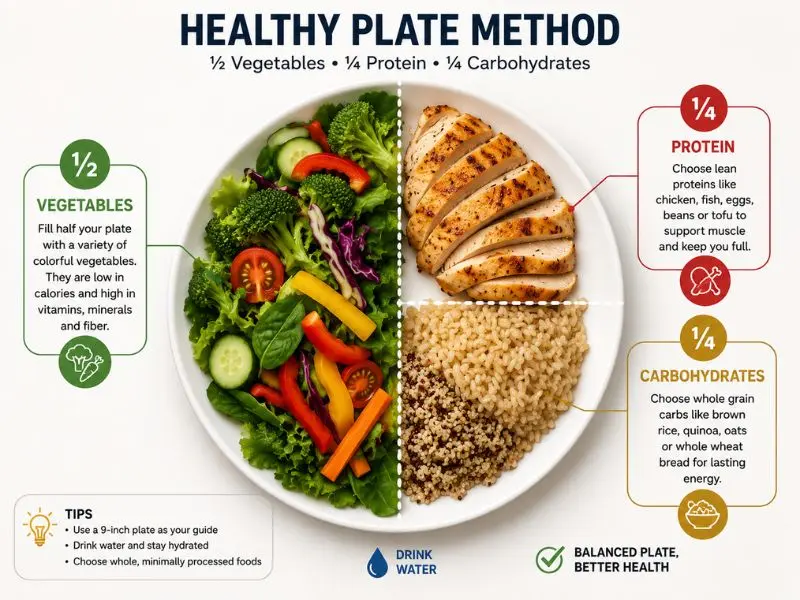
You do not need a complicated meal plan.
A simple plate can include:
½ plate: vegetables or salad
¼ plate: protein
¼ plate: carbohydrates
Small portion: healthy fat
This is only a starting framework. Your actual portions should change according to your calorie needs and weight-loss goals, hunger, activity level, and progress.
For example, lunch could contain grilled chicken, rice, mixed vegetables, and a small amount of olive oil.
Dinner could include lean beef, potatoes, broccoli, and Greek yogurt.
Breakfast might be eggs with whole-grain toast and fruit, while a snack could be Greek yogurt with berries.
The goal is consistency, not perfection.
Diet to Lose Fat and Build Muscle: What Should You Eat?
A diet to lose fat and build muscle should contain enough protein and mostly minimally processed foods while keeping calories appropriate for your goal.
Here is a simple example:
| Meal | Food Example | Main Benefit |
| Breakfast | Eggs, oats, berries | Protein + carbohydrates |
| Snack | Greek yogurt + fruit | Protein + fiber |
| Lunch | Chicken, rice, vegetables | Balanced main meal |
| Snack | Protein shake + banana | Convenient protein + carbs |
| Dinner | Fish, potatoes, salad | Protein + nutrients |
| Optional snack | Cottage cheese + berries | Slow-digesting protein |
This is an example rather than a prescription. Your portions should be adjusted to your individual calorie and protein requirements.
Resistance Training Is Essential
Diet alone cannot give you the best possible muscle-building result.
If you want to improve body composition, resistance training should be a major part of your routine.
You can train with:
- Free weights
- Machines
- Resistance bands
- Dumbbells
- Bodyweight exercises
Focus on major movement patterns such as squats, presses, rows, hinges, and pulls as part of a diet to burn fat and gain muscle.
Use Progressive Overload
Progressive overload means gradually making training more challenging.
You might increase the weight, perform more repetitions, improve your technique, or add training volume over time.
You do not need to increase everything every workout.
The important point is to give your muscles a reason to adapt.
Research consistently supports resistance training as an important tool for improving body composition. Meta-analysis data show that resistance training can reduce fat mass and improve or preserve lean mass, particularly when included as part of a broader weight-management approach.
Cardio for Fat Loss
Cardio can also be useful.
Walking, cycling, jogging, swimming, and other activities can increase energy expenditure and support cardiovascular health.
However, you do not need hours of cardio every day.
If excessive cardio makes you too tired to complete your resistance workouts, it may work against your muscle-building goal.
A practical approach is to combine regular walking or moderate cardio with strength training.
Your daily activity outside the gym also matters. Walking more, taking the stairs, and staying generally active can increase your total energy expenditure without making your recovery unnecessarily difficult.
Body Recomposition Diet: What to Avoid
A body recomposition diet does not need to be extremely restrictive.
Instead, limit habits that make it difficult to control calories and meet your nutrition goals.
Avoid Extreme Calorie Cutting
Eating very little may cause quick scale changes, but that does not mean you are getting better body composition results.
A large calorie deficit can make it harder to maintain muscle and training performance.
Avoid Relying on Fat-Burning Supplements
Most fat-loss supplements are not a replacement for a calorie-controlled diet and regular exercise.
Some products may have limited evidence, while others may carry risks or interact with medications.
If you are considering a supplement, especially one marketed for rapid fat loss or muscle growth, discuss it with a qualified healthcare professional.
Avoid Removing Entire Food Groups Without a Reason
You usually do not need to eliminate carbohydrates, fats, or specific food groups simply because you want to lose fat.
A balanced diet is easier to follow and can provide the nutrients needed for training and recovery.
How to Build Your Weekly Diet
You do not need to prepare a completely different meal every day.
Choose a few protein sources, carbohydrate sources, vegetables, fruits, and healthy fats, then mix and match them.
For example, prepare chicken, rice, potatoes, vegetables, eggs, and Greek yogurt in advance.
You can then create different meals without spending hours cooking.
Meal preparation can also reduce the chance of relying on fast food when you are hungry.
Keep Your Diet Flexible
A successful diet to burn fat and gain muscle should fit your normal life.
If you enjoy eating out occasionally, you can still make progress.
Choose a protein-rich meal, include vegetables when possible, watch portions, and avoid turning one restaurant meal into an entire weekend of overeating.
One higher-calorie meal does not ruin your progress.
What matters most is what you do consistently over weeks and months.
Track More Than Your Scale Weight
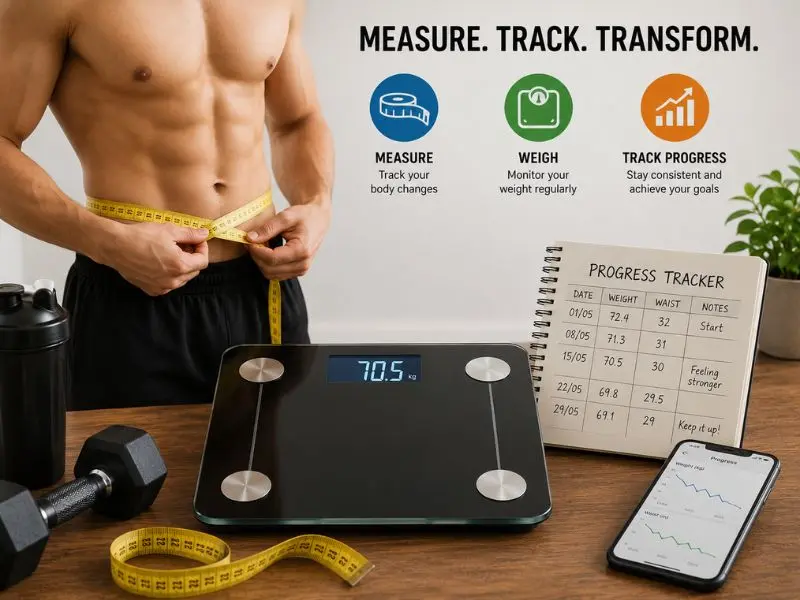
Body weight is useful, but it is not the only measurement that matters.
If you are losing fat while gaining muscle, the scale may move slowly.
Track:
- Waist measurement
- Progress photos
- Body weight averages
- Gym performance
- How your clothes fit
- Energy and recovery
For example, if your waist is getting smaller while your strength is improving, that may be a positive sign even if your body weight changes very little.
This is one reason body recomposition can be different from traditional weight-loss goals.
Common Mistakes That Slow Progress
One common mistake is changing the diet every few days.
Give your plan enough time to work before making major adjustments.
Another mistake is focusing only on protein while ignoring total calories.
Protein is important, but calories still influence whether body fat decreases.
A third mistake is training hard but sleeping poorly.
Recovery is part of the process. Try to maintain a regular sleep schedule and give your muscles enough time to recover between demanding sessions.
Finally, do not expect dramatic changes overnight.
Fat loss and muscle development are gradual processes.
A Practical Daily Example
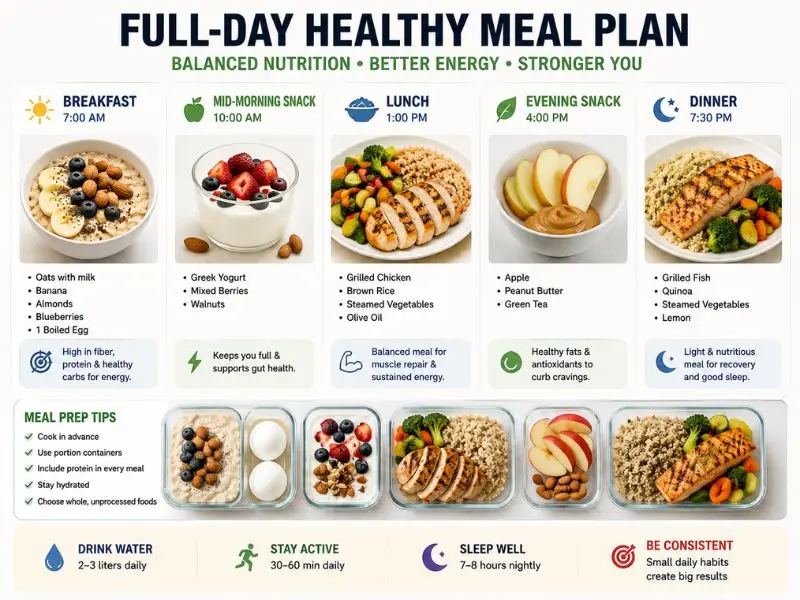
Here is an example of how your meals could look:
Breakfast:
Eggs, oatmeal, berries, and low-fat milk.
Lunch:
Grilled chicken, rice, vegetables, and a small amount of olive oil.
Snack:
Greek yogurt with fruit and a small serving of nuts.
Post-workout meal:
Lean protein with potatoes or rice and vegetables.
Dinner:
Fish or lean beef with vegetables and a moderate serving of carbohydrates.
Optional snack:
Cottage cheese or another protein-rich food.
Again, this is only an example. Your portions should be based on your individual calorie and protein needs.
How to Know If Your Diet Is Working
Give your plan several weeks before judging the results.
If your waist measurement is slowly decreasing, your gym performance is stable or improving, and your energy is reasonable, your approach may be working well.
If nothing changes for several weeks, review your food portions, activity, training, and consistency.
You may need a small adjustment rather than a complete diet change.
If you have a medical condition, take medication, are pregnant, are under 18, or have a history of disordered eating, get personalized advice from an appropriate healthcare professional before making major dietary changes.
Final Tips for Better Results
Keep your approach simple.
Prioritize protein at each meal, eat plenty of vegetables and fruit, choose mostly nutrient-dense foods, control portions, and maintain a manageable calorie deficit.
Train your muscles consistently and include enough daily movement.
Most importantly, choose a plan you can follow for months rather than one that promises dramatic results in a few weeks.
A sustainable routine will usually be easier to maintain than an extremely strict diet.
Frequently Asked Questions
Can I burn fat and gain muscle at the same time?
Yes, body recomposition is possible, particularly for beginners, people returning to training, and people with higher levels of body fat.
What is the best protein for fat loss and muscle gain?
Lean meats, fish, eggs, dairy, legumes, soy foods, and protein powders can all provide useful protein.
Should I eat carbs when trying to lose fat?
Yes, carbohydrates can fit into a fat-loss diet and may help provide energy for resistance training.
How long does body recomposition take?
Noticeable body-composition changes usually take weeks to months, and the pace varies from person to person.
Do I need supplements to build muscle while losing fat?
No, supplements are not required if you can meet your nutrition needs through a balanced diet.
Conclusion
A diet to burn fat and gain muscle does not need to be extreme or complicated. Focus on a manageable calorie deficit, enough protein, nutritious whole foods, regular resistance training, and good recovery. Track your progress using more than just the scale, and make small adjustments when needed. The best plan is one you can follow consistently while supporting your health, training performance, and long term body composition goals.
