

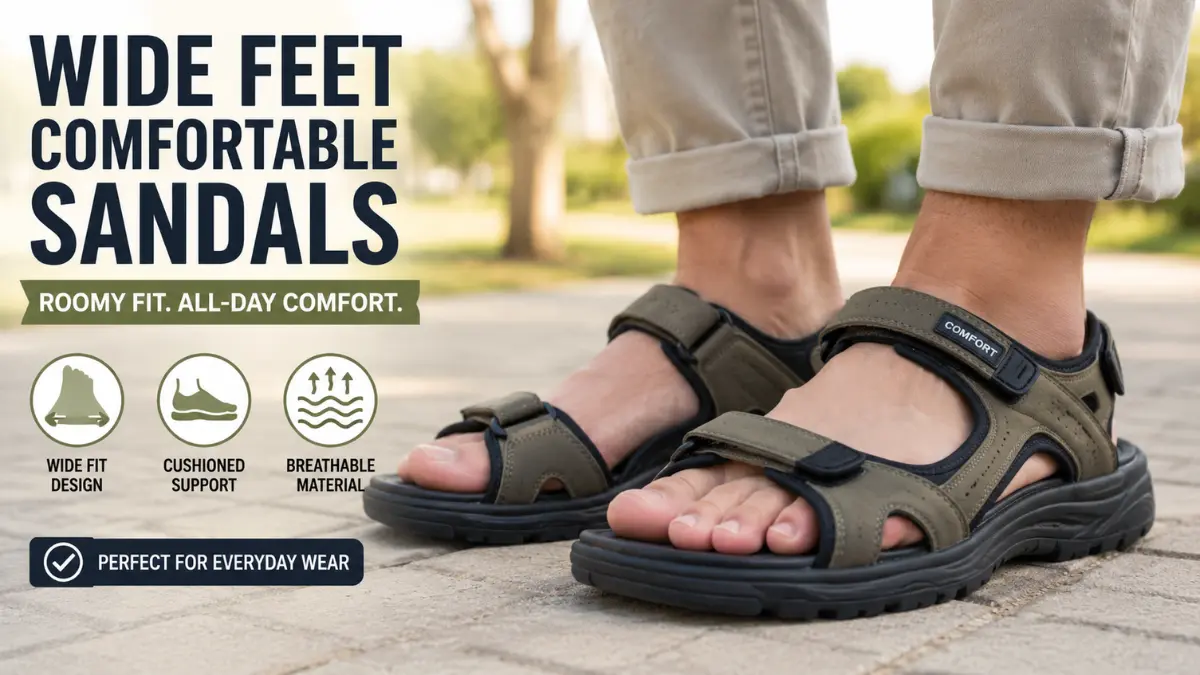
Finding the best sandals for wide feet can be harder than it sounds. A sandal may look comfortable but still feel tight across the toes, press against the sides of the foot, or leave your heel moving around with every step. For people with wider feet, the right fit usually depends on more than simply choosing a larger shoe size.
The good news is that there are plenty of sandals designed with wider foot shapes in mind. Features such as roomy toe boxes, adjustable straps, supportive footbeds, cushioning, and wider sizing can make a noticeable difference. Whether you need sandals for everyday walking, travel, casual wear, or warm-weather activities, choosing the right design can help you find a more comfortable fit.
What to Look for in the Best Sandals for Wide Feet
Not every sandal labeled as “wide” will fit the same way. Foot shape varies from person to person, so it is important to look at several parts of the sandal before making a decision.
Width Options
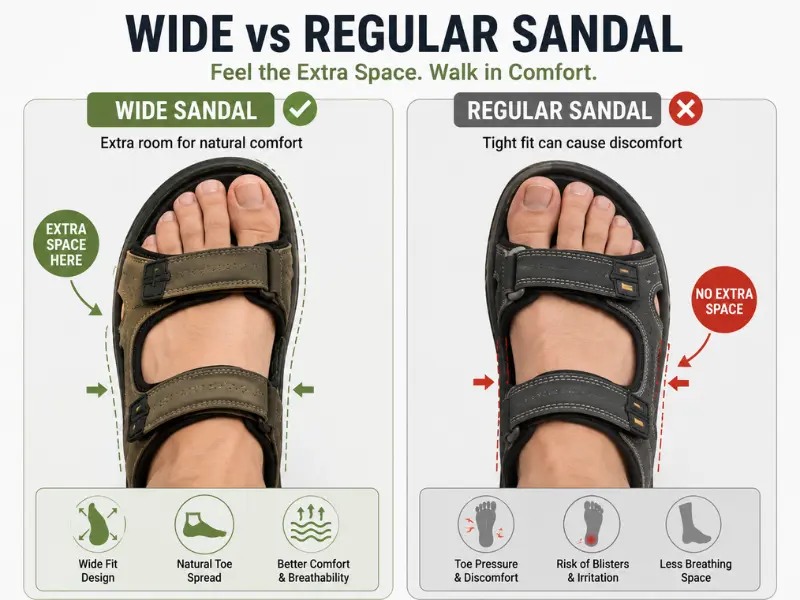
The first thing to check is whether the sandal is available in a wide or extra-wide size. A wider size adds space across the foot without necessarily making the sandal much longer.
If your toes or the sides of your feet feel squeezed in regular sandals, choosing a true wide-width option may work better than simply going up a size.
Roomy Toe Box
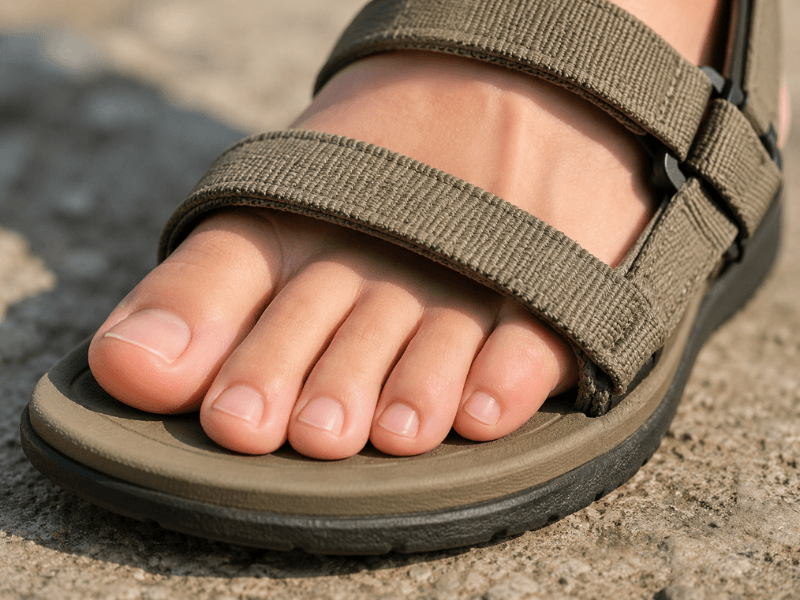
A roomy toe box gives your toes enough space to spread naturally. This is particularly useful if your forefoot is wider than your heel.
Your toes should stay comfortably inside the sandal without hanging over the edge. They also should not be pressed together by the front or sides, which is an important fit factor when choosing the best sandals for wide feet.
Adjustable Straps
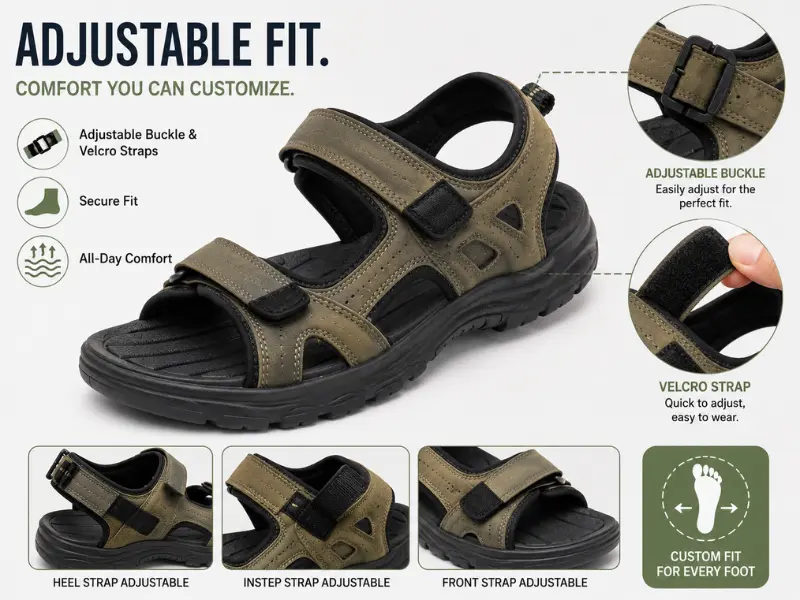
Adjustability is one of the most useful features for wider feet. Straps with buckles, hook-and-loop closures, or other adjustment systems allow you to create a more personalized fit.
This is especially helpful if your foot changes slightly in size during the day or if you have a wider forefoot but a relatively narrow heel.
Supportive Footbed
A supportive footbed can make sandals more comfortable during longer periods of standing or walking. Some designs include contoured footbeds that provide structure beneath the heel and arch.
However, more support is not automatically better. The ideal footbed should feel comfortable for your particular foot shape and walking style.
Cushioning
Cushioning can reduce the harsh feeling that comes from walking on hard surfaces. If you plan to wear sandals for travel or long walks, look for a sole that provides enough cushioning without feeling unstable.
A very soft sandal may feel comfortable initially but may not provide the stability some people want when choosing the best sandals for wide feet for extended walking.
Heel Stability
A sandal should stay reasonably secure while you walk. Excessive heel movement can make a sandal feel awkward and may reduce your confidence on uneven surfaces.
A secure heel area, adjustable strap, or supportive sandal shape can help keep your foot in a more natural position.
Traction
Good traction matters if you will be walking outdoors, on sidewalks, trails, wet surfaces, or uneven ground. Check the outsole design and tread pattern rather than choosing a sandal based only on its appearance.
Best Sandals for Wide Feet: Comparison Table
Here is a quick comparison of several popular sandal styles and models that can suit different needs. Always check the manufacturer’s current sizing and width information when choosing the best sandals for wide feet.
| Sandal | Best For | Width/Fit | Support | Cushioning | Adjustability | Main Advantage |
| Birkenstock Arizona | Everyday wear | Wide-friendly footbed options | High | Moderate | Buckle straps | Contoured footbed |
| KEEN Newport H2 | Outdoor activities | Roomy toe area | High | Moderate | Adjustable straps | Protective design |
| Teva Hurricane XLT2 | Walking and travel | Adjustable fit | Moderate | Moderate | Multiple straps | Versatile design |
| Chaco Z/Cloud | Walking | Adjustable | High | High | Adjustable straps | Supportive footbed |
| Crocs Classic Clog | Casual use | Naturally roomy | Moderate | Moderate | Heel strap | Easy everyday comfort |
| Skechers Arch Fit sandals | Everyday walking | Depends on model | Moderate–High | Moderate | Depends on model | Comfort-focused design |
| Vionic sandals | Support-focused wear | Model-dependent | High | Moderate | Model-dependent | Structured footbed |
| Clarks wide sandals | Casual and everyday wear | Wide options available on some models | Moderate | Moderate | Model-dependent | Dressier styling |
The table is a starting point rather than a universal ranking. A sandal that works well for someone with a broad forefoot may not work as well for someone whose entire foot is wide. Your intended activity, foot shape, and preferred level of support should all influence your final choice.
How to Choose the Right Sandals for Wide Feet
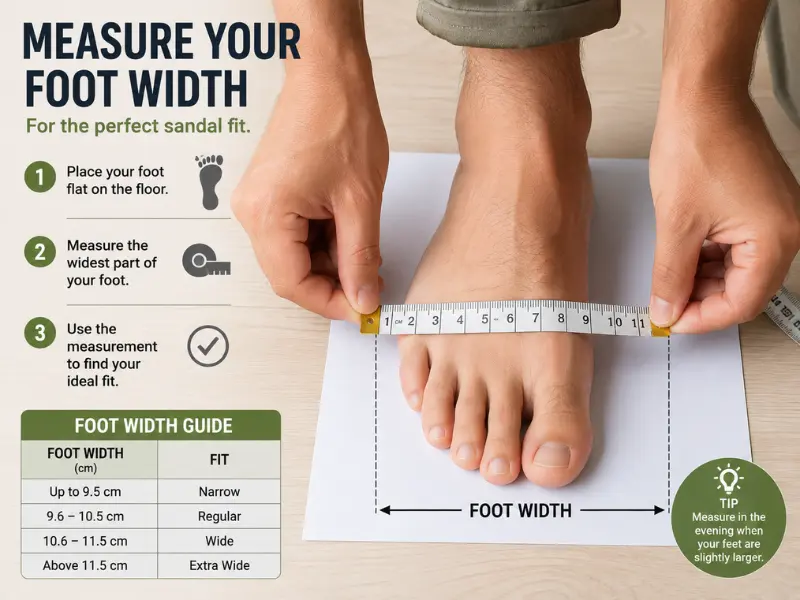
Choosing sandals starts with understanding your own feet. Width is not the only measurement that matters.
Measure Your Foot Width
If possible, measure your feet while standing because your feet can spread slightly when they carry your body weight. Measure both feet because one foot may be slightly larger than the other.
Use the manufacturer’s sizing chart when available to find the best sandals for wide feet, rather than assuming every brand uses identical measurements.
Don’t Automatically Size Up
Sizing up can give you extra length without actually providing the right amount of width. This may cause your heel to sit too far back or your toes to slide forward.
If the sandal feels tight across the sides, look for a wider width or a design with more room rather than automatically choosing a longer size.
Check the Toe Box
When trying on sandals, check whether your toes have enough room to move naturally. Your foot should sit comfortably on the footbed without spilling over the edges.
If the sides of your forefoot extend beyond the sandal, the design may simply be too narrow.
Look for Adjustability
Adjustable straps are particularly useful when your foot shape does not match the standard proportions of a sandal.
They allow you to loosen the front of the sandal while keeping the heel secure, which can be difficult with fixed-strap designs.
Check the Heel
Your heel should remain reasonably stable while walking. A small amount of natural movement can be normal, but excessive slipping may indicate that the sandal is too loose or the shape does not suit your foot.
Best Features for Wide Feet
The most useful features for wider feet are usually related to space, adjustability, and stability.
Wide or Extra-Wide Sizing
A true wide-width option can provide additional room without forcing you into a longer size. If you regularly struggle with standard-width footwear, checking for a roomy fit should be one of the first steps when choosing the best sandals for wide feet.
Adjustable Straps
Adjustable straps make it easier to accommodate different foot shapes. They are especially useful when the width of your forefoot is different from the width around your heel.
Contoured Footbeds
A contoured footbed can provide a more structured feel under the heel and arch. Some people prefer this type of support for everyday walking.
Soft Upper Materials
Softer materials can feel more comfortable around areas where a sandal might otherwise rub. However, softness should not come at the expense of a secure fit.
Flexible Construction
A flexible sandal can make walking feel more natural, especially for casual everyday use. The ideal amount of flexibility depends on the activity and your personal preference.
Cushioned Midsoles
Cushioning can be useful for people who spend many hours on their feet. Look for a balance between comfort and stability rather than choosing the softest sandal available.
Stable Outsoles
A stable outsole can help you feel more secure while walking. For the Best Sandals for Wide Feet, also consider tread depth and traction for better grip on outdoor surfaces.
Are Sandals With Arch Support Better for Wide Feet?
Arch support and width are two separate features. A sandal can be wide but have very little structure, while another sandal may provide strong arch support but have a narrow shape.
If you prefer supportive footwear, look for a footbed that feels comfortable beneath your arch without creating pressure. The support should complement your foot rather than forcing it into an uncomfortable position.
People who spend a lot of time walking or standing may particularly appreciate a supportive footbed, but comfort is still individual. Try the sandal on and walk around before deciding whether the support feels right.
Best Sandals for Walking With Wide Feet
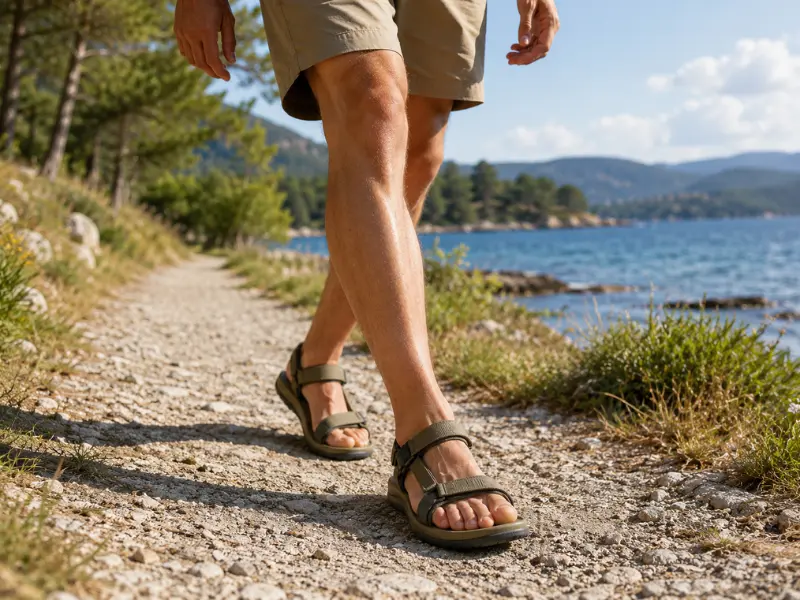
Walking requires more from a sandal than simply looking good. If you plan to use your sandals for longer walks, focus on comfort, stability, and a secure fit.
Cushioning
Long walks can be more comfortable when the sandal has enough cushioning under the foot. However, excessive softness can sometimes make the sandal feel less stable.
Stability
A stable sandal should keep your foot reasonably centered as you walk. This can be especially important when walking on sidewalks, travel routes, or uneven surfaces.
Secure Straps
Your sandals should stay on your feet without requiring you to grip with your toes. Adjustable straps can help create a secure fit without squeezing the forefoot.
Traction
Outdoor walking can involve wet pavement, gravel, grass, or uneven paths. A sandal with a suitable outsole can provide better grip than a smooth-soled casual design.
Weight
Heavy sandals can become tiring during long walks. If you are buying sandals for travel, consider a lightweight design that still provides the support you need.
Flexibility
Some flexibility can make a sandal comfortable for everyday walking, but the sandal should still feel stable enough for the surfaces where you plan to use it.
Common Mistakes When Buying Sandals for Wide Feet
Even a well-designed sandal can feel uncomfortable if the size or shape is wrong.
Buying a Longer Size Instead of a Wider Size
A longer sandal does not necessarily solve a width problem. Your heel and toes may end up in the wrong position.
Ignoring Toe-Box Space
If your toes are squeezed together or hanging over the edge, the sandal may not be a good fit regardless of how attractive it looks.
Choosing Non-Adjustable Straps
Fixed straps can be less forgiving when your foot is wider than the sandal’s standard shape. Adjustable designs offer more flexibility.
Focusing Only on Appearance
Style is important, but comfort should come first if you plan to walk or stand in the sandals for long periods.
Ignoring Heel Movement
If your heel constantly slides out of the sandal, the fit may be too loose or the sandal may not match your foot shape.
Buying Without Checking the Return Policy
Sizing can vary between brands and models. A reasonable return policy gives you an opportunity to evaluate the fit at home.
Assuming Every “Wide” Sandal Fits the Same
The word “wide” does not guarantee an identical fit across brands. Width, toe-box shape, strap placement, and footbed design can all differ.
How Should Wide Sandals Fit?
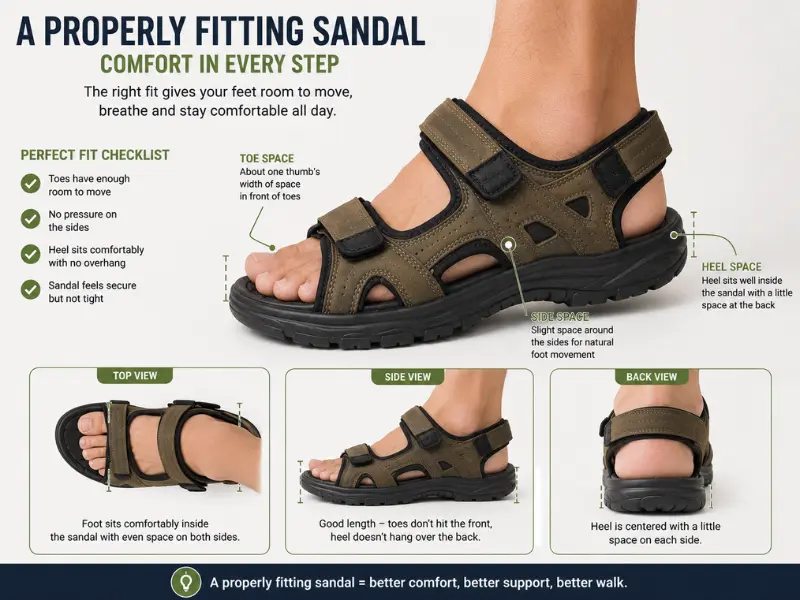
A properly fitting sandal should feel comfortable from the moment you put it on.
Use this simple checklist:
- Your toes should not hang over the front.
- Your foot should not spill significantly over the sides.
- Straps should feel secure without digging into the skin.
- Your heel should remain reasonably stable.
- Your toes should have enough room to move naturally.
- The sandal should feel comfortable while standing and walking.
- Your foot should not need to grip the sandal to keep it in place.
If a sandal feels uncomfortable during a short fitting, it is unlikely to become the right choice after hours of walking.
Frequently Asked Questions
1. What are the best sandals for wide feet?
Look for roomy, supportive, and adjustable sandals.
2. Should people with wide feet size up in sandals?
Choose a wide size instead of simply sizing up.
3. Are adjustable sandals better for wide feet?
Yes, adjustable straps allow a more comfortable fit.
4. What sandal features are best for wide feet?
Look for wide sizing, toe-box space, cushioning, and support.
5. How should sandals fit on wide feet?
They should feel secure without squeezing or slipping.
Conclusion
The best sandals for wide feet are not necessarily the most expensive or most heavily cushioned options. The right choice is the one that gives your feet enough width, comfortable toe space, a secure fit, and the level of support you need for your daily activities. Pay attention to your individual foot shape and choose a sandal that feels comfortable both when standing and walking.
