



Finding the best hiking boots for plantar fasciitis can make a big difference in how comfortable your feet feel on the trail. Long hikes, uneven ground, steep climbs, and descents can put extra stress on the feet, so a boot with a comfortable fit, adequate cushioning, and good stability can be a better choice than a basic pair of best women’s walking shoes.
The right boot is not the same for everyone. In this guide, we look at several hiking boots that offer different combinations of cushioning, support, traction, protection, and fit. You will also learn what features to look for, how hiking boots should fit, and how to choose a pair based on your feet and the type of trails you usually hike.
Best Hiking Boots for Plantar Fasciitis
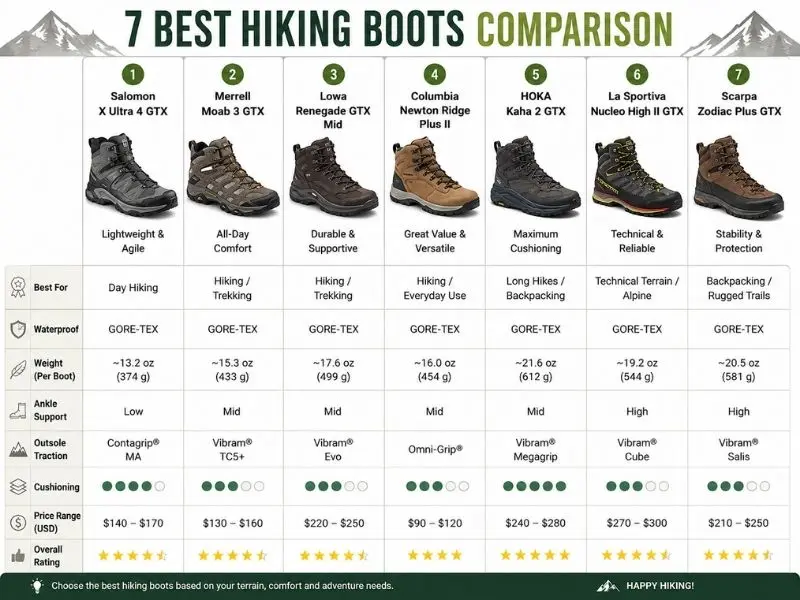
There is no single hiking boot that works perfectly for every person with plantar fasciitis. Foot shape, preferred cushioning, hiking terrain, and personal comfort all matter when choosing the best hiking boots for plantar fasciitis. The following options are worth considering because they offer useful combinations of support, cushioning, stability, and trail-ready construction.
1. HOKA Anacapa 2 Mid GTX
Best for: Hikers who prefer a cushioned, comfortable feel
The HOKA Anacapa 2 Mid GTX is a good option for hikers who like a softer, more cushioned ride. HOKA is well known for its highly cushioned footwear, and the Anacapa 2 Mid combines that approach with a mid-height hiking design.
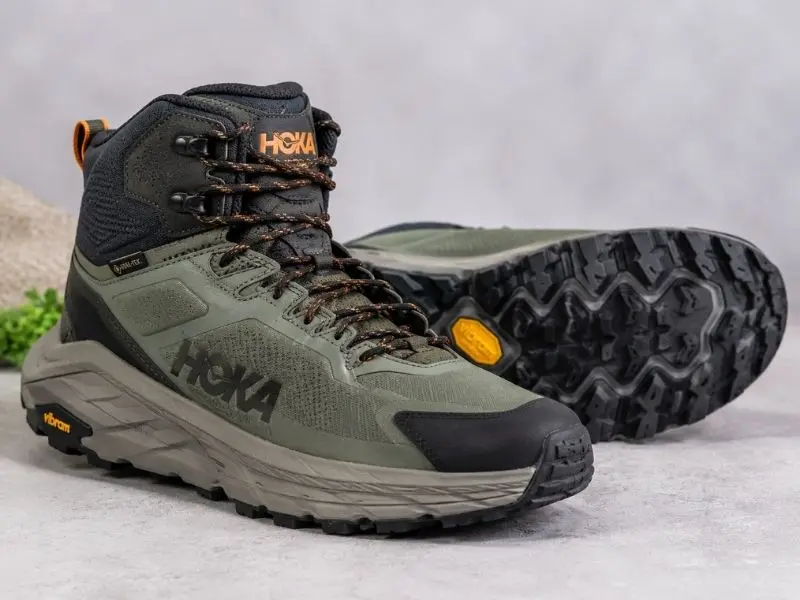
Its cushioning can make it appealing for people who spend several hours on their feet. The mid-height construction also provides additional ankle coverage compared with a low hiking shoe, making it a practical feature in the best hiking boots for plantar fasciitis.
Key features:
- Cushioned midsole
- Mid-height design
- Waterproof GTX construction
- Outdoor-oriented outsole
- Comfortable option for longer day hikes
Main drawback: The more cushioned feel may not appeal to hikers who prefer a firm, close-to-the-ground boot.
This boot may suit hikers who prioritize comfort and cushioning on established trails.
2. Merrell Moab 3 Mid Waterproof
Best for: Everyday hiking and mixed trail use
The Merrell Moab 3 Mid Waterproof is one of the more familiar choices in the hiking footwear category. Its design focuses on comfort, protection, traction, and durability rather than an extremely lightweight trail-running feel.
The mid-height design offers additional ankle coverage, while the supportive construction makes it suitable for a variety of day hikes. The waterproof version can also be useful when trails are wet or muddy.
Key features:
- Supportive mid-height construction
- Waterproof version available
- Cushioned footbed
- Durable hiking outsole
- Suitable for a range of trail conditions
Main drawback: It can feel heavier and less flexible than lightweight hiking footwear.
It is a practical choice for hikers looking for the best hiking boots for plantar fasciitis who want a traditional hiking boot that can handle regular outdoor use.
3. KEEN Targhee IV Mid Waterproof
Best for: Hikers who need more room in the toe area
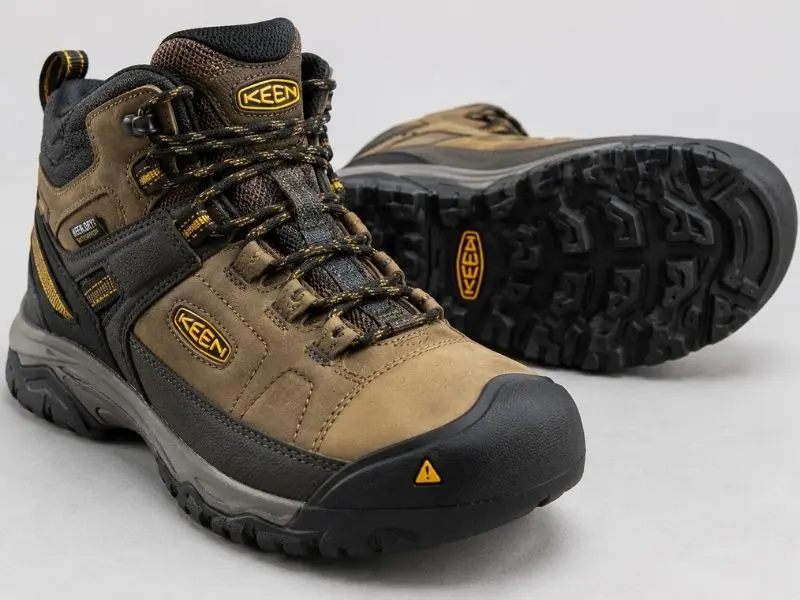
The KEEN Targhee IV Mid Waterproof is worth considering if you prefer a roomier forefoot. KEEN’s hiking footwear is known for its distinctive toe-box shape, which can be useful for hikers who dislike a narrow fit.
A comfortable toe area is especially important on longer hikes because feet can swell during activity. A boot should provide enough space without allowing excessive movement inside the shoe, which is important when choosing the best hiking boots for plantar fasciitis.
Key features:
- Roomier toe area
- Mid-height hiking design
- Waterproof construction
- Trail-focused traction
- Protective outdoor build
Main drawback: The wider shape may feel too roomy for people with narrow feet.
This option is particularly interesting for hikers who find traditional hiking boots restrictive around the toes.
4. Salomon X Ultra 5 Mid GTX
Best for: Technical and uneven trails
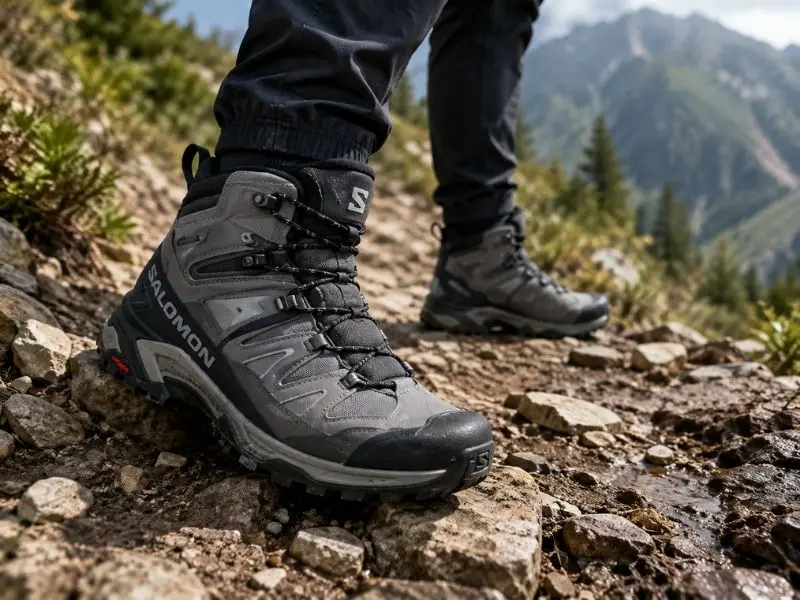
The Salomon X Ultra 5 Mid GTX is designed with more demanding outdoor terrain in mind. It offers a supportive hiking platform, strong outsole traction, and a mid-height design. A strong core can also help support balance and stability during outdoor activities, so you may also find our 20-minute core workout useful.
For hikers dealing with uneven surfaces, stability can be just as important as cushioning. A stable boot can help provide a more controlled feel when walking over rocks, roots, and changing terrain.
Key features:
- Mid-height construction
- Waterproof GTX option
- Strong trail traction
- Stable platform
- Designed for varied terrain
Main drawback: Its more structured feel may not be ideal if you prefer soft, flexible footwear.
It can be a strong choice for hikers who regularly move beyond smooth, easy trails.
5. Oboz Bridger Mid Waterproof
Best for: Hikers who want structured support
The Oboz Bridger Mid Waterproof is built with a supportive hiking-oriented design. It has a more structured feel than many lightweight hiking shoes, which may appeal to people who prefer a stable boot underfoot.
The boot is designed for outdoor use and provides protection and traction for different trail conditions, making it a practical option among the best hiking boots for plantar fasciitis.
Key features:
- Structured construction
- Supportive footbed
- Waterproof design
- Durable hiking outsole
- Good option for rugged trails
Main drawback: The structured construction can feel less flexible than lightweight alternatives.
This boot may appeal to hikers who value a secure, supportive feel more than a lightweight design.
6. La Sportiva Ultra Raptor II Mid GTX
Best for: Rugged terrain and mountain hiking
The La Sportiva Ultra Raptor II Mid GTX is designed for hikers who want a more performance-oriented boot for challenging terrain. Its construction is focused on stability, protection, and traction.
A secure fit can be helpful when hiking over uneven ground, especially when the trail includes rocks, steep sections, or technical surfaces.
Key features:
- Mid-height design
- Waterproof GTX construction
- Aggressive outdoor traction
- Protective construction
- Designed for challenging terrain
Main drawback: The performance-oriented design may feel excessive for casual walks and easy trails.
Choose this type of boot if your hiking regularly involves rougher terrain rather than simple park paths, especially when looking for the best hiking boots for plantar fasciitis.
7. Brooks Cascadia 18 GTX
Best for: Hikers who prefer a trail-running style
The Brooks Cascadia 18 GTX is a different approach to hiking footwear. Rather than feeling like a traditional heavy hiking boot, it has a trail-running-inspired design that can appeal to hikers who prefer a lighter, more flexible feel.
Its waterproof GTX construction can be useful in wet conditions, while the trail-focused outsole provides grip on outdoor surfaces.
Key features:
- Trail-running-inspired design
- Waterproof GTX version
- Lightweight feel compared with traditional boots
- Trail traction
- Flexible option for active hikers
Main drawback: It may not provide the same ankle coverage or structured feel as a traditional mid hiking boot.
It can work well for hikers who value movement and lighter footwear while looking for the best hiking boots for plantar fasciitis on suitable trails.
Hiking Boots Comparison
| Hiking Boot | Best For | Cushioning | Support | Traction | Waterproof Option | Overall Use |
| HOKA Anacapa 2 Mid GTX | Cushioned comfort | High | Moderate | Good | Yes | Day hikes |
| Merrell Moab 3 Mid Waterproof | Everyday hiking | Moderate | Moderate | Good | Yes | Mixed trails |
| KEEN Targhee IV Mid Waterproof | Roomier fit | Moderate | Good | Good | Yes | Day hikes |
| Salomon X Ultra 5 Mid GTX | Uneven terrain | Moderate | High | Excellent | Yes | Technical trails |
| Oboz Bridger Mid Waterproof | Structured support | Moderate | High | Excellent | Yes | Rugged trails |
| La Sportiva Ultra Raptor II Mid GTX | Mountain terrain | Moderate | High | Excellent | Yes | Challenging hikes |
| Brooks Cascadia 18 GTX | Lightweight feel | Moderate | Moderate | Good | Yes | Easier trails |
How to Choose Hiking Boots for Plantar Fasciitis
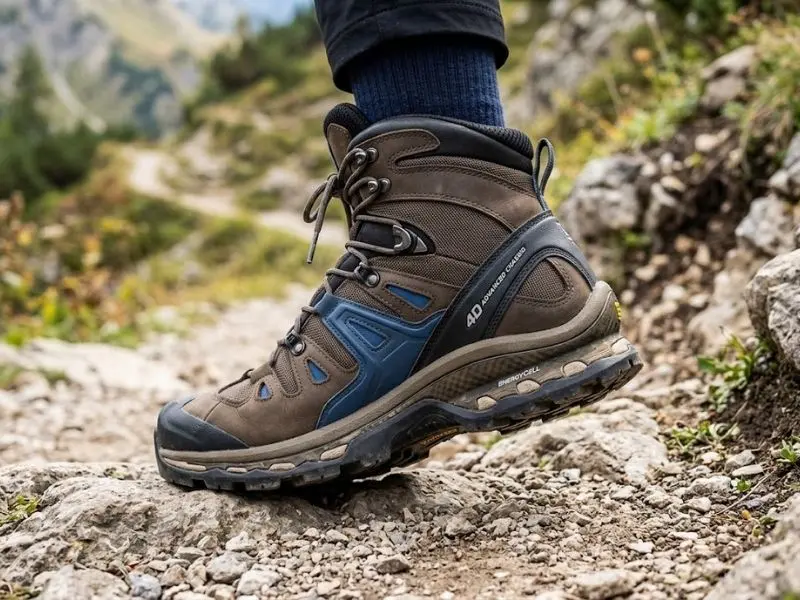
The best hiking boots for plantar fasciitis should feel comfortable from the first few steps. Instead of choosing a boot based only on brand or appearance, consider how it supports your feet and how it performs on the trails you use.
Arch Support
Arch support is one feature many hikers consider when looking for comfortable footwear. A supportive footbed can provide a more stable feeling under the arch.
However, more arch support is not automatically better. The shape should work with your own foot rather than pressing uncomfortably into the arch.
Heel Cushioning
The heel takes repeated impact while walking, especially on hard or rocky surfaces. A boot with adequate cushioning around the heel can feel more comfortable during longer hikes.
Look for cushioning that feels supportive rather than excessively soft. Your heel should remain secure without sliding inside the boot.
Midsole Cushioning
The midsole sits between your foot and the outsole and plays an important role in how a boot feels while walking.
If you prefer a softer ride, a more cushioned boot may feel comfortable. If you prefer stability and a firm platform, a moderately firm midsole may be a better match.
Stability
Hiking trails are rarely perfectly flat. Roots, rocks, slopes, and loose surfaces can challenge your balance.
A stable boot can provide a more controlled feeling on uneven ground. This can be particularly useful if you regularly hike on rocky or technical trails.
Heel Counter
The heel counter helps hold the rear of your foot in place. A secure heel can reduce unnecessary movement inside the boot.
When trying on hiking boots, walk around and make sure your heel feels comfortably held without painful pressure.
Toe Box and Width
Your toes need enough room to move naturally. A boot that is too narrow can become uncomfortable during longer hikes.
At the same time, excessive space can allow your foot to slide around. Look for enough room at the front while keeping the heel and midfoot secure.
Removable Insoles
A removable insole can be useful because it allows you to replace the original footbed with another option if needed.
If you use supportive insoles, make sure the replacement does not make the boot too tight. The combination of the boot and insole should still leave adequate room for your feet when choosing the best hiking boots for plantar fasciitis.
Traction
Good traction is important when hiking over wet rocks, loose dirt, mud, or uneven surfaces.
Choose an outsole that matches your typical trails. Aggressive tread can be useful for rugged terrain, while a less aggressive outsole may be enough for maintained paths.
Waterproofing
Waterproof boots can be useful if you hike in rainy conditions, cross shallow wet areas, or frequently encounter muddy trails.
However, waterproof materials can sometimes feel warmer than more breathable alternatives. If you mainly hike in hot and dry conditions, breathability may be more important.
Weight
Heavy boots can provide protection and structure, but they may also require more effort over a long hike.
Lightweight footwear can feel easier to move in, especially on moderate trails. The best balance depends on how much protection and stability you need.
Break-In Period
Even a comfortable boot may require some time to feel natural. Before taking a new pair on a long hike, wear them around the house and on shorter walks.
This gives you a chance to identify pressure points before you are several miles from the trailhead.
How Should Hiking Boots Fit?
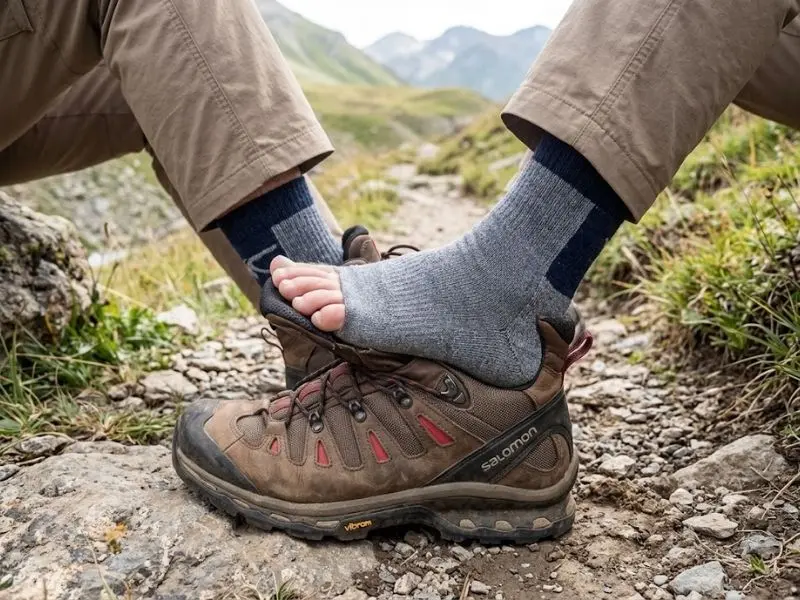
A good hiking boot should feel secure without squeezing your feet. Fit is especially important when you’re looking for comfortable hiking boots for foot pain.
Try boots on later in the day when your feet may be slightly larger. Wear the socks you normally use for hiking so you get a more realistic fit.
Your heel should stay reasonably secure when you walk, while your toes should have enough space to move. When testing boots, walk downhill or use a ramp if available. Your toes should not repeatedly hit the front of the boot.
Pay attention to width as well. If your toes feel cramped from the sides, going up only in length may not solve the problem. You may need a wider version instead when choosing the best hiking boots for plantar fasciitis.
Remember that feet can swell during longer hikes. A boot that feels perfect for five minutes may become uncomfortable after several hours, so consider how the fit will feel throughout the entire hike.
Can Hiking Boots Help With Plantar Fasciitis?
The right hiking boot may improve comfort for some people with plantar fasciitis, but hiking boots do not cure or treat the condition.
Features such as appropriate cushioning, a secure fit, stability, and a comfortable footbed may make walking more comfortable for certain hikers. Supportive insoles may also be useful for some people.
There is no universal boot that works for everyone. If foot pain continues, becomes severe, or interferes with normal activities, consider speaking with a qualified healthcare professional for individual advice.
Tips for Hiking With Plantar Fasciitis

Choosing supportive footwear is only one part of making hiking more comfortable. Your hiking habits can matter too.
- Break in new boots gradually: Start with short walks before using them for a full-day hike.
- Use comfortable hiking socks: Choose socks that fit well and reduce unwanted friction.
- Consider supportive insoles: If you use them, make sure they fit properly inside the boot.
- Start with shorter trails: Increase hiking distance gradually instead of jumping into a long hike.
- Pay attention to pain: Do not ignore pain that is getting worse as you continue hiking.
- Choose suitable terrain: Easier trails may be more comfortable when your feet are sensitive.
- Take recovery breaks: Short breaks can give your feet time to rest during longer outings.
- Replace worn footwear: Old boots with compressed cushioning or worn traction may no longer provide the same feel.
Frequently Asked Questions
1. What type of hiking boot is best for plantar fasciitis?
Choose a boot with comfortable cushioning, good stability, a secure heel, and enough toe room.
2. Are hiking boots good for plantar fasciitis?
Yes, the right fit, cushioning, and support may make hiking more comfortable for some people.
3. Do hiking boots need arch support for plantar fasciitis?
Arch support can improve comfort for some hikers, but the ideal level depends on individual foot shape.
4. Are wide hiking boots better for plantar fasciitis?
Wide boots can be helpful for hikers who need extra toe room without sacrificing a secure heel fit.
5. Can insoles help make hiking boots more comfortable?
Supportive insoles may improve comfort when they fit properly and do not create extra pressure.
Conclusion
The best hiking boots for plantar fasciitis are the ones that provide a comfortable fit, suitable cushioning, reliable support, stable footing, and enough traction for your usual trails. Rather than choosing a boot simply because it is popular, consider your foot shape, hiking terrain, preferred cushioning, and overall comfort. For a better understanding of the differences between footwear types, see our guide to hiking shoes vs walking shoes, and break in any new pair before taking it on a long hike.
