

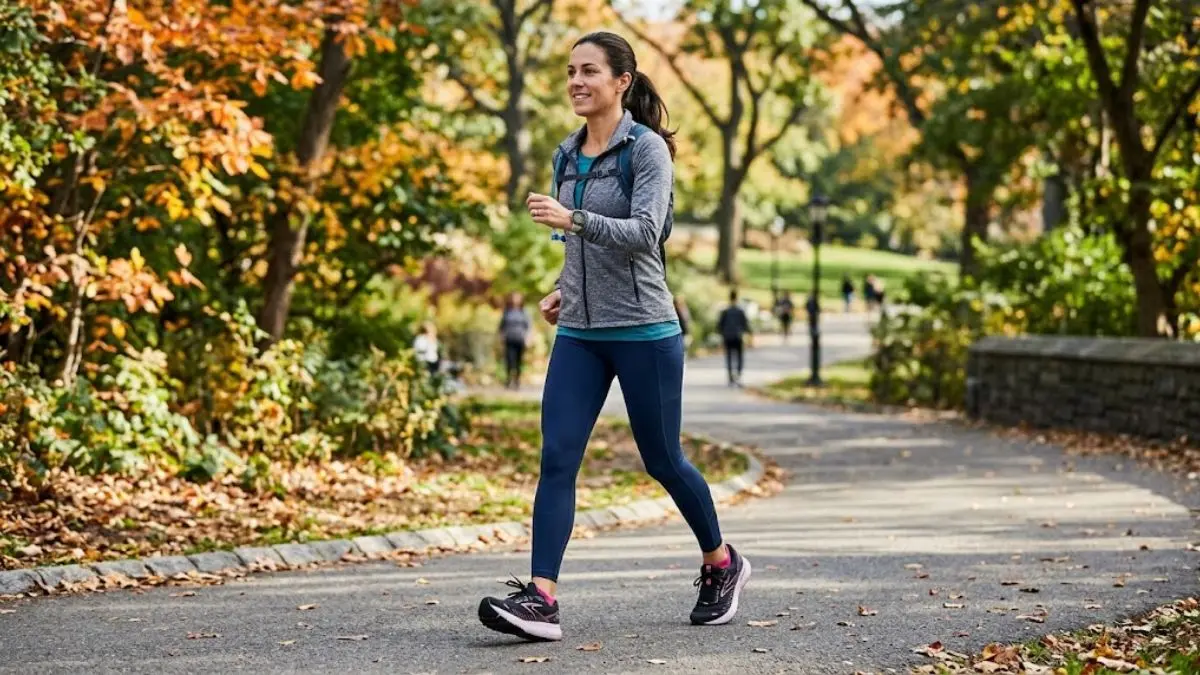
Walking should feel comfortable and natural, but overpronation can make finding the right footwear more challenging. When the foot rolls inward more than you need during your stride, a shoe with the right balance of stability, cushioning, and fit may feel more supportive than a soft, flexible neutral shoe. A pedometer can also help you track your walking activity and daily steps.
The best walking shoes for overpronation are not necessarily the most rigid or heavily cushioned options. The right choice depends on your foot shape, walking surface, comfort preferences, and how much support you need. We compared popular stability-focused models to help you find a pair that fits your everyday walking routine.
Quick Comparison: Best Walking Shoes for Overpronation
| Shoe | Best For | Support | Cushioning | Best Terrain | Key Benefit |
| Brooks Adrenaline GTS 25 | Everyday walking | Stability | Moderate-soft | Roads, sidewalks | Balanced support |
| ASICS GEL-KAYANO 32 | Maximum comfort | Stability | Plush | Roads, treadmill | Adaptive stability |
| New Balance Fresh Foam X 860v14 | Wide feet | Stability | Soft | Roads, sidewalks | Width options |
| ASICS GT-2000 14 | Lightweight support | Stability | Responsive | Roads, treadmill | Lightweight feel |
| HOKA Arahi 8 | Lightweight cushioning | Stability | Balanced | Roads, daily walking | H-Frame support |
| Saucony Guide 18 | Responsive walking | Stability | Moderate | Roads, treadmill | Smooth transition |
| Brooks Addiction Walker 2 | Work and hard floors | Motion control | Moderate | Indoor, pavement | Structured support |
| ASICS GT-1000 series | Everyday value | Stability | Moderate | Roads, treadmill | Practical support |
| New Balance 1540 | Strong motion control | Motion control | Plush | Roads, daily use | Maximum structure |
| HOKA Gaviota 5 | Maximum stability | Stability | Plush | Roads, long walks | Broad stable platform |
Model features, fit, and availability can vary by version, gender, and market.
How We Chose the Best Walking Shoes for Overpronation
A good walking shoe for an overpronating foot should do more than simply feel soft underfoot. Stability, fit, cushioning, heel security, flexibility, and outsole grip all affect how comfortable a shoe feels during repeated steps.
We focused on models that provide some form of stability or motion-control construction. Stability shoes commonly use technologies designed to guide the foot and limit excessive inward movement, while motion-control shoes generally offer a more structured platform for people who need stronger support.
We also considered how practical the best walking shoes for overpronation are for everyday walking. A pair that works well on a treadmill may not be the best option for long outdoor walks, and a heavily structured shoe may feel unnecessary for someone with only mild overpronation.
The goal is not to suggest that one shoe works for everyone. Instead, these options cover different needs, including wide feet, long walks, lightweight support, hard floors, and maximum stability.
The 10 Best Walking Shoes for Overpronation
1. Brooks Adrenaline GTS 25 — Best Overall
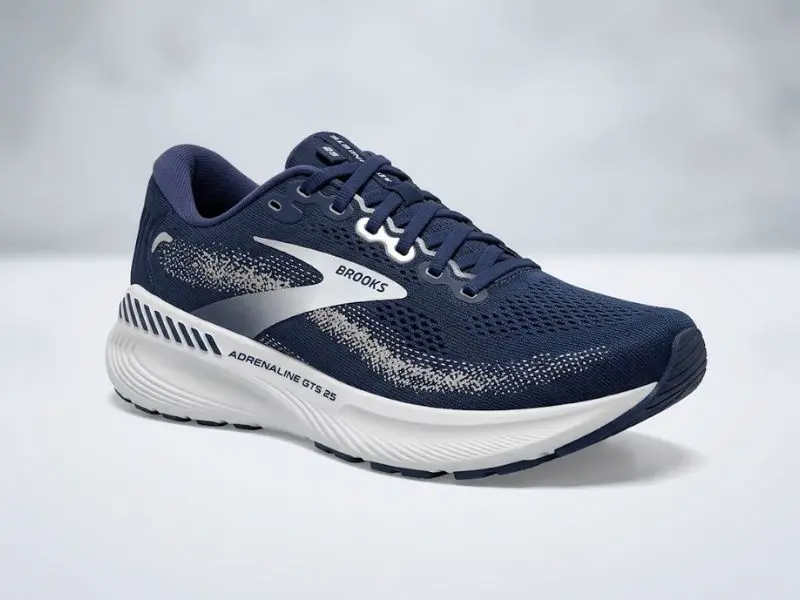
The Brooks Adrenaline GTS 25 is one of the strongest all-around choices for walkers who want noticeable support without the stiff feeling associated with some traditional motion-control footwear.
Its GuideRails support system is designed to help manage excessive movement while allowing the shoe to remain comfortable for everyday use. That makes the Adrenaline a practical option for walking around the neighborhood, commuting, traveling, or spending long periods on your feet.
The cushioning is also balanced. It is soft enough for regular walking but does not have the extremely plush sensation of a maximum-cushion shoe.
Best for: Everyday walking and moderate support
Pros
- Supportive without feeling overly rigid
- Comfortable for daily use
- Good choice for road and sidewalk walking
- Available in different fit options
Cons
- May feel too structured for neutral walkers
- Not designed specifically for rough trails
2. ASICS GEL-KAYANO 32 — Best for Plush Stability
The ASICS GEL-KAYANO 32 is a strong option for people who want stability combined with substantial cushioning. The shoe uses ASICS’ 4D GUIDANCE SYSTEM to provide adaptive stability, while FF BLAST PLUS cushioning adds a softer and more comfortable underfoot experience.
This combination makes the GEL-KAYANO 32 appealing for longer walks when comfort becomes just as important as support. Its outsole construction is also designed for grip and durability across different surfaces.
The main trade-off is that the best walking shoes for overpronation with highly cushioned stability can feel more substantial than a lightweight walking sneaker.
Best for: Long walks and walkers who prefer plush cushioning
Pros
- Excellent cushioning
- Adaptive stability system
- Comfortable for longer sessions
- Good all-around road performance
Cons
- More substantial than lightweight models
- May feel excessive for people who need minimal support
3. New Balance Fresh Foam X 860v14 — Best for Wide Feet
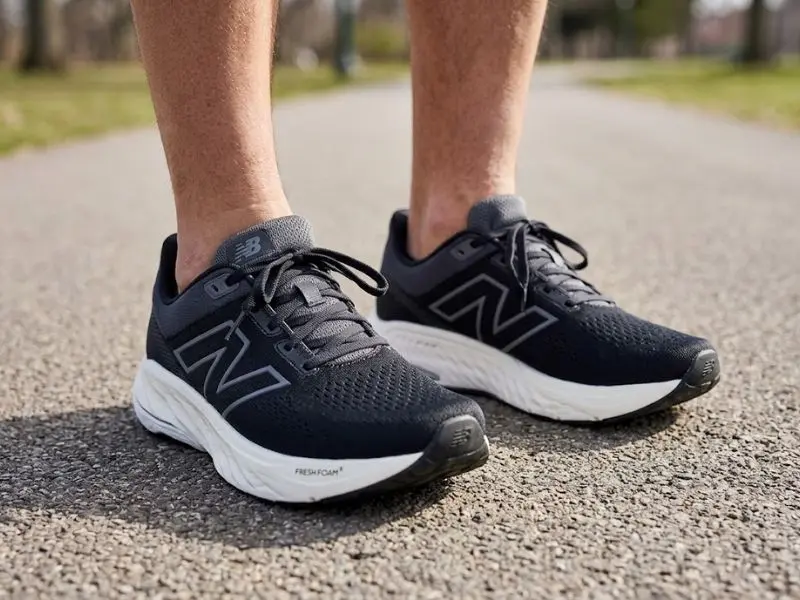
The Fresh Foam X 860v14 is particularly useful for walkers who want stability but also need more room. New Balance lists the model in multiple widths, including standard, wide, and extra-wide options depending on the version.
The shoe combines Fresh Foam X cushioning with a Stability Plane designed to provide additional support without completely sacrificing cushioning. Its rocker profile can also make the transition from heel to toe feel smooth during walking.
For someone with a wider foot, finding the right width can be just as important as choosing a stability system. A supportive shoe that is too narrow may create pressure and discomfort.
Best for: Wide and extra-wide feet
Pros
- Multiple width options
- Soft Fresh Foam X cushioning
- Stable platform
- Useful for everyday walking
Cons
- Heavier than some lightweight stability shoes
- The structured design may not suit everyone
4. ASICS GT-2000 14 — Best Lightweight Stability
The GT-2000 14 is worth considering if you want stability without a bulky feeling. ASICS describes the model as a lightweight stability shoe and updated the 14th version with FF BLAST MAX cushioning and an updated forefoot construction.
That makes it a useful choice for walkers who dislike heavily built footwear. It works well for best walking shoes for overpronation, especially for road walking and treadmills.
The GT-2000 line has traditionally focused on combining stability with a more responsive ride, so it can also suit people who want to use the same shoes for walking and occasional running.
Best for: Walkers who prefer lightweight stability
Pros
- Lightweight stability design
- Responsive cushioning
- Versatile for walking and running
- Good for roads and treadmills
Cons
- May not provide enough structure for severe support needs
- Fit can feel different from other ASICS models
5. HOKA Arahi 8 — Best Lightweight Cushioned Stability
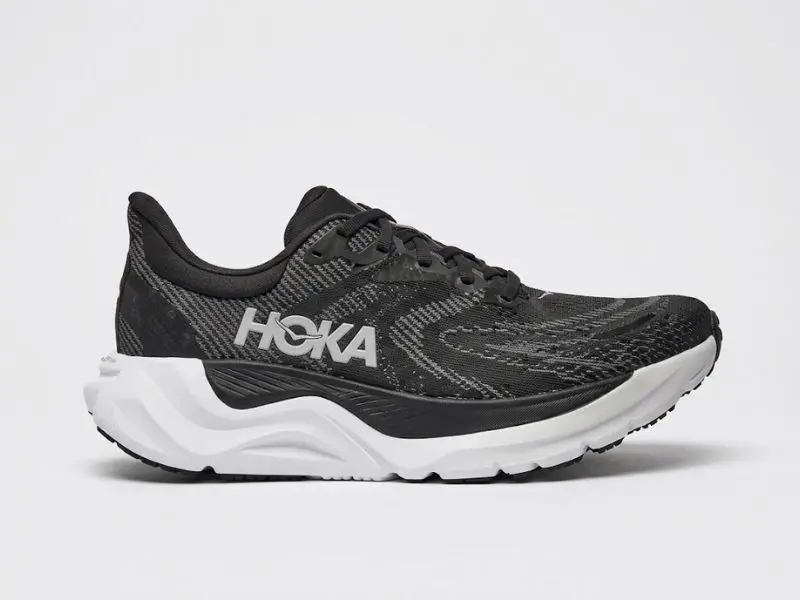
The HOKA Arahi 8 offers an interesting balance between cushioning and stability. HOKA specifically lists walking as one of its intended uses and uses an H-Frame system designed to help combat overpronation.
Unlike some heavily structured shoes, the Arahi 8 is designed to maintain a smoother, more comfortable ride. Its dual-density EVA midsole and supportive construction make it a practical option for daily road walking.
The 8 mm heel-to-toe drop can also provide a familiar feel for people who prefer traditional walking or running-shoe geometry.
Best for: Lightweight everyday walking
Pros
- H-Frame stability
- Designed for walking and running
- Comfortable cushioning
- Smooth ride
Cons
- High-stack HOKA feel may take some adjustment
- Not the first choice for rough trails
6. Saucony Guide 18 — Best for a Smooth, Responsive Feel
The Saucony Guide line is another option for walkers looking for stability without moving into a very rigid motion-control shoe. The Guide is designed around a supportive platform and a smooth transition through the stride.
It can work well for everyday pavement walking, treadmill sessions, and people who prefer a somewhat responsive feel rather than extremely soft cushioning.
One advantage of this style of shoe is versatility. You can use these best walking shoes for overpronation for walking, light running, or faster workouts.
Best for: Responsive everyday walking
Pros
- Balanced stability
- Smooth transitions
- Versatile for walking and light running
- Comfortable for everyday use
Cons
- Cushioning may not feel plush enough for maximum-cushion fans
- Not intended as a heavy-duty trail shoe
7. Brooks Addiction Walker 2 — Best for Work and Hard Floors
If your walking happens mostly at work rather than on a fitness trail, the Brooks Addiction Walker 2 deserves attention. It has a more traditional walking-shoe design and provides a structured platform that can be useful for people who spend many hours standing and walking on hard surfaces.
Its design is very different from lightweight running shoes. Instead of prioritizing speed, it focuses on stability, structure, and everyday durability.
That makes it particularly suitable for jobs where you are on your feet for much of the day. It can also be useful for people who prefer a more conventional-looking walking shoe.
Best for: Work shifts and hard indoor surfaces
Pros
- Structured support
- Traditional walking-shoe design
- Suitable for long periods on hard floors
- Good choice for people who dislike running-shoe styling
Cons
- Heavier than modern running shoes
- Less suitable for fast-paced walking
8. ASICS GT-1000 Series — Best for Everyday Value
The ASICS GT-1000 series is worth considering if you want a stability-oriented shoe without moving immediately into a premium-priced model.
Its focus is straightforward: provide a supportive platform while maintaining enough cushioning and flexibility for everyday movement. For casual walkers, this can make more sense than buying a highly specialized motion-control shoe.
The best walking shoes for overpronation are particularly appropriate for sidewalks, neighborhood walks, treadmills, and daily activity.
Best for: Everyday walking on a budget
Pros
- Stability-focused design
- Suitable for everyday activity
- Lighter feel than some motion-control shoes
- Versatile for walking and casual exercise
Cons
- Less cushioning than maximum-support options
- Not ideal for very demanding terrain
9. New Balance 1540 — Best for Strong Motion Control
Some walkers need more structure than a typical stability shoe provides. For those situations, the New Balance 1540 is a more supportive option to investigate.
Its motion-control approach makes it different from shoes such as the 860 or GT-2000. Instead of emphasizing a lightweight and flexible ride, the 1540 is built around a more structured platform.
That can be useful for people who know they need stronger control, although a highly supportive shoe should not be selected simply because it sounds more protective.
Best for: Walkers who need stronger motion control
Pros
- Structured construction
- Strong stability focus
- Suitable for everyday walking
- Useful for people who prefer a firm, secure feel
Cons
- Heavier and less flexible
- May be unnecessary for mild overpronation
10. HOKA Gaviota 5 — Best for Maximum Stability
The HOKA Gaviota 5 is another option for walkers who want a broad, supportive platform with substantial cushioning. Compared with a lightweight stability shoe, it offers a more noticeable underfoot presence.
That can be helpful during long periods of walking when cushioning and stability are both priorities. Its design is particularly appealing to people who like the feel of HOKA footwear but want more support than a neutral model.
However, the best walking shoes for overpronation may feel bulky for those who prefer lightweight shoes.
Best for: Maximum stability and cushioned walking
Pros
- Stable platform
- Substantial cushioning
- Comfortable for longer walks
- Good choice for people who prefer supportive HOKA shoes
Cons
- Bulkier than lightweight options
- May feel excessive for mild overpronation
What Is Overpronation?
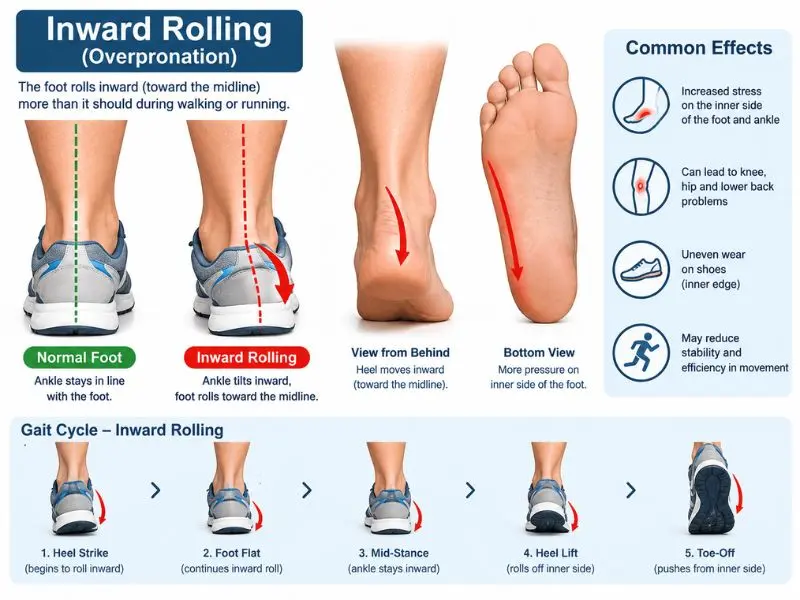
Pronation is the natural movement of the foot as it absorbs and distributes force during walking. With overpronation, the foot rolls inward more than is ideal for a particular person’s gait.
Overpronation is not automatically a problem that needs to be “corrected.” People have different foot shapes, movement patterns, and comfort requirements. Some walkers may feel perfectly comfortable in neutral footwear, while others prefer a stability shoe.
This is why choosing footwear based only on the label “overpronator” can be misleading. Your comfort, fit, walking habits, and the amount of support you actually need all matter.
What to Look for in Walking Shoes for Overpronation
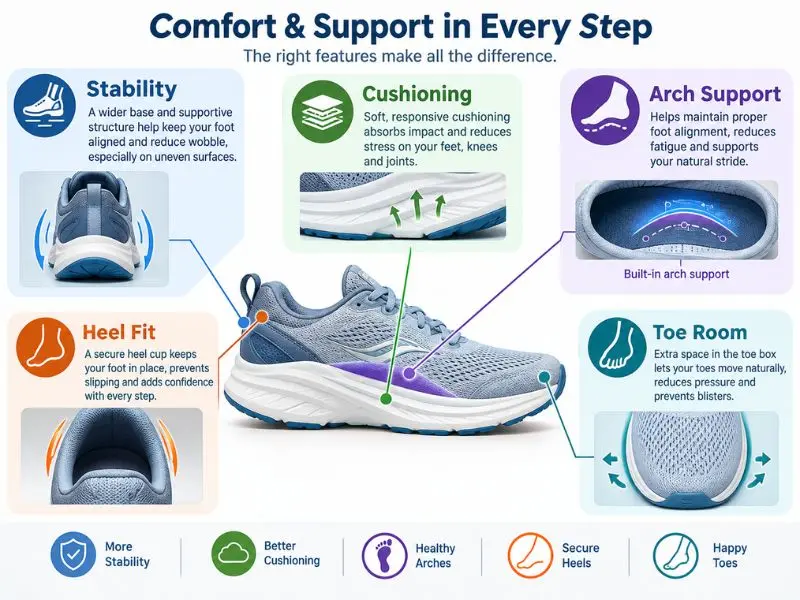
Stability
Stability is usually the first feature to consider. Stability shoes use different approaches to create a more controlled platform and guide the foot through its stride.
The best walking shoes for overpronation may use firmer foam or structured midsoles, while others stabilize the foot through supportive geometry.
Arch Support
Arch support is useful for some walkers but is not a universal requirement. The best level depends on your foot shape and what feels comfortable.
A shoe should support your foot without creating uncomfortable pressure underneath the arch.
Cushioning
Cushioning helps make repeated steps more comfortable, especially during long walks. However, softer is not automatically better.
A shoe that is extremely soft but unstable may not feel as comfortable to someone who needs more structure. Look for a balance between cushioning and control.
Heel and Midfoot Support
A secure heel can help prevent unnecessary movement inside the shoe. When trying on walking shoes, your heel should feel comfortably held without being squeezed.
The midfoot should also feel secure, but the laces should not create uncomfortable pressure.
Fit and Toe Room
Even the best walking shoes for overpronation will not work well if they are the wrong size.
Your toes should have enough room to spread naturally, while your heel should remain secure. Try shoes with the socks you normally use for walking and, when possible, test them later in the day when feet may be slightly larger.
Traction
Consider the surface where you walk most often. Smooth road shoes can be excellent on sidewalks and treadmills but may not provide the traction you want on loose dirt or wet trails.
For mixed-terrain walking, check the outsole pattern and rubber coverage when choosing the best walking shoes for overpronation.
Weight and Flexibility
A lightweight shoe can feel easier to walk in, but extremely light construction is not always ideal for someone who needs substantial support.
Look for a balance between movement and structure. The shoe should flex where your foot naturally moves without feeling floppy or unstable.
Are Stability Shoes Better for Overpronation?
Stability shoes can be a good option for people who prefer additional guidance during walking, particularly when excessive inward movement affects comfort. However, there is no single shoe category that is best for every overpronator.
A mild overpronator may be comfortable in a moderately supportive stability shoe. Someone who needs substantially more control may prefer a motion-control model. Others may prefer a neutral shoe combined with an appropriate insole.
If you regularly experience significant foot, ankle, knee, or other pain while walking, consider discussing your footwear and gait with a qualified healthcare professional rather than relying on a shoe label alone.
Best Walking Shoes for Different Terrains
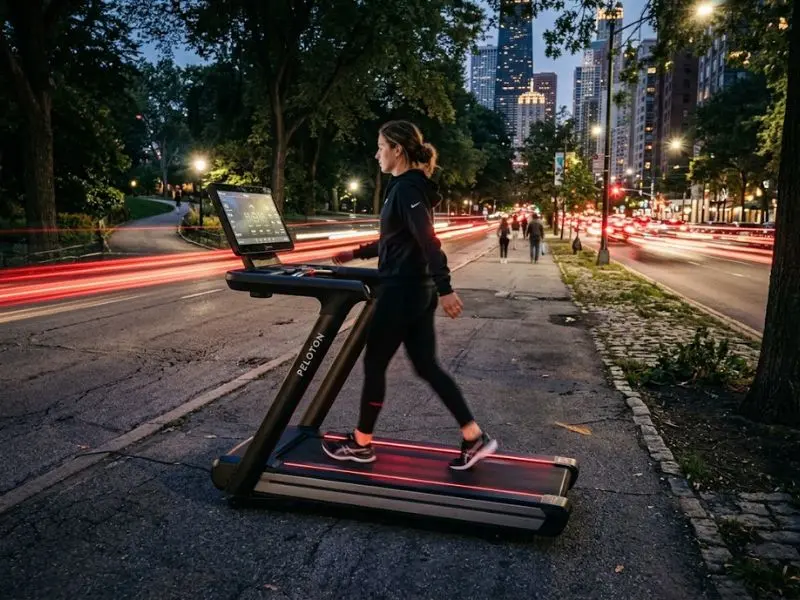
Pavement and Sidewalks
Most stability walking shoes work well on pavement because these surfaces are relatively predictable. Focus on cushioning, support, and outsole durability.
Treadmills
For treadmill walking, traction is usually less demanding than outdoor walking. A lightweight stability shoe such as the GT-2000 or Arahi can be a comfortable choice.
Travel
Travel shoes should balance comfort, weight, and versatility. If you expect to walk many miles through airports, city streets, and hotels, prioritize a secure fit and cushioning over appearance alone.
Light Trails
If you occasionally walk on packed dirt or light gravel, choose a shoe with dependable outsole grip. Road-focused stability shoes can work for mild trail use, but they are not substitutes for dedicated trail footwear on technical terrain.
Long-Distance Walking
For long walks, cushioning and fit become especially important. The GEL-KAYANO 32, Gaviota 5, and other well-cushioned stability options may appeal to people who prefer a softer ride.
How to Choose the Right Pair
Start by thinking about where and how you walk. Someone walking 20 minutes on a treadmill has very different footwear needs from someone walking several miles on pavement every day.
Next, consider your foot shape. If you have wide feet, look for a model available in wider widths rather than buying a standard shoe and hoping it stretches.
Then evaluate support. Mild overpronation may not require the strongest motion-control shoe available. More support is not automatically better.
Check cushioning, heel security, and toe room as well. Walk around in the shoes before deciding. If possible, try them with your normal socks and compare both shoes rather than judging them after trying on only one.
Finally, think about terrain. A road shoe may be perfect for sidewalks but less suitable for uneven trails. Matching the outsole to your walking environment can make a noticeable difference in comfort and confidence.
Common Mistakes to Avoid
Choosing shoes only because they are highly cushioned: Soft cushioning does not automatically provide the stability you need.
Buying the wrong size: A supportive shoe cannot compensate for a poor fit.
Ignoring toe room: Your toes need enough space for comfortable movement during longer walks.
Choosing shoes based only on appearance: A fashionable sneaker may not provide the structure your walking style requires.
Assuming more support is always better: Excessive structure can feel uncomfortable if you do not need it.
Ignoring the terrain: Match your outsole and shoe construction to where you actually walk.
Keeping worn-out shoes too long: Cushioning and support can change as footwear accumulates use. Replace shoes when they become noticeably worn or no longer feel supportive.
Frequently Asked Questions
1. What are the best walking shoes for overpronation?
Stability shoes like Brooks Adrenaline GTS, ASICS GEL-KAYANO, New Balance 860, and HOKA Arahi are strong options.
2. Are stability shoes good for overpronation?
Yes, stability shoes can provide extra support and help manage excessive inward foot movement.
3. Can overpronation cause discomfort while walking?
Overpronation can contribute to discomfort for some people, although it does not always cause pain.
4. Should overpronators wear shoes with arch support?
Arch support can be helpful for some overpronators, but the right level depends on individual foot shape and comfort.
5. How often should walking shoes be replaced?
Replace walking shoes when they show significant wear or no longer feel comfortable and supportive.
Conclusion
The best walking shoes for overpronation should provide the right combination of stability, cushioning, fit, and traction for your individual cold-weather walking routine. Models such as the Brooks Adrenaline GTS 25, ASICS GEL-KAYANO 32, New Balance 860v14, and HOKA Arahi 8 offer different approaches to support, so focus on how a shoe fits and feels rather than choosing solely by brand or technology.
