


Cold weather walking can be a simple way to stay active when temperatures drop. With the right clothes, safe footwear, and a little planning, many people can continue enjoying their regular walks during the colder months. You can also complement your walks with a short 20-minute core workout to build core strength at home.
Walking outside in winter is different from walking on a warm, dry day. This guide explains how to dress, stay safe, choose the right shoes, decide when conditions are too severe, and make winter walking part of a consistent fitness routine.
What Is Cold Weather Walking?
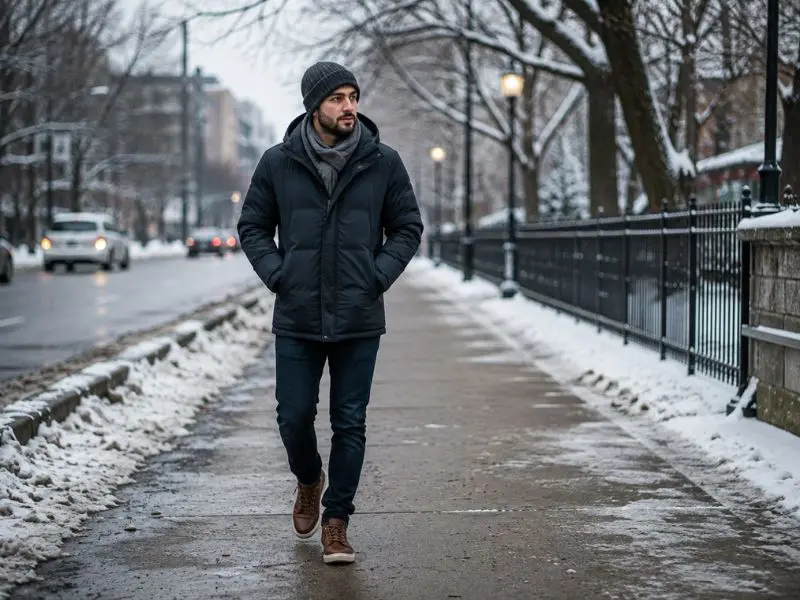
Cold weather walking simply means walking outdoors when temperatures are lower than usual. Depending on where you live, this may involve cool wind, rain, frost, snow, or icy surfaces.
Some people enjoy walking outside during winter because the air feels fresh and the environment is quieter. Others continue their normal walking routine because regular movement is an important part of their lifestyle.
Cold weather walking does not require special athletic skills. However, colder conditions can create extra challenges. You may need warmer clothing, shoes with better traction, and more awareness of the weather and walking surface.
The goal is not to ignore uncomfortable or dangerous conditions. A smart winter walking routine means adjusting your plans to match the weather.
Benefits of Walking in Cold Weather
Walking is a simple form of physical activity, and continuing your routine during colder months may help you stay consistent throughout the year.
Helps You Maintain Daily Movement
When winter arrives, it can be tempting to spend more time indoors. Cold weather walking gives you an opportunity to continue moving instead of putting your routine on hold for an entire season.
Even a shorter walk can be a useful part of an active day. If the weather is uncomfortable, you can adjust your route or shorten the time rather than skipping movement completely.
Can Support Your Mood
Spending time outside can provide a change of scenery after being indoors. A walk may also give you quiet time to think, listen to music or a podcast, or simply take a break from screens.
Everyone responds differently to exercise and outdoor time, but many people find that a regular walking habit helps them feel more refreshed.
Provides Fresh Air and Outdoor Time
Winter weather can make outdoor time feel less appealing, especially when days are shorter. However, when conditions are safe, walking outside in winter can help you maintain a connection with your surroundings.
A familiar neighborhood can look completely different during colder weather. Changing seasons may make your regular route feel new again.
Helps You Stay Consistent
One of the biggest benefits of cold weather walking is consistency. If you only walk when conditions are perfect, it can be difficult to maintain a regular routine.
Learning how to adapt to cooler weather can make it easier to stay active throughout the year. On days with severe conditions, an indoor alternative can keep your routine flexible.
Is Cold Weather Walking Safe?
Cold weather walking can be safe for many people, but safety depends on the situation. Temperature is only one factor. Wind, rain, snow, ice, visibility, clothing, footwear, and the condition of your walking route also matter.
A dry, calm day may feel very different from a windy or wet day at the same temperature. Slippery sidewalks and poor visibility can sometimes create more immediate risks than the temperature itself.
Pay attention to how you feel while walking. If you become unusually uncomfortable, lose feeling in your extremities, feel confused, or notice worsening weather conditions, stop and seek a warmer, safer place.
People with health concerns or conditions that affect their response to cold or exercise should consider getting personalized advice from a qualified healthcare professional before starting a demanding outdoor routine.
How to Dress for Cold Weather Walking
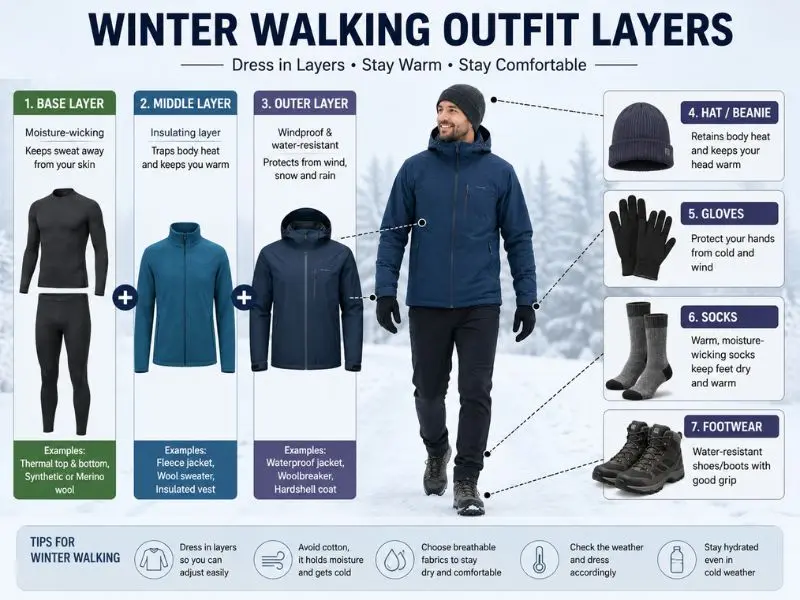
The right clothing can make cold weather walking much more comfortable. The best approach is usually to wear layers that you can adjust as your body warms up.
Start With a Comfortable Base Layer
Your base layer sits close to your skin. Choose a comfortable material that helps manage moisture rather than leaving you feeling damp after you start moving.
The exact clothing you need will depend on the temperature and your personal comfort level.
Add an Insulating Layer
An insulating layer helps keep you warm. Depending on the weather, this could be a fleece, sweater, or another lightweight warm layer.
Avoid assuming that thicker is always better. Once you start walking, your body may warm up quickly.
Use an Outer Layer When Needed
Rain, snow, or strong wind may require an outer layer that helps protect you from the elements. Choose something appropriate for the conditions without making yourself excessively hot.
A jacket that is too heavy may become uncomfortable after several minutes of walking.
Protect Your Hands and Head
Gloves can make a major difference on cold days, especially if your hands become uncomfortable quickly. A warm hat or other suitable head covering may also help when conditions require it.
Choose items that are easy to remove or adjust if you become too warm.
Wear Warm, Comfortable Socks
Cold or wet feet can make a walk unpleasant. Choose socks that fit comfortably and work well with your footwear.
Bring a dry pair if you are planning a longer walk in wet or snowy conditions.
Choose Weather-Appropriate Footwear
Your shoes should fit well and provide suitable grip for the surfaces you expect to encounter. Cold weather walking may require different footwear than a dry summer walk.
Best Shoes for Walking in Cold Weather
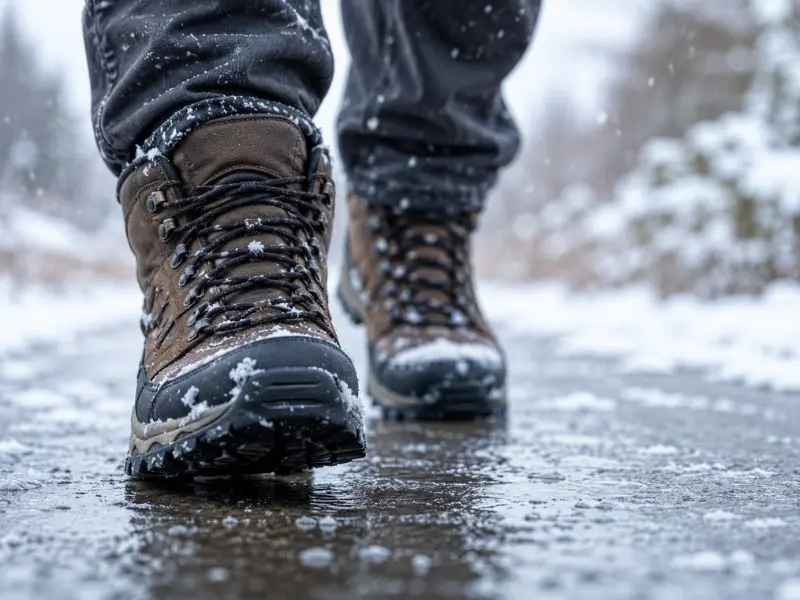
There is no single best shoe for every winter walker. The right choice depends on your route and local weather conditions.
Look for footwear with a comfortable fit and a sole that provides reasonable traction. If your usual route includes wet leaves, slush, snow, or icy areas, grip becomes especially important.
Keeping your feet dry can also improve comfort. Shoes that allow water inside easily may not be suitable for wet conditions.
Avoid wearing shoes with worn-out soles when surfaces are slippery. If the route is icy or dangerous, however, better shoes do not make every situation safe. Choosing another route or walking indoors may be the smarter decision.
Try your footwear before taking a long walk. Comfortable shoes should support normal movement without causing rubbing, pinching, or pain.
Cold Weather Walking vs Indoor Walking

Both outdoor and indoor walking can help you maintain a regular movement routine. The better option often depends on the day’s conditions and what feels practical for you.
| Feature | Cold Weather Walking | Indoor Walking |
| Fresh air | Provides outdoor air and changing scenery | Usually takes place in an enclosed environment |
| Weather exposure | May involve wind, rain, snow, or cold | Protected from outdoor weather |
| Convenience | Depends on local conditions and clothing | Can be easier during severe weather |
| Safety concerns | Slippery surfaces and poor visibility may be concerns | Fewer weather-related surface concerns |
| Clothing needs | Often requires layers and weather-appropriate gear | Usually requires lighter, comfortable clothing |
| Surface conditions | May change because of rain, snow, or ice | Usually more predictable and dry |
The best choice depends on weather conditions, safety, personal preference, and the options available to you. Outdoor walking can be enjoyable on a safe day, while indoor walking can be a practical backup when conditions are poor. For a more structured fitness routine, you can also follow a 5-day workout split alongside your walking routine.
How Cold Is Too Cold for Walking Outside?
There is no single temperature that is automatically too cold for every person. A person’s experience, clothing, health, activity level, and tolerance for cold can all affect how comfortable a walk feels.
Wind can make conditions feel much colder. Rain or snow can leave clothing and footwear wet, while ice can make walking surfaces dangerous. Visibility may also be poor during storms or darker winter hours.
Instead of focusing only on the number shown by a thermometer, consider the complete situation. Check the forecast, think about your route, and make sure you have appropriate clothing.
If severe cold, dangerous wind, ice, a storm, or unsafe conditions are expected, choose an indoor option. Missing one outdoor walk is better than taking unnecessary risks.
Safety Tips for Cold Weather Walking
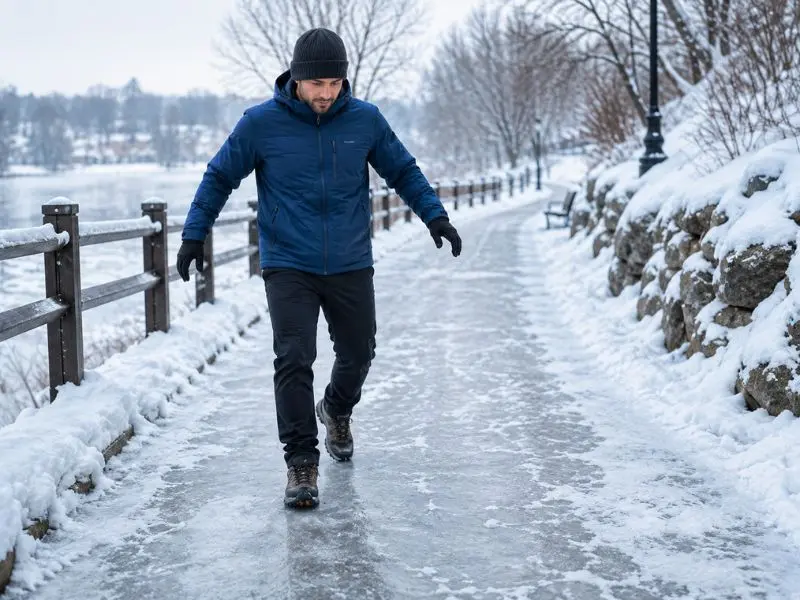
A few simple habits can make a winter walk safer and more comfortable.
1. Check the Weather
Look at the forecast before leaving. Pay attention to temperature, wind, rain, snow, and warnings for severe conditions.
Weather can change, so check again if you are planning a longer walk.
2. Choose a Safe Route
Pick paths that are familiar and well maintained when possible. Avoid areas where ice, deep water, poor lighting, or difficult terrain may create problems.
A shorter, safer route can be better than a long route with uncertain conditions.
3. Watch for Ice and Slippery Surfaces
Ice may not always be easy to see. Walk carefully, take shorter steps when surfaces are questionable, and avoid rushing.
If a section looks unsafe, turn around or choose another path.
4. Make Yourself Visible
Winter days can be darker, and rain or snow may reduce visibility. Wear clothing or accessories that help other people see you when walking near roads or traffic.
Be especially careful around driveways and crossings.
5. Keep Your Phone Available
Carry a charged phone when practical, particularly if you are walking alone or taking a longer route.
Your phone should be accessible rather than buried under several layers of clothing.
6. Tell Someone About Longer Walks
If you are going on a longer walk in an isolated area, consider letting someone know where you plan to go.
This simple habit can add another layer of preparation.
7. Adjust Your Walking Time
You do not need to follow the same schedule every day. Shorter walks may make more sense when the weather is uncomfortable.
Being flexible is part of a sustainable routine.
8. Turn Back When Conditions Worsen
Do not feel pressured to complete a planned distance. If the weather becomes worse, surfaces become slippery, or you feel unsafe, head back or find a safer place.
How Long Should You Walk in Cold Weather?
The right walking time depends on your fitness level, experience, the weather, and how you feel. Beginners may prefer to start with a short walk and gradually increase the time as they become more comfortable.
You do not need to make every cold weather walk long. A shorter, comfortable walk can still help you maintain the habit.
Pay attention to your route. A 30-minute walk on a dry, calm day may feel very different from the same walk in strong wind or snow.
If you are new to walking outside in winter, start conservatively. Learn how your clothing and footwear perform before attempting longer distances.
Tips for Beginners
Starting cold weather walking is easier when you keep the first few walks simple.
Begin with a familiar route close to home. This makes it easier to return if you become uncomfortable or notice that your clothing is not suitable.
Check the weather before leaving and avoid trying to prove that you can handle extreme conditions. Winter walking is not a competition.
Dress in layers and make adjustments based on experience. You may discover that you need fewer or more layers than expected.
Start at a comfortable pace. Walking too fast immediately can make you overly warm and sweaty, while moving too slowly may leave you feeling cold.
Plan an indoor alternative. A shopping mall, indoor track, treadmill, or other safe location may be useful when outdoor conditions are poor.
Most importantly, be consistent without being rigid. If the weather is unsafe, changing your plan is a smart decision.
Common Cold Weather Walking Mistakes to Avoid
Wearing Too Many Heavy Layers
Bundling up in extremely heavy clothing may seem like the best solution, but you can become too warm after moving for a few minutes. Adjustable layers are often more practical.
Wearing the Wrong Shoes
Smooth or worn-out soles may provide poor grip on wet or slippery surfaces. Choose footwear appropriate for your route.
Ignoring Ice
Never assume you can safely walk over a surface just because you are in a hurry. Slow down and choose another route when needed.
Starting Too Fast
A fast start can make you hot and uncomfortable quickly. Begin at a moderate pace and allow your body time to warm up.
Staying Outside in Dangerous Conditions
A planned walk is never more important than your safety. Severe weather, dangerous ice, or poor visibility are good reasons to change your plans.
Forgetting About Visibility
Dark winter mornings and evenings can make it harder for drivers and cyclists to see pedestrians. Think about visibility before leaving home.
How to Stay Motivated to Walk During Winter
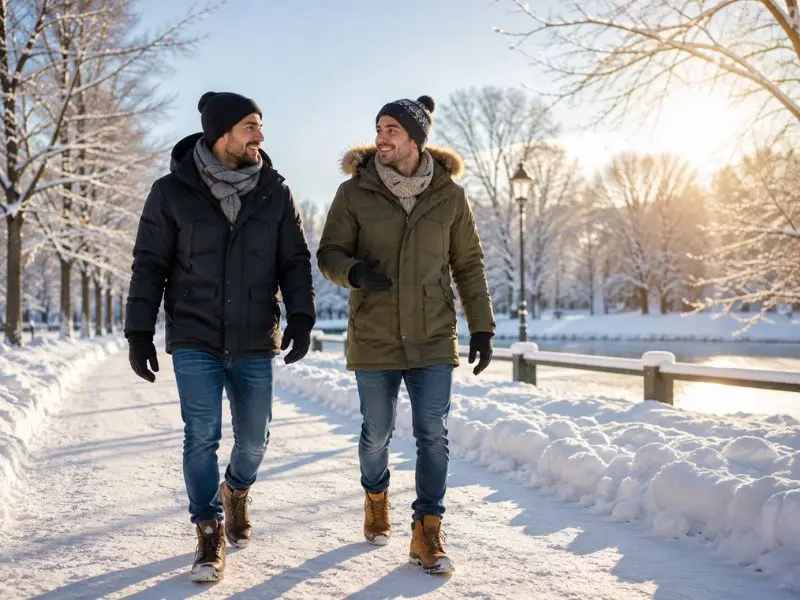
Motivation can be difficult when it is cold and comfortable indoors. Creating a simple routine may help reduce the need to make a new decision every day.
Choose a regular time for your walks when possible. Some people prefer walking during the warmest part of the day, while others choose a time that fits their schedule.
Walking with a friend or family member can make the routine more enjoyable. It can also provide accountability when motivation is low.
Track your progress in a simple way. You might record your walking days, time, distance, or how you felt after each walk. The goal is not to be perfect but to notice your consistency.
Choose routes you enjoy. A pleasant neighborhood, park, or other familiar area can make walking feel less like a chore.
Keep an indoor backup plan ready. Knowing that you have another option means bad weather does not have to completely interrupt your routine.
Cold weather walking becomes easier when you accept that every day will not look the same. Some days may include a long outdoor walk, while others may involve a short indoor session.
Frequently Asked Questions
Is cold weather walking good for you?
It can be a useful way to stay active when conditions are safe and appropriate for you.
What should I wear for cold weather walking?
Wear comfortable layers, suitable footwear, and extra protection for your hands and head when needed.
Can I walk outside when it is snowing?
You may be able to if conditions are safe, visibility is adequate, and the walking surface is not dangerously slippery.
How long should I walk in cold weather?
Start with a comfortable duration and adjust your walking time based on your fitness, weather, and comfort.
What shoes are best for cold weather walking?
Comfortable shoes with suitable traction and protection from the conditions are generally a practical choice.
Conclusion
Cold weather walking can help you maintain an active routine throughout the colder months when you prepare properly and respect the conditions. Dress in adjustable layers, wear suitable shoes, choose safe routes, and remain flexible enough to move your walk indoors when the weather becomes unsafe. After your walk, a protein drink can be a convenient option to include protein as part of a balanced diet.
