

If you want to build lean muscle, choosing the Best Protein for Muscle Gain can make a real difference. Protein provides the amino acids your muscles need to repair and grow after strength training. Whether you are new to the gym or an experienced lifter, the right protein source can help you recover faster and reach your fitness goals.
This guide explains how protein supports muscle growth, the different types available, how much you need each day, and how to select the best option for your lifestyle and budget. By the end of this guide, you’ll know how to choose the Best Protein for Muscle Gain that matches your fitness goals and training needs.
What Is Protein?
Protein is one of the three essential macronutrients, along with carbohydrates and fats. It is made from amino acids, the building blocks behind the Best Protein for Muscle Gain.
Your muscles, skin, bones, hormones, enzymes, and immune system all depend on protein to function properly.
When you perform resistance exercises like weight lifting, tiny muscle fibers break down. Your body repairs these fibers using amino acids from protein, making them stronger and larger over time.
Without enough protein, even the Best Protein for Muscle Gain cannot fully support muscle recovery and growth.
Why Protein Matters for Muscle Gain
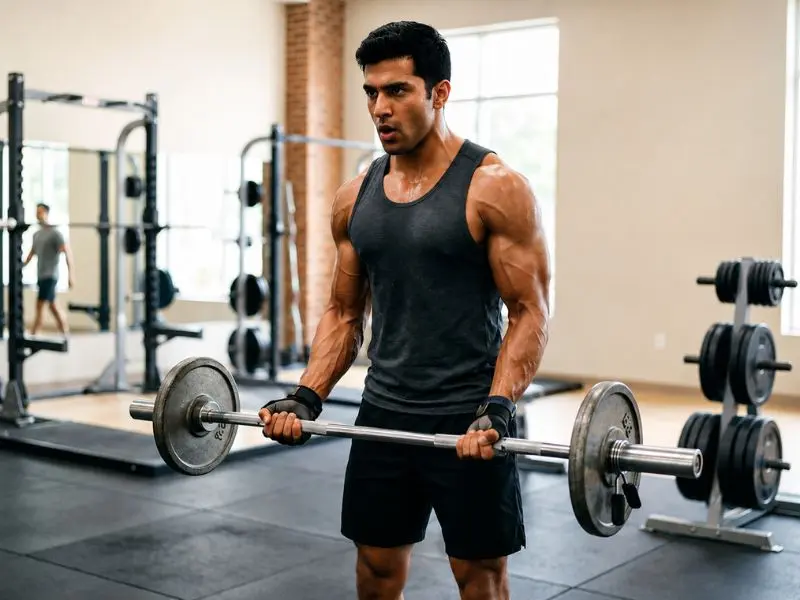
Protein plays a critical role in muscle development.
Its main benefits include:
- Supports muscle repair after workouts
- Stimulates muscle protein synthesis
- Helps preserve lean muscle during fat loss
- Improves workout recovery
- Reduces muscle soreness
- Supports strength improvements
- Helps maintain muscle as you age
Regular strength training combined with the Best Protein for Muscle Gain helps create the ideal environment for building lean muscle.
How Protein Builds Muscle
After resistance training, your muscles become more sensitive to amino acids.
Protein provides leucine and other important amino acids that help trigger the muscle-building process after exercise.
Muscle protein synthesis is the process that allows the Best Protein for Muscle Gain to help repair damaged muscle tissue and build new muscle fibers.
If you consistently eat enough protein while following a structured strength-training program, your muscles gradually become larger and stronger.
Benefits of Choosing the Best Protein for Muscle Gain
Selecting the right protein offers several advantages.
Faster Recovery
Protein helps repair damaged muscle tissue after intense workouts.
Better Muscle Growth
Adequate protein intake supports consistent lean muscle development.
Improved Strength
As muscles recover efficiently, your strength can improve over time.
Less Muscle Breakdown
Eating enough protein helps reduce muscle loss during calorie deficits.
Convenient Nutrition
Protein powders provide an easy way to meet your daily protein target when whole foods are not enough.
Different Types of Protein
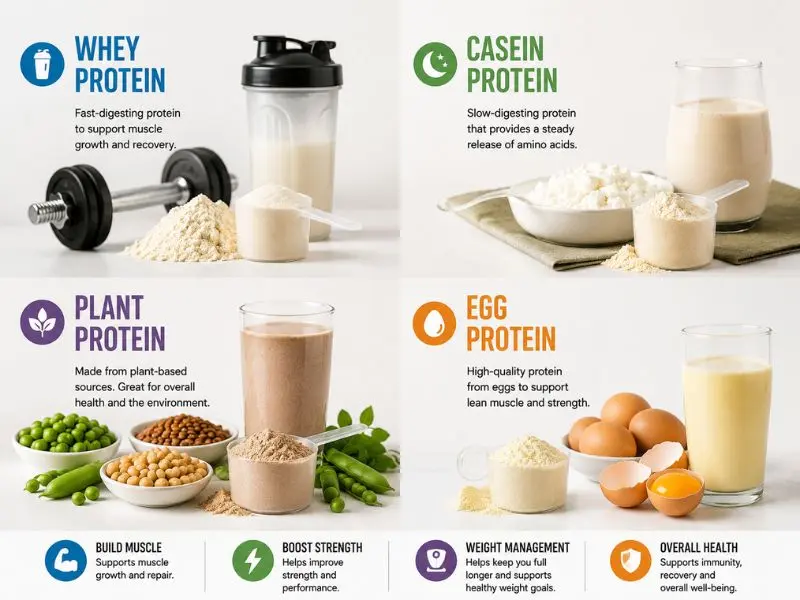
Not all protein sources are the same.
Each type has unique benefits.
Whey Protein
Whey protein is the most popular choice for muscle gain.
It digests quickly and contains all nine essential amino acids.
It is naturally rich in leucine, making it one of the Best Protein for Muscle Gain options after workouts.
Pros
- Fast digestion
- High biological value
- Excellent amino acid profile
- Supports rapid recovery
- Ideal after training
Cons
- Contains dairy
- Not suitable for people with severe lactose intolerance
Whey Protein Isolate
Whey isolate undergoes additional filtration.
It contains more protein and less fat and lactose, making it one of the Best Protein for Muscle Gain options
Best For
- Lean muscle gain
- Cutting phases
- Lactose-sensitive individuals
Whey Protein Concentrate
This form contains slightly less protein but more natural nutrients.
It is usually more affordable.
Best For
- Beginners
- Everyday protein supplementation
- Budget-conscious athletes
Casein Protein
Casein digests slowly.
It releases amino acids over several hours, making it ideal before bedtime.
Many athletes choose casein as one of the Best Protein for Muscle Gain options to support overnight recovery.
Pros
- Slow digestion
- Helps reduce overnight muscle breakdown
- Keeps you feeling full longer
Cons
- Slower absorption
- Dairy-based
Plant-Based Protein
Plant proteins are made from ingredients like pea, soy, brown rice, hemp, or pumpkin seeds.
Modern plant protein blends combine several protein sources, making them one of the Best Protein for Muscle Gain options.
They are one of the Best Protein for Muscle Gain options for vegans and people who avoid dairy.
Pros
- Dairy-free
- Vegan-friendly
- Easy to digest for many people
- Environmentally friendly
Cons
- Some products contain less leucine
- Quality varies between brands
Best Protein Sources From Whole Foods
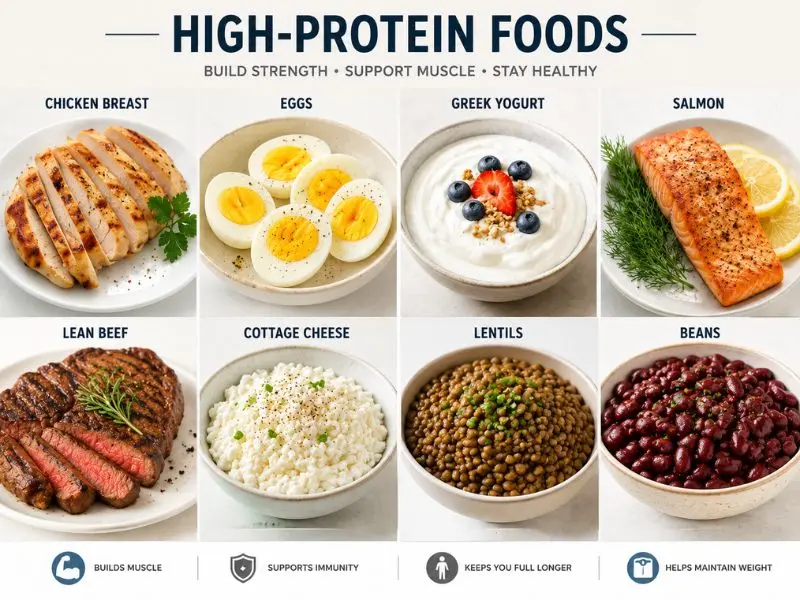
Protein powder is helpful, but whole foods should be the foundation of your diet. They provide vitamins, minerals, healthy fats, and other nutrients that make them part of the Best Protein for Muscle Gain diet.
Chicken Breast
Chicken breast is one of the best protein-rich foods for building lean muscle. A 100-gram serving provides about 31 grams of protein with very little fat.
Eggs
Eggs contain all nine essential amino acids and are rich in leucine, making them an excellent choice for muscle recovery. One large egg provides around 6 grams of high-quality protein.
Greek Yogurt
Greek yogurt contains both whey and casein protein, making it one of the Best Protein for Muscle Gain food choices. It works well as a healthy breakfast or snack while also providing calcium to support strong bones.
Salmon
Salmon is packed with protein and heart-healthy omega-3 fatty acids. These healthy fats may help reduce exercise-related inflammation, making them a great addition to the Best Protein for Muscle Gain plan.
Lean Beef
Lean beef contains complete protein along with iron, zinc, vitamin B12, and creatine, which can support strength and muscle performance.
Cottage Cheese
Cottage cheese is naturally high in casein protein, making it an excellent bedtime snack for overnight muscle recovery.
Beans and Lentils
Beans and lentils are affordable plant-based protein sources. Although they may not provide all essential amino acids alone, pairing them with grains makes them a smart choice for the Best Protein for Muscle Gain.
How to Choose the Best Protein for Your Muscle Gain Goals
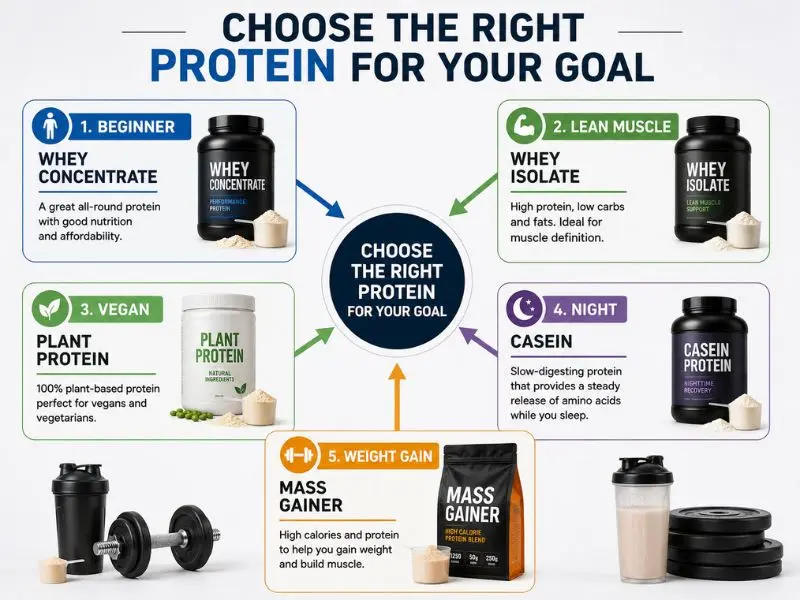
For Beginners
If you are just starting your fitness journey, whey protein concentrate is usually the best option. It is affordable, easy to digest, and supports muscle growth effectively.
For Lean Muscle Gain
Choose whey protein isolate. It provides more protein with fewer carbohydrates and fats, making it ideal for building lean muscle.
For Weight Gain
People trying to gain overall body weight may benefit from a mass gainer, which combines protein with additional carbohydrates and calories.
For Vegetarians and Vegans
A high-quality plant-based protein blend made from pea and brown rice protein can provide all the essential amino acids needed for muscle growth.
For Overnight Recovery
Casein protein is an excellent bedtime choice because it releases amino acids slowly while you sleep.
How Much Protein Do You Need?
Your daily protein needs depend on your activity level and fitness goals.
| Activity Level | Recommended Protein Intake |
| Sedentary Adult | 0.8 g per kg body weight |
| Recreational Exercise | 1.0–1.2 g per kg |
| Muscle Gain | 1.6–2.2 g per kg |
| Intense Training | Up to 2.4 g per kg |
Example
A person weighing 70 kg (154 lbs) who wants to build muscle should aim for approximately 112–154 grams of protein daily.
Instead of eating all your protein in one meal, spread it evenly across 3–5 meals throughout the day.
Best Time to Take Protein
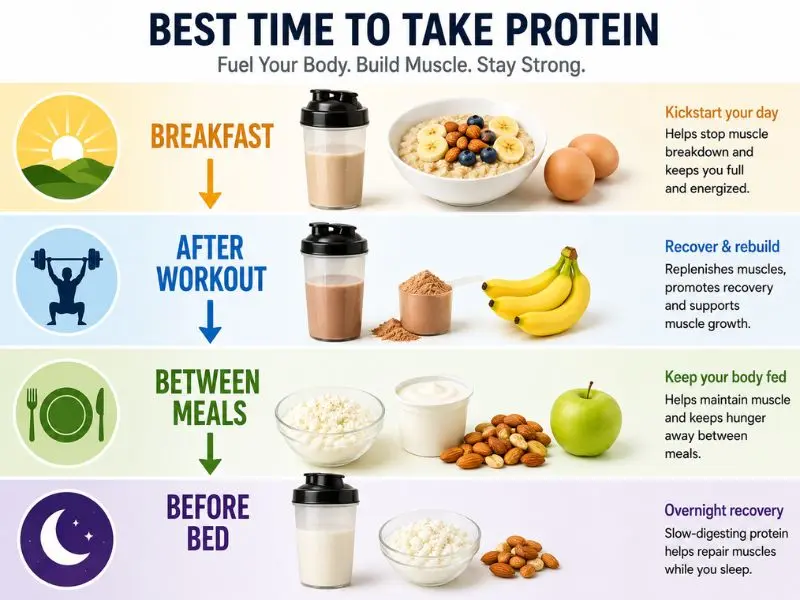
Timing is helpful, but total daily protein intake is even more important.
After Your Workout
A protein shake within a couple of hours after resistance training can support muscle repair and recovery.
At Breakfast
Starting your day with protein may help stimulate muscle protein synthesis earlier in the day.
Before Bed
Casein protein before sleep can provide a steady supply of amino acids overnight.
Between Meals
Protein-rich snacks can help you reach your daily protein goal while keeping you satisfied.
Common Mistakes to Avoid
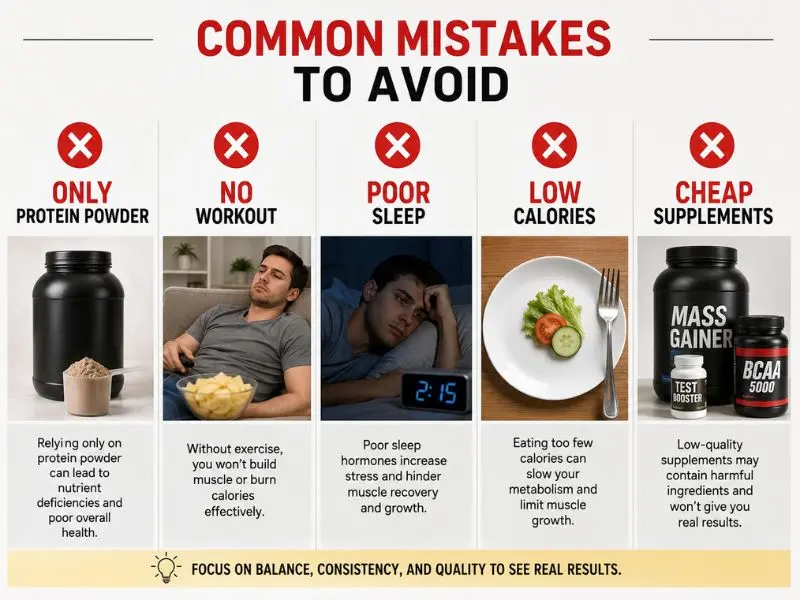
Depending Only on Protein Powder
Protein supplements help support a healthy diet, but they should not replace whole foods.
Ignoring Strength Training
Protein alone cannot build muscle. Progressive resistance training is essential.
Not Eating Enough Calories
Muscle growth requires adequate energy intake. Eating too few calories can slow your progress.
Skipping Recovery
Rest days and quality sleep are just as important as workouts.
Buying Low-Quality Supplements
Choose products that are tested for quality and have clear ingredient labels.
Expert Tips for Faster Muscle Growth
- Train each major muscle group at least twice per week.
- Eat protein with every meal.
- Stay hydrated throughout the day.
- Get 7–9 hours of quality sleep each night.
- Increase workout intensity gradually.
- Prioritize compound movements such as squats, deadlifts, bench presses, and rows to build strength and muscle more effectively.
- Track your protein intake to stay consistent.
- Be patient—muscle growth takes time and consistency.
Comparison Table
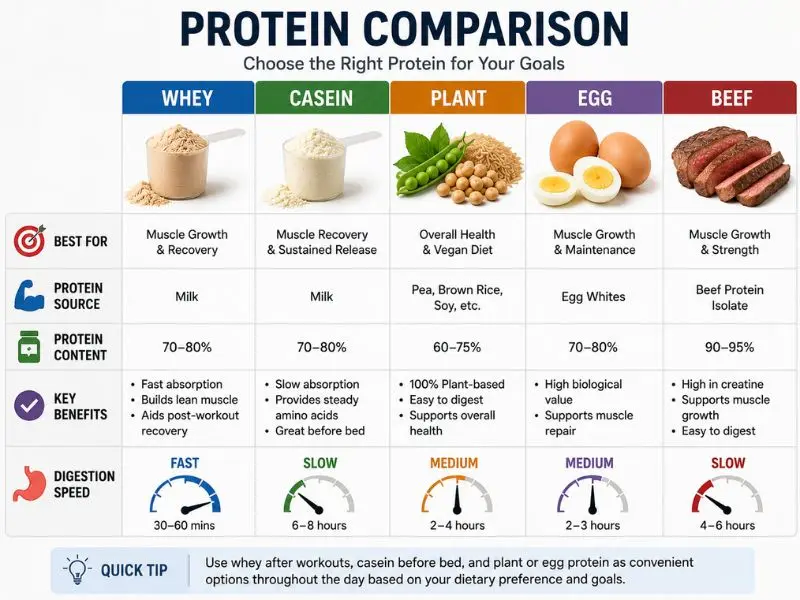
| Protein Type | Digestion Speed | Best For | Pros | Cons |
| Whey Isolate | Fast | Lean muscle gain | High protein, low fat | Higher cost |
| Whey Concentrate | Fast | Beginners | Affordable and effective | Contains more lactose |
| Casein | Slow | Nighttime recovery | Long-lasting amino acids | Slower digestion |
| Plant Protein | Moderate | Vegans | Dairy-free and plant-based | Some blends have less leucine |
| Egg Protein | Moderate | Dairy-free diets | Complete amino acids | Usually more expensive |
| Beef Protein | Moderate | Dairy-free option | High protein | Limited research compared with whey |
FAQs
1. Which protein is best for muscle gain?
Whey protein is the most effective choice for most people.
2. Can I build muscle without protein powder?
Yes, whole foods can provide enough protein when your diet is well planned.
3. How much protein should I eat daily?
Most people aiming to build muscle need 1.6–2.2 g per kg of body weight.
4. Is plant protein good for muscle gain?
Yes, a well-formulated plant protein blend can provide the nutrients needed to help build and maintain muscle.
5. Should I take protein every day?
Yes, consistent daily protein intake supports muscle recovery and growth.
Conclusion
Choosing the Best Protein for Muscle Gain depends on your goals, diet, and budget. Whey protein remains the top choice for most people because of its complete amino acid profile and fast digestion, while casein and plant-based proteins are excellent alternatives for specific needs. Combine a high-quality protein source with regular strength training, balanced nutrition, and proper recovery to maximize lean muscle growth and long-term fitness results.
