
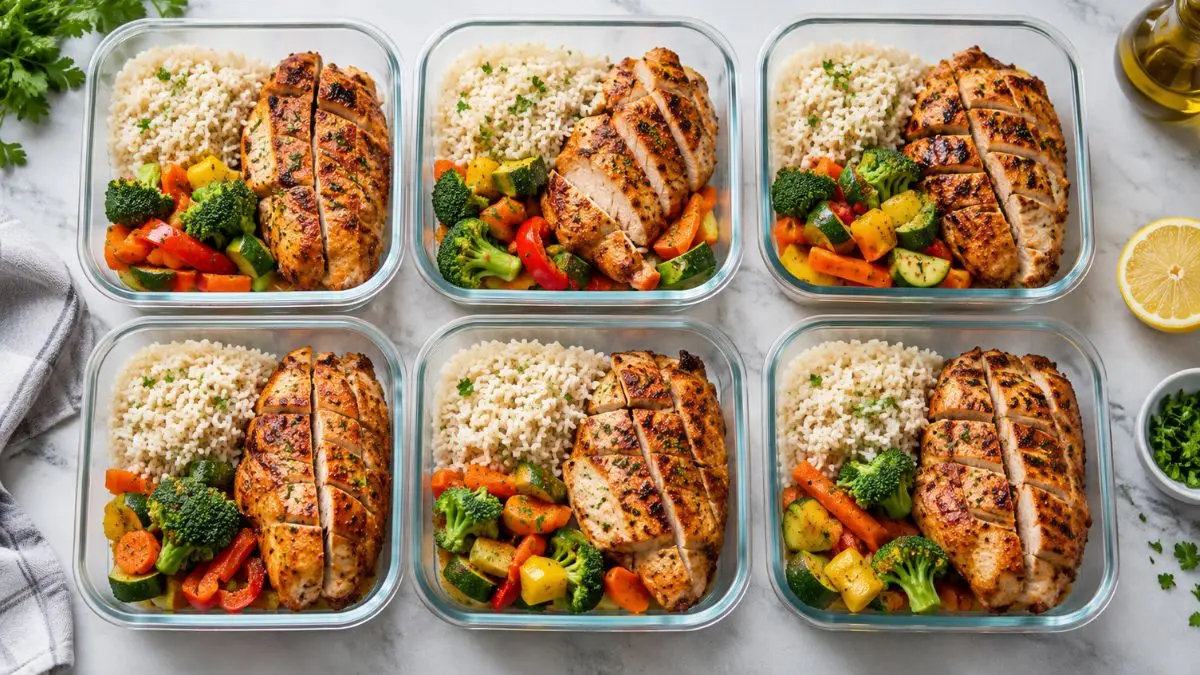
Building muscle requires more than simply spending time in the gym. Your body also needs enough protein, calories, carbohydrates, healthy fats, and recovery to support muscle growth. High protein meal prep for muscle gain can make this process easier, especially when you’re also focused on losing fat while gaining muscle.
A good meal prep plan does not need to be complicated or expensive. With lean proteins, whole grains, vegetables, fruits, dairy foods, and healthy fats, you can prepare several meals in advance and stay consistent throughout the week. This guide explains how to plan high protein meal prep for muscle gain, choose the right foods, build balanced meals, avoid common mistakes, and make your weekly routine easier.
What Is High Protein Meal Prep for Muscle Gain?
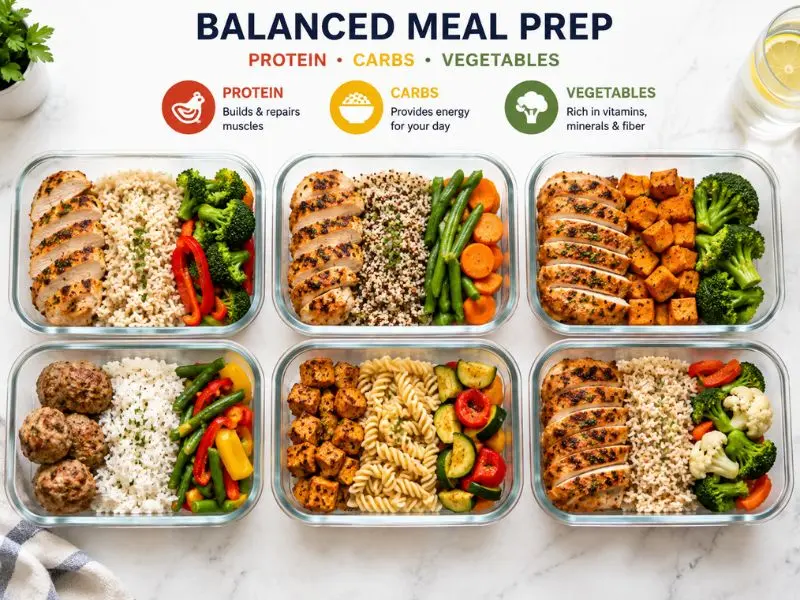
High protein meal prep for muscle gain means preparing protein-rich meals and snacks ahead of time so they are ready when you need them. Instead of cooking every meal from scratch, you can prepare several servings at once and store them for later.
The main goal is to make it easier to meet your daily protein needs while also getting enough calories and nutrients to support resistance training and recovery.
A typical muscle gain meal prep may include chicken breast, lean beef, turkey, eggs, Greek yogurt, cottage cheese, tuna, salmon, beans, rice, potatoes, oats, vegetables, and fruit.
The exact foods can vary depending on your preferences, budget, cooking skills, and dietary needs.
Meal prep can also help reduce the temptation to choose fast food when you are hungry after work or a workout. Having high protein meal prep for muscle gain ready makes staying consistent easier.
Why Is High Protein Meal Prep Important for Muscle Growth?
Protein provides amino acids that your body uses to build and repair muscle tissue. Resistance training creates a stimulus for muscle growth, while adequate nutrition and recovery help your body respond to that stimulus.
However, eating more protein alone does not automatically build muscle. Your overall diet, training program, sleep, recovery, and calorie intake also matter.
A well-planned meal prep routine can help solve one of the biggest problems people face: consistency.
You may know that you should eat protein-rich foods, but it can be difficult to prepare healthy meals every day. Preparing food in advance reduces the number of decisions you need to make during a busy week.
For example, you can cook chicken and rice on Sunday, divide them into containers, add vegetables, and have several complete meals ready.
High protein meal prep for muscle gain makes a muscle-building diet easier to follow.
How Does High Protein Meal Prep for Muscle Gain Work?
The basic process is simple. Start by deciding how many meals you want to prepare and what foods you will use.
1. Choose Your Protein Sources
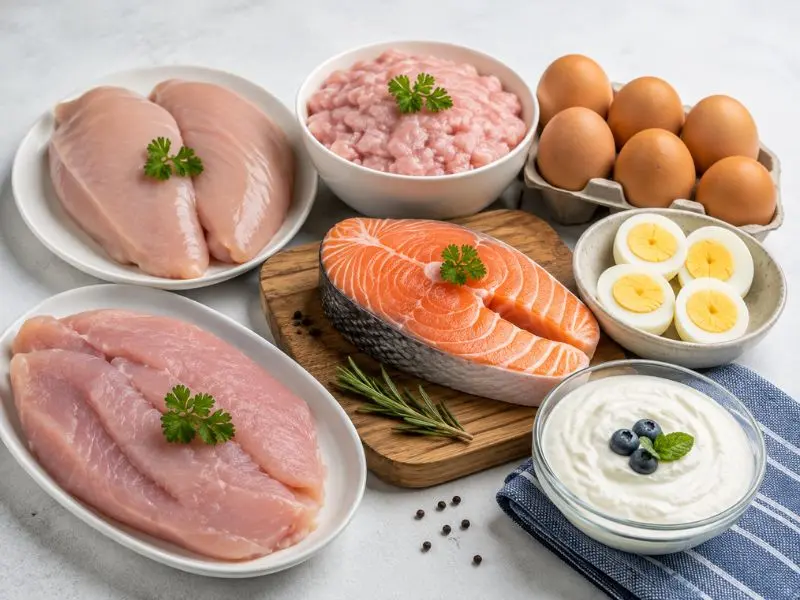
Start each meal with a protein source.
Good options include:
- Chicken breast
- Turkey
- Lean beef
- Eggs
- Salmon
- Tuna
- Greek yogurt
- Cottage cheese
- Milk
- Tofu
- Beans
- Lentils
Using different protein sources throughout the week can make your diet more enjoyable and provide a broader range of nutrients.
2. Add Carbohydrates
Carbohydrates provide energy for daily activities and workouts.
Useful options include:
- Rice
- Oats
- Potatoes
- Sweet potatoes
- Whole-grain bread
- Pasta
- Quinoa
- Fruit
- Beans
Carbohydrate needs vary from person to person, so portions should match your activity level and overall calorie needs.
3. Include Vegetables and Fruit
Vegetables and fruit provide fiber, vitamins, minerals, and other beneficial compounds.
Broccoli, spinach, carrots, peppers, green beans, berries, bananas, oranges, and apples can all fit into a muscle building meal plan.
4. Add Healthy Fats
Healthy fats can make meals more satisfying while providing useful nutrients.
Examples include:
- Avocado
- Nuts
- Seeds
- Peanut butter
- Olive oil
- Fatty fish
You do not need large amounts of fat in every meal. Focus on creating a balanced overall diet.
5. Divide Meals Into Containers
Once your food is cooked, divide it into individual containers.
Try to keep portions reasonably consistent so you have a better idea of how much food you are eating each day.
Benefits of High Protein Meal Prep for Muscle Gain
Helps You Eat Enough Protein
One of the biggest advantages of meal preparation is convenience. When protein-rich meals are already prepared, it becomes easier to include protein throughout the day.
Instead of relying on whatever food happens to be available, you can have a planned meal ready in your refrigerator.
Saves Time During the Week
Cooking several servings at once can reduce the amount of time spent preparing food.
For example, cooking a large batch of chicken, rice, and vegetables can provide several lunches or dinners.
This can be especially useful for people with busy work schedules, school commitments, or long commutes.
Makes Portion Control Easier
Preparing meals in individual containers gives you a better idea of how much you are eating.
This does not mean every meal needs to be measured perfectly. Instead, portioning can help you maintain consistency and make adjustments when needed.
Can Reduce Unplanned Eating
When you are hungry and have nothing prepared, ordering takeout may seem like the easiest option.
Prepared meals provide a convenient alternative.
You can also prepare healthy snacks such as Greek yogurt, boiled eggs, fruit, cottage cheese, or protein-rich overnight oats.
Makes Your Diet More Consistent
Muscle growth is a long-term process. You do not need a perfect diet for one day; you need a sustainable routine over many weeks and months.
A simple meal prep system can make that routine easier to maintain.
Best Foods for Muscle Gain Meal Prep
Choosing the right ingredients is important when creating a high protein meal prep plan.
Chicken and Turkey
Chicken breast and turkey are popular meal prep choices because they provide plenty of protein and can be cooked in large batches.
You can season them differently to prevent meals from becoming boring.
Lean Beef
Lean beef provides protein and several important nutrients. It works well with rice, potatoes, pasta, or vegetables.
Choose leaner cuts when you want to control the amount of fat in a meal.
Eggs
Eggs are affordable, versatile, and easy to prepare.
Boiled eggs can also work as a convenient snack between meals.
Greek Yogurt
Greek yogurt can provide a convenient source of protein and works well for breakfast or snacks.
Add berries, oats, nuts, or fruit for a more complete meal.
Salmon and Tuna
Fish can add variety to your meal prep while providing protein and useful fats.
Tuna can be especially convenient for quick lunches, while salmon can work well for prepared dinners.
Beans and Lentils
Beans and lentils are useful plant-based protein sources and also provide carbohydrates and fiber.
They can be combined with rice, vegetables, or whole grains to create filling meals.
How to Build a High Protein Meal Prep Plate
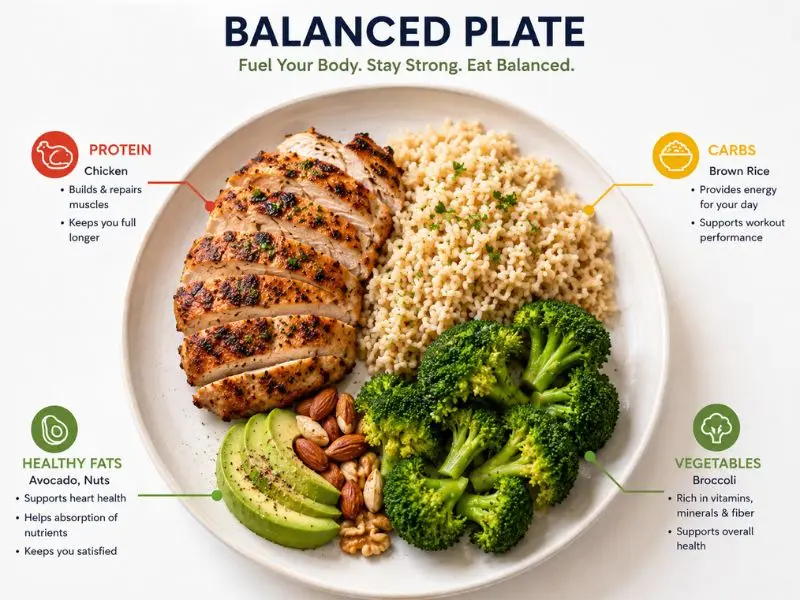
A simple meal-building method can make your preparation easier.
Start with a protein source, then add carbohydrates, vegetables, and a moderate amount of healthy fat to create a healthy diet.
For example:
Chicken + rice + broccoli + olive oil
Another option could be:
Lean beef + potatoes + green beans + avocado
For breakfast:
Eggs + oats + berries + Greek yogurt
For a snack:
Greek yogurt + banana + peanut butter
These combinations are flexible. You can change the ingredients based on your preferences and nutritional needs.
The goal is not to eat the exact same meals every day. The goal is to create a repeatable system that provides enough protein and overall nutrition.
High Protein Meal Prep Ideas for a Muscle-Building Diet
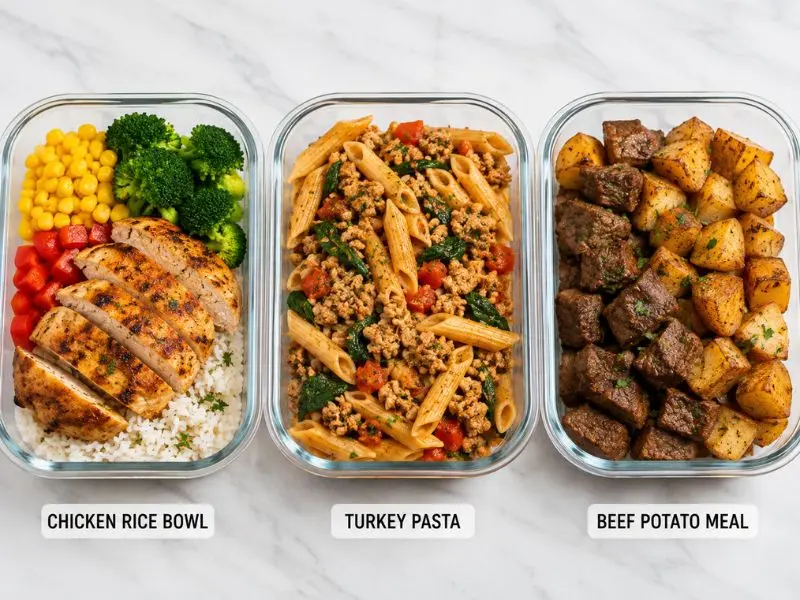
Here are several simple meals you can rotate during the week.
Chicken Rice Bowl
Combine grilled chicken breast with cooked rice and roasted vegetables.
Add a small amount of olive oil or avocado if you need additional calories.
Turkey Pasta Bowl
Use lean ground turkey with whole-grain or regular pasta and a tomato-based sauce.
Add spinach, peppers, or other vegetables for extra variety.
Beef and Potato Meal
Cook lean ground beef with roasted potatoes and green beans.
This is a simple option for lunch or dinner and can be prepared in several servings.
Egg and Oat Breakfast
Prepare eggs alongside oatmeal topped with berries and a spoonful of peanut butter.
This combination provides protein, carbohydrates, fats, and fiber.
Greek Yogurt Protein Bowl
Combine Greek yogurt with berries, oats, banana, and nuts.
This works well as breakfast, a snack, or a convenient post-workout meal.
7-Day Muscle Gain Meal Prep Example
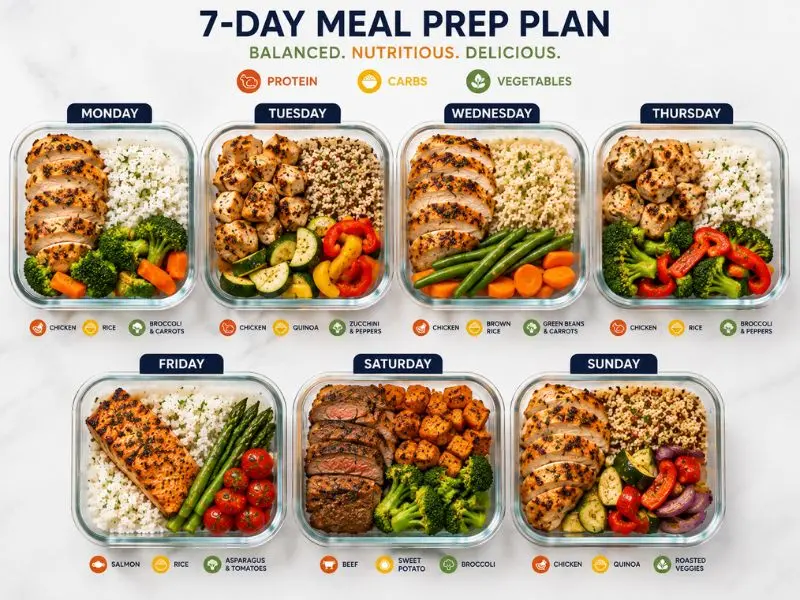
A simple weekly plan can help you organize your shopping and cooking.
| Day | Breakfast | Lunch | Dinner | Snack |
| Monday | Eggs, oats & berries | Chicken, rice & broccoli | Lean beef & potatoes | Greek yogurt |
| Tuesday | Greek yogurt & oats | Turkey pasta & vegetables | Salmon & rice | Cottage cheese & fruit |
| Wednesday | Eggs & whole-grain toast | Chicken burrito bowl | Beef, potatoes & green beans | Protein-rich yogurt |
| Thursday | Oatmeal & Greek yogurt | Turkey rice bowl | Chicken pasta & vegetables | Eggs & fruit |
| Friday | Eggs, oats & banana | Lean beef & rice | Salmon, potatoes & vegetables | Greek yogurt |
| Saturday | Greek yogurt, oats & berries | Chicken & sweet potato | Turkey pasta & vegetables | Cottage cheese |
| Sunday | Eggs & oatmeal | Beef rice bowl | Chicken, potatoes & broccoli | Yogurt & fruit |
This is only an example. Your actual portions should depend on your calorie needs, body size, training demands, preferences, and goals.
How Much Protein Should You Include?
Protein requirements vary based on body size, training status, total calorie intake, and individual goals.
For people who regularly perform resistance training, a commonly used evidence-based range is around 1.6–2.2 grams of protein per kilogram of body weight per day.
For example, someone weighing 75 kilograms may aim for roughly 120–165 grams of protein per day.
You do not need to consume all of your protein in one meal.
Dividing protein across several meals can make it easier to reach your daily target and may support a consistent muscle-building nutrition routine.
If you have a medical condition or specific dietary needs, speak with a qualified healthcare professional or registered dietitian before making major dietary changes.
How to Prepare Your Meals Efficiently
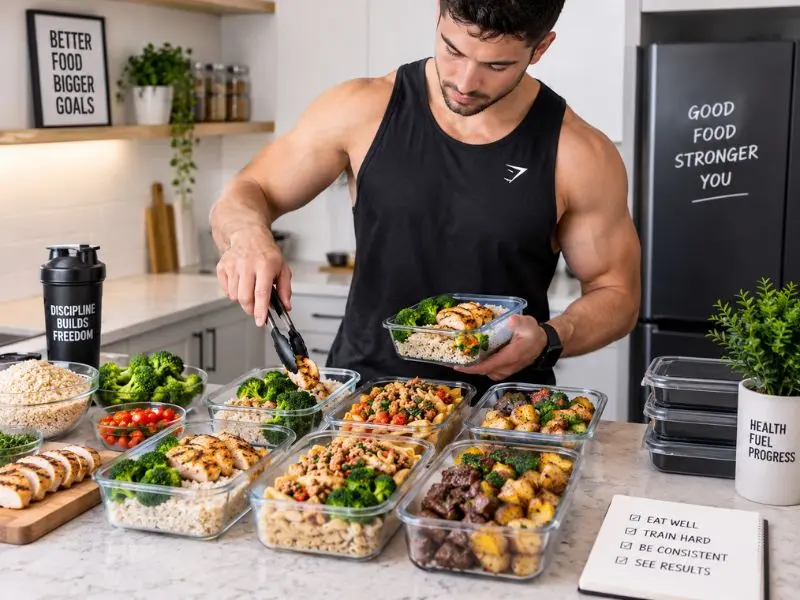
Meal preparation becomes much easier when you use a simple routine.
Pick Two Main Proteins
Instead of preparing five different proteins, choose two for the first few days.
For example, prepare chicken and lean beef.
Choose Two Carbohydrates
Rice and potatoes can provide variety without making cooking complicated.
Add Several Vegetables
Frozen vegetables can be a convenient option when fresh produce is not practical.
Prepare Breakfast Separately
Overnight oats, eggs, Greek yogurt, and fruit can be prepared quickly without taking up much cooking time.
Use Simple Seasonings
Different seasonings can make the same basic ingredients taste completely different.
Try garlic, paprika, black pepper, herbs, chili, lemon, or low-sodium sauces.
Common Meal Prep Mistakes to Avoid
1. Making Every Meal Exactly the Same
Eating identical food every day can quickly become boring.
Use different sauces, spices, vegetables, and protein sources to add variety.
2. Focusing Only on Protein
Protein is important, but muscle-building nutrition also requires adequate calories, carbohydrates, fats, vitamins, minerals, and fiber.
Build balanced meals instead of treating protein as the only important nutrient.
3. Preparing Too Much Food
Cooking seven completely different days of meals at once can become overwhelming.
Start with three or four days of meals and prepare another batch later if needed.
4. Ignoring Food Storage
Prepared food needs proper storage and handling.
Follow food-safety guidance, refrigerate perishable foods promptly, and avoid keeping cooked food at unsafe temperatures for extended periods.
5. Eating the Same Portions Regardless of Progress
Your calorie needs may change as your body weight, training volume, and activity level change.
Monitor your progress and adjust portions when necessary.
6. Forgetting Flavor
Healthy food does not have to be bland.
Use herbs, spices, sauces, citrus, and different cooking methods to make meals enjoyable.
Expert Tips for Better Muscle Gain Meal Prep
Prep in Batches
Cooking several servings at once is usually more efficient than preparing individual meals every day.
Keep Emergency Foods Available
Keep convenient protein sources such as Greek yogurt, eggs, canned tuna, milk, or cottage cheese available for busy days.
Do Not Chase Perfection
Missing one meal or eating something different from your plan will not ruin your progress.
Return to your normal routine at the next meal.
Adjust Calories Gradually
If your goal is muscle gain, your total calorie intake matters.
If body weight and training performance are not changing as expected, you may need to review your food portions rather than simply adding more protein.
Combine Meal Prep With Resistance Training
Nutrition works alongside training.
A progressive resistance-training program gives your muscles the stimulus needed for adaptation, while sufficient food and recovery provide the resources to support that process.
Prioritize Sleep
Recovery is an important part of muscle development.
Aim for a consistent sleep schedule and give your body enough recovery between demanding workouts.
Stay Hydrated
Water supports normal body functions and exercise performance.
Keep water available throughout the day, especially around training sessions.
How to Make Meal Prep Easier on a Budget
You do not need expensive foods or specialty products to build a high-protein diet.
Buy staple foods in larger quantities when practical.
Rice, oats, potatoes, eggs, beans, lentils, frozen vegetables, canned tuna, chicken, and Greek yogurt can often form the foundation of an affordable meal plan.
Frozen vegetables can also reduce food waste because you can use only the amount you need.
Plan your meals before shopping. A simple shopping list can prevent unnecessary purchases and make it easier to stay within your food budget.
Another useful strategy is to cook foods that can be used in multiple meals.
For example, cooked chicken can be added to rice bowls, wraps, salads, or pasta.
When Should You Eat Your Prepared Meals?
There is no single perfect meal schedule for everyone.
Some people prefer three larger meals, while others feel better eating four or five smaller meals.
The most important factor is creating a daily eating pattern that helps you consistently meet your calorie and protein needs.
You can also place a protein-rich meal or snack around your workout if that fits your routine.
For example, Greek yogurt and fruit can be a convenient option before or after training.
However, you do not need to worry about eating within an extremely short window after exercise. Your overall daily nutrition matters more than obsessing over exact meal timing.
Can Meal Prep Help With Lean Muscle Gain?
Yes, meal preparation can support a lean muscle-building goal by making it easier to control food quality, protein intake, and total calories.
However, meal prep itself does not guarantee muscle growth.
Building muscle requires an effective resistance-training program, adequate nutrition, recovery, and consistency.
If you are trying to gain muscle while limiting unnecessary fat gain, monitor your progress over time rather than making large changes based on a single day.
You can track body weight, gym performance, measurements, and how your clothes fit.
If progress stalls, review your training and nutrition before making major changes.
Frequently Asked Questions
1. Is high protein meal prep good for muscle gain?
Yes, it can make meeting daily protein and calorie needs easier while supporting a consistent training diet.
2. How much protein should I eat to build muscle?
Many resistance-trained adults use about 1.6–2.2 grams of protein per kilogram of body weight daily.
3. What is the best protein for meal prep?
Chicken, turkey, lean beef, eggs, fish, Greek yogurt, cottage cheese, beans, and lentils are useful options.
4. How long does muscle gain meal prep last?
Prepared foods should be stored safely and used according to appropriate food-safety and storage guidance.
5. Can I build muscle without meal prepping?
Yes, but meal prep can make consistent protein and calorie intake easier for many people.
Conclusion
High protein meal prep for muscle gain can make your nutrition routine simpler, more consistent, and easier to manage. Focus on protein-rich foods, balanced carbohydrates and fats, enough total calories, regular resistance training, proper recovery, and meals you actually enjoy. A simple 7-day meal plan can make your meal prep routine easier to follow.
