
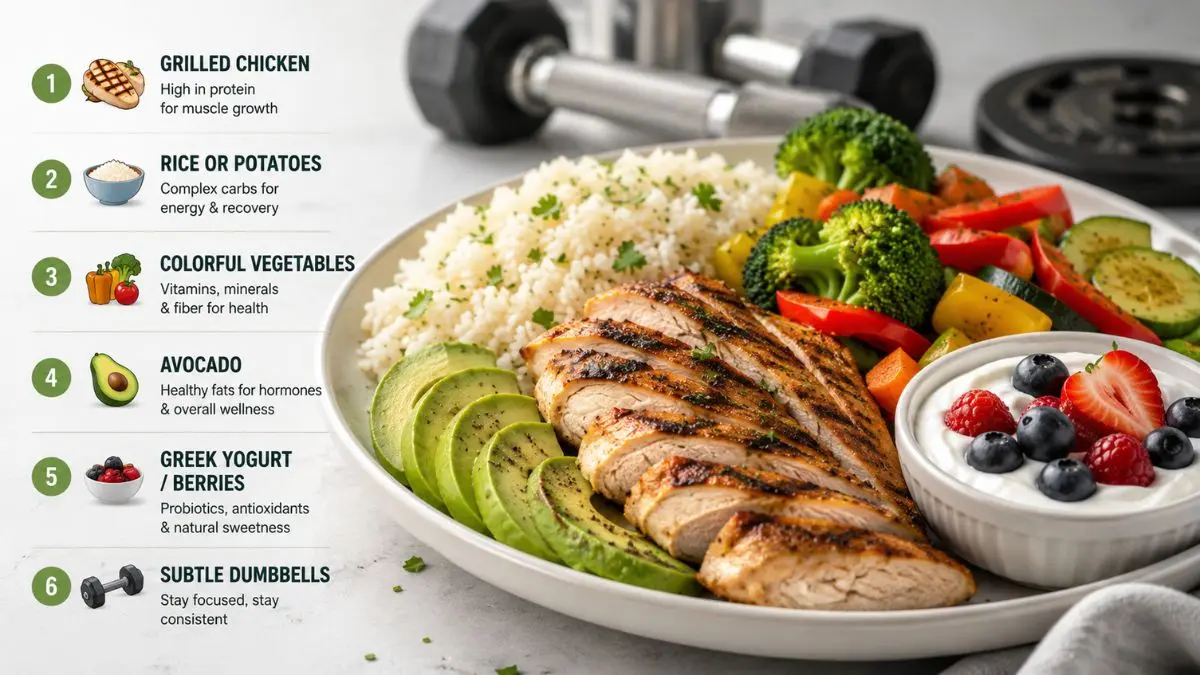
Losing body fat while building or maintaining muscle requires more than simply eating less. A lose fat gain muscle eating plan focuses on enough protein, sensible calories, nutritious foods, and consistent meals that support both fat loss and muscle growth.
The right approach does not need to be complicated. This guide explains how to build a practical fat loss muscle gain meal plan, how much protein and food to include, which foods work well, common mistakes to avoid, and how to adjust your meals as your body changes.
What Is a Lose Fat Gain Muscle Eating Plan?
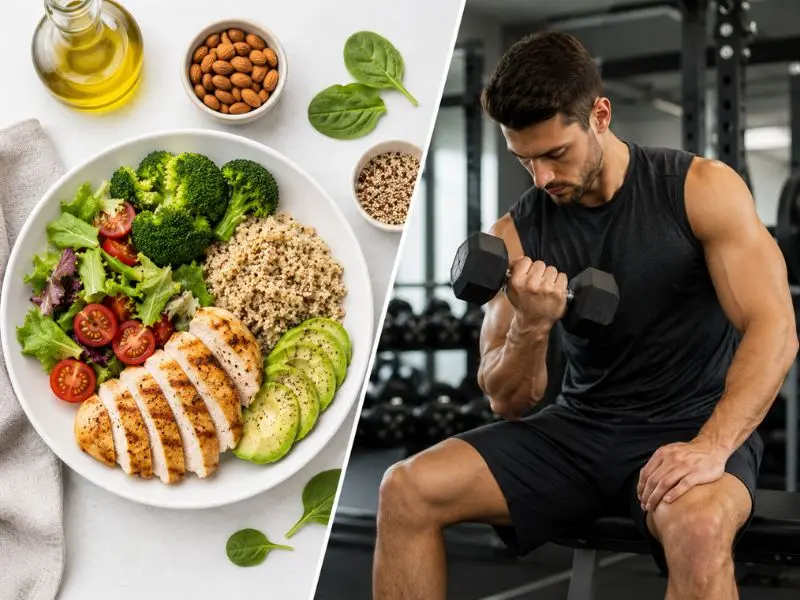
A lose fat gain muscle eating plan is a nutrition strategy designed to help reduce body fat while supporting muscle growth or muscle retention. It is sometimes called a body recomposition diet because the main goal is to improve body composition rather than simply make the number on the scale smaller.
The basic idea is to provide your body with enough protein and nutrients to support muscle while keeping calorie intake controlled enough to encourage fat loss.
For some people, especially beginners, people returning to resistance training, or those with higher body-fat levels, it may be possible to gain muscle and lose fat at the same time. More experienced lifters may find simultaneous progress slower and may need a more carefully controlled calorie intake.
A lose fat gain muscle eating plan includes lean protein, vegetables, fruits, whole grains, healthy fats, and enough carbs for training.
What Does Body Recomposition Mean?
Body recomposition means changing the ratio of fat to lean tissue in your body. Ideally, you lose fat while maintaining or gaining muscle.
This means the scale may not always move quickly. You could lose inches around your waist while your body weight changes only slightly because your body composition is improving.
Progress should therefore be measured using more than body weight. A lose fat gain muscle eating plan can track progress through waist size, photos, strength, and clothing fit.
Why Is a Lose Fat Gain Muscle Eating Plan Important?
A calorie-restricted diet can help reduce body fat, but eating too little or ignoring protein can make it harder to maintain muscle. A well-planned approach gives your body the nutrients needed for training and recovery while keeping calories under reasonable control.
A high protein diet for fat loss and muscle gain supports muscle during body recomposition.
Protein provides amino acids that help repair and build muscle tissue. Resistance training then gives your muscles a reason to adapt and become stronger.
A balanced eating plan also makes your diet easier to maintain. Meals that include protein, fiber, and nutrient-rich foods can be more satisfying than a diet based mainly on highly processed foods.
Your goal should not be to eat as little as possible. The goal is to create a nutrition routine that supports gradual fat loss without unnecessarily sacrificing muscle, energy, or workout performance.
How Does a Lose Fat Gain Muscle Eating Plan Work?
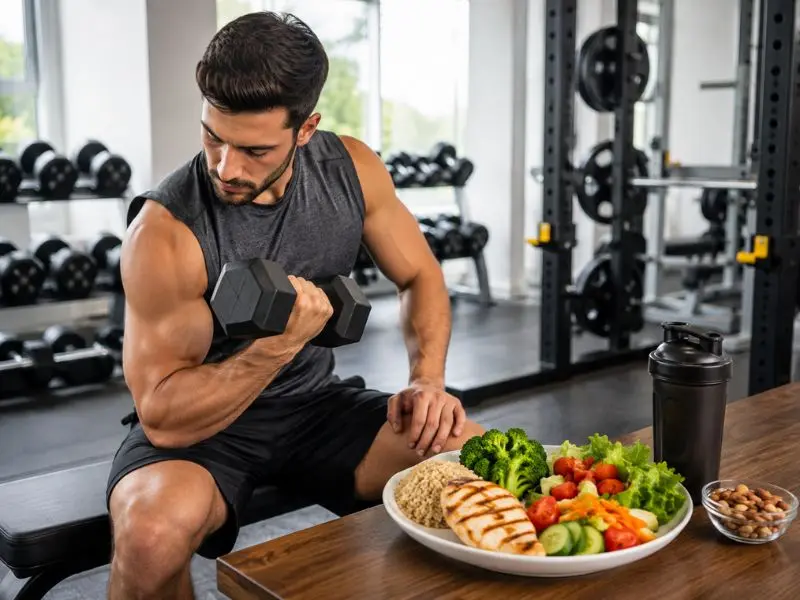
A lose fat gain muscle eating plan generally works by combining a modest calorie deficit with adequate protein and regular resistance training.
Your body needs energy to perform daily activities and exercise. If you consistently consume fewer calories than you use, your body can draw on stored energy, which can contribute to fat loss.
A lose fat gain muscle eating plan with resistance training and enough protein helps build and maintain muscle.
1. Create a Modest Calorie Deficit
A small calorie deficit is usually more practical than an aggressive diet when muscle retention is a priority.
A large deficit may produce faster scale changes, but it can also make hunger, fatigue, and poor workout performance more likely. Your individual calorie needs depend on factors such as age, sex, body size, activity level, and training.
Avoid very low calories; choose a reasonable target and track your lose fat gain muscle eating plan progress.
2. Prioritize Protein
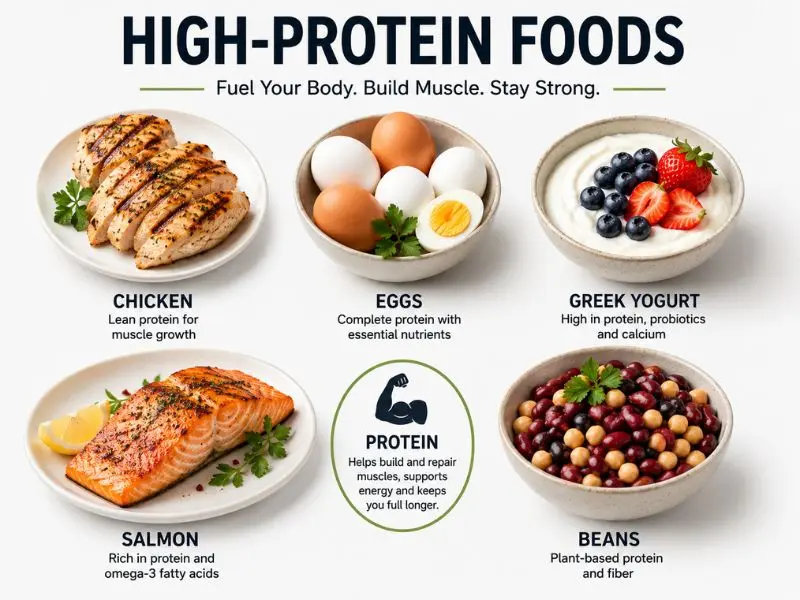
Protein should be included throughout the day rather than saved for one large meal.
Good choices include chicken, turkey, lean beef, fish, eggs, Greek yogurt, cottage cheese, tofu, tempeh, beans, lentils, and protein-rich dairy products.
For many active adults, a daily protein intake around 1.6–2.2 grams per kilogram of body weight can be a useful range when building or preserving muscle, although individual needs vary.
3. Include Carbohydrates
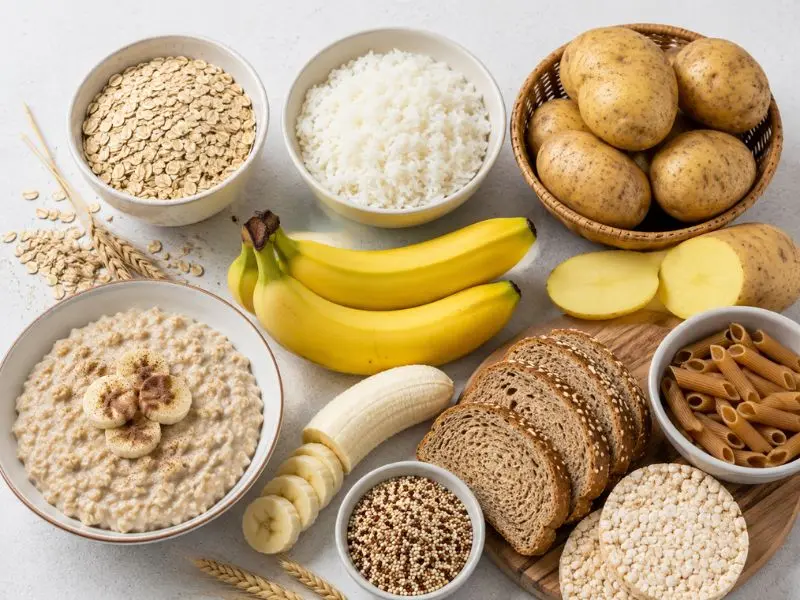
Carbohydrates are not something you need to eliminate to lose fat.
Foods such as oats, potatoes, rice, whole-grain bread, beans, fruit, and whole grains can provide energy for exercise and daily activity.
Carbs around workouts can support a lose fat gain muscle eating plan and improve training energy.
4. Choose Healthy Fats
Fat supports normal body functions and helps your meals feel satisfying.
Include foods such as avocado, nuts, seeds, olive oil, natural nut butter, and fatty fish. Because fat is calorie-dense, portion control matters in a lose fat gain muscle eating plan.
5. Eat Plenty of Fiber-Rich Foods
Vegetables, fruits, beans, lentils, and whole grains can add fiber and volume to meals.
Vegetables and lean protein can make a lose fat gain muscle eating plan more filling with fewer calories.
Benefits of a Lose Fat Gain Muscle Eating Plan
A well-designed lose fat gain muscle eating plan can provide several practical benefits.
- Supports muscle retention: Adequate protein and resistance training can help preserve lean tissue during fat loss.
- Supports strength: Enough food and protein can help you train consistently.
- Improves meal quality: Planning meals encourages more nutrient-dense food choices.
- Helps manage hunger: Protein, fiber, and high-volume foods can make a calorie-controlled diet easier to follow.
- Supports body recomposition: Losing fat while maintaining or gaining muscle can improve overall body composition.
- Creates sustainable habits: A balanced approach is generally easier to maintain than extreme dieting.
The results will vary from person to person. Genetics, training experience, sleep, calorie intake, protein intake, stress, and consistency can all influence progress.
Best Foods for a Fat Loss Muscle Gain Meal Plan
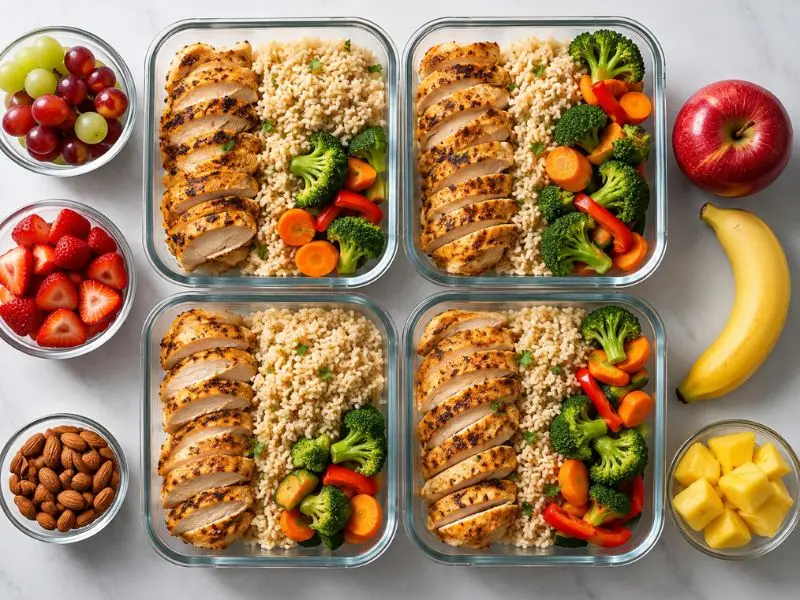
The best foods for a fat loss muscle gain meal plan are not special fat-burning foods. They are mostly simple, nutrient-rich foods that make it easier to control calories while meeting protein and nutrient needs.
Lean Protein Sources
Choose protein foods that fit your calorie needs and personal preferences.
Good options include:
- Chicken breast
- Turkey
- Lean ground beef
- Tuna
- Salmon
- Shrimp
- Eggs and egg whites
- Greek yogurt
- Cottage cheese
- Low-fat milk
- Tofu
- Tempeh
- Lentils
- Beans
You do not need to eat the same protein every day. Rotating different sources can make your diet more enjoyable.
Smart Carbohydrate Choices
Carbohydrates can support training and provide energy.
Useful choices include:
- Oatmeal
- Brown or white rice
- Potatoes
- Sweet potatoes
- Quinoa
- Whole-grain bread
- Whole-grain pasta
- Beans
- Lentils
- Bananas
- Berries
- Apples
- Oranges
There is no requirement to choose only brown rice, sweet potatoes, or other “diet” foods. Portion size and your overall calorie intake matter more.
Healthy Fat Sources
Include moderate portions of:
- Avocado
- Almonds
- Walnuts
- Chia seeds
- Flaxseeds
- Peanut butter
- Olive oil
- Salmon
Measuring calorie-dense fats can help keep your lose fat gain muscle eating plan on track.
How to Build a Body Recomposition Meal Plan
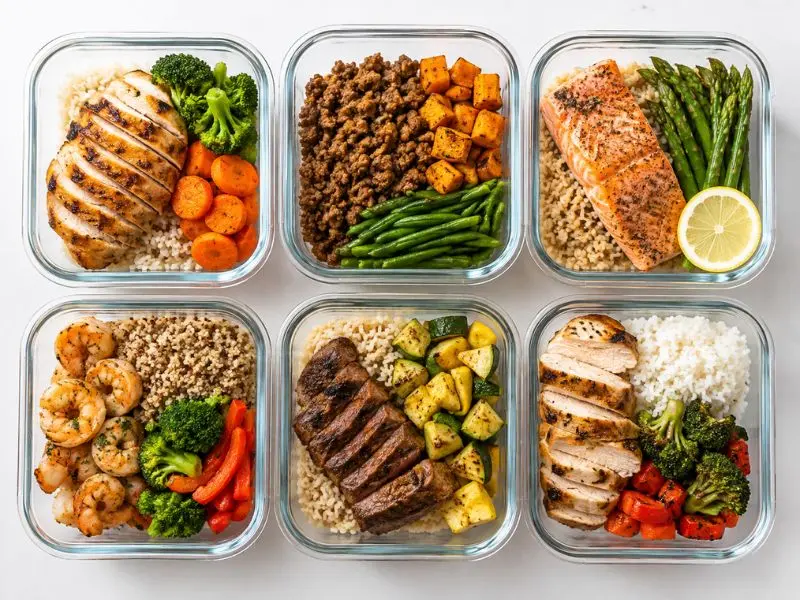
A simple body recomposition meal plan can be built by giving each main meal a protein source, a vegetable or fruit, a carbohydrate source, and a moderate amount of healthy fat.
For example, breakfast could include eggs, oatmeal, berries, and Greek yogurt. Lunch might include grilled chicken, rice, vegetables, and a small amount of avocado.
Dinner could contain salmon, potatoes, and a large serving of vegetables. A snack could be Greek yogurt with fruit or cottage cheese with berries.
You do not have to follow these exact foods. The key is following a balanced lose fat gain muscle eating plan.
Example 1-Day Eating Plan
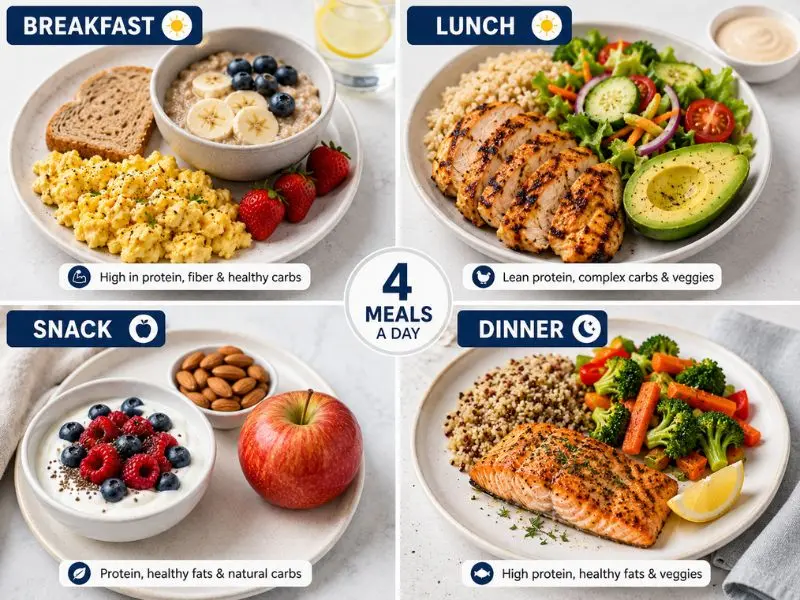
Breakfast:
Eggs, oatmeal, berries, and Greek yogurt.
Lunch:
Grilled chicken breast, rice, mixed vegetables, and avocado.
Snack:
Greek yogurt with a banana and a small serving of nuts.
Dinner:
Salmon, roasted potatoes, broccoli, and a side salad.
Optional post-workout snack:
A protein shake and fruit if needed to help meet your daily protein target.
This is an example rather than a fixed calorie prescription. Portions should be adjusted according to your calorie needs, hunger, activity level, and goals.
High Protein Diet for Fat Loss and Muscle Gain
A high protein diet for fat loss and muscle gain can be useful because protein supports muscle repair and can make meals more filling.
Instead of trying to get most of your protein from one meal, spread it across breakfast, lunch, dinner, and snacks.
For example, someone who needs approximately 140 grams of protein per day could divide that amount across four eating occasions rather than eating almost all of it at dinner.
Protein shakes can be convenient, but they are not required. Whole foods can provide plenty of protein when your diet is planned appropriately.
Use protein powder as a convenient option, not a replacement for a balanced lose fat gain muscle eating plan.
Comparison Table: Foods for Body Recomposition
| Food | Approx. Protein | Main Benefit | Best Use |
| Chicken breast | 30 g per 4 oz | Lean protein | Lunch or dinner |
| Salmon | 25 g per 4 oz | Protein plus healthy fats | Dinner |
| Greek yogurt | 15–20 g per serving | Protein and convenience | Breakfast or snack |
| Eggs | 6 g each | Protein and nutrients | Breakfast |
| Lentils | 18 g per cooked cup | Protein and fiber | Lunch or dinner |
| Cottage cheese | 20–25 g per cup | High-protein snack | Snack |
| Tofu | 15–20 g per serving | Plant-based protein | Lunch or dinner |
| Tuna | 25–30 g per 4 oz | Lean protein | Lunch |
Protein values vary by brand, preparation method, and serving size, so check the nutrition label when accuracy matters.
Meal Timing and Muscle Growth
Meal timing matters less than your total daily nutrition, but spreading protein across the day can be a practical strategy.
Try to include a meaningful protein source at each main meal. This makes it easier to reach your daily target without relying on one very large serving.
Eating before exercise can also provide energy for your workout. A meal containing protein and carbohydrates a few hours before training may work well.
After training, another protein-containing meal or snack can support your overall daily protein intake. You do not need a shake right after training to follow a lose fat gain muscle eating plan.
Common Mistakes
Even a good lose fat gain muscle eating plan can fail when basic mistakes make it difficult to maintain.
Eating Too Few Calories
Cutting calories too aggressively can leave you tired and hungry and may make training harder.
Start with a moderate approach and adjust based on your actual progress.
Not Eating Enough Protein
A diet can be low in protein even when calories are controlled.
Include a protein-rich food in every main meal and use snacks when needed to reach your daily target.
Avoiding All Carbohydrates
Carbohydrates can be useful for training performance and daily energy.
Instead of removing them completely, focus on appropriate portions and higher-quality carbohydrate sources.
Eating Too Much Healthy Food
Healthy foods still contain calories. Nuts, oils, avocado, and nut butter can be nutritious but easy to overeat.
Pay attention to portions when fat loss is the goal.
Changing the Plan Too Often
Daily scale changes do not necessarily represent changes in body fat.
Give your plan enough time to evaluate trends before making major adjustments.
Ignoring Strength Training
Nutrition alone cannot provide the same muscle-building stimulus as progressive resistance training.
Combine your eating plan with a structured strength-training routine.
Expert Tips for Better Results

A few simple habits can make your lose fat gain muscle eating plan easier to follow.
Plan protein first. When preparing a meal, choose the protein source before deciding on the rest of the plate.
Build balanced meals. Combine protein, vegetables or fruit, carbohydrates, and a moderate amount of fat.
Keep easy foods available. Cooked chicken, Greek yogurt, eggs, fruit, frozen vegetables, and canned tuna can make healthy meals easier when you are busy.
Track your progress. Use weekly body-weight averages, waist measurements, photos, and gym performance rather than relying on one day’s scale reading.
Adjust slowly. If your weight and measurements are not changing after several weeks, make a small adjustment rather than drastically reducing food.
Prioritize resistance training. Progressive strength training gives your body a reason to maintain or build muscle.
Sleep consistently. Recovery is an important part of training progress and body composition.
Stay flexible. You can include favorite foods in reasonable portions while still following a nutritious eating plan.
Frequently Asked Questions
Can a lose fat gain muscle eating plan work for beginners?
Yes, beginners may be able to lose fat and gain muscle when nutrition and resistance training are well managed.
How much protein should I eat for body recomposition?
Many active adults use about 1.6–2.2 g of protein per kg of body weight daily, depending on individual needs.
Can I eat carbs while trying to lose fat?
Yes, carbohydrates can fit into a calorie-controlled diet and may help support exercise performance.
Do I need protein shakes to build muscle?
No, protein shakes are optional and mainly provide a convenient way to increase daily protein intake.
How long does body recomposition take?
Progress varies, but noticeable changes often require several weeks or months of consistent nutrition and training.
Conclusion
A lose fat gain muscle eating plan should focus on a modest calorie deficit, adequate protein, balanced carbohydrates and fats, nutrient-rich foods, resistance training, and consistent recovery. Instead of following extreme diets, you can learn more about best supplements and build meals you can realistically maintain while adjusting portions as your body composition and performance change.
