

Gaining muscle while keeping body fat under control is possible, but it requires more than simply eating as much as possible. If you want to learn how to gain muscle mass without fat, the goal is to create the right environment for muscle growth through resistance training, adequate protein, a small calorie surplus, and proper recovery. For more information about peptide-based approaches to weight management, see peptides for weight loss.
This guide explains how lean muscle gain works, how much to eat, which foods to prioritize, how to structure your workouts, and how to monitor your progress. You will also learn why lean bulking is different from a traditional bulk and what to do when your weight or body composition is not moving in the direction you want.
What Does It Mean to Gain Muscle Mass Without Fat?
The phrase how to gain muscle mass without fat describes an approach to muscle building that focuses on maximizing muscle growth while minimizing unnecessary fat gain. It does not mean that gaining body fat is completely impossible. Some people will gain a small amount of fat while building muscle, especially when eating in a calorie surplus.
The goal is to keep that fat gain as low as reasonably possible.
A traditional bulk may involve eating a large calorie surplus to encourage faster weight gain. While this can support muscle growth, the extra calories can also lead to more body fat. A lean-bulking approach uses a smaller surplus and relies on progressive strength training, sufficient protein, and consistent recovery.
This strategy may be useful for:
- Beginners who want to build muscle without gaining excessive fat
- Intermediate lifters who want controlled muscle growth
- People who are already relatively lean
- Lifters returning to training after a break
- Anyone who prefers gradual changes in body composition
Your starting point matters. Someone with very little training experience may build muscle relatively quickly, while an experienced lifter usually needs more time and careful planning.
It is also helpful to understand that muscle growth is a gradual process. You cannot completely control whether every pound gained is muscle. Genetics, training experience, hormones, nutrition, sleep, and starting body composition can all influence the outcome.
Why Is How to Gain Muscle Mass Without Fat Important?
The main advantage of a controlled muscle-building approach is that it can help you improve your physique without creating a large amount of extra fat that may later need to be lost.
A very aggressive calorie surplus can make the scale move quickly, but faster weight gain does not necessarily mean faster muscle gain. Your muscles have a limited capacity to grow, so eating substantially more food does not automatically produce proportionally more muscle.
A moderate approach to how to gain muscle mass without fat gives you better control over your progress.
Better control over body composition
When you gain weight slowly, it is easier to determine whether your nutrition plan is working. If your waist measurement rises quickly while strength and muscle measurements barely change, your calorie surplus may be larger than necessary.
Easier transition later
If you eventually want to reduce body fat, starting with a smaller amount of accumulated fat can make a future cutting phase shorter and easier to manage.
More sustainable eating
A lean-bulking diet does not require enormous meals or constant overeating. You can build your diet around normal foods while adding enough calories to support training and recovery.
Better focus on performance
Instead of judging progress only by the scale, you can track strength, repetitions, measurements, photos, and workout performance. These markers give you a clearer picture of whether you are actually progressing.
How Do You Gain Muscle Mass Without Fat Work?
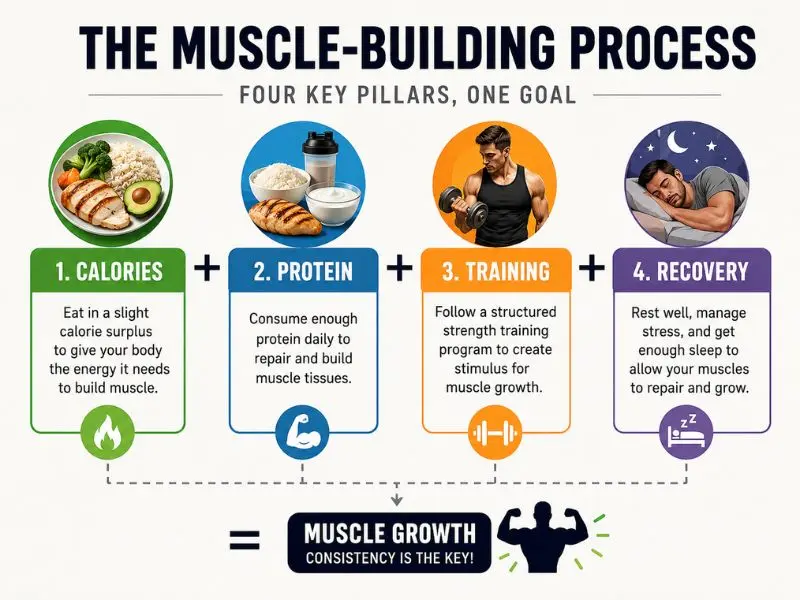
Building muscle requires a combination of mechanical tension from resistance training, enough nutrition to support recovery, and adequate rest. The process is not based on one food or one exercise.
Think of it as a system with several parts.
1. Create a small calorie surplus
Muscle growth requires energy, but you do not need a huge surplus.
A practical starting point for many people is a modest calorie surplus of roughly 100–300 calories per day. Your ideal amount depends on your size, activity level, training experience, and current body composition.
If your body weight is not increasing after several weeks and your training performance is also stagnant, you may need slightly more food.
If your weight is increasing rapidly and your waist measurement is climbing quickly, reduce your calorie intake slightly.
The goal of how to gain muscle mass without fat is to make controlled progress rather than simply maximizing your scale weight.
2. Eat enough protein
Protein helps provide the building blocks your body needs to repair and grow muscle after training.
For people who regularly perform resistance training, a daily protein intake around 1.6 — 2.2 grams per kilogram of body weight is a commonly used evidence-based range.
For example, a person weighing 75 kg could aim for approximately 120–165 grams of protein per day.
You don’t need to reach the exact same protein target every day; staying consistent over time matters more. Consistency over time matters more than perfection.
Good protein sources include:
- Chicken breast
- Turkey
- Lean beef
- Fish
- Eggs
- Greek yogurt
- Cottage cheese
- Milk
- Whey or other protein powders
- Tofu
- Beans and lentils
3. Prioritize progressive resistance training
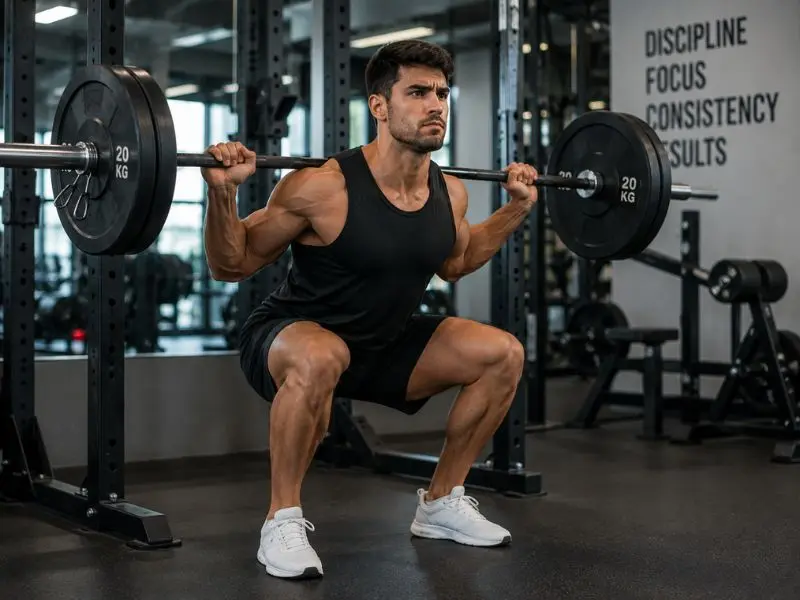
Nutrition provides the building materials, but training gives your body a reason to adapt.
Progressive overload means gradually increasing the challenge placed on your muscles. This may involve adding weight, increasing repetitions, improving technique, adding sets, or making another controlled progression.
For example, if you can perform 8 repetitions of a bench press with good form this week, you might work toward 9 or 10 repetitions before increasing the weight.
The goal is not to lift heavier weights at any cost. Good technique and controlled progression should come first when learning how to gain muscle mass without fat.
4. Give your muscles enough recovery
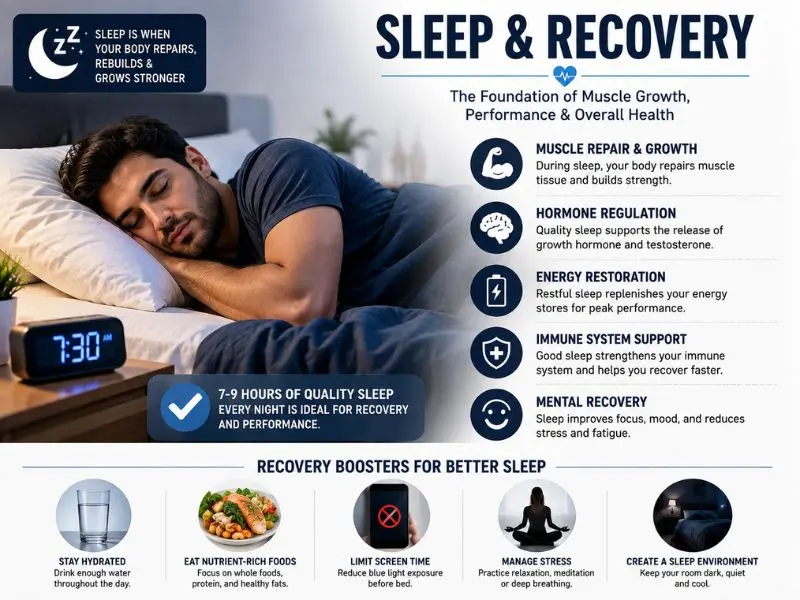
Muscle growth does not happen only during the workout. Your body needs adequate recovery between training sessions.
Sleep is especially valuable. Adults generally need 7–9 hours of sleep each night.
Recovery also includes:
- Rest days
- Enough calories
- Adequate protein
- Managing training volume
- Staying hydrated
- Limiting unnecessary stress when possible
Training harder is not always better if your body cannot recover from the workload.
Benefits of Lean Muscle Gain
A well-planned muscle-building phase can provide several practical benefits beyond simply increasing the number on the scale.
Improved strength
Progressive resistance training can increase your ability to perform everyday movements and structured exercises.
Better muscle definition over time
Building muscle while controlling fat gain can create a more muscular appearance without requiring a large increase in body weight.
More predictable progress
A controlled calorie surplus makes it easier to adjust your nutrition when your body weight or waist measurement changes too quickly.
Greater flexibility with food
A balanced muscle-building diet can include carbohydrates, fats, protein, fruits, vegetables, and foods you enjoy. You do not need to rely exclusively on “clean” foods.
Better training performance
Adequate calories and carbohydrates can support demanding workouts, especially when training volume is high.
However, these benefits depend on consistency. Eating well for a few days or training hard for a couple of weeks will not produce a major transformation.
Best Ways to Follow How to Gain Muscle Mass Without Fat
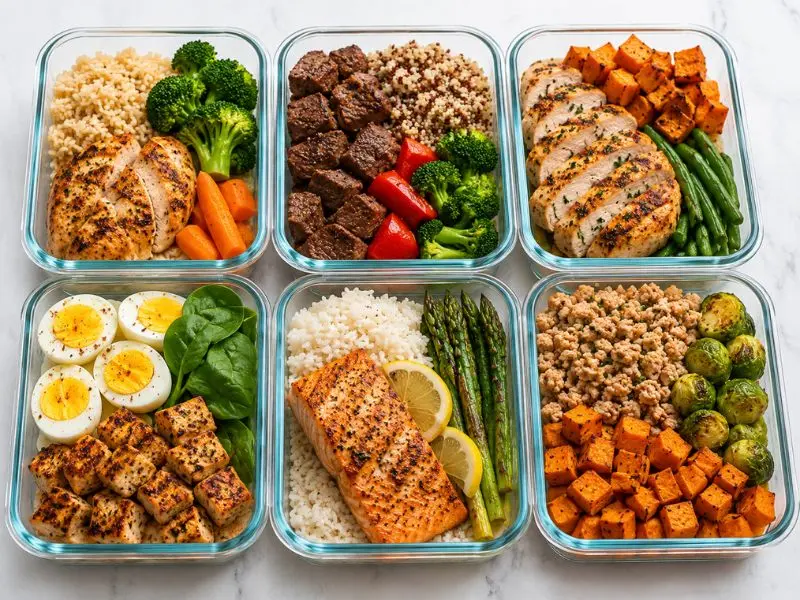
If your goal is controlled muscle growth, focus on the basics before worrying about complicated supplements or advanced techniques.
Build your meals around protein
Try to include a meaningful protein source in each main meal.
For example:
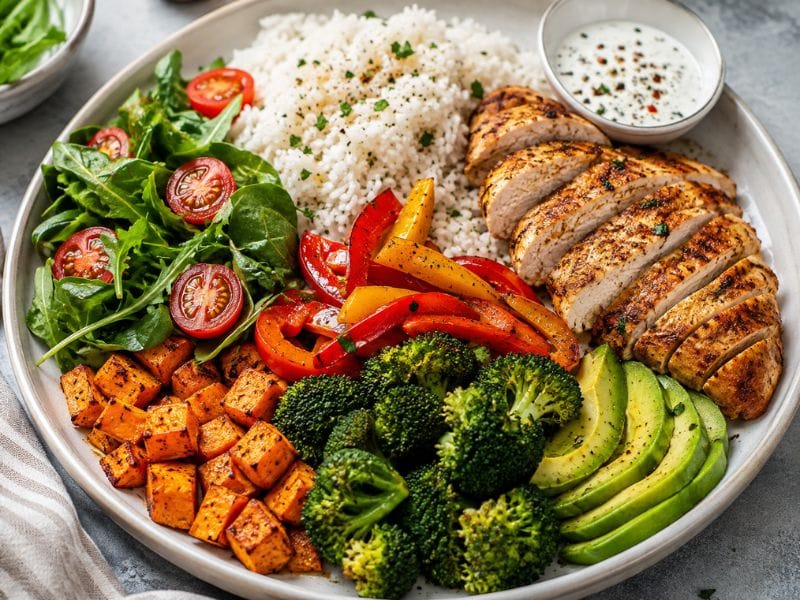
Breakfast: Eggs, whole-grain toast, fruit, and Greek yogurt
Lunch: Chicken, rice, vegetables, and olive oil
Snack: Greek yogurt with berries and nuts
Dinner: Lean beef, potatoes, vegetables, and avocado
Post-workout option: Milk and a protein shake with fruit
Adjust your portion sizes based on your daily calorie and protein needs for how to gain muscle mass without fat.
Use carbohydrates to support training
Carbohydrates are not the enemy when your goal is lean muscle gain. Foods such as rice, potatoes, oats, whole-grain bread, pasta, fruit, and beans can provide useful energy for resistance training.
If you train intensely, placing some carbohydrates around your workout may help you feel more prepared for training.
Include healthy dietary fats
Fat is also part of a balanced diet.
Useful sources include:
- Avocados
- Nuts
- Seeds
- Olive oil
- Fatty fish
- Natural nut butters
- Whole eggs
You do not need to eliminate dietary fat to stay lean.
Follow a structured strength training plan
A good muscle-building program should train the major muscle groups consistently.
Depending on your schedule, you might use:
- Full-body training three days per week
- Upper/lower training four days per week
- Push/pull/legs training
- Another structured resistance training routine
Choose a schedule you can maintain. A theoretically perfect program is not useful for how to gain muscle mass without fat if you cannot follow it consistently.
Train close to muscular fatigue
You do not need to take every set to complete failure. However, your working sets should generally be challenging enough to stimulate adaptation.
Leave a small number of good-quality repetitions in reserve when appropriate, particularly on exercises where reaching failure could compromise technique.
Track your progress
One of the easiest ways to learn how to gain muscle mass without fat is to monitor multiple measurements instead of relying on body weight alone.
Track:
- Weekly average body weight
- Waist measurement
- Strength levels
- Repetitions
- Training volume
- Progress photos
- How your clothes fit
Take measurements under similar conditions each time.
For example, weighing yourself after waking and using the bathroom can provide more consistent data than weighing yourself randomly throughout the day.
Adjust calories slowly
Suppose you begin eating in a modest surplus but your average weight does not change for several weeks.
You could add a small amount of food, such as an additional serving of rice, oats, milk, fruit, or other calorie-dense food.
On the other hand, if your weight is increasing rapidly and your waist measurement is rising faster than expected, slightly reduce your calorie intake.
Small adjustments are usually easier to manage than major changes.
How to Gain Muscle Mass Without Fat: Food Choices That Help
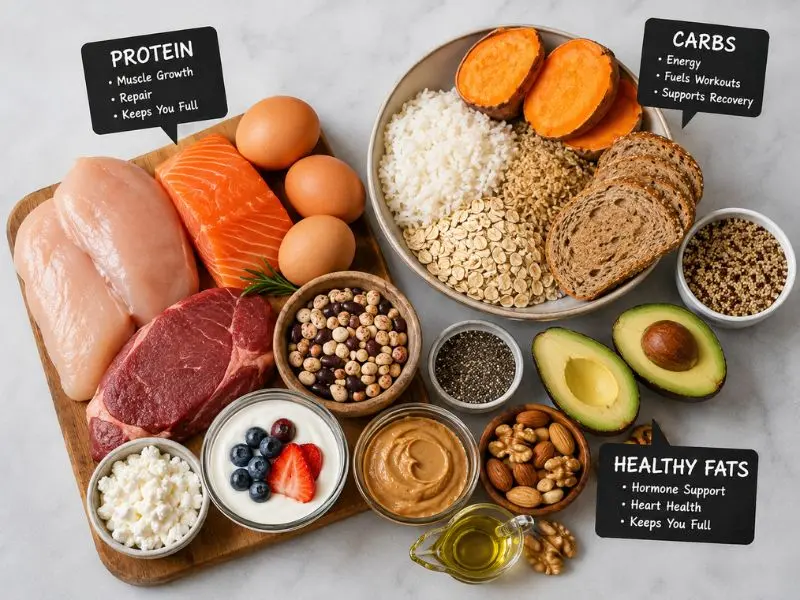
Food quality matters, but you do not need to label every food as “good” or “bad.”
The best diet for building muscle without gaining fat goals is one that gives you enough protein and calories while providing a wide variety of nutrients.
High-protein foods
Choose foods such as:
- Chicken
- Turkey
- Lean beef
- Fish
- Eggs
- Greek yogurt
- Cottage cheese
- Milk
- Tofu
- Lentils
- Beans
Carbohydrate sources
Useful options include:
- Oatmeal
- Rice
- Potatoes
- Sweet potatoes
- Whole-grain bread
- Pasta
- Quinoa
- Fruit
- Beans
Fat sources
Include moderate amounts of:
- Almonds
- Walnuts
- Peanut butter
- Avocado
- Olive oil
- Seeds
- Fatty fish
Vegetables and fruit
Do not overlook fruits and vegetables during a muscle-building phase. They provide fiber, vitamins, minerals, and other nutrients that contribute to an overall balanced diet.
A muscle-building diet does not have to be boring. You can create meals from foods you genuinely enjoy while keeping your overall calorie and protein intake appropriate.
How to Gain Muscle Mass Without Fat: Lean Bulking vs. Dirty Bulking
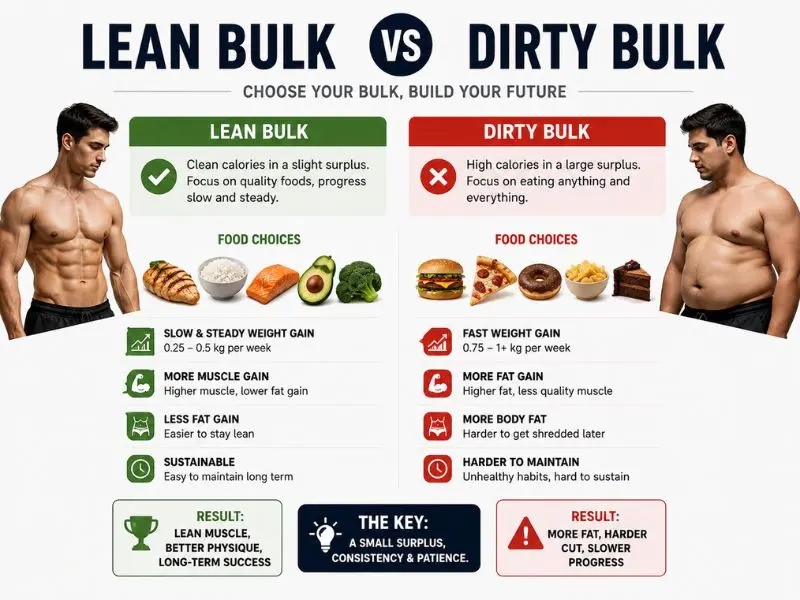
The difference between lean bulking and dirty bulking mainly comes down to how aggressively you increase calories.
| Approach | Calorie Strategy | Typical Focus | Fat-Gain Control | Best Use |
| Lean bulking | Small surplus | Muscle and strength | Higher | Controlled muscle growth |
| Moderate bulk | Moderate surplus | Muscle and body weight | Moderate | Faster weight gain |
| Dirty bulking | Large surplus | Maximum scale weight | Lower | Generally unnecessary |
| Maintenance/recomp | Around maintenance | Muscle with little weight change | High | Some beginners or higher-body-fat individuals |
| Cutting | Calorie deficit | Fat loss | High | Reducing body fat |
A dirty bulk may make the scale increase faster, but much of that additional weight can be fat rather than muscle.
For most people who care about body composition, a controlled surplus is a more practical choice.
Common Mistakes to Avoid
Eating too much
One of the biggest mistakes is assuming that more calories always mean more muscle.
Better approach: Start with a modest surplus and monitor your results.
Avoiding carbohydrates
Some people remove carbohydrates because they are afraid of gaining fat.
Better approach: Include nutritious carbohydrate sources and adjust portions according to your calorie needs.
Changing workouts constantly
Muscle growth requires repeated exposure to training. Changing exercises every week makes it harder to measure progression.
Better approach: Keep your main exercises for long enough to track meaningful progress.
Ignoring recovery
Training seven days a week is not automatically better than training four or five days.
Better approach: Give muscle groups appropriate recovery time and prioritize sleep.
Focusing only on protein
Protein is essential, but muscle growth also requires enough total calories and a balanced diet.
Better approach: Build your diet around protein, carbohydrates, healthy fats, fruits, and vegetables.
Expecting rapid muscle growth
Muscle development takes time. Beginners may see faster changes initially, while experienced lifters generally progress more slowly.
Better approach: Compare your progress over months rather than judging your results from one week to the next.
Depending on supplements
Protein powder can be convenient, but it is not a replacement for a well-structured diet.
Better approach: Protein powder can be convenient, but it is not a replacement for a well-structured diet. Use supplements when they solve a practical problem, such as helping you reach your daily protein target, while learning more about how to lose body fat
Expert Tips for Better Results
Set a realistic rate of weight gain
If your main priority is keeping fat gain low, avoid trying to gain several pounds every week.
A slower increase allows you to assess whether your training and nutrition are producing the type of progress you want.
Spread protein across the day
Instead of eating nearly all your protein at dinner, distribute protein-containing foods across several meals.
For many people, three to five protein-rich meals or snacks can be a practical way to reach their daily target.
Make your workouts measurable
Keep a training log. Record the exercise, weight, repetitions, and sets.
Over time, you should be able to see whether your performance is improving.
Do not fear small changes in body fat
Even with excellent planning, completely avoiding fat gain during a calorie surplus may not be realistic.
The goal is management, not perfection.
Use cardio strategically
Cardio can support cardiovascular fitness and overall activity without preventing muscle growth when appropriately programmed.
Moderate activities such as walking, cycling, or short cardio sessions can fit into a muscle-building routine.
However, very high amounts of endurance exercise may increase recovery demands, especially when combined with high-volume strength training.
Stay consistent with calories
Your body responds to what you do repeatedly. Constantly switching between overeating and aggressive dieting makes controlled muscle growth harder.
A steady approach is usually easier to evaluate.
Consider your starting body composition
If you already carry more body fat, you may not need a traditional calorie surplus. Some beginners and people returning to training can build muscle while eating around maintenance or in a modest deficit, particularly when resistance training and protein intake are well managed.
This is one reason there is no single calorie target that works for everyone.
Be patient with lean muscle gain
Muscle growth is a long-term project.
You may notice strength improvements before major visual changes. Photos, measurements, workout performance, and clothing fit can reveal progress that the scale does not show.
Get professional help when appropriate
If you have a medical condition, a history of disordered eating, or specific dietary restrictions, consider working with a qualified healthcare professional or registered dietitian before making major nutrition changes.
A personalized plan can account for factors that a general online guide cannot.
Frequently Asked Questions
Can you gain muscle without gaining any fat?
Completely avoiding fat gain during muscle growth is not guaranteed, but a small calorie surplus can help minimize unnecessary fat gain.
What is the best diet for lean muscle gain?
A balanced diet with adequate protein, enough calories, quality carbohydrates, healthy fats, fruits, and vegetables works well for most people.
Is lean bulking better than dirty bulking?
Lean bulking is generally a better choice for people who want to build muscle while keeping unnecessary fat gain under control.
How many calories should I eat to build muscle without fat?
Start with a modest calorie surplus and adjust it based on changes in body weight, waist measurement, training performance, and overall progress.
How to gain muscle mass without fat as a beginner?
Beginners should prioritize progressive resistance training, sufficient protein, adequate calories, good sleep, and gradual weight changes rather than aggressive bulking.
Conclusion
Learning how to gain muscle mass without fat is mainly about controlling your calorie surplus, eating enough protein, following progressive resistance training, recovering properly, and monitoring your results over time; a patient lean bulking approach can help you build muscle while keeping unnecessary fat gain to a minimum.
