
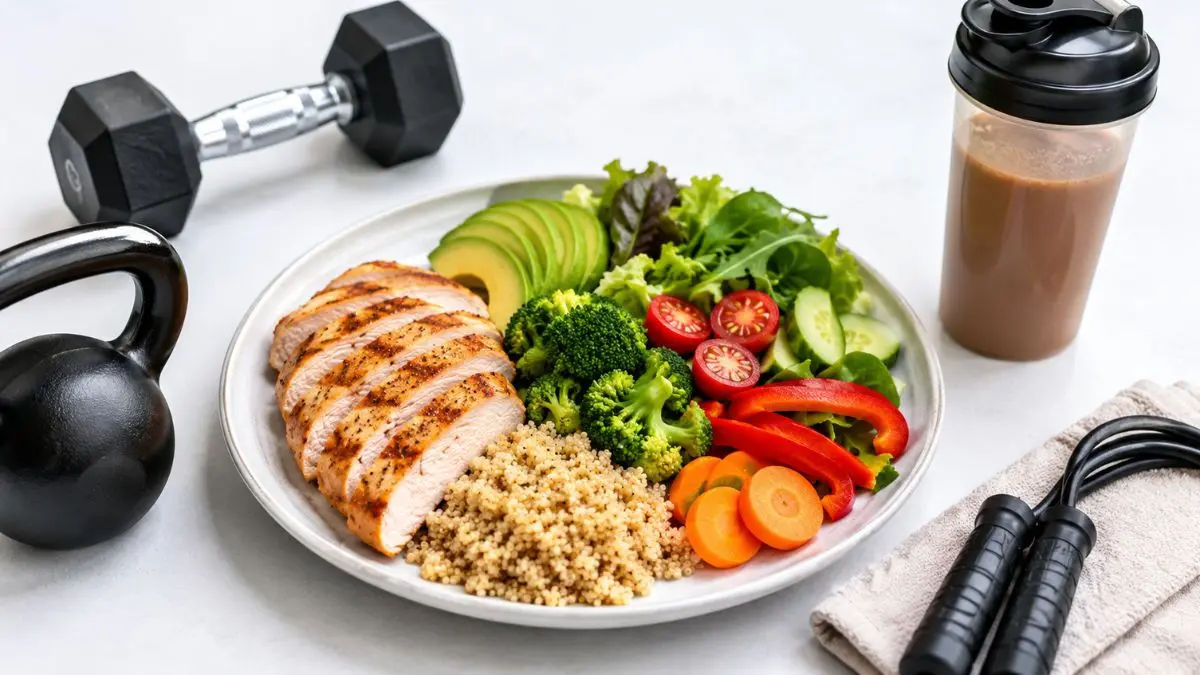
Losing body fat while building muscle can feel confusing, especially when many diets focus on only one goal. The good news is that healthy diets to lose weight and gain muscle can support both goals when they provide enough protein, balanced nutrition, and the right amount of calories.
A successful plan does not need to be extreme. You can build meals around lean protein, vegetables, fruits, whole grains, healthy fats, and other nutrient-rich foods while following a consistent strength-training routine. This guide explains how healthy diets to lose weight and gain muscle can help you build a practical nutrition plan, choose the right foods, and avoid common mistakes.
What Are Healthy Diets to Lose Weight and Gain Muscle?
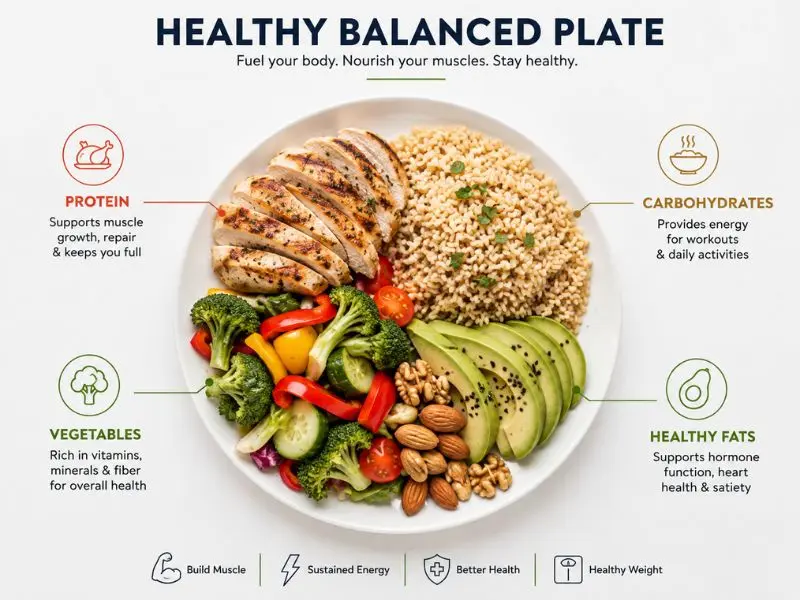
Healthy diets to lose weight and gain muscle are eating plans designed to provide enough nutrients and protein to support muscle growth while helping you manage your overall calorie intake.
The goal is not simply to eat as little as possible. A very aggressive calorie deficit may make it harder to train well, recover properly, and maintain muscle mass.
Instead, a balanced approach combines a moderate calorie deficit, sufficient protein, resistance training, and nutritious foods.
This approach is often called body re composition. Healthy diets to lose weight and gain muscle improve body composition by reducing fat while building lean muscle.
How Body Recomposition Works
Your body needs energy from food for daily activities and exercise. It also needs amino acids from protein to repair and build muscle tissue.
When you combine strength training with adequate protein and appropriate calorie intake, your body has the nutritional support needed for muscle repair and growth.
Results from healthy diets to lose weight and gain muscle vary from person to person. Beginners, people returning to training, and people with higher body-fat levels may sometimes see noticeable changes in both muscle and fat at the same time.
How to Build a Fat Loss Muscle Gain Diet
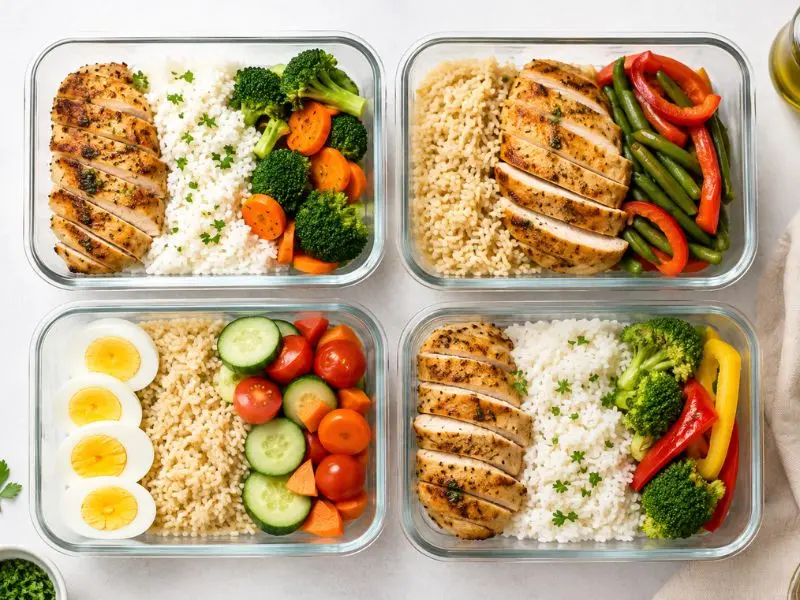
A good fat loss muscle gain diet does not have to be complicated. Start with a few basic principles and build your meals around them.
1. Eat Enough Protein
Protein is one of the most important nutrients for maintaining and building muscle.
Good protein choices include chicken breast, turkey, eggs, Greek yogurt, cottage cheese, fish, lean beef, tofu, beans, lentils, and protein-rich dairy products.
Healthy diets to lose weight and gain muscle include protein at each meal to help you reach your daily target.
2. Create a Moderate Calorie Deficit
If fat loss is your goal, you generally need to consume fewer calories than your body uses.
However, a large calorie deficit is not always better. Eating far too little can make workouts harder and may increase hunger and fatigue.
A moderate approach makes healthy diets to lose weight and gain muscle easier to maintain while supporting exercise and muscle retention.
3. Choose Nutrient-Dense Carbohydrates
Carbohydrates provide energy for training and daily activities.
Instead of avoiding carbs completely, choose foods such as oats, potatoes, sweet potatoes, brown rice, quinoa, whole-grain bread, beans, fruit, and vegetables.
These foods fit well into healthy diets to lose weight and gain muscle while providing carbs, fiber, vitamins, and minerals.
4. Include Healthy Fats
Healthy fats can help make meals satisfying and provide essential fatty acids.
Useful choices include avocado, olive oil, nuts, seeds, natural peanut butter, and fatty fish.
For healthy diets to lose weight and gain muscle, keep fat portions moderate because they are calorie-dense.
Best Foods for Muscle Growth
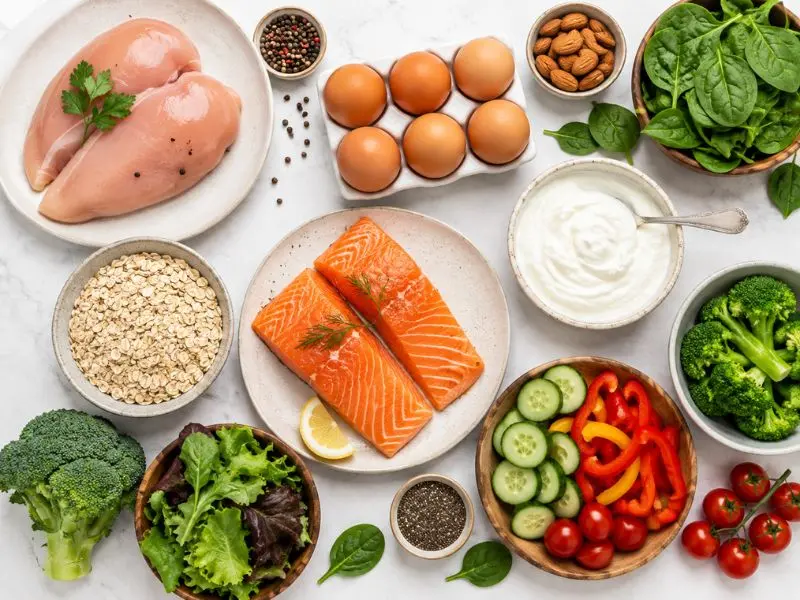
The best foods for muscle growth are not limited to expensive supplements or specialty products.Many simple foods in healthy diets to lose weight and gain muscle provide protein, carbs, healthy fats, vitamins, and minerals.
Lean Protein Foods
Examples include:
- Chicken breast
- Turkey
- Eggs
- Tuna
- Salmon
- Shrimp
- Lean beef
- Greek yogurt
- Cottage cheese
- Tofu
- Tempeh
- Lentils
- Beans
Carbohydrate-Rich Foods
Good options include oats, rice, potatoes, sweet potatoes, quinoa, whole-grain bread, fruit, and legumes.
Carbohydrates in healthy diets to lose weight and gain muscle provide useful energy for workouts.
Fruits and Vegetables
Fruits and vegetables add fiber and a wide range of vitamins and minerals to your diet.
Healthy diets to lose weight and gain muscle should include colorful fruits and vegetables throughout the week.
Healthy Fat Sources
Avocado, nuts, seeds, olive oil, and fatty fish can help add healthy fats to meals.
For healthy diets to lose weight and gain muscle, keep portions reasonable because these foods are calorie-dense.
High Protein Meal Plan for Fat Loss and Muscle Gain
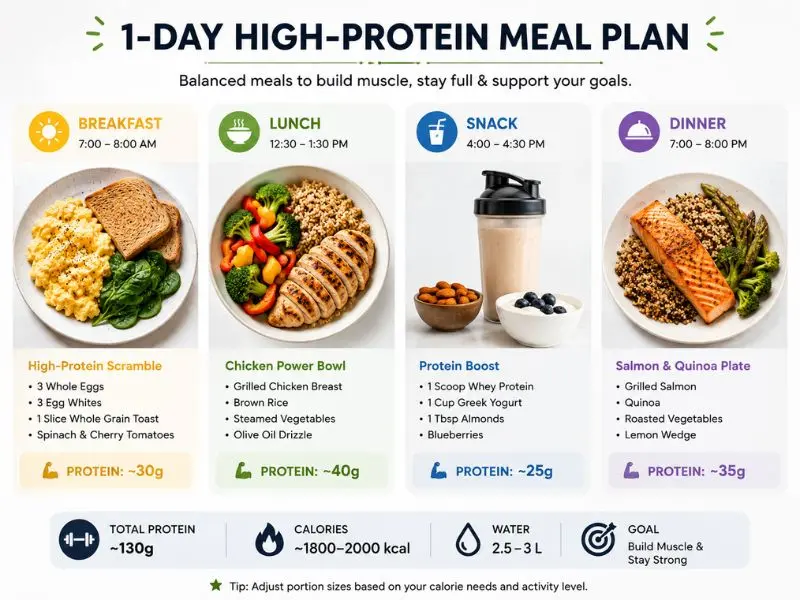
A high protein meal plan can make it easier to distribute protein throughout the day.
Here is a simple example:
| Meal | Example Foods | Main Benefit |
| Breakfast | Eggs, oatmeal, berries | Protein + energy |
| Snack | Greek yogurt and fruit | Protein + fiber |
| Lunch | Chicken, brown rice, vegetables | Balanced meal |
| Snack | Cottage cheese and fruit | Protein + nutrients |
| Dinner | Salmon, potatoes, salad | Protein + healthy fats |
This is only an example, not a fixed diet that everyone needs to follow.
You can adapt healthy diets to lose weight and gain muscle to your preferences, budget, and calorie needs.
Sample 7-Day Healthy Diet Approach
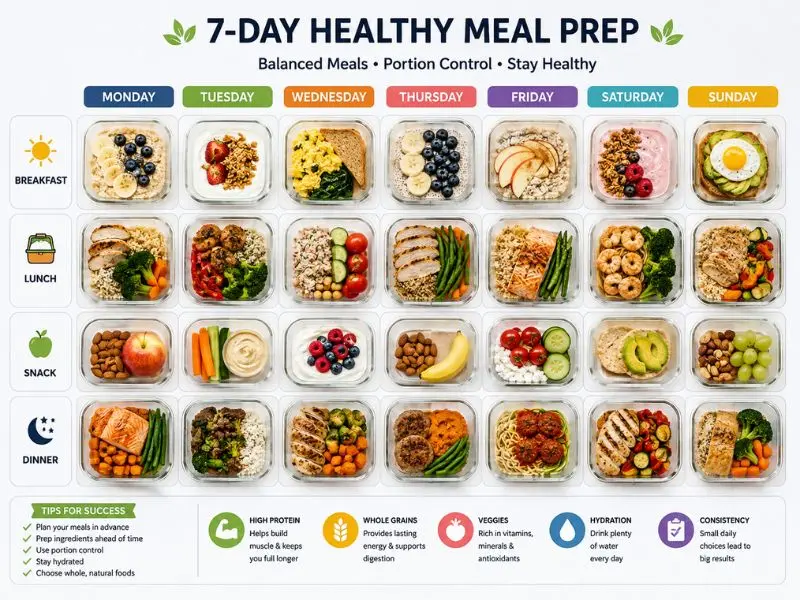
You do not need completely different meals every day. Repeating simple meals can make healthy eating easier.
Day 1
Breakfast can include eggs, oatmeal, and berries. For lunch, try grilled chicken with rice and vegetables. Dinner could be salmon with potatoes and a large salad.
Day 2
Start with Greek yogurt, fruit, and oats. Have turkey and a whole-grain wrap for lunch. For dinner, choose lean beef, sweet potato, and vegetables.
Day 3
Try eggs with whole-grain toast for breakfast. Lunch can include tuna, rice, and vegetables. Dinner could be chicken with quinoa and roasted vegetables.
Day 4
Have oatmeal with Greek yogurt and berries. For lunch, choose a chicken and vegetable bowl. Dinner can include lean beef, potatoes, and salad.
Day 5
Breakfast could be eggs, avocado, and whole-grain toast. Lunch can include turkey, brown rice, and vegetables. Dinner could be salmon with quinoa and broccoli.
Day 6
Try Greek yogurt with fruit and nuts for breakfast. Have grilled chicken with a baked potato for lunch. Dinner can include shrimp, rice, and vegetables.
Day 7
Start with an omelet and whole-grain toast. Lunch can be a lean beef and vegetable bowl. For dinner, try chicken, sweet potatoes, and a mixed salad.
You can also use healthy snacks such as fruit, Greek yogurt, cottage cheese, boiled eggs, or a protein shake when needed.
How Much Protein Do You Need?
Protein needs vary based on body size, activity level, training experience, age, and overall goals.
For people who regularly perform resistance training, a daily protein intake around 1.6 grams per kilogram of body weight is commonly used as a useful target, although individual needs can vary.
For example, someone weighing 75 kg could use about 120 grams of protein as a starting point.
You do not need to consume all your protein in one meal. Dividing it across breakfast, lunch, dinner, and snacks may make it easier to meet your daily intake.
If you have a medical condition, consult a healthcare professional before changing healthy diets to lose weight and gain muscle or increasing protein.
When Should You Eat for Muscle Growth?
Meal timing matters less than your total daily nutrition, but planning meals around workouts can still be useful.
Eating a meal containing protein and carbohydrates before training may provide energy for your workout.
After training, a meal containing protein can support the body’s normal muscle-repair process.
You do not need to drink a protein shake immediately after your final repetition. With healthy diets to lose weight and gain muscle, daily protein and calorie intake matter most.
Can You Lose Fat and Gain Muscle at the Same Time?
Yes, it is possible for some people to lose body fat while gaining or maintaining muscle, especially when nutrition and resistance training are well planned.
However, results depend on factors such as training experience, starting body composition, protein intake, sleep, calorie intake, and genetics.
This is why healthy diets to lose weight and gain muscle should focus on gradual progress rather than rapid changes.
Your scale weight may also change slowly because muscle and fat changes can occur at different rates.
With healthy diets to lose weight and gain muscle, track waist size, photos, strength, and how your clothes fit.
Common Mistakes to Avoid
Eating Too Few Calories
A severe calorie restriction may make your diet difficult to maintain and can negatively affect workout performance.
Focus on a manageable calorie deficit rather than trying to lose weight as quickly as possible.
Not Eating Enough Protein
A diet can be low in protein even when it contains plenty of food.
Include a quality protein source in most meals and snacks.
Avoiding Carbohydrates
Carbohydrates are not automatically responsible for weight gain.
Portion size and total calorie intake matter more. Whole-food carbohydrate sources can fit well into a muscle-building diet.
Doing Only Cardio
Cardio can support heart health and calorie expenditure, but resistance training is especially important when your goal includes building or maintaining muscle.
Changing the Plan Too Often
Muscle and fat changes take time.
Give your nutrition and training plan enough time to evaluate progress before making major changes.
Practical Tips for Better Results
Prepare Meals in Advance
Cooking several portions of chicken, rice, potatoes, vegetables, or other staple foods can make healthy eating easier during busy days.
Keep Protein-Rich Foods Available
Having Greek yogurt, eggs, cottage cheese, tuna, lean meat, tofu, or beans available can help you build balanced meals quickly.
Drink Enough Water
Water should be your main beverage in most situations. Staying hydrated can support normal physical performance and help you maintain good daily habits.
Track Progress Beyond the Scale
Body weight is useful, but it does not tell the whole story.
Track your strength, waist measurement, photos, and how consistently you follow your nutrition and training plan.
Prioritize Sleep
Recovery is an important part of muscle growth and fat loss. Aim for a consistent sleep schedule and give your body enough time to recover between demanding workouts.
What to Eat Before and After Workouts
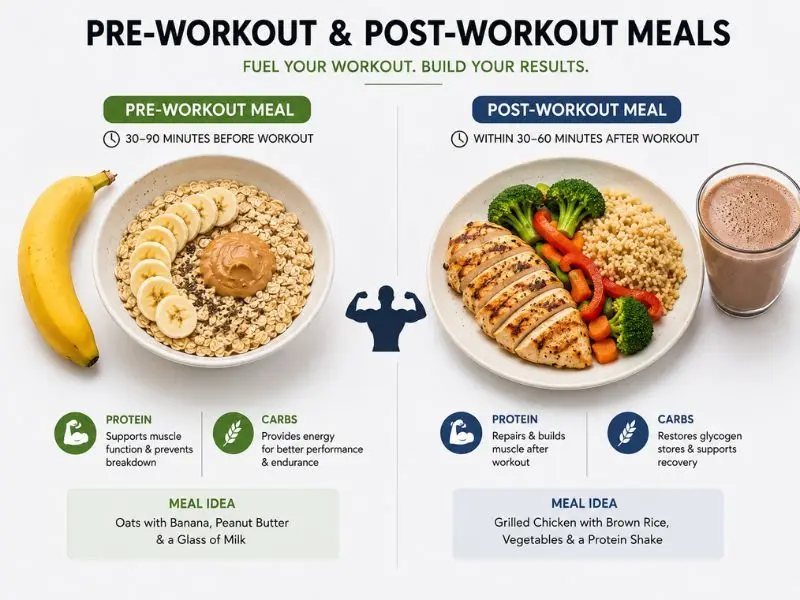
A pre-workout meal can include protein and carbohydrates.
For example, Greek yogurt with fruit, oatmeal with eggs, or chicken with rice can provide a combination of nutrients before training.
After your workout, choose another balanced meal containing protein and carbohydrates.
With healthy diets to lose weight and gain muscle, your overall eating pattern matters more than one pre- or post-workout food.
Supplements: Are They Necessary?
Supplements are optional and should not replace a balanced diet.
Protein powder can be useful if you have difficulty getting enough protein from food. Creatine monohydrate is another supplement with substantial research supporting its use for improving high-intensity exercise performance and supporting muscle gain when combined with resistance training.
However, supplements cannot replace adequate calories, protein, training, sleep, and consistent eating habits.
Choose products carefully and follow the serving instructions.
Who May Benefit Most From This Approach?
A balanced body-recomposition approach may work well for people who want to improve body composition without following an extreme diet.
It can be particularly useful for people who are new to resistance training or returning after a long break.
People who are already very lean or highly trained may need a more specialized nutrition strategy to continue gaining muscle while losing additional fat.
If you have a medical condition, are pregnant, or have special nutritional needs, seek advice from an appropriately qualified healthcare professional.
Frequently Asked Questions
Can I lose weight and build muscle at the same time?
Yes, some people can achieve both goals with resistance training, adequate protein, and an appropriate calorie intake.
What is the best diet for losing fat and gaining muscle?
A balanced diet with sufficient protein, nutrient-rich foods, and a manageable calorie deficit can support both goals.
What are the best foods for muscle growth?
Lean meats, fish, eggs, dairy, beans, lentils, tofu, whole grains, fruits, vegetables, and healthy fats are useful choices.
Is a high-protein diet good for fat loss?
Adequate protein can help support muscle maintenance and make meals more filling during a calorie-controlled diet.
Do I need supplements to gain muscle?
No, supplements are not required when you can meet your nutritional needs through a well balanced diet and consistent training.
Conclusion
The most effective healthy diets to lose weight and gain muscle focus on balance rather than extreme restriction. Eat enough protein, choose mostly nutrient dense foods, manage your calorie intake, perform regular resistance training, and give your body enough recovery time. With consistency and realistic expectations, these habits can help you gradually improve body composition and build a healthier, stronger body.
